
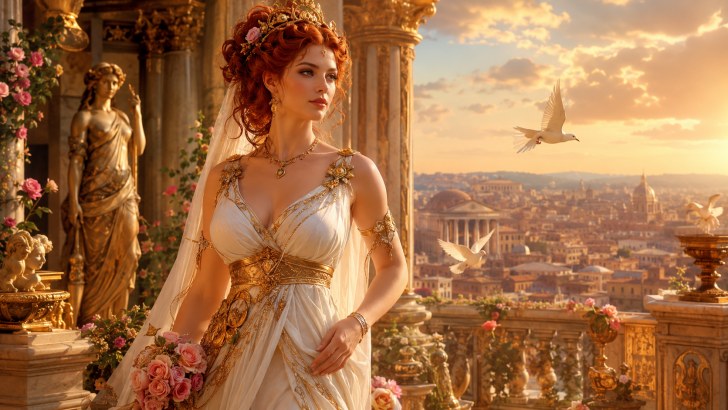
Have you ever wondered why Venus became one of the most beloved and influential goddesses in ancient Rome?
Today, many people know Venus as the goddess of love and beauty. However, to the Romans, she was much more than a symbol of romance.
Venus was associated with fertility, prosperity, victory, political power, and even the destiny of Rome itself.
Her influence stretched from family life to imperial politics, making her one of the most important figures in Roman religion.
Temples were built in her honor, festivals celebrated her blessings, and powerful leaders claimed special connections to her.
Because of her wide range of roles, Venus became one of the most respected goddesses in the Roman world.
Here are ten reasons Venus was considered one of Rome’s most powerful goddesses.
1. She Was the Goddess of Love

Venus was best known as the goddess of love. Romans believed she influenced attraction, affection, and relationships.
Because love touches every part of human life, Venus naturally held an important place in Roman society.
People prayed to her for successful marriages, healthy relationships, and harmony within families.
Her connection to love made her relevant to both ordinary citizens and powerful rulers.
The universal importance of human relationships helped make Venus one of the most widely honored deities in Rome.
Her influence extended into poetry, art, and everyday life throughout the empire.
Love stories, wedding customs, and romantic ideals were often connected to her, strengthening her presence in both public and private life.
2. She Was Associated With Beauty

Beauty was another major aspect of Venus’s identity. Roman artists frequently portrayed her as the ideal example of grace and attractiveness.
Her image appeared in sculptures, paintings, mosaics, and decorative objects throughout the Roman world.
Beauty was not viewed simply as appearance. It was often connected to harmony, balance, and divine favor.
Her association with beauty helped inspire generations of artists and contributed to her lasting popularity long after the Roman Empire ended.
Even centuries later, artists continued to use Venus as a symbol of elegance, proving the enduring power of her image.
3. She Was Linked to Fertility and New Life

Venus was also connected to fertility, growth, and the continuation of life. These blessings were essential in the ancient world.
Healthy families, successful births, and thriving communities were considered signs of divine favor.
Because Venus was believed to influence fertility, many people sought her blessings during important stages of family life.
Her role extended beyond romance into the broader cycle of life itself.
This connection made her one of the most important goddesses for both families and communities.
Her association with birth and renewal made her especially important during celebrations involving marriage, children, and family prosperity.
4. She Was Considered an Ancestor of Rome
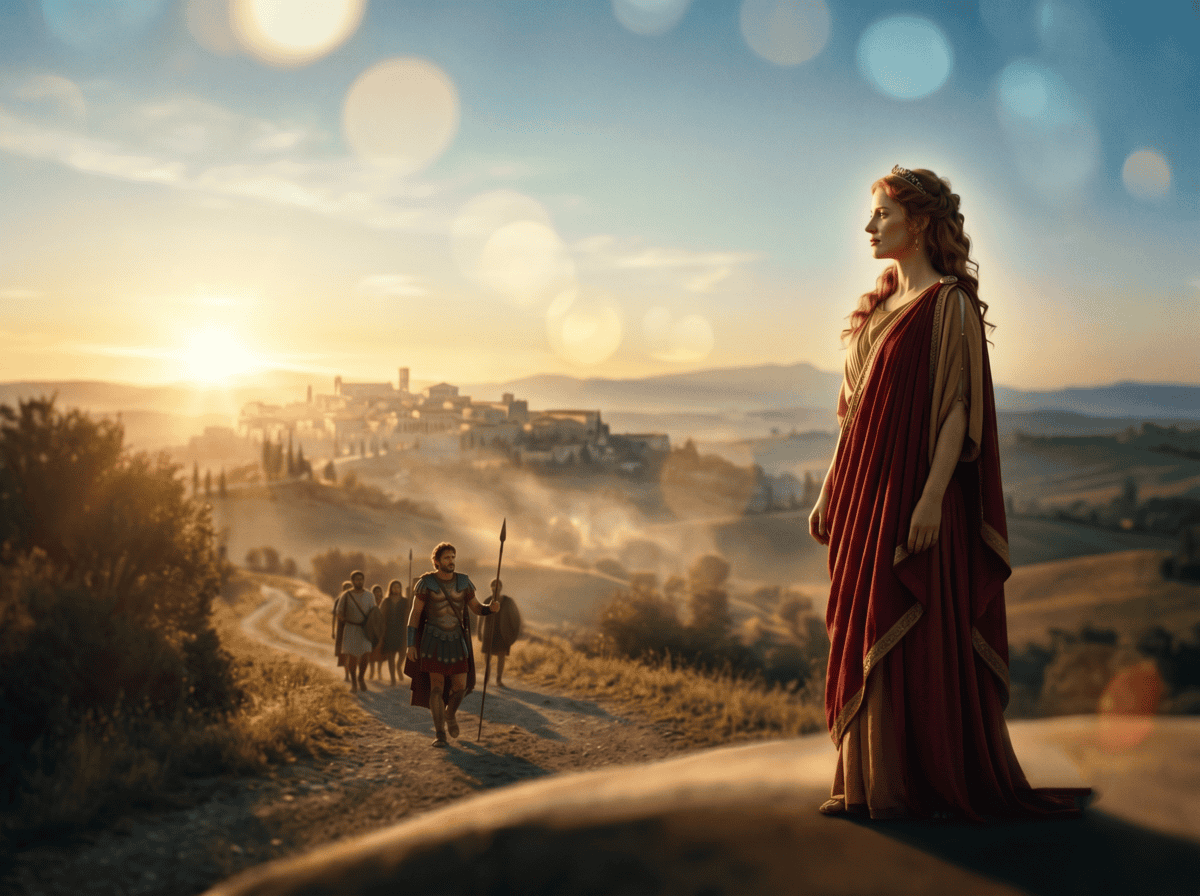
One of the most remarkable reasons for Venus’s importance was her connection to Rome’s legendary origins.
According to Roman tradition, the Trojan hero Aeneas was the son of Venus.
Aeneas eventually became one of the legendary ancestors of the Roman people.
This belief elevated Venus beyond the role of a typical goddess.
She was seen as a divine mother connected to the very foundation of Roman identity.
Because of this, many Romans saw her as a protector of their nation and its destiny.
Her connection to Rome’s origins gave her a special status that few other deities could claim within Roman culture.
5. Julius Caesar Claimed Descent From Her

Venus became even more politically important because of her connection to Julius Caesar.
Caesar’s family, the Julian clan, claimed descent from Aeneas and therefore from Venus herself.
This claim gave the goddess enormous significance within Roman politics.
Caesar promoted her worship and emphasized the family’s divine ancestry.
By linking himself to Venus, he strengthened his prestige and legitimacy.
Her influence became closely tied to some of the most powerful figures in Roman history.
This connection helped transform Venus from a popular goddess into an important symbol of political authority and leadership.
6. She Had Important Temples Throughout Rome

The Romans built numerous temples dedicated to Venus.
These sacred spaces served as centers of worship, festivals, and public ceremonies.
Some temples were associated with specific aspects of the goddess, including love, victory, and prosperity.
The existence of multiple major temples demonstrates her importance within Roman religion.
Large numbers of people visited these sites to offer prayers and gifts.
The prominence of her temples reflected the widespread belief that Venus played a vital role in both personal and national success.
Many temples occupied prominent locations, showing how deeply her worship was woven into the religious life of Rome.
7. She Was Associated With Victory

Many people are surprised to learn that Venus was also connected with victory.
Certain forms of the goddess were honored as bringers of military success.
Roman leaders sometimes prayed to her before important battles.
This role expanded her influence far beyond matters of romance and beauty.
Victory was essential to Roman expansion and political power.
By associating Venus with military triumph, Romans connected her to the success and security of the empire itself.
Her blessings were believed to help ensure favorable outcomes in times of conflict.
This military connection helped increase her importance among generals, soldiers, and leaders responsible for protecting Roman interests.
8. She Was Seen as a Source of Prosperity
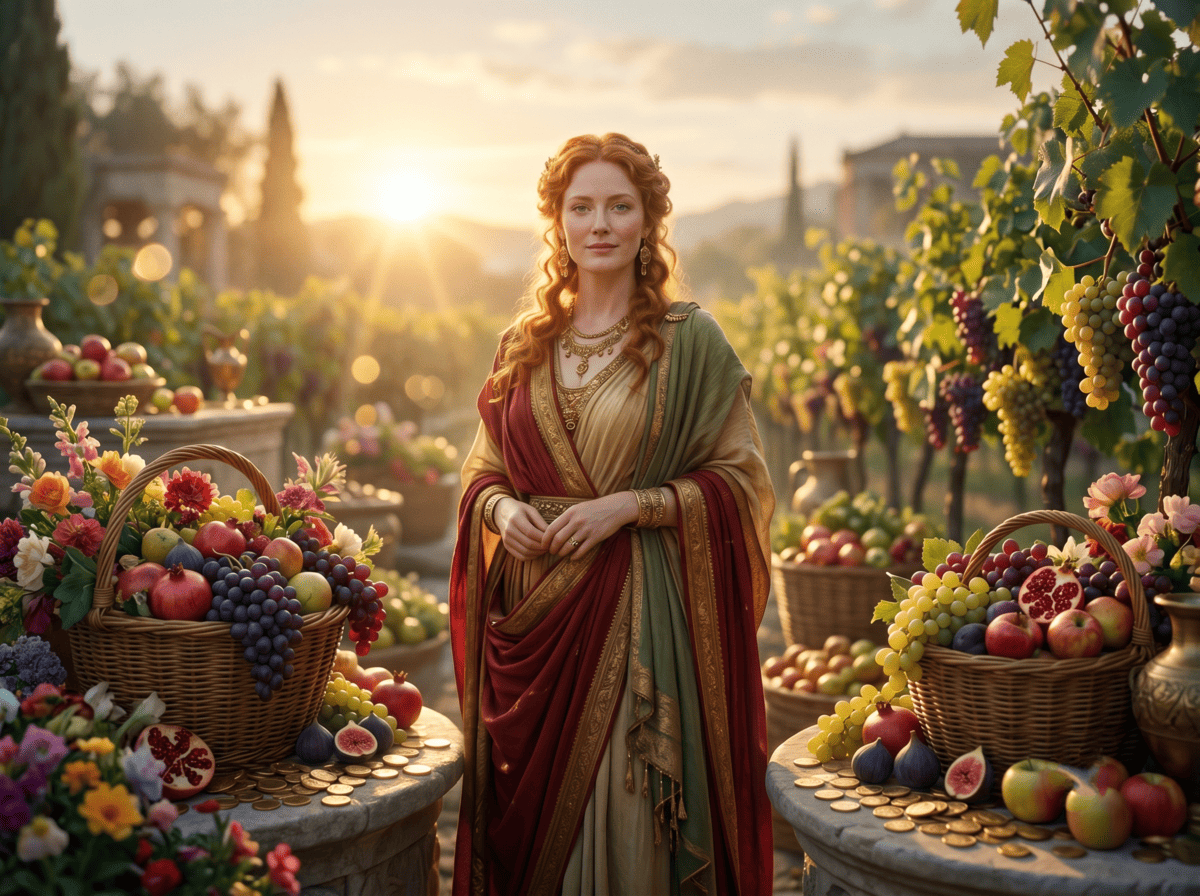
Venus was often linked to prosperity and abundance.
The Romans believed her favor could contribute to flourishing families, successful businesses, and thriving communities.
Prosperity involved much more than wealth. It included health, fertility, opportunity, and overall well-being.
Because so many aspects of life were connected to prosperity, Venus’s influence touched countless areas of Roman society.
Her worship reflected humanity’s enduring desire for stability, growth, and success.
People frequently sought her blessings when beginning new ventures, hoping for favorable outcomes and long-term prosperity.
9. Her Festivals Drew Large Crowds

Several festivals were celebrated in honor of Venus throughout the Roman calendar.
These events included ceremonies, offerings, prayers, and public celebrations.
Festivals helped strengthen community bonds while honoring the goddess.
Large gatherings demonstrated her popularity among people from many social classes.
Religious festivals also reinforced the importance of Venus within Roman culture.
The continued celebration of these events helped maintain her status as one of Rome’s most influential deities.
The festive atmosphere allowed people to express devotion while participating in traditions that connected communities across generations.
10. Her Legacy Survived Long After Rome
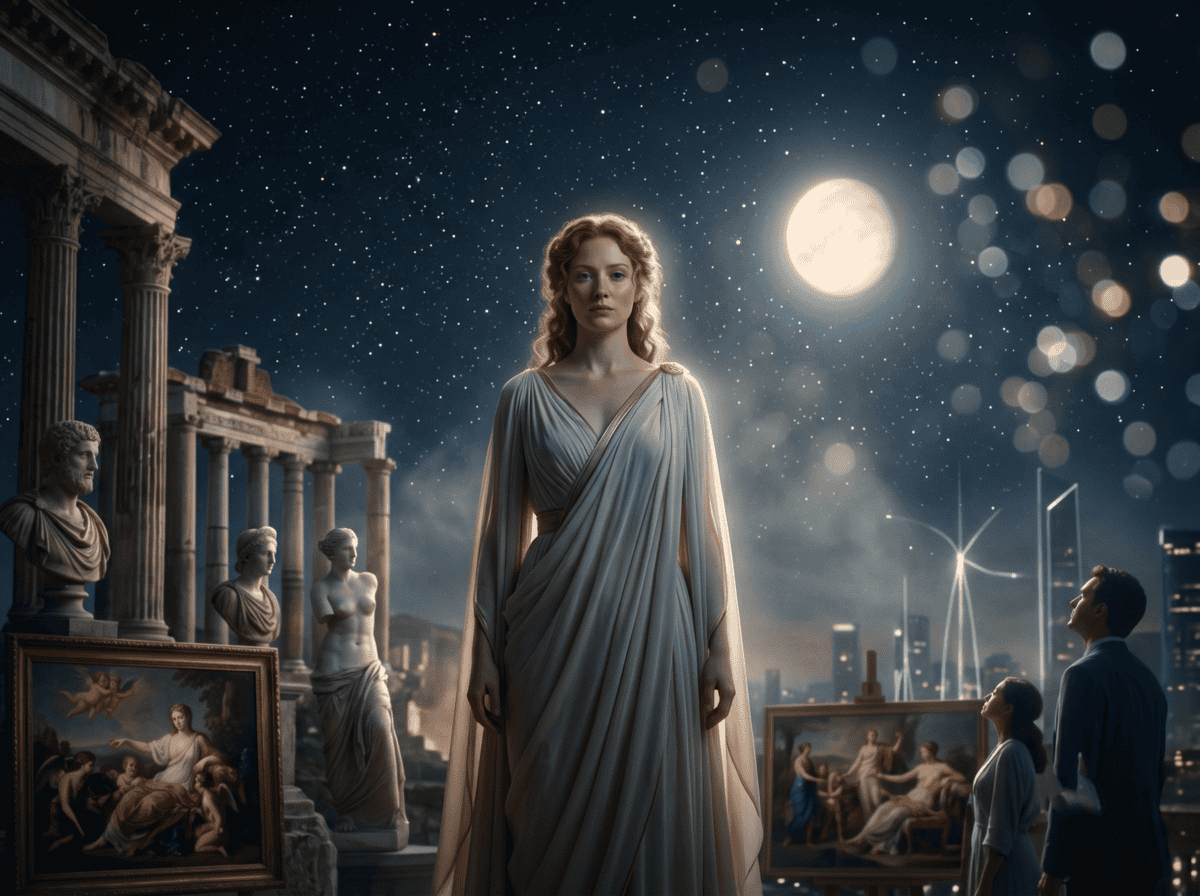
Few Roman deities have remained as famous as Venus, even after the decline of the ancient Roman religion.
The planet Venus bears her name. Countless paintings and sculptures have portrayed her over the centuries.
Stories about Venus continue to inspire books, films, and artistic works around the world.
Her enduring legacy reflects the powerful impact she had on Roman civilization and on the imagination of generations that followed.
Modern audiences still recognize her name, demonstrating how deeply her symbolism remains embedded within global culture and art.

私は生まれたときから、常に神との強いつながりを感じていた。作家として、また指導者として、私の使命は、人々が最も暗い時代に愛と幸福と内なる強さを見つけるのを助けることである。