
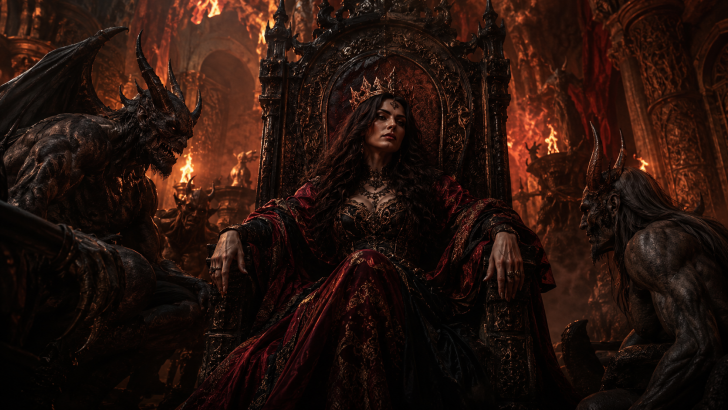
Have you ever heard of Agrat bat Mahlat, one of the mysterious demon queens of Jewish folklore?
While figures like Lilith are widely recognized today, Agrat bat Mahlat is less famous despite appearing in centuries of Jewish legends and mystical writings.
She is often described as a powerful female demon associated with the night, supernatural spirits, and the unseen world.
Much of what is written about Agrat bat Mahlat comes from folklore, medieval traditions, and later mystical texts rather than the Hebrew Bible itself.
Because of this, different stories sometimes describe her in different ways. Here are nine interesting facts about Agrat bat Mahlat, the mysterious demon queen.
1. She Is Not Mentioned in the Hebrew Bible
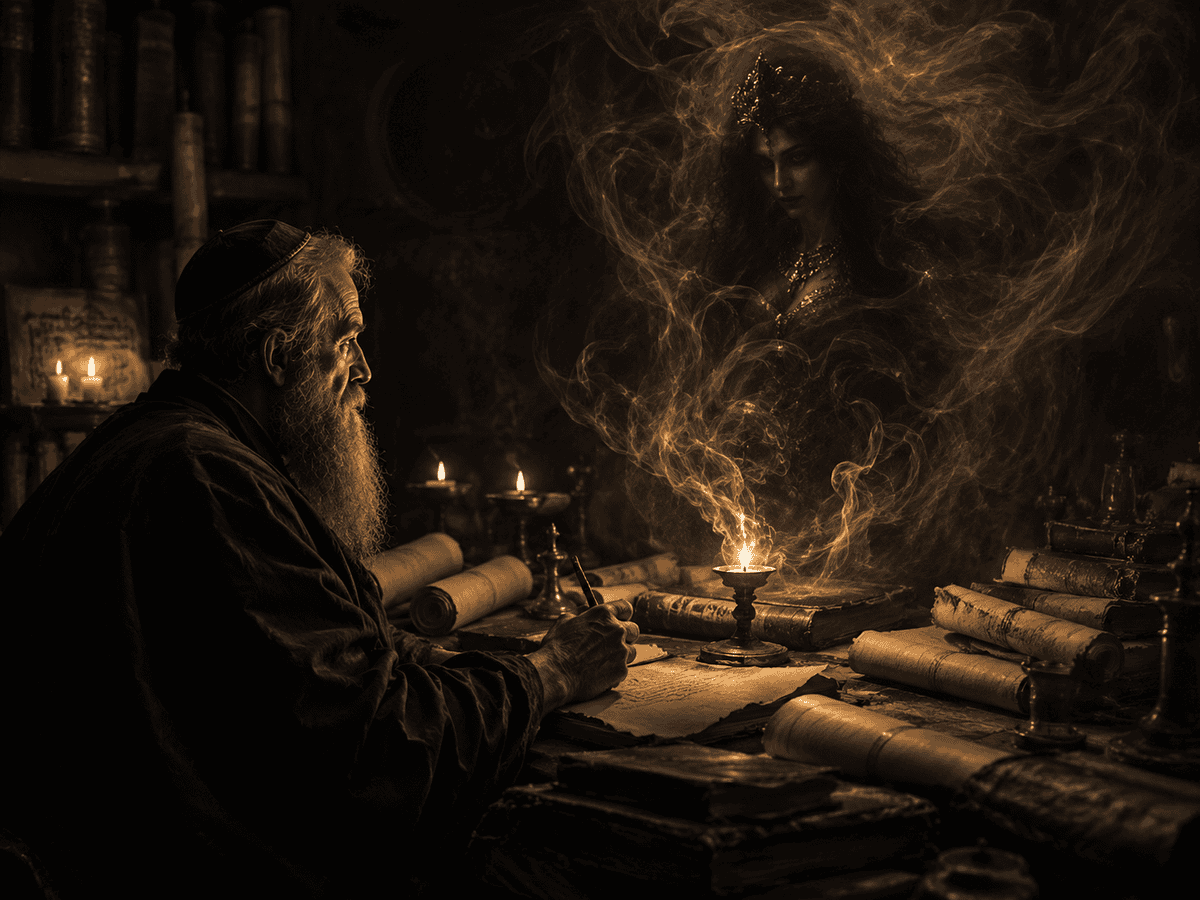
Many people assume Agrat bat Mahlat appears in the Bible, but that is not the case. Her name is absent from the Hebrew Bible and the New Testament.
Instead, she appears in later Jewish folklore, rabbinic traditions, and mystical writings that expanded upon earlier beliefs about supernatural beings.
Because these sources developed over many centuries, the details about Agrat vary considerably.
Understanding this distinction helps separate biblical teachings from later folklore, which often introduced fascinating characters that became popular in medieval storytelling but were never part of the biblical text itself.
This is why historians and religious scholars usually study Agrat within the context of folklore and mysticism rather than biblical theology.
Her legend belongs to later cultural traditions instead of Scripture itself.
2. She Is Considered One of the Four Demon Queens
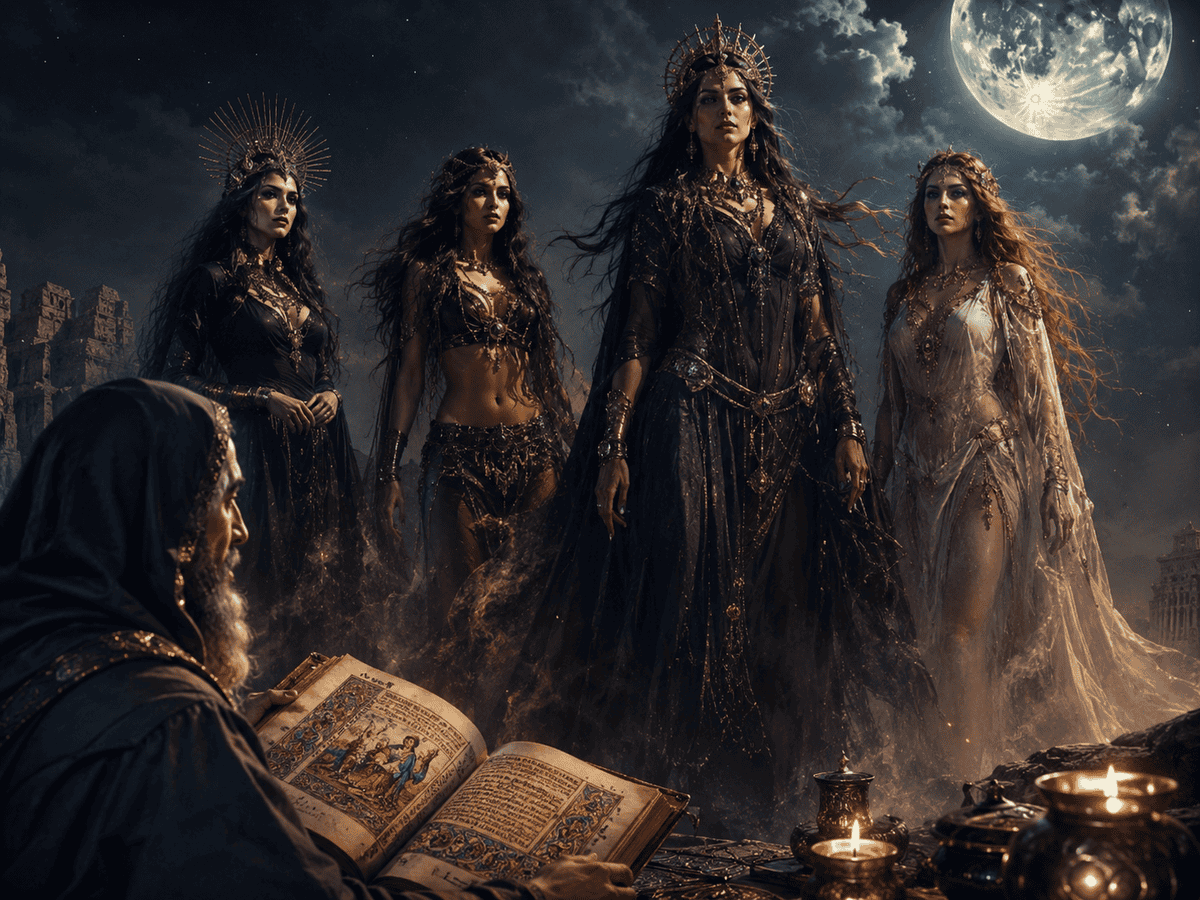
In several Jewish mystical traditions, Agrat bat Mahlat is listed among four powerful female demon queens.
The exact list sometimes varies depending on the source, but Agrat is frequently mentioned alongside Lilith, Eisheth Zenunim, and Naamah.
Together, they were believed to rule different groups of harmful spirits or demons during the night.
These traditions developed primarily in medieval mystical literature rather than early biblical writings.
Her inclusion among these famous figures helped establish her reputation as one of the most powerful female supernatural beings in Jewish folklore.
Being grouped with these well-known figures also ensured that her name continued appearing in later mystical texts, where her influence and mysterious reputation gradually became even more widely recognized.
3. Her Name Has an Uncertain Meaning
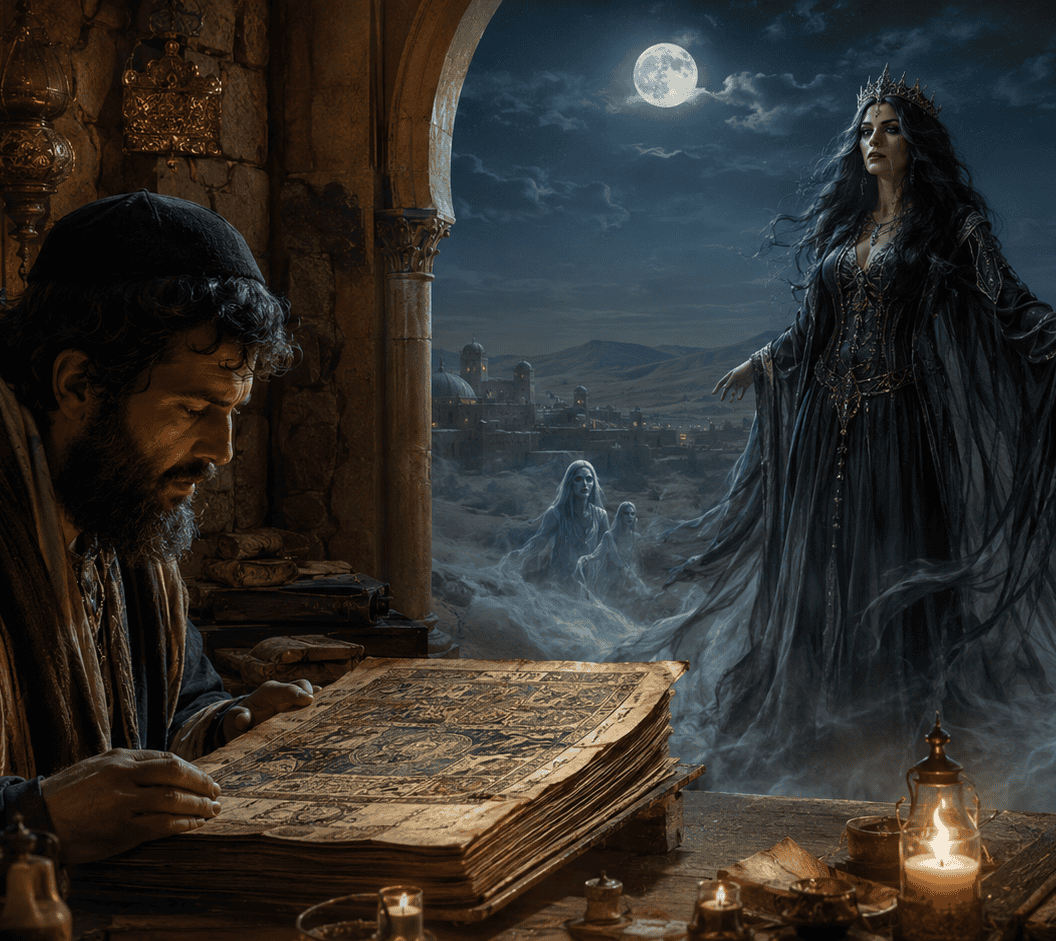
The meaning of Agrat bat Mahlat’s name has puzzled scholars for centuries.
The phrase “bat Mahlat” literally means “daughter of Mahlat,” but the identity of Mahlat remains uncertain.
Some researchers believe the name may preserve older traditions that are no longer fully understood.
Others think parts of the name may carry symbolic rather than historical meaning.
Because the surviving sources are limited, no single explanation has gained universal acceptance, adding another layer of mystery to her legendary identity.
The uncertainty surrounding her name has encouraged ongoing research, with historians continuing to compare ancient texts in hopes of uncovering additional clues about her possible origins and earliest traditions.
4. She Was Associated With the Night
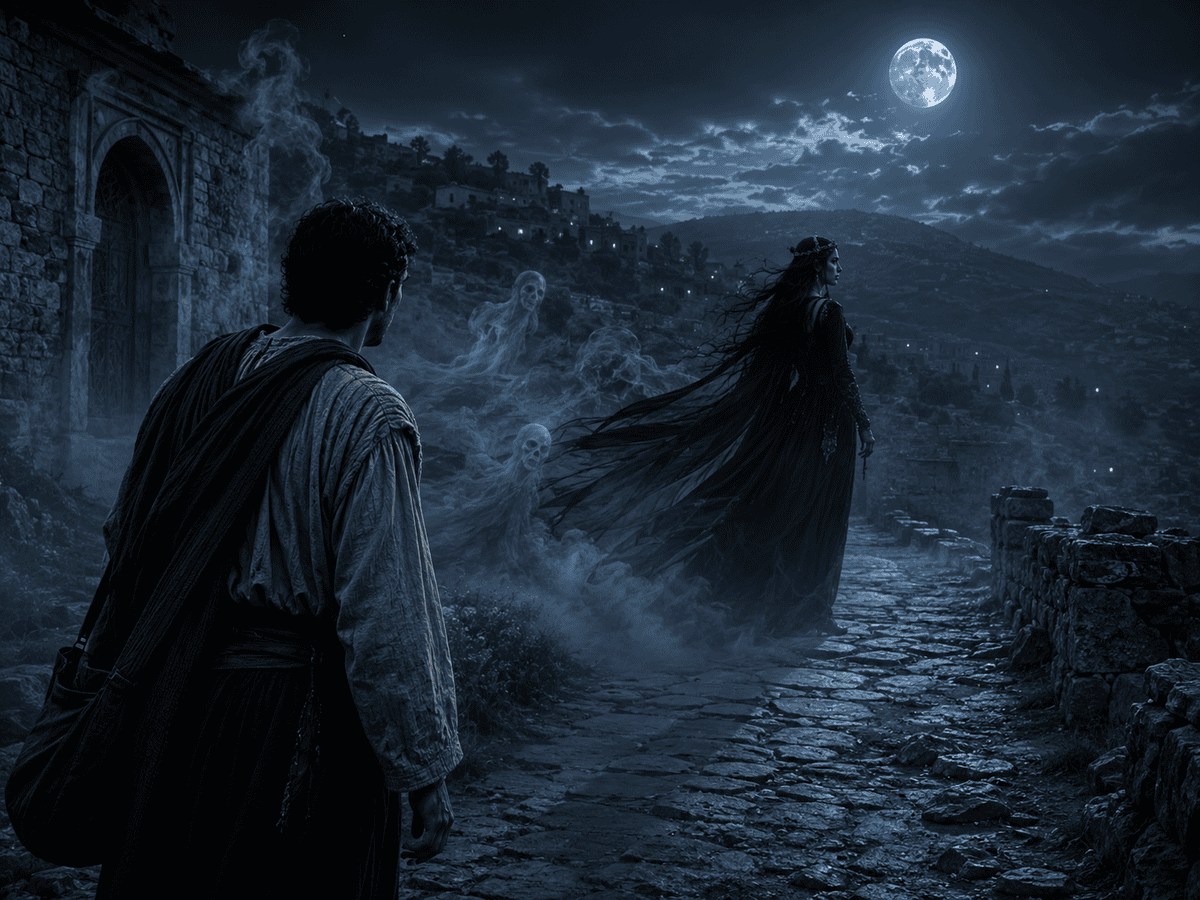
Many traditions describe Agrat as traveling after sunset. Nighttime was often seen in ancient folklore as a period when supernatural beings became active.
Because darkness hid potential dangers, many cultures connected the night with mysterious spirits and unseen forces. Agrat became closely associated with these beliefs.
Her nighttime journeys reflected widespread fears of the unknown and demonstrated how folklore often transformed ordinary darkness into a setting filled with supernatural possibilities.
For many communities, nighttime represented uncertainty and vulnerability.
Stories about Agrat reflected those fears, giving people a memorable explanation for the dangers they believed could appear after sunset.
5. Some Legends Say She Led Armies of Spirits
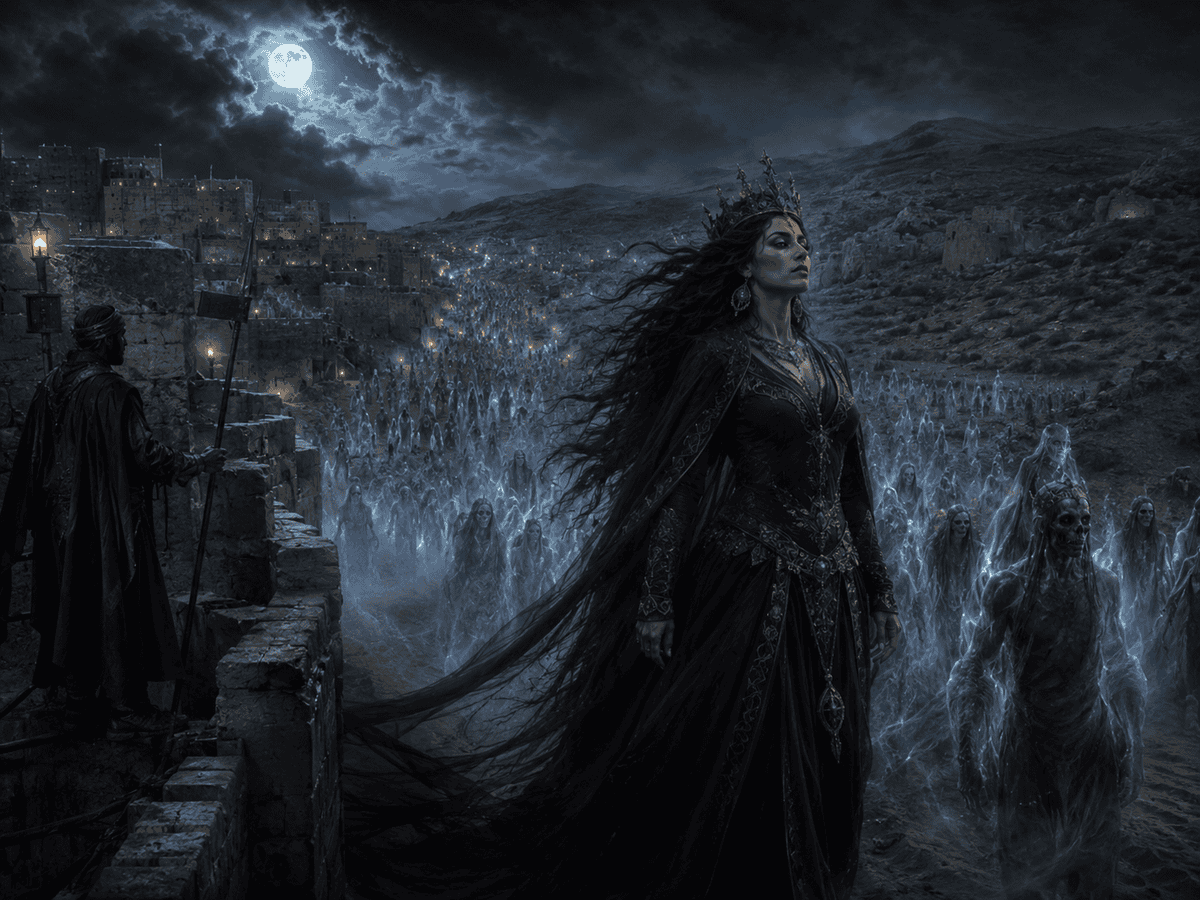
One of the most dramatic traditions describes Agrat commanding large groups of supernatural spirits.
According to these legends, she traveled through the night accompanied by countless demonic followers.
These stories emphasized her authority and elevated her status far beyond that of an ordinary spirit.
Rather than acting alone, she was portrayed as a powerful ruler within the supernatural world.
Although these accounts belong to folklore rather than established religious doctrine, they became some of the most memorable stories connected with her name.
Her role as a leader made her stand out from many other legendary spirits, helping storytellers portray her as an influential figure whose presence inspired both fascination and caution.
6. King Solomon Appears in Some Stories About Her
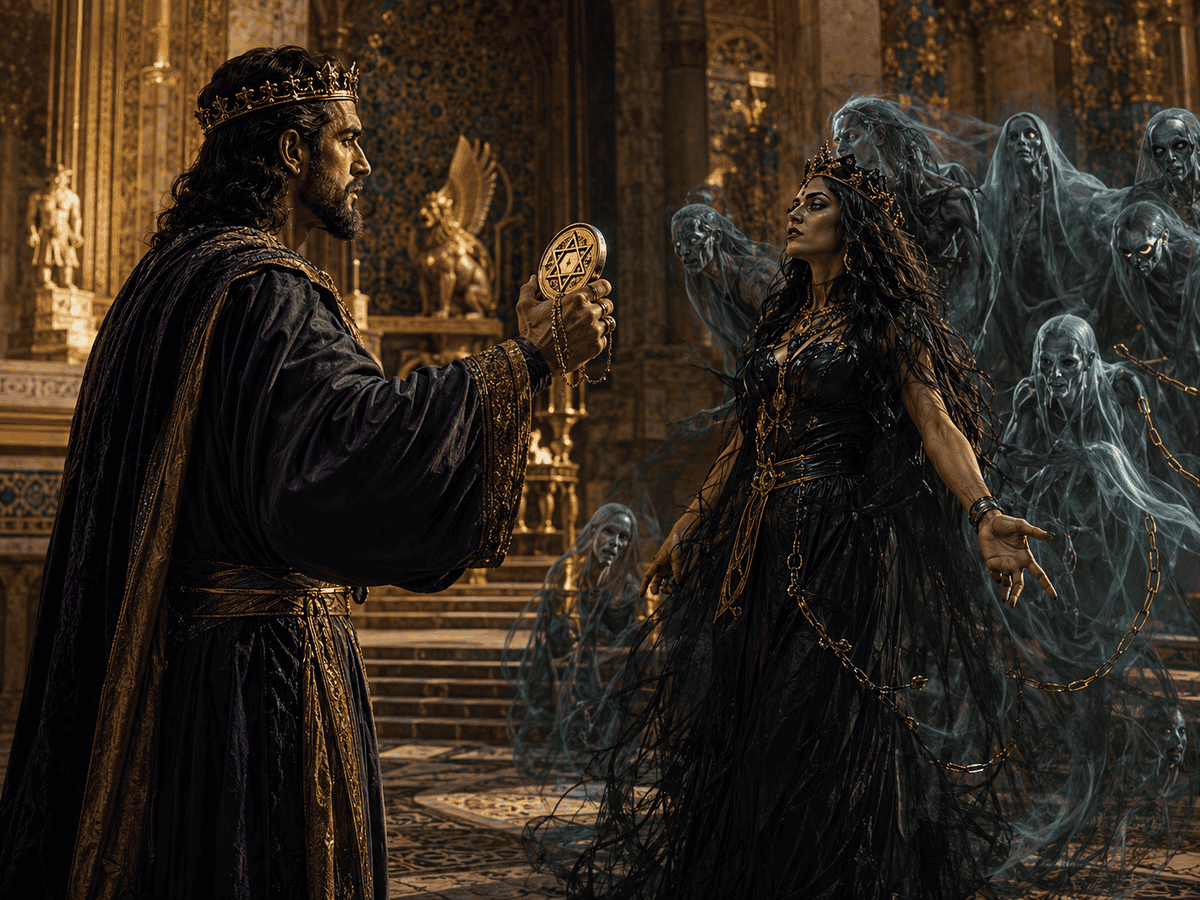
Several medieval legends connect Agrat bat Mahlat with King Solomon.
According to these stories, Solomon used divine wisdom or sacred knowledge to confront supernatural beings, including powerful demons.
One tradition says he restricted the times when Agrat and her followers could travel freely.
These stories grew out of later folklore that portrayed Solomon as a master over spirits.
Although they are not found in the biblical account of his life, they became popular themes in Jewish and Middle Eastern storytelling.
These legends added excitement to Solomon’s already legendary reputation, presenting him as a wise ruler whose authority extended beyond human kingdoms into the mysterious realm of supernatural beings.
7. She Appears Mainly in Mystical Literature
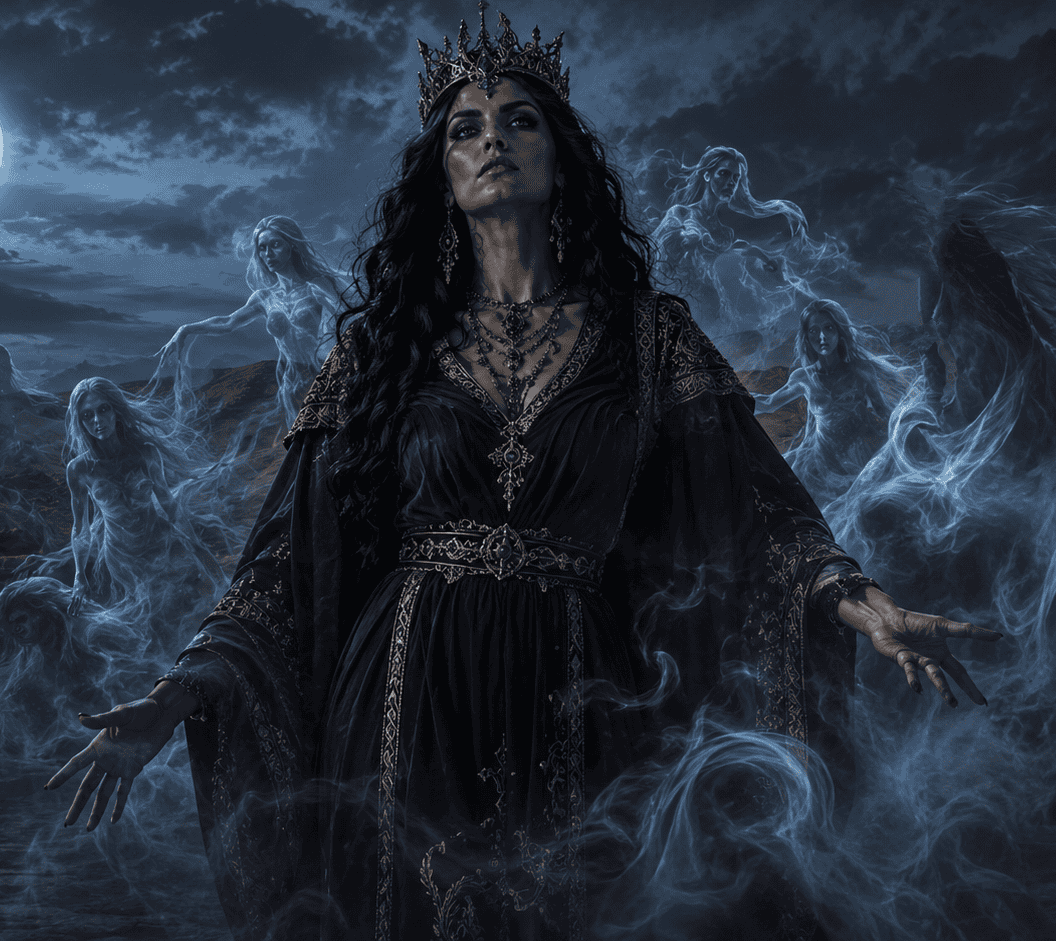
Most references to Agrat come from mystical and folkloric works rather than historical records.
Texts connected with Jewish mysticism often explored angels, demons, hidden worlds, and symbolic interpretations of Scripture.
Within these writings, Agrat became one of several supernatural figures representing the unseen realm.
Different authors sometimes expanded her story or described her differently.
As a result, no single version of her legend exists, making her one of folklore’s more mysterious characters.
This variety gives scholars valuable insight into how legends developed over time, with each generation adding new details while preserving the mysterious reputation that surrounded Agrat’s name.
8. Her Stories Reflect Medieval Beliefs About Demons
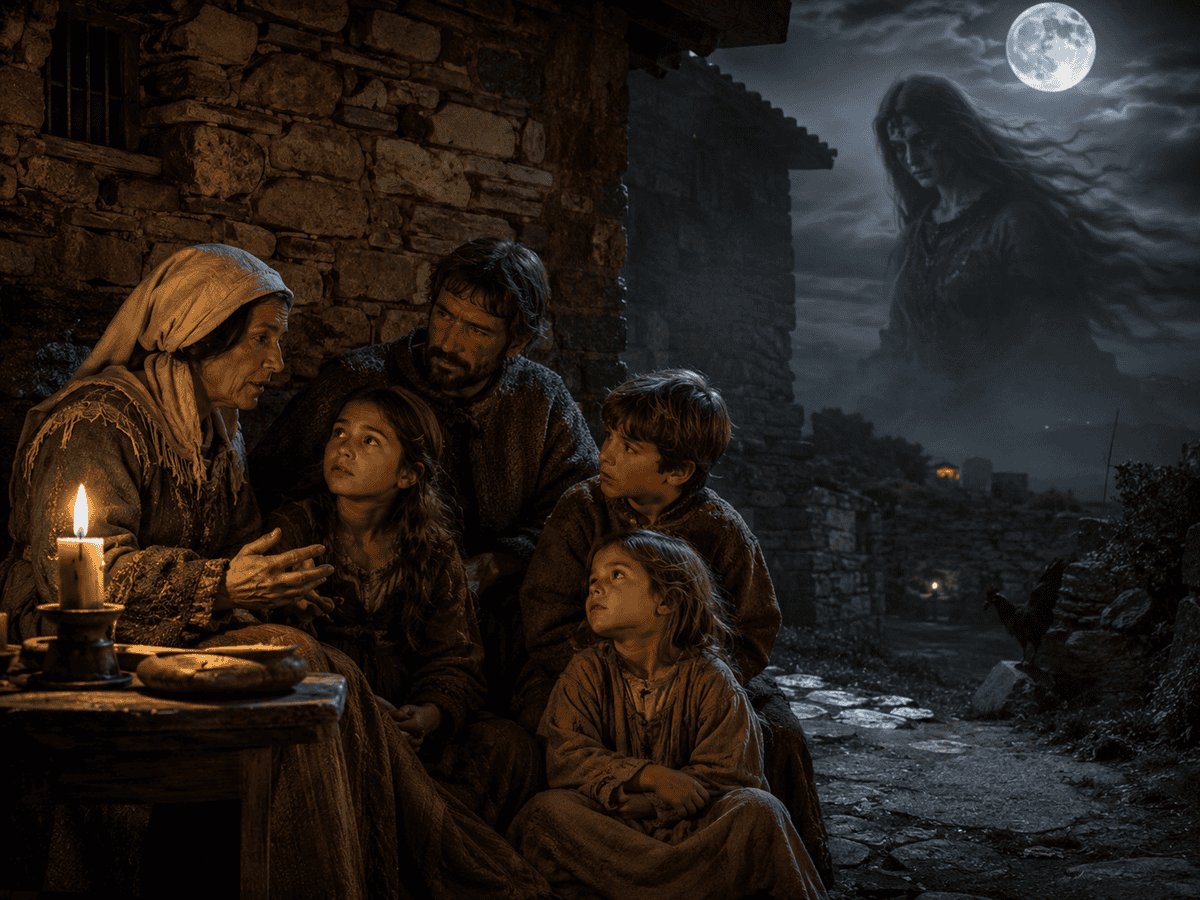
The legends surrounding Agrat tell us as much about medieval society as they do about the character herself.
People living centuries ago often believed the unseen world constantly interacted with everyday life.
Stories about demons offered explanations for illness, fear, nightmares, and events that seemed difficult to understand.
Agrat became part of this broader tradition. Today, historians study these legends to understand how earlier cultures saw the supernatural.
By examining these stories, researchers learn about the fears, beliefs, and imagination of medieval communities.
Folklore often reveals how people understood a mysterious world long before modern scientific explanations existed.
9. Her Legend Changed Over the Centuries
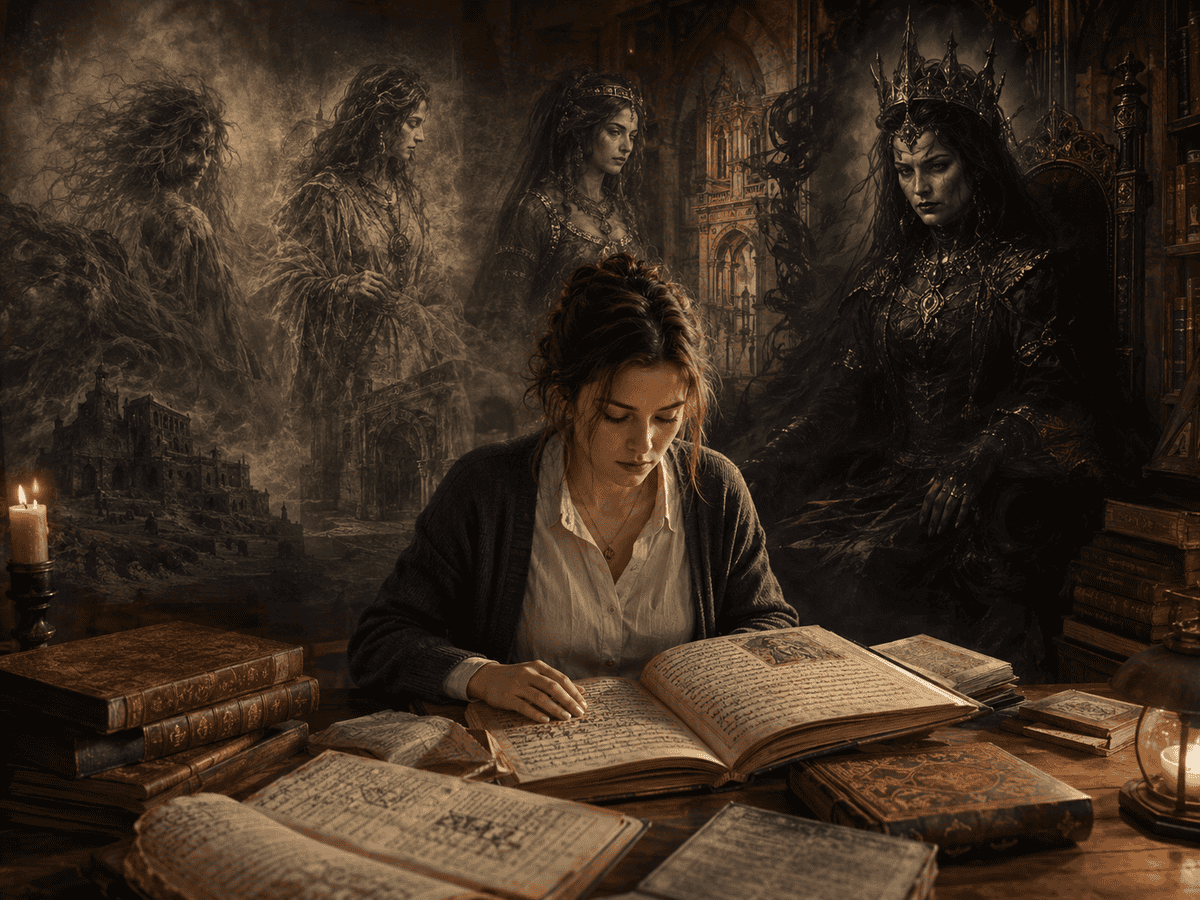
Unlike characters with one fixed story, Agrat bat Mahlat developed differently as folklore spread across regions and generations.
Writers and storytellers added new details, emphasized different qualities, and connected her with other supernatural figures over time.
Because these traditions were passed down through centuries, no single version became universally accepted.
This gradual evolution is common in folklore around the world, where legends naturally change as they are retold.
Agrat’s ever-changing story reminds us that myths are living traditions, shaped by the cultures that preserve them and adapted to reflect the beliefs, fears, and imagination of each new generation.

私は生まれたときから、常に神との強いつながりを感じていた。作家として、また指導者として、私の使命は、人々が最も暗い時代に愛と幸福と内なる強さを見つけるのを助けることである。