
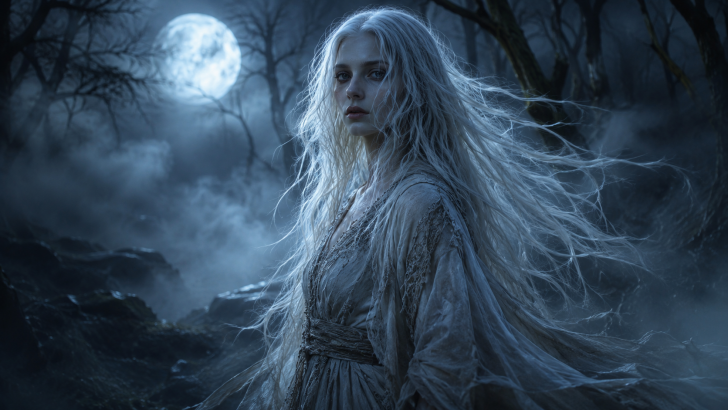
Slavic folklore is filled with mysterious spirits, dangerous creatures, and supernatural beings that reflect the fears and beliefs of ancient communities.
Among these figures was Blednica, a lesser-known but fascinating demoness from Slavic traditions.
Unlike famous beings such as Baba Yaga or the Rusalka, Blednica appears mostly in regional folklore and oral traditions.
Her stories vary depending on the area, but she is generally described as a harmful female spirit connected with illness, weakness, fear, and the unsettling experiences that people once struggled to explain.
The name itself is often associated with paleness or a sickly appearance, reflecting her connection with exhaustion and suffering.
Like many Slavic supernatural beings, Blednica was not simply a monster from frightening tales.
She represented deeper human concerns, including vulnerability, sickness, and the dangers believed to exist beyond the safety of home.
Here are eight fascinating things about Blednica, the evil Slavic demoness.
1. Blednica Was Associated With Sickness and Weakness
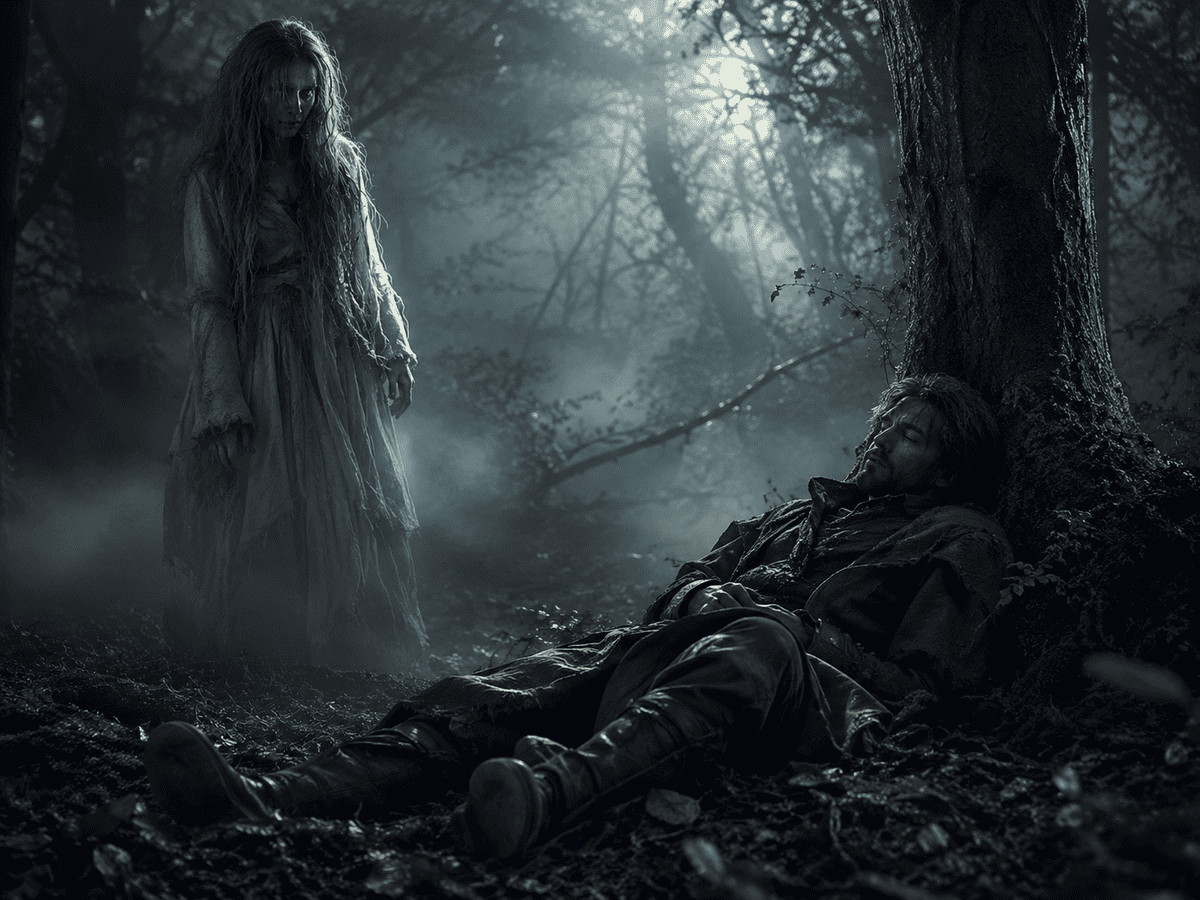
One of the strongest associations with Blednica is illness. Diseases and sudden physical weakness were not always understood through modern medicine.
People often created supernatural explanations for conditions they could not easily explain.
Blednica became connected with feelings of exhaustion, weakness, and declining health.
Her presence in folklore reflected the fear that an unseen force could cause someone to lose their strength.
The image of a pale, mysterious female spirit matched these concerns. The idea behind such stories was not only to frighten people but also to explain the unknown.
Folklore often gave human characteristics to invisible dangers. A sickness could become a creature.
A storm could become an angry spirit. A difficult experience could become a supernatural warning.
2. Her Name Is Connected With Paleness
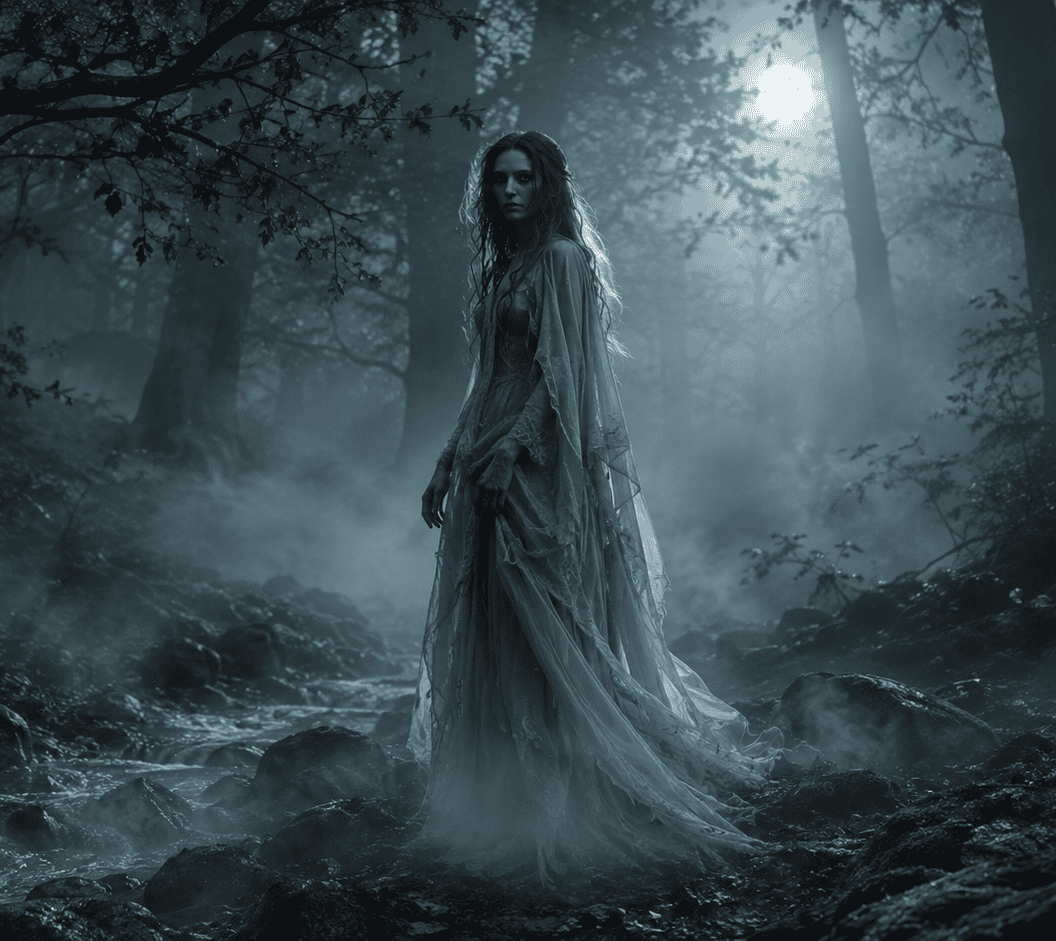
The name Blednica is often connected with words referring to being pale or having a faded appearance.
This connection reflects the way many cultures used physical descriptions to create supernatural figures.
Paleness was historically associated with sickness, fear, and loss of vitality.
Because of this, Blednica’s appearance became part of her frightening symbolism.
A pale figure appearing unexpectedly in folklore would immediately suggest something unnatural.
White, pale, or shadowy figures were often linked with spirits, illness, or the world beyond the living.
3. She Belonged to the World of Female Slavic Spirits
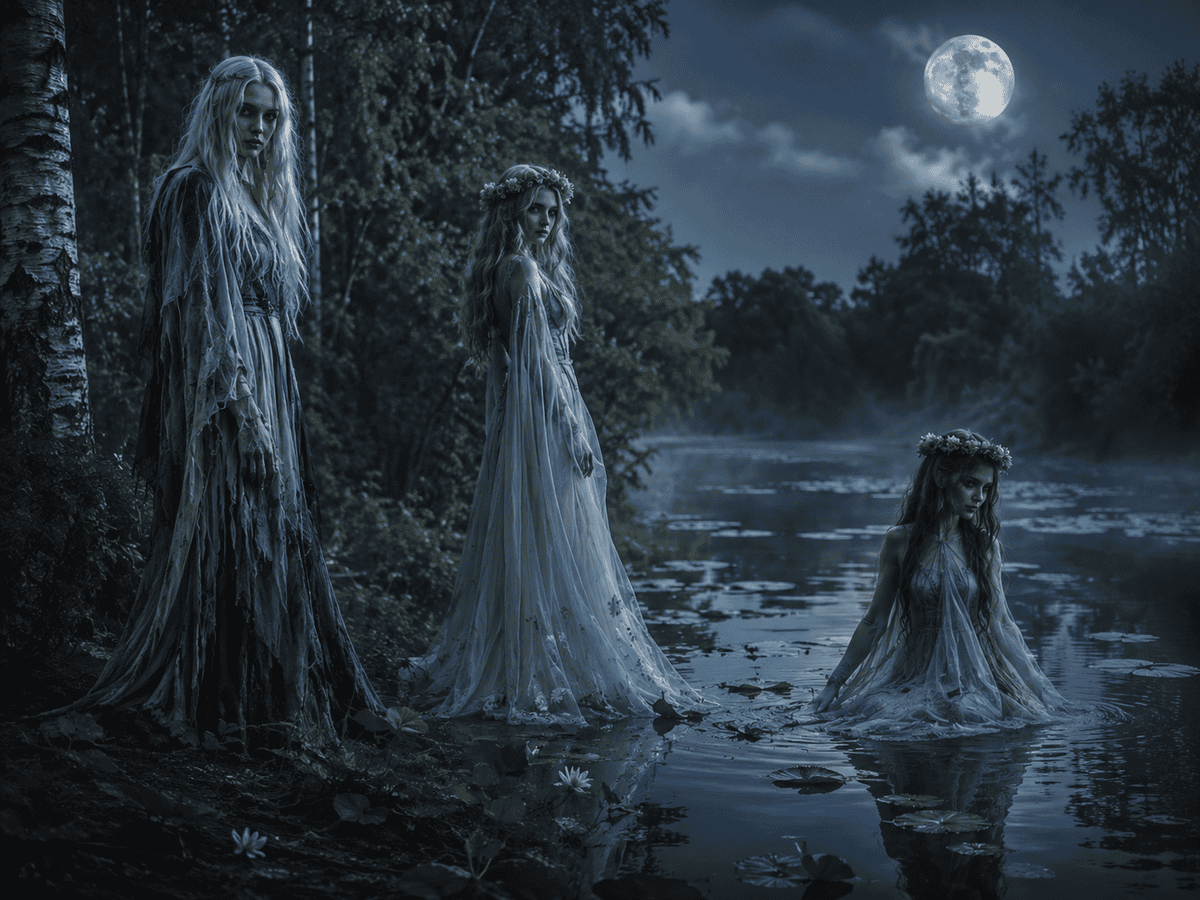
Blednica was part of a much larger tradition of female supernatural beings in Slavic folklore.
Many Slavic cultures featured female spirits connected with nature, danger, death, and human misfortune.
Some were protectors, while others were feared. Figures such as Rusalkas, Vila spirits, and other beings reflected complicated relationships between humans and the supernatural world.
Blednica fits into this tradition as a dangerous feminine spirit. Her stories show how folklore often used female figures to represent forces that people could not control.
These spirits were not always evil in every story, but they frequently carried warnings.
They reminded people to respect the unknown and avoid behaviors believed to attract misfortune.
Blednica’s frightening nature placed her among the darker figures of Slavic mythology.
4. Stories About Her Varied Between Regions
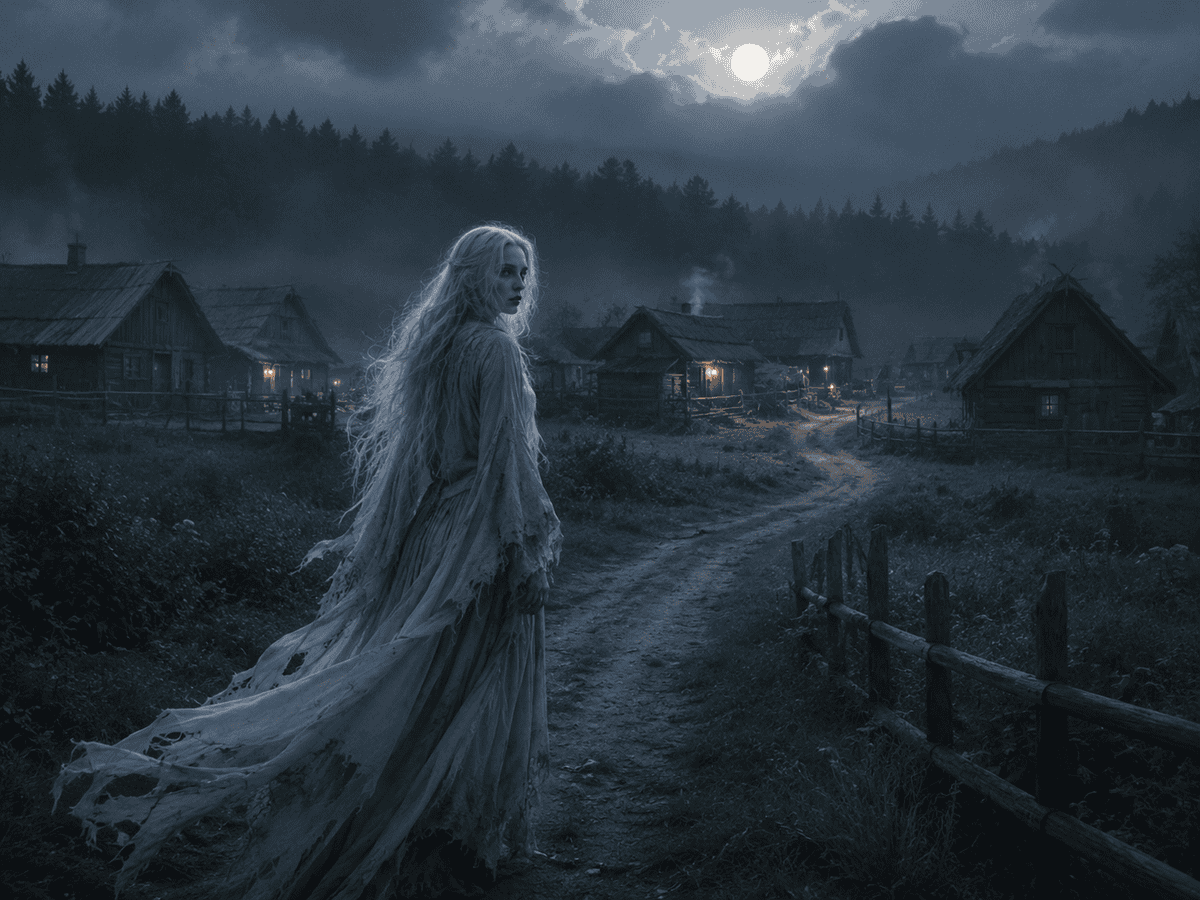
One of the most interesting things about Blednica is that her legends are not as widely recorded as those of more famous Slavic beings.
Much of Slavic folklore was passed down through spoken traditions. Because of this, stories changed from village to village.
Different communities developed their own interpretations of spirits and supernatural creatures.
Some descriptions of Blednica focus on illness and weakness. Others portray her as a more general harmful spirit.
This variation is common throughout folklore. Mythological figures rarely had one official version.
Instead, their identities evolved as different generations shared and adapted stories.
5. She Reflected Ancient Fears About the Unknown
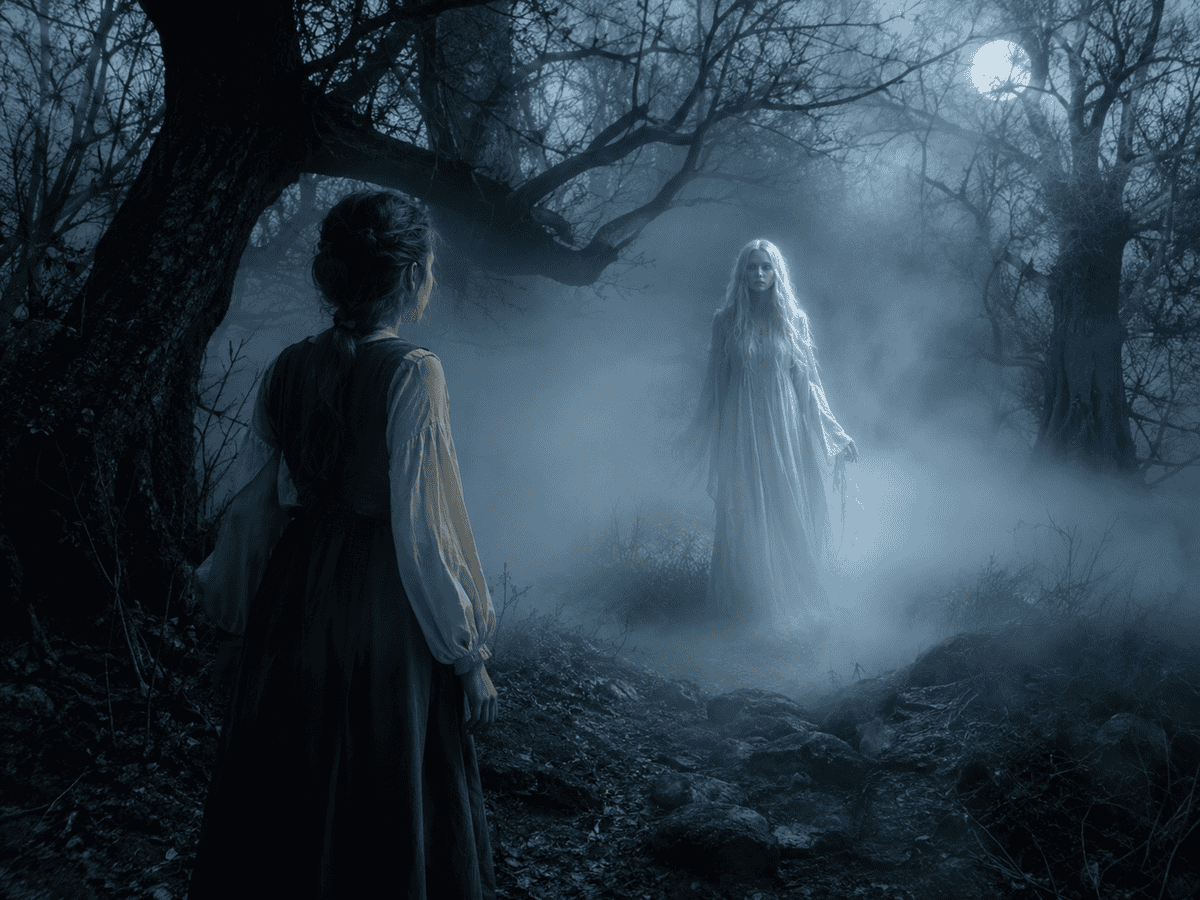
Before modern science explained many illnesses and natural events, people often searched for explanations through mythology.
Spirits like Blednica reflected fears that were difficult to understand.
Why did someone suddenly become sick? Why did a healthy person lose energy? Why did suffering appear without warning?
Folklore created stories that helped communities make sense of these experiences.
Although people today may interpret these stories differently, they reveal how earlier societies understood the world around them.
6. Blednica Was Connected With the Fear of Losing Vitality
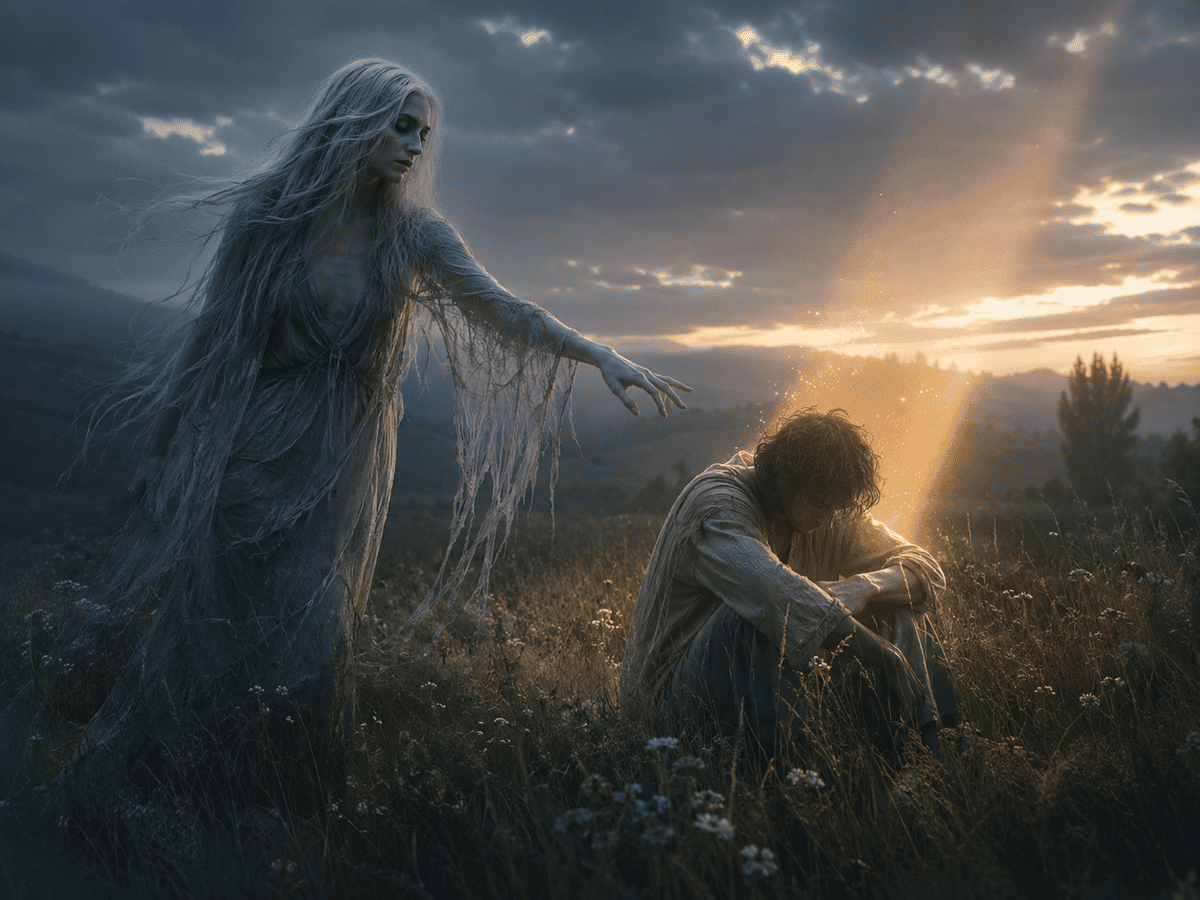
Many supernatural beings in folklore represent something being taken away. Some creatures steal treasures.
Others steal happiness, memories, or life itself. Blednica’s symbolism focuses on the loss of strength and energy.
This made her especially frightening because vitality was considered one of a person’s most valuable qualities.
A person without strength could struggle to work, protect themselves, or care for their family.
In agricultural societies, where physical ability was essential, illness was a serious threat.
Stories about spirits like Blednica reflected these realities. They transformed everyday fears into supernatural warnings.
7. Her Appearance Was Often Imagined as Unsettling
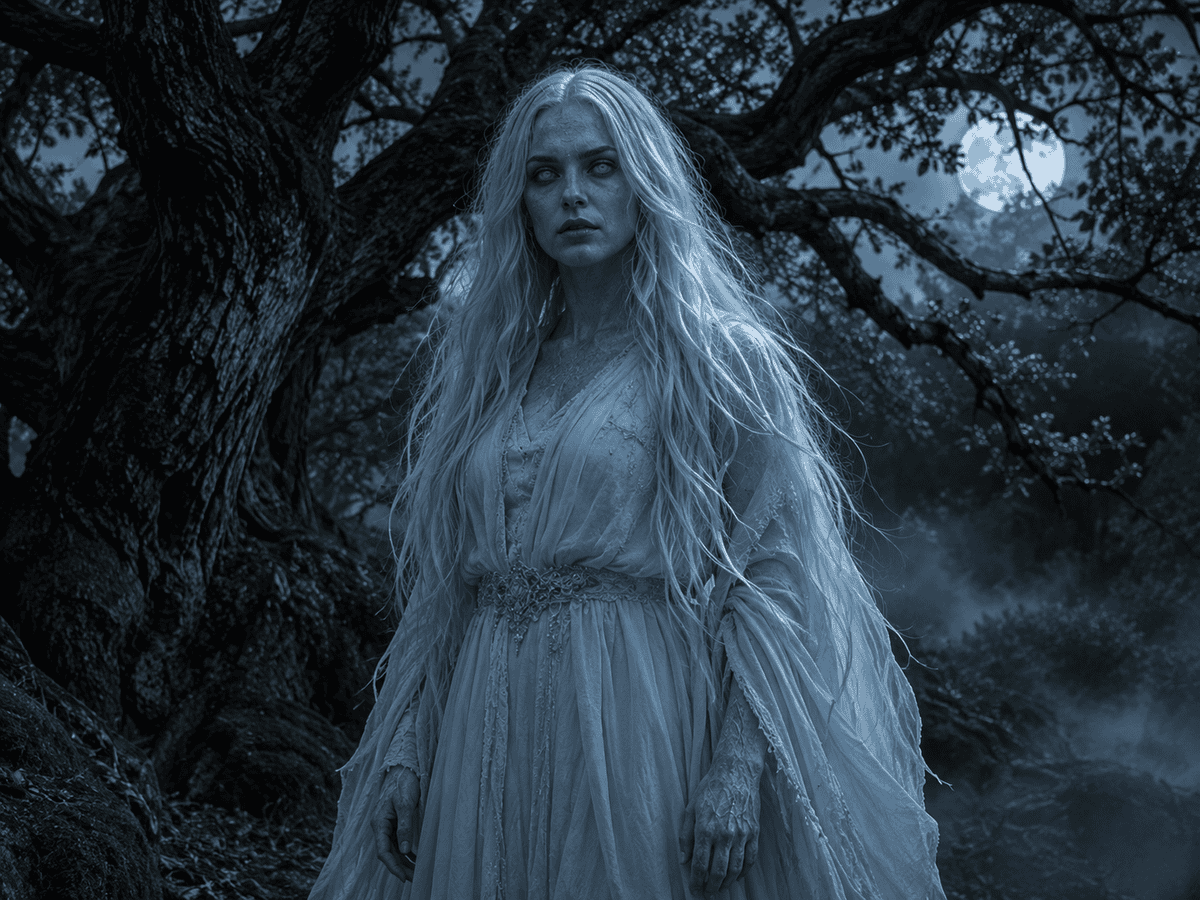
Although descriptions vary, Blednica is commonly imagined as a frightening female figure.
Her pale appearance, mysterious nature, and connection with weakness contributed to her unsettling image.
Unlike beautiful spirits from some Slavic legends, Blednica represented something disturbing.
Her appearance reflected her role as a symbol of illness and fear. Folklore often used visual details to make supernatural beings easier to remember.
A strange figure with unusual features could become a powerful story that survived for generations.
8. Blednica Shows the Darker Side of Slavic Mythology
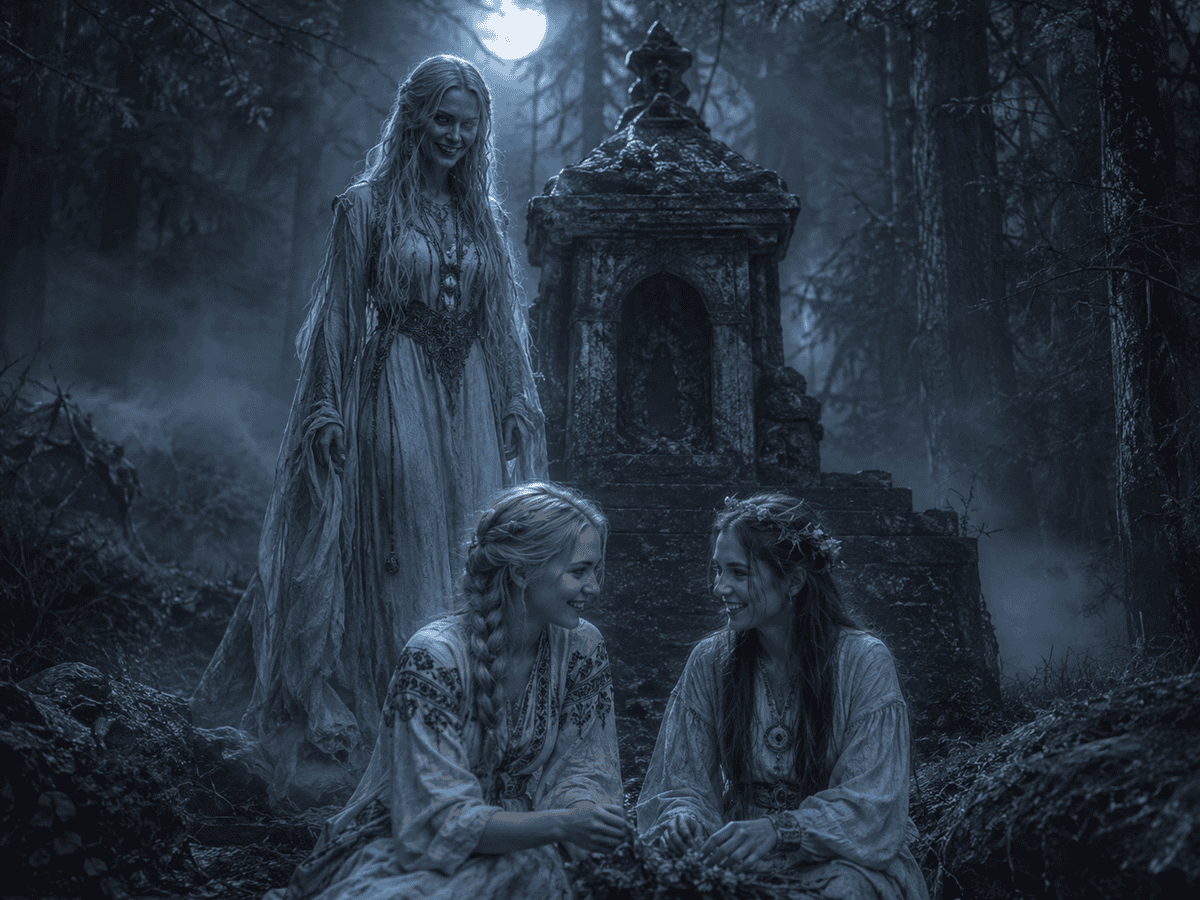
Many people know Slavic mythology through magical forests, beautiful spirits, and heroic legends.
However, these traditions also contained many darker figures.
Demons, witches, spirits of disease, and creatures of the night reflected the hardships ancient communities faced.
Blednica belongs to this shadowy side of folklore. Her stories reveal how people used supernatural ideas to understand suffering and uncertainty.
Studying these darker figures provides a more complete picture of Slavic traditions.
Mythology was not only about heroes and gods. It was also about fears, challenges, and the mysteries of existence.

私は生まれたときから、常に神との強いつながりを感じていた。作家として、また指導者として、私の使命は、人々が最も暗い時代に愛と幸福と内なる強さを見つけるのを助けることである。