

Rabbits may seem like simple woodland animals today, but throughout history they have carried surprisingly powerful meanings.
Ancient civilizations often viewed rabbits and hares as creatures connected with luck, prosperity, fertility, and protection.
Their incredible speed, ability to disappear into hidden burrows, and remarkable reproductive abilities made them seem almost magical to early observers.
Because rabbits appeared and vanished so quickly, many cultures believed they possessed a special connection to the spirit world or hidden forces of nature.
Some traditions associated them with the moon. Others connected them with abundance, springtime, and new beginnings.
Over time, rabbits became symbols of fortune that appeared in myths, folktales, and religious beliefs across much of the world.
Even today, lucky rabbit charms remain popular in many countries. Here are eight ancient beliefs about rabbits and good fortune.
1. Celts Believed Rabbits Could Travel Between Worlds

Among Celtic peoples, rabbits and hares were often viewed as mysterious creatures with ties to the supernatural.
Because they lived in underground burrows, many believed they could move between the human world and the realm of spirits or fairies.
This connection made rabbits creatures worthy of respect rather than ordinary prey.
Some stories suggested they carried messages from the Otherworld or served supernatural beings.
Encountering a rabbit unexpectedly could therefore be interpreted as a sign that unseen forces were nearby.
Since communication with the spirit world was associated with wisdom and guidance, rabbits became linked with good fortune and protection.
Their ability to appear suddenly and disappear just as quickly only strengthened these beliefs.
For many Celtic communities, rabbits represented mystery, intuition, and hidden blessings waiting beneath the surface of ordinary life.
2. Ancient Egyptians Linked Rabbits With Renewal
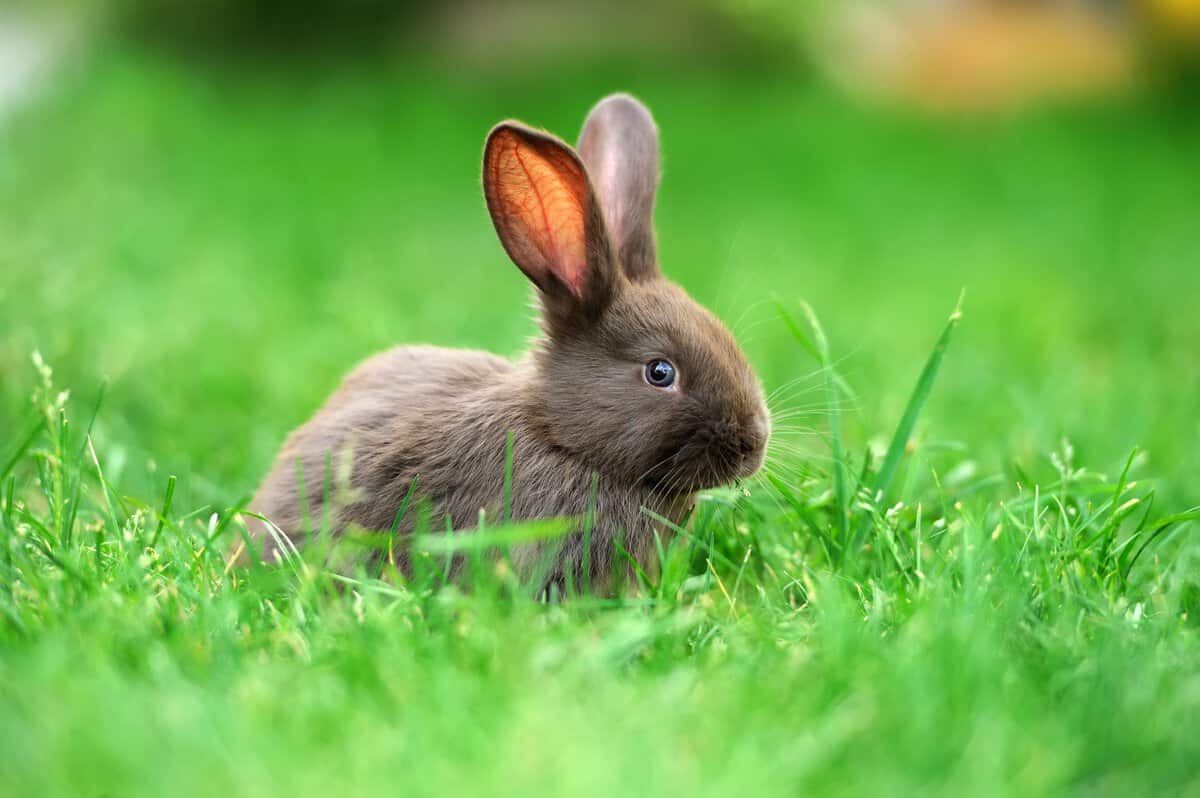
The ancient Egyptians admired animals that reflected the cycles of life and renewal found in nature.
Hares in particular became associated with rebirth because of their abundance and activity during certain seasons.
Some Egyptian symbols and artwork connected the hare with fertility, regeneration, and prosperity.
The animal’s quick movements and alert nature also suggested intelligence and survival.
Because the Egyptians placed enormous importance on renewal and life after death, creatures that symbolized continuation and growth held special meaning.
The hare eventually became connected with ideas of endurance and good fortune.
Its presence in artwork and symbolism reflected hopes for abundance and successful harvests.
In a land where the yearly flooding of the Nile determined prosperity, symbols of renewal were especially important.
3. The Chinese Moon Rabbit Became a Symbol of Blessings
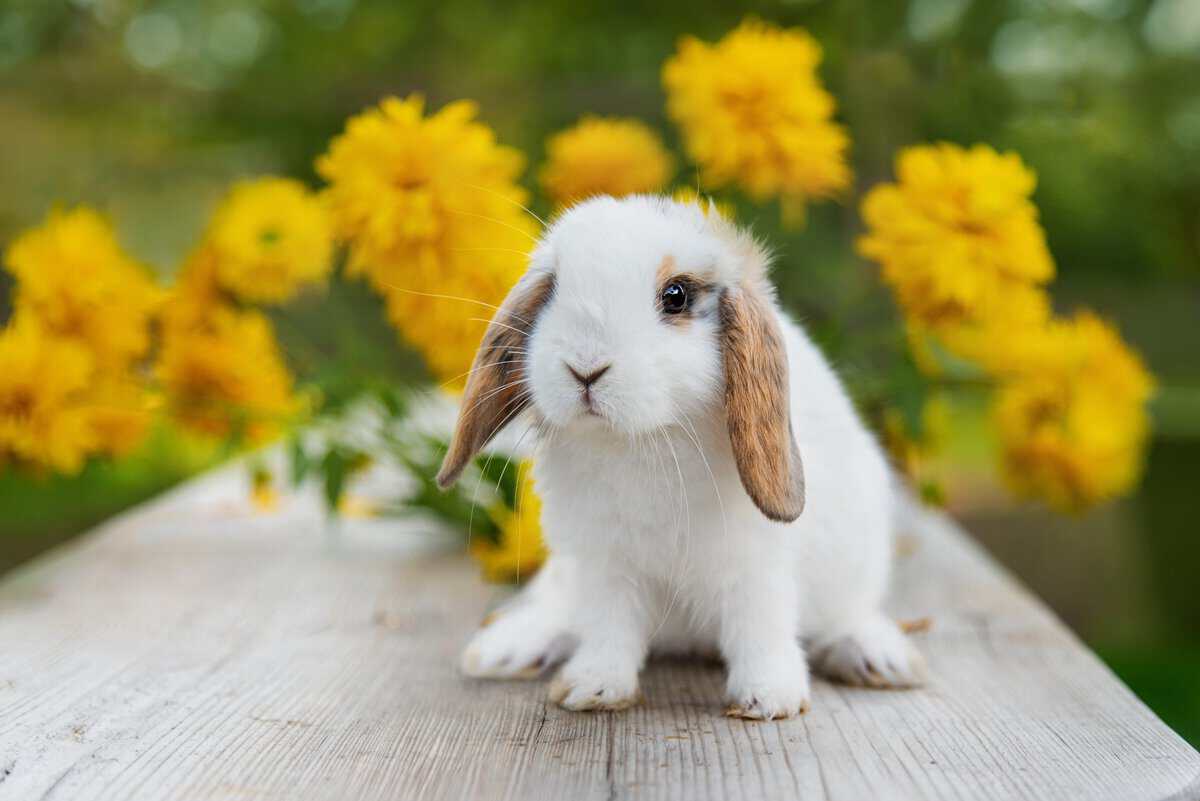
One of the most famous rabbit traditions comes from China. According to ancient legend, a rabbit lives on the moon alongside the moon goddess Chang’e.
The Moon Rabbit is often portrayed preparing the elixir of immortality or creating medicines for the gods.
Because of this role, the creature became associated with longevity, health, and divine blessings.
Families celebrated the Moon Rabbit during festivals connected with the harvest moon and seasonal abundance.
Its image appeared in art, stories, and decorations throughout Chinese history. The rabbit represented more than simple luck.
It symbolized the hope for long life, prosperity, and harmony within the home.
Even today, the Moon Rabbit remains one of East Asia’s most beloved symbols of good fortune.
4. Greeks Associated Rabbits With Love and Prosperity

The ancient Greeks often connected rabbits with love, beauty, and abundance. The animals were especially linked with Aphrodite, the goddess of love.
Since rabbits reproduce quickly, they naturally became symbols of fertility and prosperity.
Owning rabbits could symbolize hopes for a successful family and a prosperous household.
The Greeks admired animals that reflected the growth and energy found in nature, and rabbits fit these ideas perfectly.
Their association with Aphrodite also strengthened their reputation as bringers of happiness and good fortune.
The connection between rabbits and abundance eventually spread into Roman traditions as well.
5. Medieval Europeans Believed Rabbits Protected Against Evil
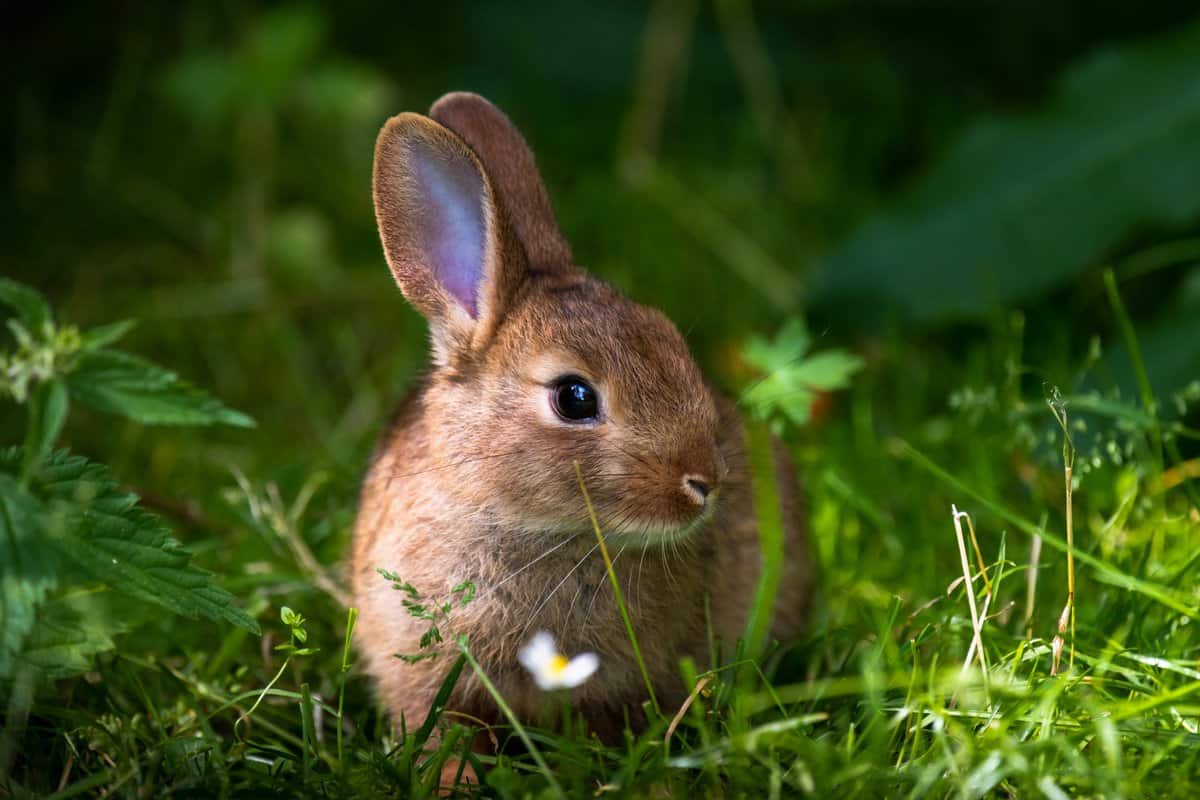
During the Middle Ages, rabbits sometimes appeared in protective folklore. Their speed and awareness of danger made them symbols of vigilance and survival.
Some communities believed carrying rabbit charms or displaying rabbit imagery could ward off bad luck and harmful influences.
The belief eventually evolved into one of the most famous lucky charms in history, the rabbit’s foot.
Although later customs varied greatly, the basic idea remained the same. Part of the rabbit’s fortune was believed to pass to the person carrying the charm.
These traditions show how easily admiration for an animal’s natural abilities could become supernatural symbolism.
Rabbits represented cleverness, escape from danger, and the ability to survive difficult circumstances.
6. Many Cultures Linked Rabbits With the Arrival of Spring
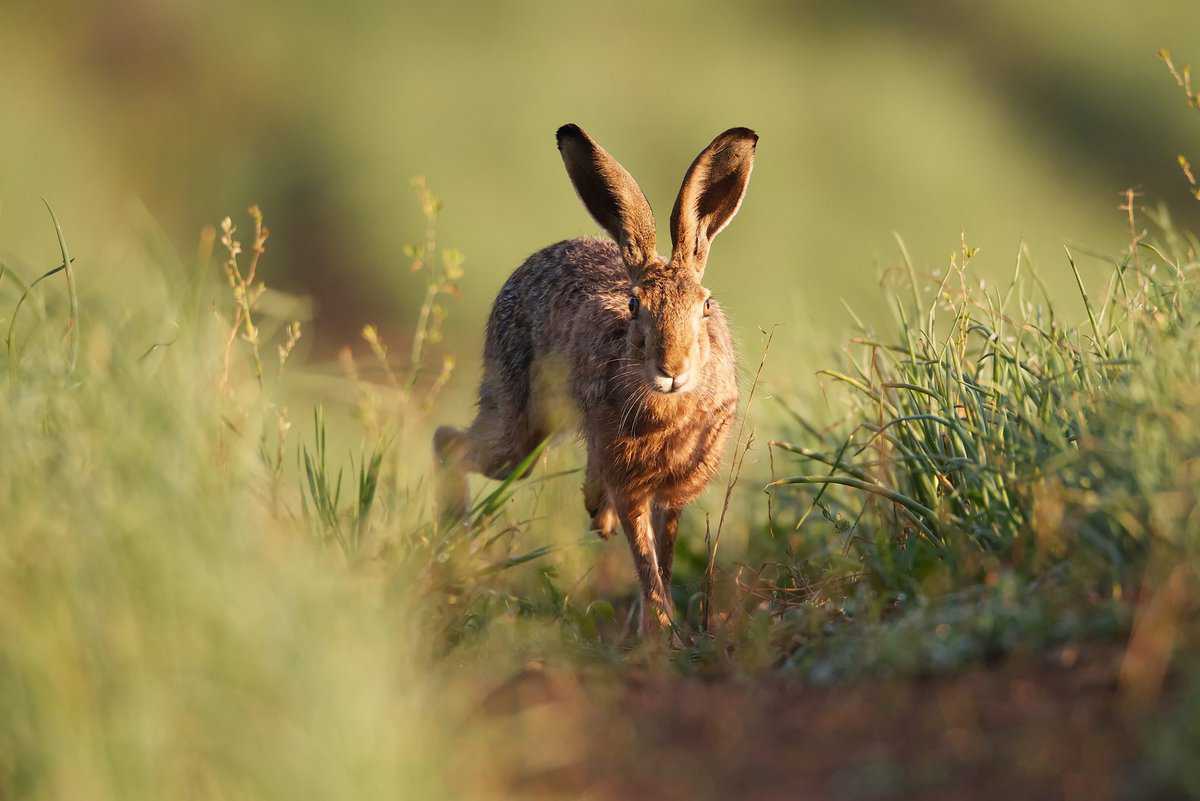
Rabbits became closely associated with spring because they appeared frequently during the season when nature seemed to come back to life.
As flowers bloomed and fields turned green, rabbits could often be seen running through newly awakened landscapes.
Many ancient festivals celebrating fertility and the return of warmer weather included rabbit imagery.
The animal represented growth, abundance, and the promise of future prosperity.
Because spring marked the start of agricultural cycles, symbols connected with the season were viewed as especially lucky.
The rabbit became a reminder that difficult winters eventually give way to new opportunities and growth.
7. Native Traditions Sometimes Saw Rabbits as Clever Helpers

Various Indigenous traditions across North America included rabbits as important figures in stories and legends.
Although beliefs differed greatly between cultures, rabbits often appeared as clever and resourceful characters who used intelligence rather than strength to overcome challenges.
This cleverness became associated with good fortune and survival. The rabbit demonstrated that wisdom and adaptability could be more valuable than power alone.
Stories about rabbit tricksters often taught lessons about creativity, problem-solving, and perseverance.
Communities admired these qualities because they helped people succeed during difficult times.
As a result, rabbits became symbols of favorable outcomes achieved through intelligence and determination.
8. Their Extraordinary Fertility Made Them Universal Symbols of Abundance
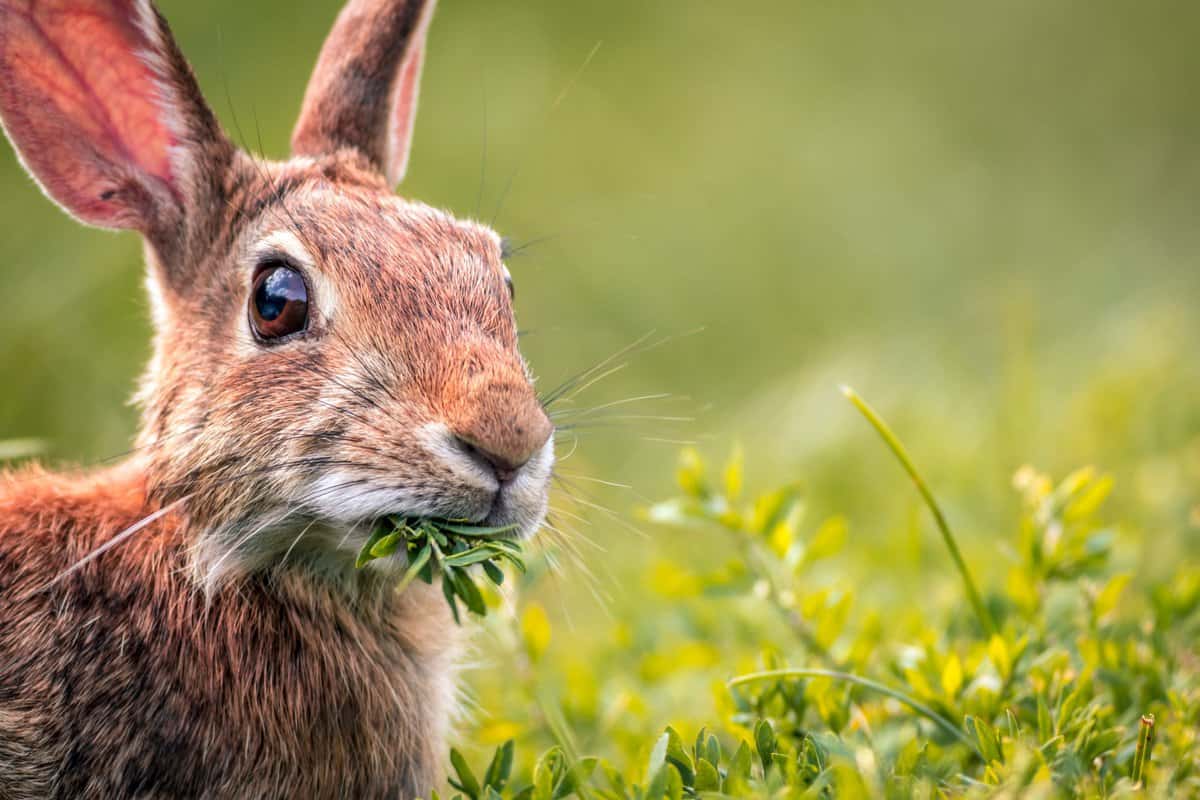
Perhaps the biggest reason rabbits became symbols of good fortune was their incredible ability to reproduce.
Ancient people closely observed nature and often connected abundance in animals with abundance in human life.
A creature that multiplied quickly naturally became associated with prosperity and success.
Families hoped for healthy children, successful harvests, and growing wealth. The rabbit seemed to embody all of these hopes.
Even modern ideas about lucky rabbits often trace their origins back to these ancient observations.
Across continents and centuries, rabbits became far more than small animals hiding in fields and forests.
Their remarkable place in mythology and folklore shows how deeply ancient people looked to nature for signs of fortune and blessings.

私は生まれたときから、常に神との強いつながりを感じていた。作家として、また指導者として、私の使命は、人々が最も暗い時代に愛と幸福と内なる強さを見つけるのを助けることである。