
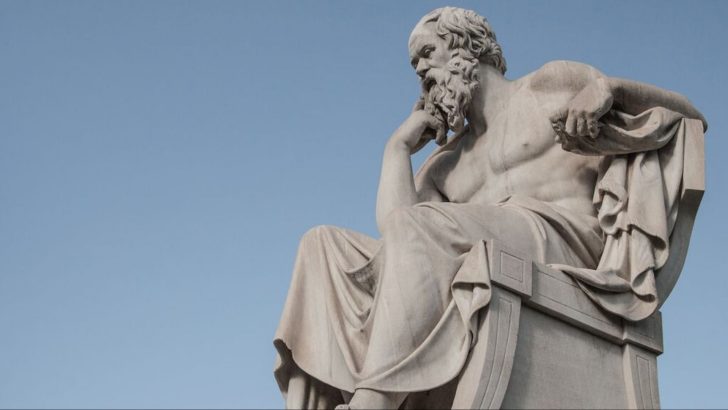
It’s well-known that truly smart people always question how much they really know.
Even if you have a degree or enjoy learning independently, it’s only reasonable to wonder if you know enough.
At the same time, some people still believe the stereotype that a lack of a fancy degree means they’re not educated.
Today, when education is free and accessible, that rule no longer stands.
So, here are some clear signs that you’re more educated than you give yourself credit for!
1. You Know Basic Geography
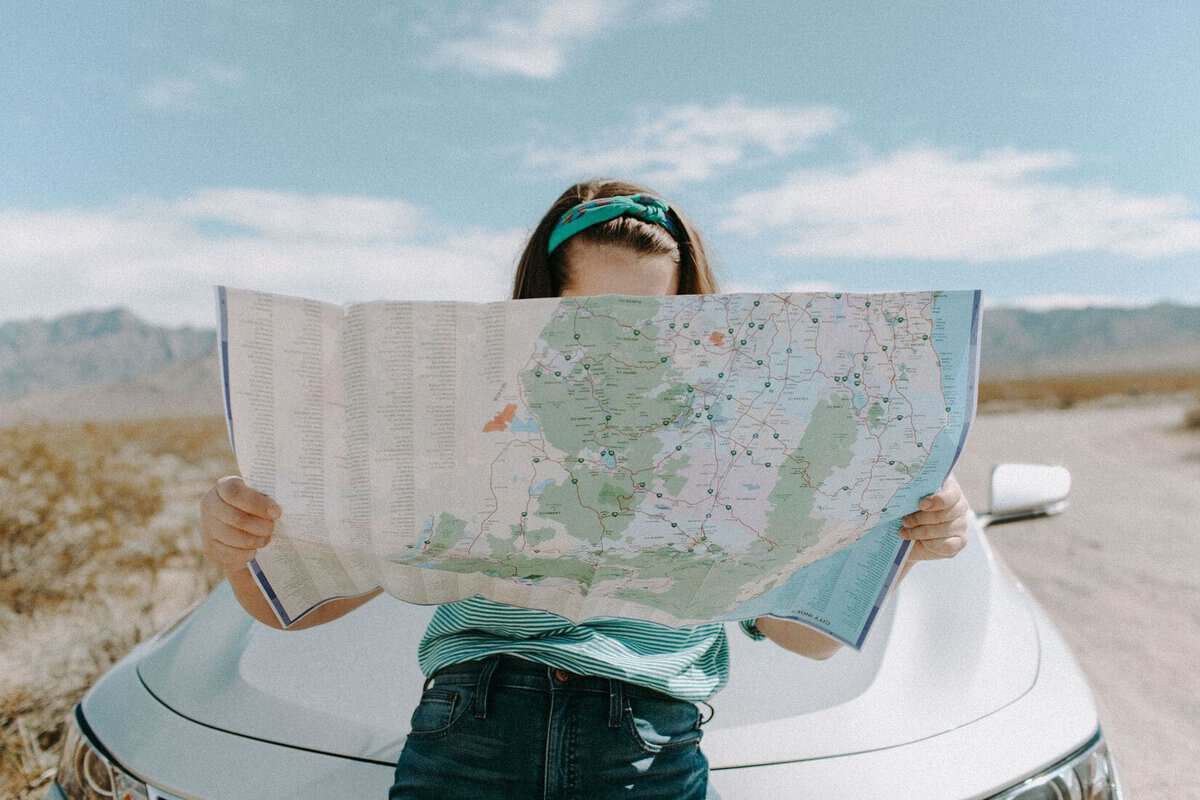
When a foreign country is mentioned, can you instantly picture where it’s located on the globe?
If you know basic world geography without having to turn to Google, you’re definitely more educated than you think!
You’d actually be surprised by how many people have no sense of direction when it comes to the world map.
Now, being educated doesn’t mean knowing every obscure city in the world.
Basic geography means knowing where Brazil is located, or knowing that Australia is both a continent and a country.
This knowledge is 貴重, and not just because it makes you appear clever, but because it can help you get around.
If you’re stranded somewhere with no internet connection, would you be able to use a physical map?
2. You Know Basic History

History tends to be among the most tedious subjects at school, so many people lose interest in ever learning more about it.
But learning things in school and researching things that truly fascinate you are two different things.
So, are you able to reference basic history without looking it up?
If someone mentions the Roman Empire または Industrial Revolution, do you actually understand the timeline of those things and their significance?
If so, then you’re actually well-educated.
People tend to dread history because of all the dates, but they’re actually the least important.
Knowing the century in which something happened is more than enough. Actually understanding the importance and the lessons from history is what matters.
Now, when it comes to your own country, your knowledge should be a bit more extensive.
3. You Can Recognize Important Cultural Movements
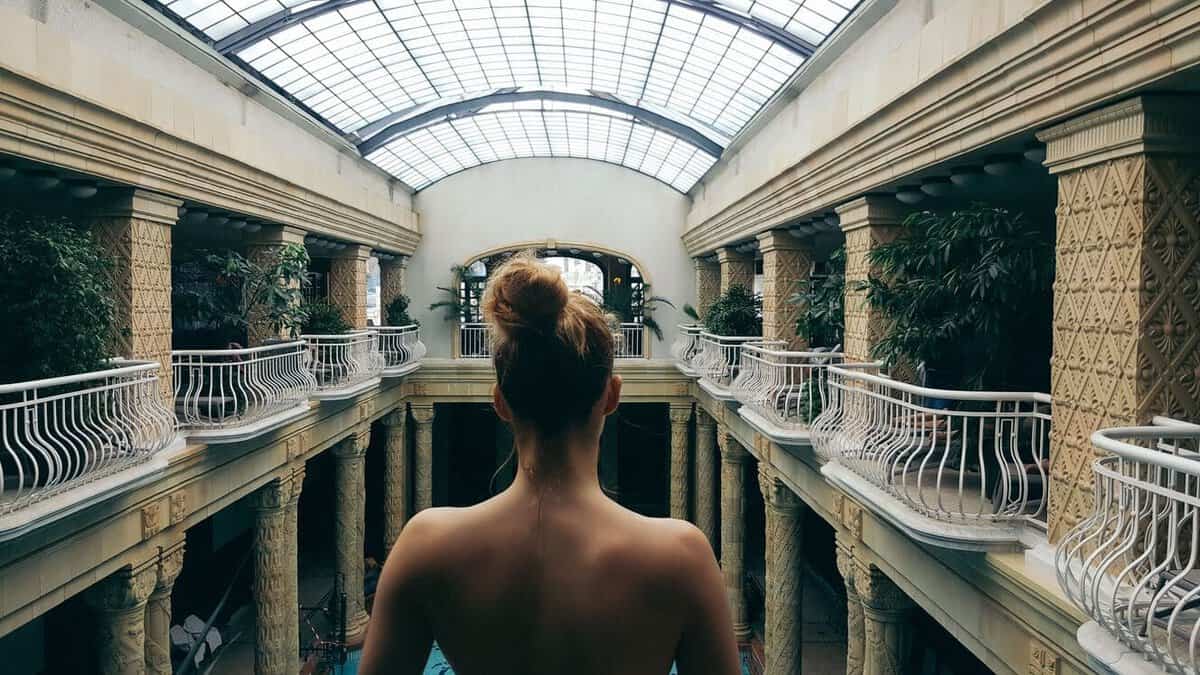
Cultural movements have shaped architecture, music, art, fashion, and thought all throughout history.
They carry the spirit of their time and the historical context. Being able to recognize them in your environment means you’re educated.
For instance, being able to recognize whether an interior was designed in the Art Deco または Art Nouveau style, and the key differences between the two.
When traveling, and you enter an old church, can you tell whether its ornaments are Gothic or Baroque?
These details allow you to understand the inspiration behind the design, and they also let you place the monument in a certain timeframe, even if you don’t know the actual year it was built.
This type of education can also help you create an impressive personal style and 自分を表現する より良い。
4. Classical Ideas Don’t Fly Over Your Head
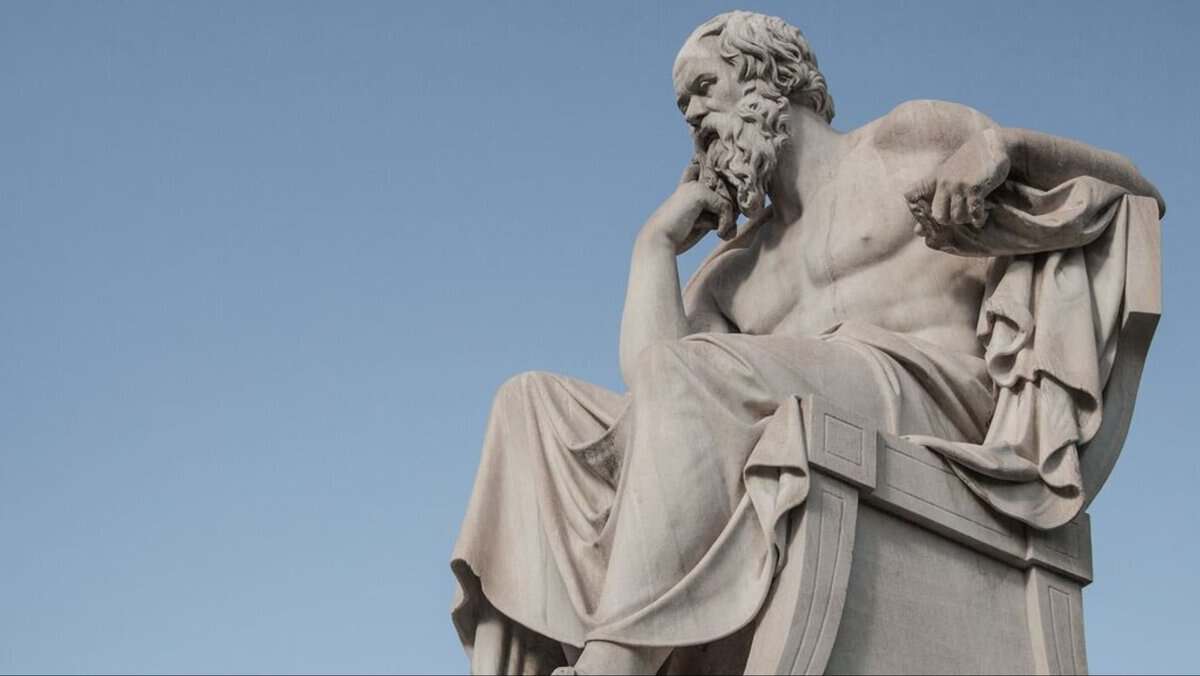
Picture this: You’re listening to a podcast that references a classical thinker. Do you understand what they’re talking about?
If you educate yourself about the most important classical philosophers, you’ll be able to follow conversations about Socrates or Freud without feeling totally lost.
It’s quite humbling when you feel like you have nothing to bring to the conversation, so this knowledge can also make you feel better about yourself.
When you hear the words “Socratic method,” do you know that they simply mean asking the right questions to reach the truth?
Even though this is classical knowledge, it doesn’t require classical education.
You can learn the basics from YouTube, social media, and short history books.
5. You Pronounce Words Correctly
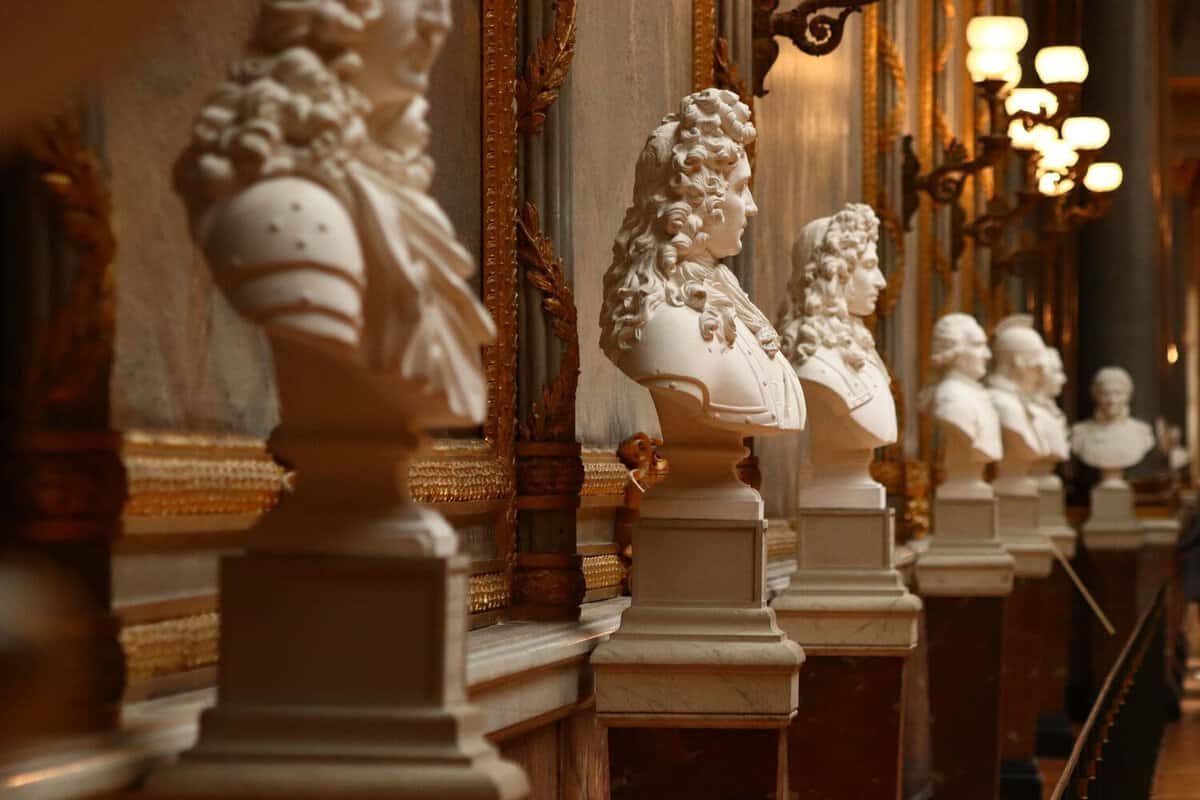
Nothing gives away a lack of education like butchering a famous name or place.
Words like Versailles そして Chopin can be tricky for English speakers because many people apply English spelling to foreign words.
Becoming educated is sometimes as simple as Googling the right pronunciation of words.
It also means paying attention when watching movies or listening to educated speakers and absorbing what you hear.
When you say these names correctly, it signals to the world that you are culturally literate, which shapes how people perceive you.
And the way people perceive you shapes how they treat you!
6. You Keep Track of Global News

Current events, especially things like wars and protests, can be upsetting to hear about.
Ancient warfare is fun to learn about because it’s so far removed from real life. It’s all epic and heroic, and creates no real consequences in our lives.
But current unrest affects the entire world thanks to globalism.
Still, despite the discomfort, it’s important to educate yourself on these matters.
Knowing the basic information about NATO, the EU, and trade wars helps you make informed decisions あなたの人生の中で。
For instance, you planned to buy a car that uses a certain type of fuel, but gas prices are about to skyrocket again!
You know the major presidents and the basics of modern politics and the economy.
This knowledge isn’t just for showing off; it’s very practical.
7. Linking the Facts Together

Finally, what really makes you educated is being able to connect isolated facts. The history constantly repeats itself, so being able to spot those patterns really makes you stand out.
Your brain naturally links geography to history, and history to art, and art to current events.
This helps you see the 世界 として 相互接続 rather than a bunch of boring subjects.
A truly educated person sits with their knowledge and digests it, which allows them to draw independent conclusions from the information they have.
This improves your problem-solving skills and helps you see the bigger picture.

A little Aquarius, devoted to writing and embroidery. Through my writing, I hope to empower readers to align with their true selves and navigate life’s mysteries with confidence.