
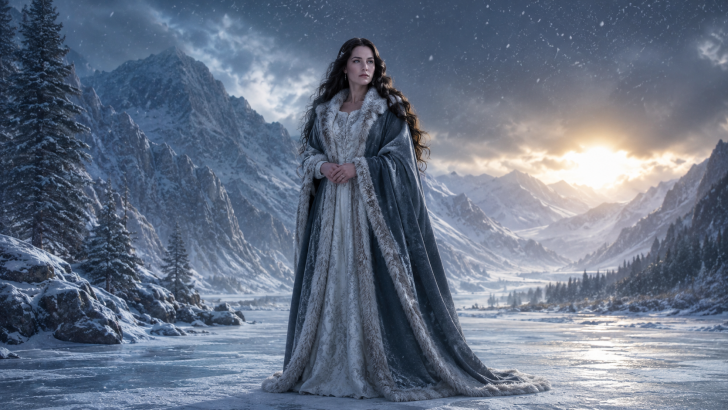
Across different cultures, goddesses and legendary women became connected with snow, cold weather, mountains, seasonal death, storms, darkness, and the return of spring.
Some represented winter directly, while others ruled natural forces that ancient people strongly associated with the coldest months.
Like winter itself, these figures have very different personalities. Some are fierce and independent.
Others represent patience, transformation, wisdom, or the quiet strength required to survive difficult seasons.
The twelve zodiac signs can be matched with these qualities surprisingly well.
Here are twelve winter goddesses and legendary female figures for the twelve zodiac signs.
1. Aries – Skadi

Bold Aries finds its perfect winter match in Skadi, the powerful Norse goddess associated with mountains, skiing, hunting, and the frozen wilderness.
Skadi is fiercely independent. After her father Thjazi is killed by the gods, she travels armed to Asgard and demands compensation.
Rather than quietly accepting what happened, she confronts some of the most powerful beings in existence. That courage immediately suits Aries.
Both Skadi and Aries would rather face a difficult situation directly than wait for somebody else to solve it.
Skadi also prefers her cold mountain home to the peaceful seaside environment favored by her husband Njord.
She knows where she belongs and refuses to change herself simply to please someone else. Aries carries the same stubborn independence.
2. Taurus – Holda
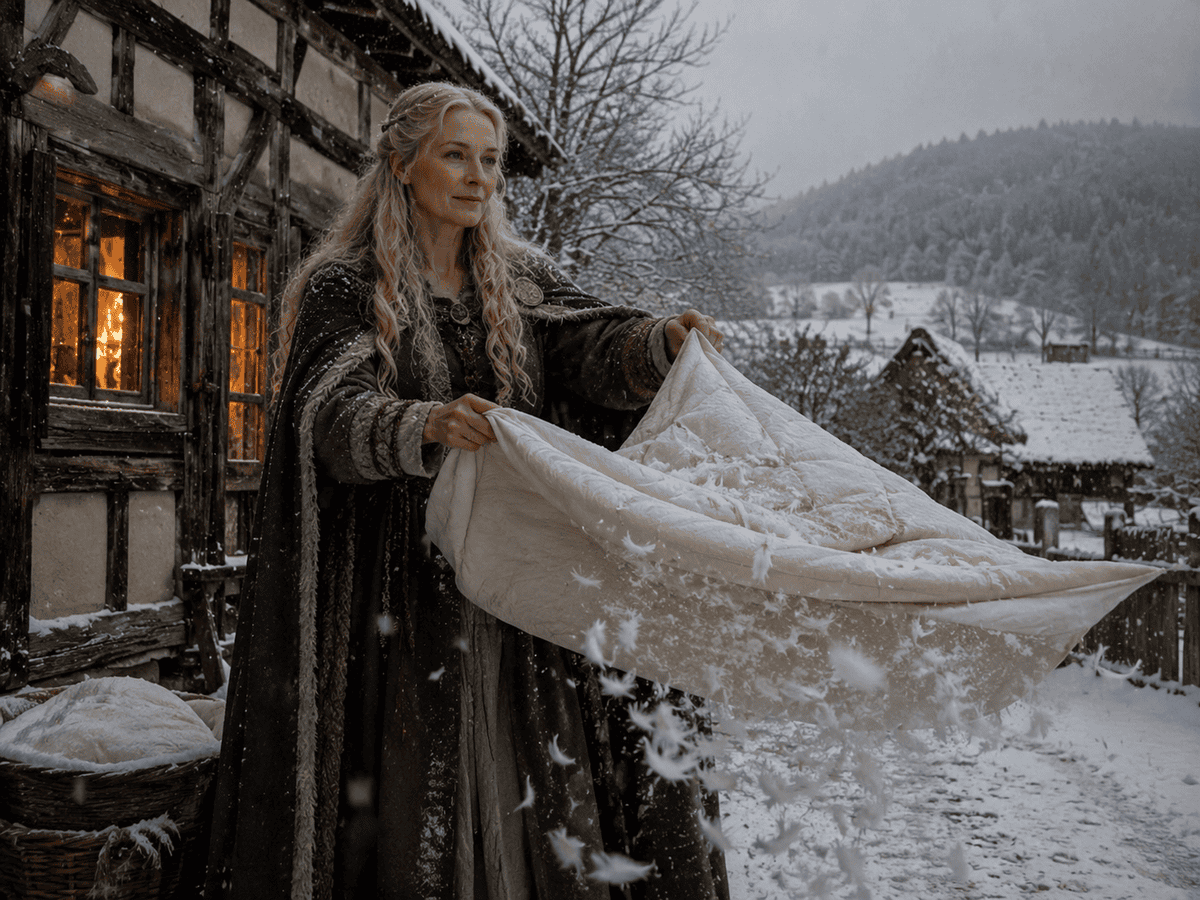
Grounded Taurus reflects Holda, a mysterious female figure from Germanic folklore associated with household work, spinning, agriculture, weather, and winter.
One famous tradition connects falling snow with Holda shaking out her feather bedding. This domestic image makes her an excellent match for Taurus.
Taurus appreciates comfort, warmth, food, stability, and the security of a peaceful home, especially when the outside world becomes cold.
Yet Holda is not simply gentle. Folklore portrays her as someone who rewards hard work and may punish laziness.
That quality also suits determined Taurus. Both value consistency and effort.
3. Gemini – Khione
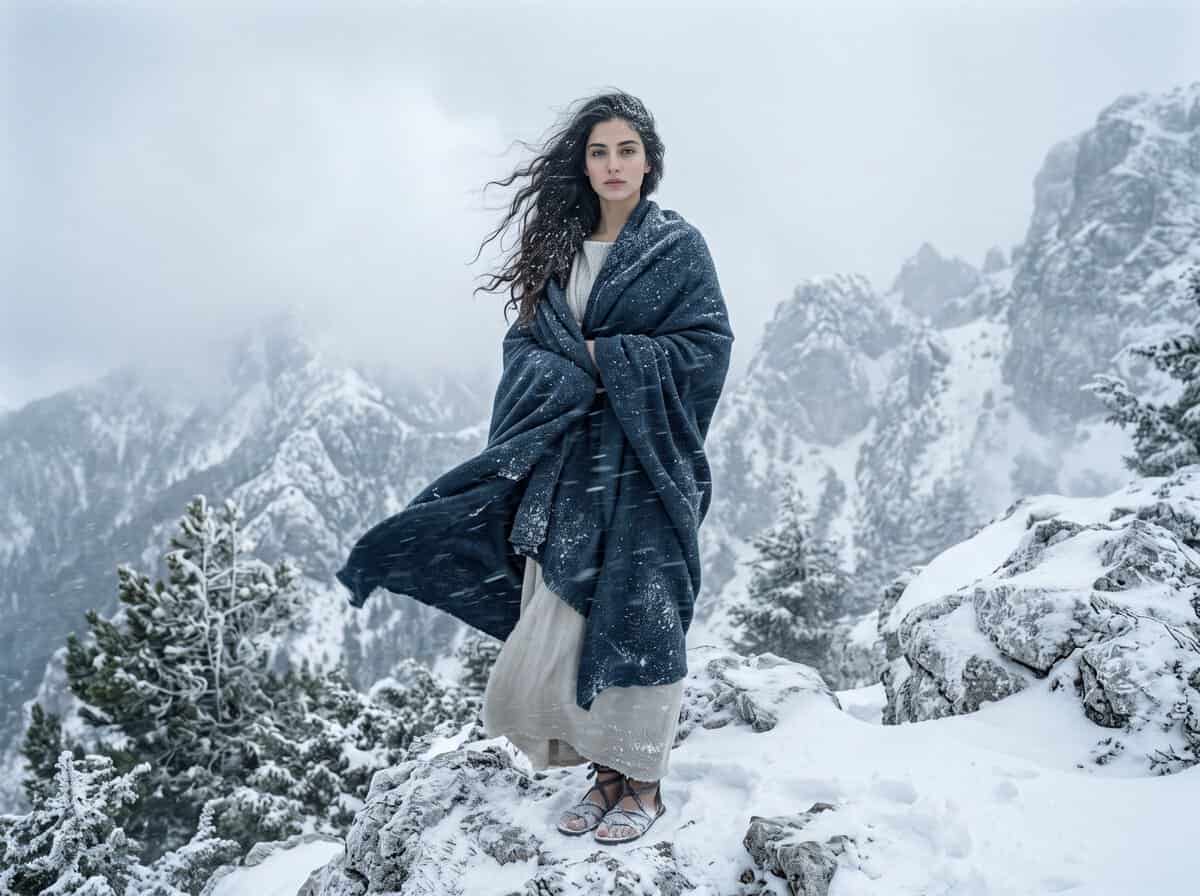
Quick and unpredictable Gemini matches Khione, a Greek figure associated with snow.
Khione was traditionally described as the daughter of Boreas, the powerful god of the north wind, and Oreithyia.
Her family naturally connects her with the freezing winds of the north. Snow itself makes a fitting symbol for Gemini.
It can arrive suddenly, completely transform a landscape, disappear quickly, and return when nobody expects it.
Gemini possesses a similarly changeable energy. This sign is curious, adaptable, social, and constantly moving between different ideas.
Khione’s connection with cold northern winds also reflects Gemini’s association with the element of air. Both carry something difficult to hold.
4. Cancer – Beiwe
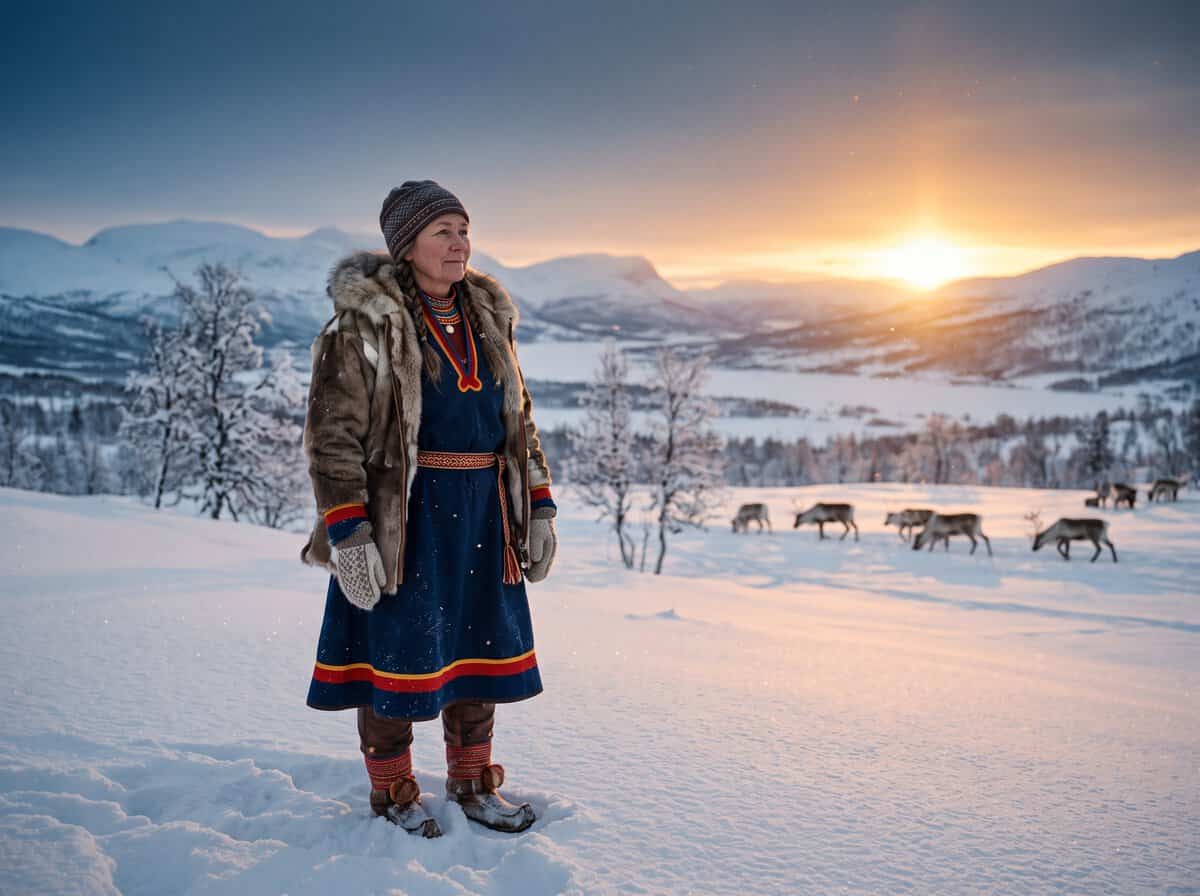
Sensitive Cancer finds a meaningful match in Beiwe, a solar figure associated with Sámi tradition and the return of light during the dark northern winter.
Beiwe is connected with the sun, seasonal renewal, and wellbeing. This makes Beiwe especially fitting for Cancer.
In Arctic and subarctic environments, the return of sunlight after the long darkness of winter carries enormous importance.
Cancer is traditionally nurturing and protective, often becoming the person who provides comfort when others are struggling.
Beiwe similarly represents hope during a difficult season. Her symbolism is not the freezing power of winter itself, but the warmth people wait for while winter continues.
Cancer understands that kind of emotional patience. Both represent the quiet reassurance that darkness is temporary.
5. Leo – Amaterasu
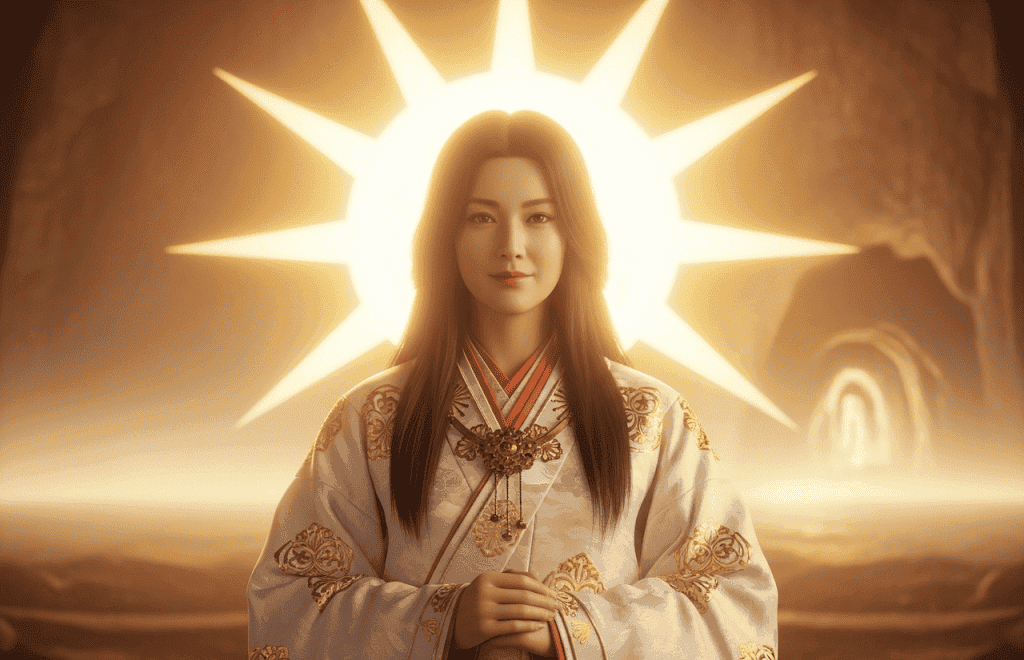
Radiant Leo reflects Amaterasu, the Japanese goddess of the sun. Like Leo, she is complicated too.
Amaterasu is not a winter goddess, but one of her most famous myths makes her an excellent representative of winter’s relationship with disappearing and returning light.
After withdrawing into a cave, Amaterasu leaves the world without her radiance. The other deities eventually persuade her to emerge, restoring light.
This story strongly suits Leo. Leo is ruled astrologically by the Sun and is traditionally associated with warmth, confidence, visibility, and creative energy.
Winter makes sunlight feel especially precious. A bright winter morning can completely transform a frozen landscape.
Amaterasu represents that brilliance. Her story also reminds Leo that withdrawing can affect the people around them more than they realize.
6. Virgo – Demeter
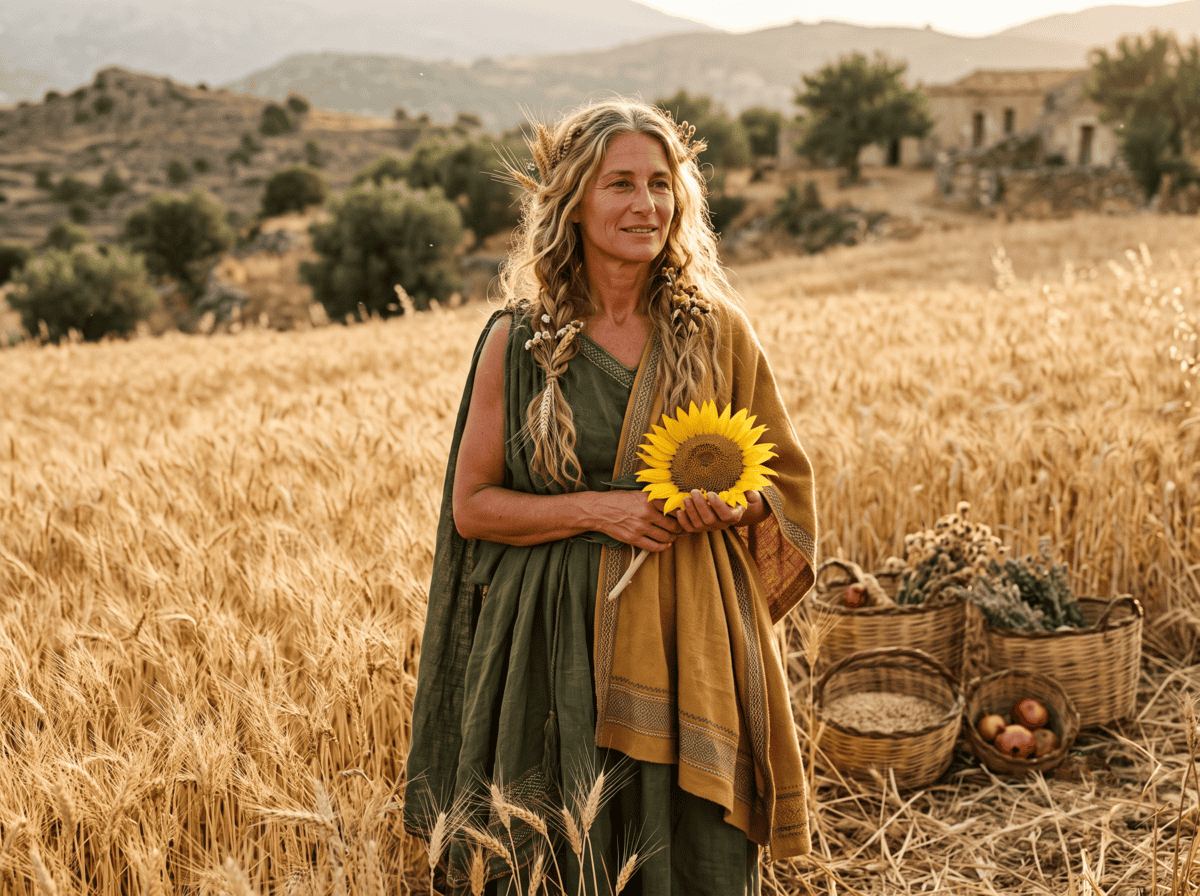
Virgo matches Demeter, the Greek goddess of agriculture and grain.
Demeter is also not technically a goddess of winter, yet one of Greek mythology’s most famous stories connects her directly with the seasonal decline of the earth.
When Persephone is taken to the underworld, Demeter grieves and withdraws her fertility from the land. Plants stop growing.
The agricultural world becomes barren until mother and daughter are eventually reunited.
Virgo is an earth sign associated with harvest, work, organization, and practical care. Demeter embodies all of these qualities.
Her mythology also reveals how fragile abundance can be. Fields require attention, seasons must be respected, and food cannot be taken for granted.
7. Libra – Marzanna
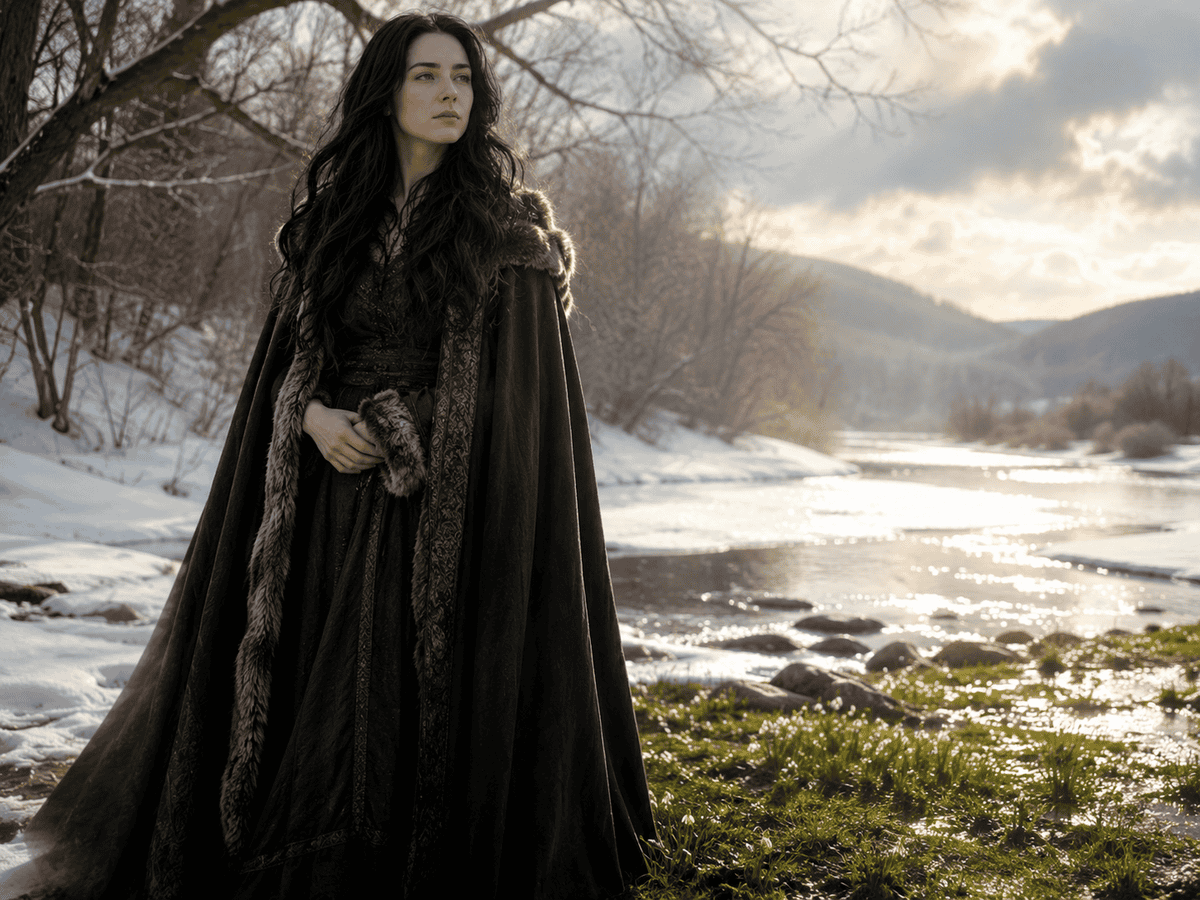
Libra reflects Marzanna, also known as Morana or Morena, the Slavic female figure strongly associated with winter and seasonal death.
At first, this may seem like a surprisingly dark choice for harmony-loving Libra. Yet Marzanna represents balance in one of its most powerful forms.
Winter cannot remain forever. Traditional seasonal customs involving a Marzanna effigy symbolically remove winter so that spring can arrive.
One season must surrender its place to another. Libra understands this constant search for equilibrium.
The sign is traditionally associated with balance, fairness, and opposing forces finding their proper relationship.
Marzanna represents the same principle on a seasonal scale. Life and death, warmth and cold, growth and decline continually replace one another.
Her winter symbolism reminds Libra that true balance does not mean preventing change.
8. Scorpio – Persephone
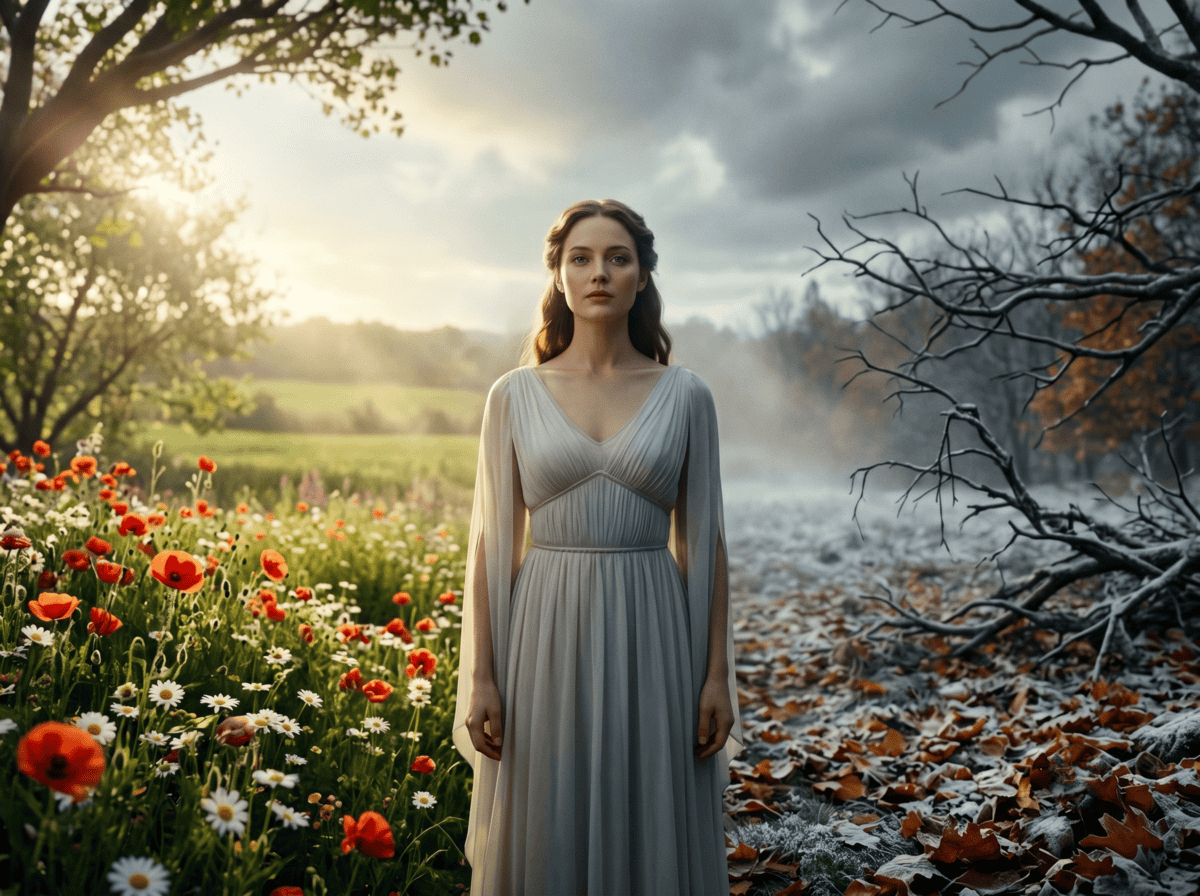
Mysterious Scorpio belongs with Persephone. Her journey between worlds perfectly reflects Scorpio.
Although primarily known as queen of the Greek underworld and daughter of Demeter, Persephone became deeply connected with seasonal changes.
Scorpio is traditionally associated with death, transformation, hidden knowledge, and rebirth. Persephone experiences all of these themes.
She moves between the world above and the realm of the dead, occupying a position that belongs completely to neither.
Winter represents the hidden stage of this cycle. The fields appear lifeless, but life has not permanently disappeared.
It waits beneath the surface. Scorpio carries the same symbolism. This sign understands transformation as something that frequently begins in darkness.
9. Sagittarius – Cailleach
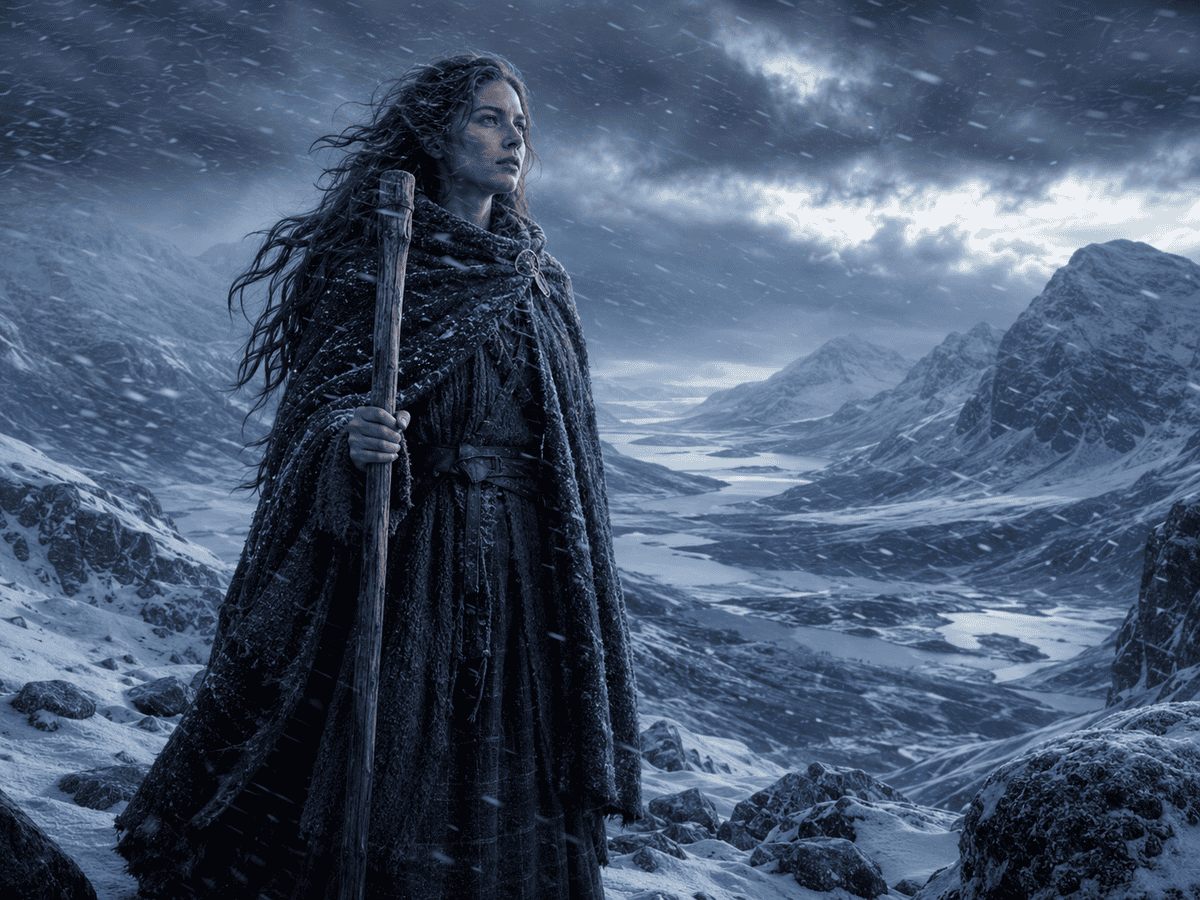
Wild Sagittarius finds an excellent match in the Cailleach, the powerful divine or folkloric hag associated with landscapes, storms, mountains, and winter in Gaelic traditions.
The Cailleach belongs to rugged places. Stories connect her with mountains and the shaping of landscapes, while seasonal traditions fpresent her as a figure of winter.
She is enormous in personality and impossible to domesticate. Sagittarius shares that freedom-loving spirit.
This sign wants distant horizons, open landscapes, and experiences beyond familiar boundaries.
A frozen mountain range would not necessarily look hostile to Sagittarius. It might look like somewhere waiting to be explored.
The Cailleach also represents nature without concern for human convenience. Storms arrive when they arrive.
Mountains remain where they stand. Both she and Sagittarius resist being confined by expectations.
10. Capricorn – Louhi
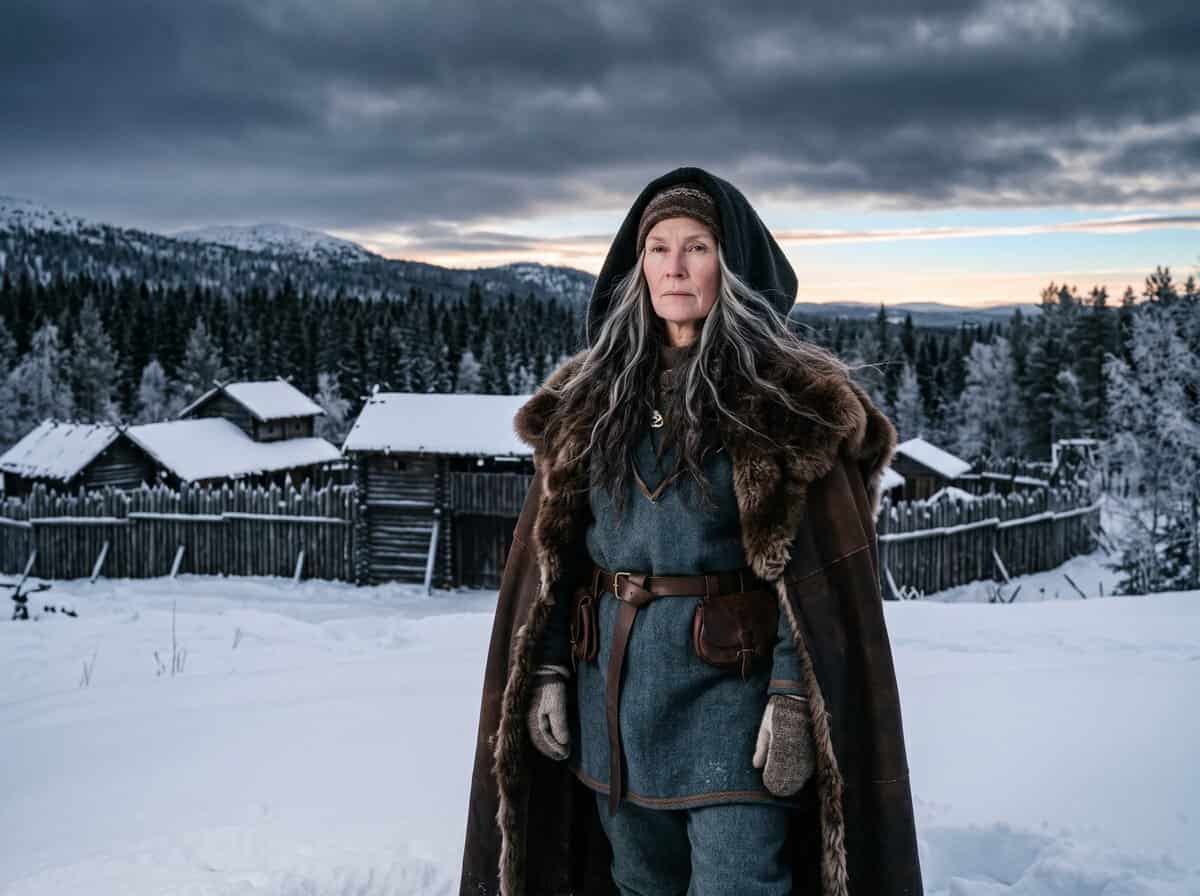
Determined Capricorn reflects Louhi, the formidable mistress of Pohjola in the Finnish Kalevala.
Louhi is not simply a winter goddess, and describing her that way would oversimplify her role.
However, Pohjola is portrayed as a distant northern realm, and Louhi becomes associated with powerful magic, hardship, darkness, and the dangerous north.
That atmosphere makes her a natural match for Capricorn. Louhi is intelligent, demanding, strategic, and extremely difficult to defeat.
She sets enormous challenges for those seeking something from her. Capricorn understands that mentality.
This sign rarely expects important achievements to come without effort. Both figures respect competence.
Louhi’s northern world feels like a mythological version of Capricorn’s mountain: cold, difficult, intimidating, but possible to cross through determination.
11. Aquarius – Poliʻahu
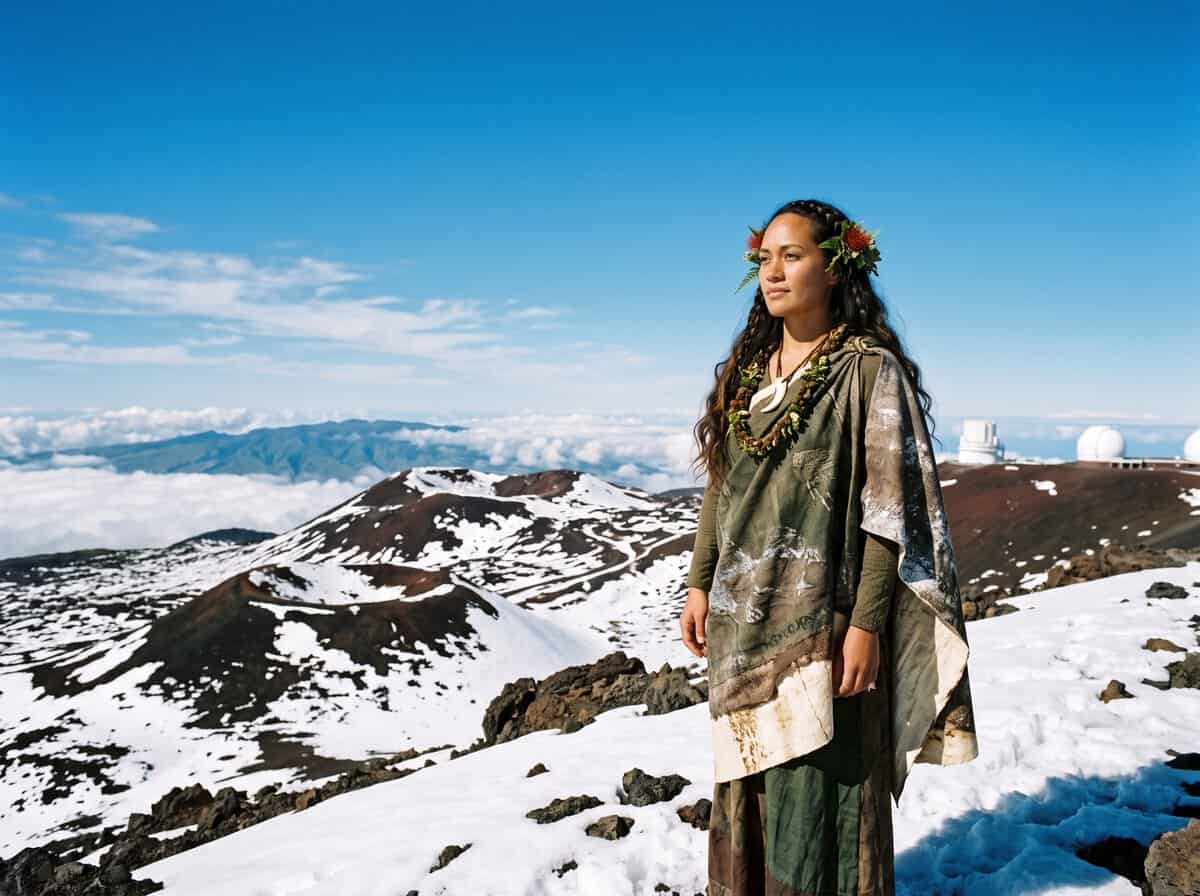
Independent Aquarius matches Poliʻahu, the Hawaiian goddess associated with snow on Mauna Kea.
A snow goddess from Hawaiʻi immediately challenges what many people expect from winter mythology. That alone makes her perfect for Aquarius.
Poliʻahu belongs to the high, cold environment of Mauna Kea and appears in traditions involving other powerful forces of the Hawaiian landscape.
Her connection with snow demonstrates how dramatically conditions can change with elevation even within a tropical region.
Aquarius is similarly associated with originality and unexpected perspectives. This sign rarely enjoys being placed inside simple categories.
12. Pisces – Berchta
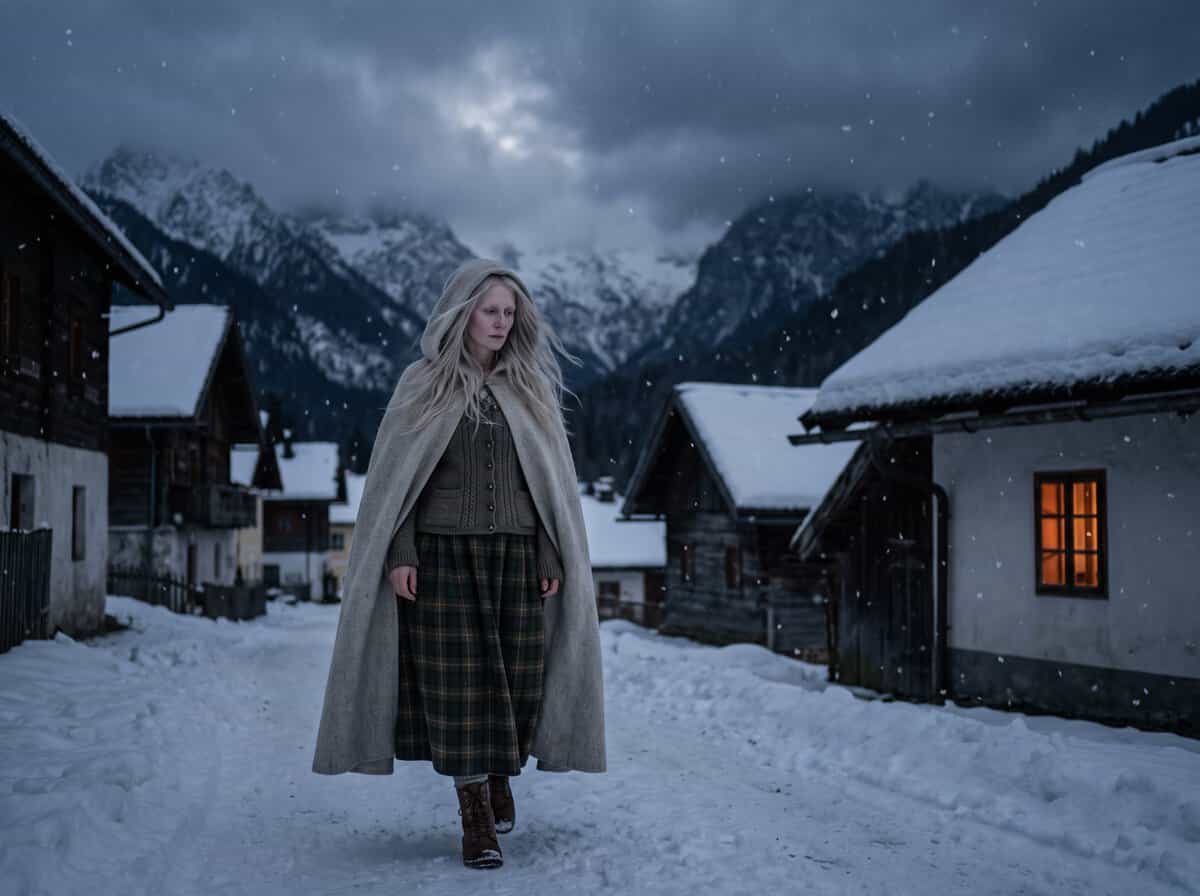
Dreamy Pisces reflects Berchta, a mysterious female figure from Alpine and German-speaking folklore.
Berchta is associated with the winter season, particularly traditions surrounding the darkest period of the year. Stories about her vary considerably.
She can appear beautiful in some traditions and frightening in others, rewarding those who behave properly while punishing those who violate expectations.
This shifting identity suits Pisces surprisingly well. Pisces belongs to imagination, dreams, intuition, and worlds where boundaries become difficult to define.
Berchta occupies a similar space between older supernatural tradition and later folklore.
She can feel like a goddess, spirit, mysterious visitor, and cautionary figure at the same time. Winter nights provide the perfect atmosphere for her.

私は生まれたときから、常に神との強いつながりを感じていた。作家として、また指導者として、私の使命は、人々が最も暗い時代に愛と幸福と内なる強さを見つけるのを助けることである。