

Satan is one of the most feared figures in Christianity, but biblical tradition never presents him as God’s equal. That distinction matters.
Movies, horror stories, and popular folklore sometimes portray Satan as if he were an independent ruler possessing almost unlimited supernatural power.
Christian theology presents a very different picture. Satan may tempt, deceive, accuse, and oppose, but he remains a created being whose power has limits.
Here are ten things Satan cannot do according to Christian teachings.
1. Satan Cannot Become Equal to God

Perhaps the biggest misunderstanding is imagining God and Satan as two opposite but equal supernatural powers.
Christianity does not teach this. God is the Creator. Satan is a created being.
No matter how much influence or supernatural power Christian tradition attributes to Satan, he never reaches God’s level.
He cannot become another God, overthrow God’s ultimate authority, or create an independent universe outside divine sovereignty.
This makes Christianity different from a completely dualistic worldview in which good and evil possess equal power.
The biblical conflict may appear enormous from the human perspective, but its final outcome is never presented as uncertain.
Satan opposes God. He does not rival God as an equal. That limitation affects everything else Christians believe about his abilities.
2. Satan Cannot Know Everything
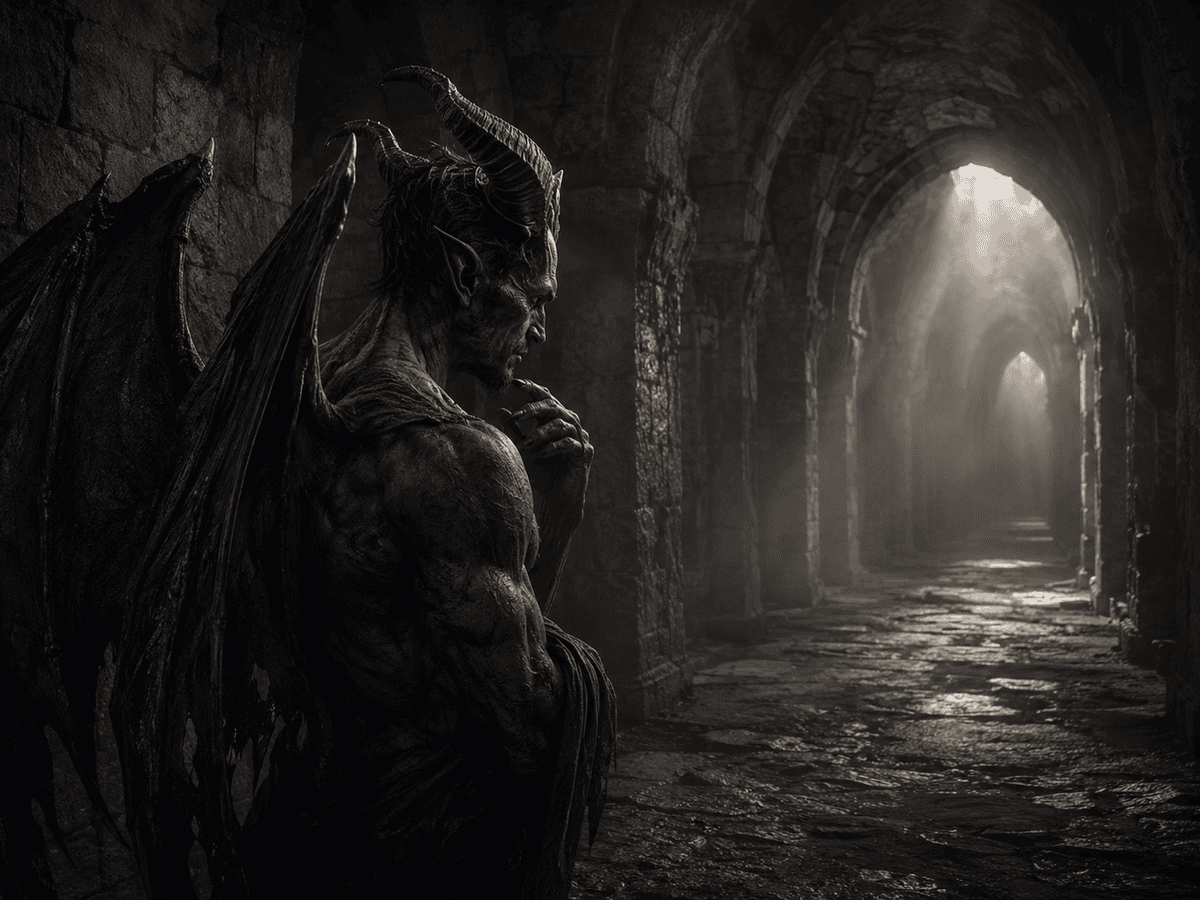
Christian theology describes God as omniscient, meaning that God’s knowledge is complete. Satan is never given that attribute.
He may be portrayed as intelligent, observant, deceptive, and experienced with human weakness, but that is very different from knowing everything.
He can observe patterns. He can recognize behavior. He can understand human tendencies.
But he does not possess unlimited knowledge of every event across all time.
This is an important distinction because popular stories sometimes make Satan appear almost impossible to surprise.
Biblical Christianity does not require that conclusion. A powerful spiritual being can still have limitations.
Satan may understand far more than humans do in Christian thought, but intelligence should never be confused with omniscience.
3. Satan Cannot Be Everywhere at Once

Another ability Christianity reserves for God is omnipresence. God is not limited to one physical location. Satan is.
This means the common expression “Satan is tempting me” does not necessarily mean Christians believe Satan personally appears beside every individual experiencing temptation.
The New Testament also discusses the world, sinful human desires, and other spiritual forces when explaining evil and temptation.
Christian tradition therefore contains a much larger spiritual picture than one devil personally following billions of people.
Satan may possess influence, but he himself is not everywhere simultaneously. That ability belongs to God alone.
4. Satan Cannot Force Someone to Sin
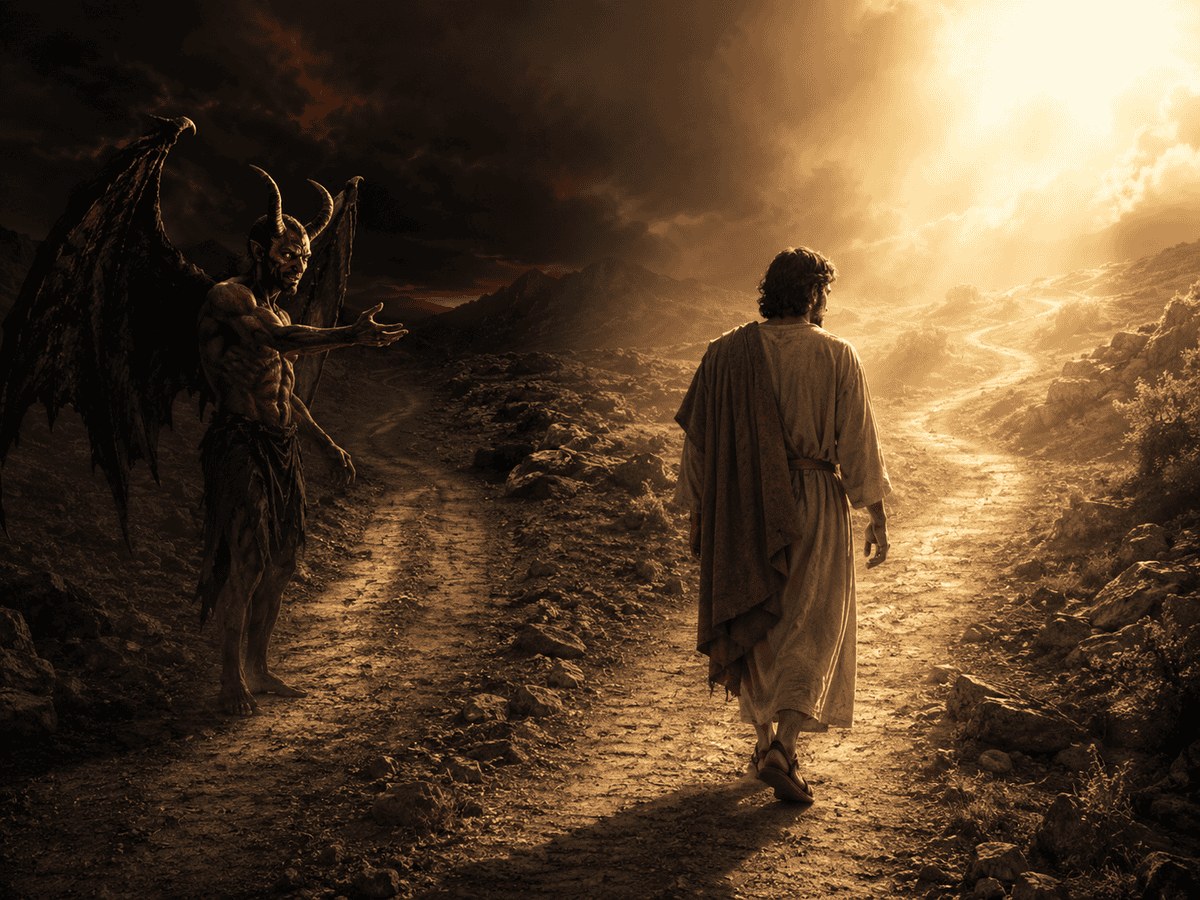
Temptation is not the same thing as control. Christian teachings describe Satan as a tempter, but humans are still treated as morally responsible for their choices.
If Satan could simply force people to commit wrongdoing against their will, that responsibility would make little sense.
James 1 also connects temptation with human desires, showing that Christianity does not blame every wrong choice entirely on an external spiritual enemy.
Satan may deceive. He may tempt. He may attempt to make something destructive look attractive.
But the biblical response is still to resist. This is why Scripture repeatedly calls people to self-control, wisdom, repentance, and obedience.
The existence of temptation does not remove human agency.
5. Satan Cannot Read the Human Heart Like God
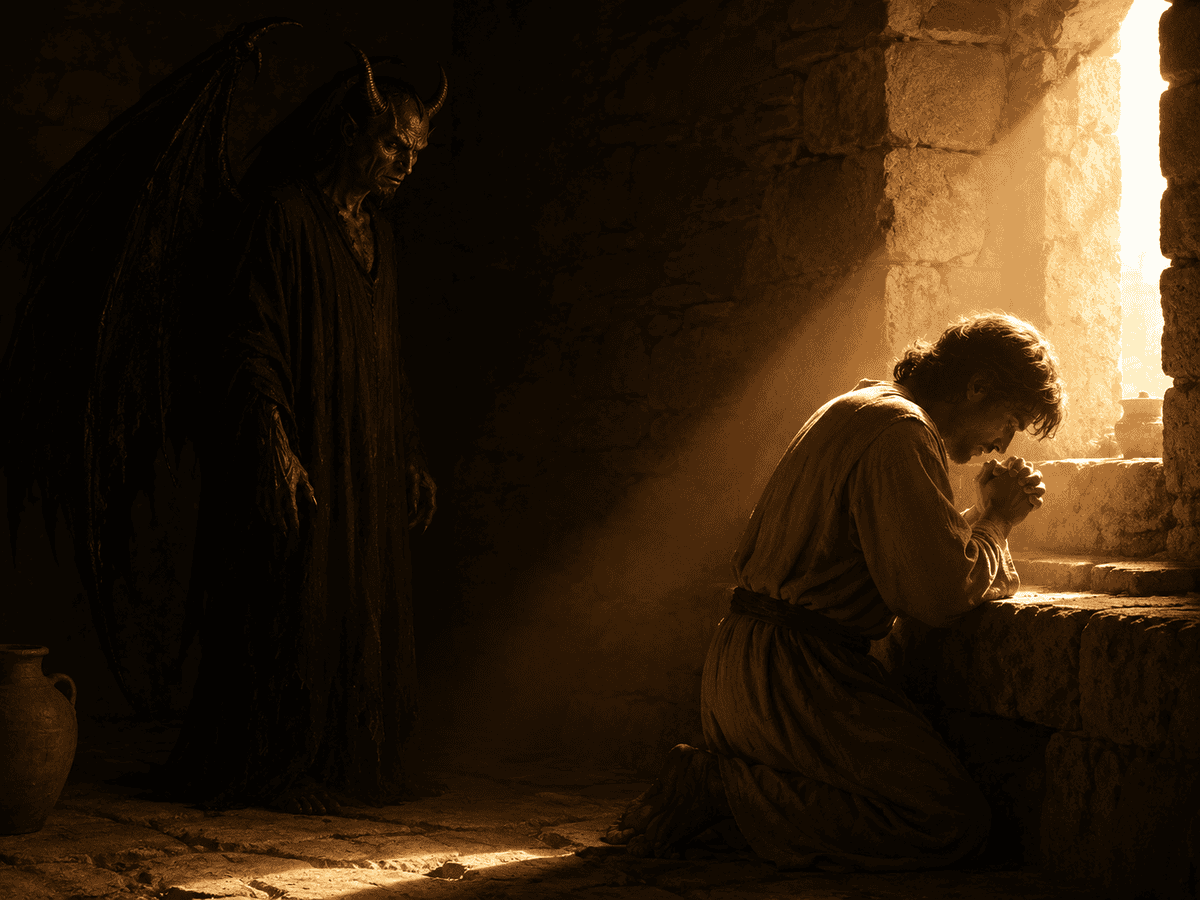
The Bible repeatedly presents God as knowing the deepest parts of human beings.
God knows motives, thoughts, intentions, and what exists within the heart.
Christian tradition does not clearly give Satan the same unlimited access.
Some Christians believe spiritual beings may infer thoughts through behavior, words, habits, and circumstances.
After observing humans for a long time, a deceptive being would theoretically become very good at predicting reactions.
But prediction is not the same as perfect knowledge. This distinction can be reassuring within Christian thought.
A person’s private relationship with God does not exist under the authority of Satan.
God’s knowledge of the human heart is presented as unique and complete.
6. Satan Cannot Do Anything Without Limits

The book of Job provides one of the clearest biblical examples of limitations being placed upon Satanic activity.
The satan challenges Job’s faithfulness, but he does not simply receive unlimited freedom to do whatever he wants. Boundaries are established.
Christians interpret this passage in different ways, especially because the figure called “the satan” in Job belongs to an ancient biblical context.
Still, the theological lesson became extremely influential. Evil does not operate outside all limits.
Satan is not an independent ruler who can simply ignore divine authority.
Even when biblical stories allow frightening spiritual opposition, God’s sovereignty remains greater.
7. Satan Cannot Successfully Tempt Jesus Into Sin
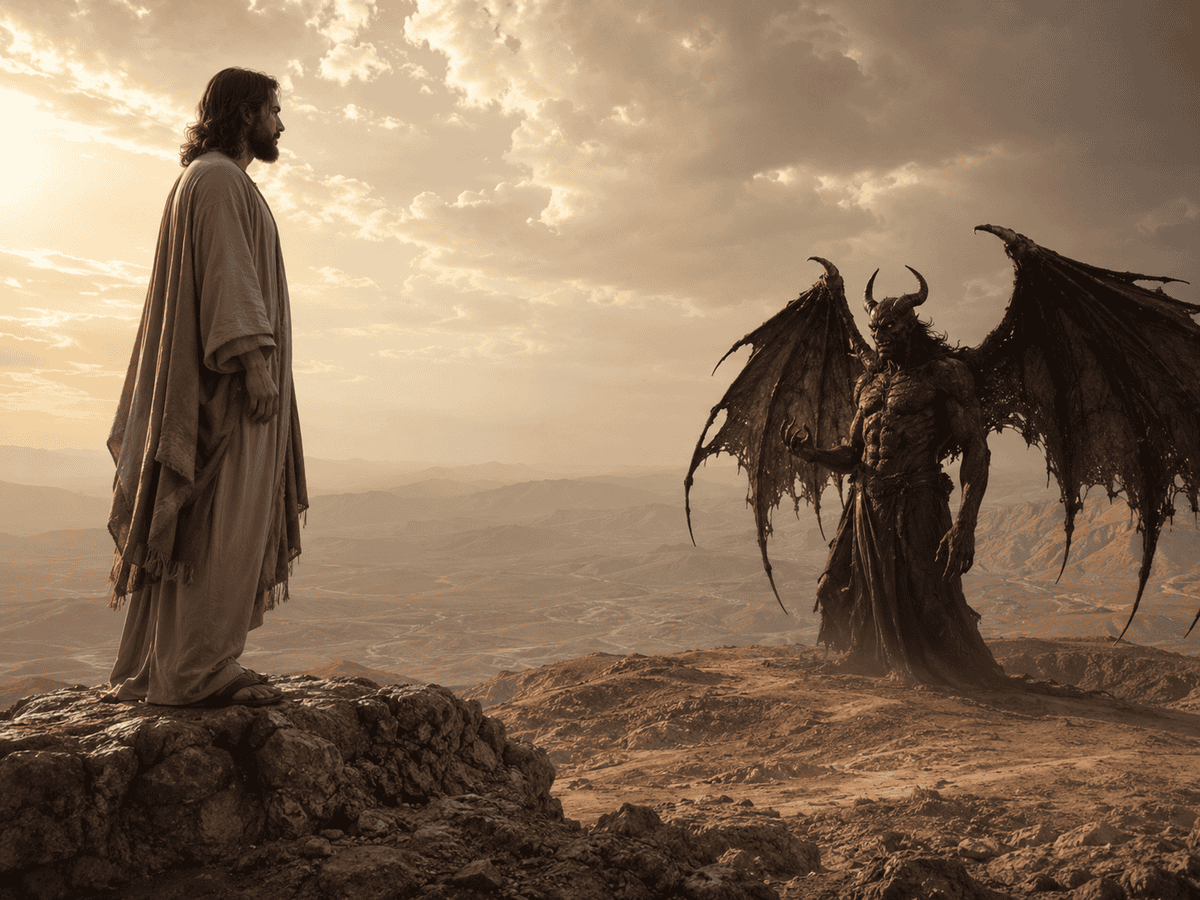
The temptation of Jesus provides one of the New Testament’s clearest confrontations between Christ and Satan.
In the wilderness, Satan presents several temptations. Jesus rejects each one.
The story is important because Satan does not gain control over Jesus. He can present temptation, but he cannot force obedience.
Jesus answers using Scripture and remains faithful to his mission.
Within Christian theology, this event demonstrates something much larger than one successful resistance to temptation. Christ remains without sin.
Satan can offer shortcuts, worldly authority, or opportunities to misuse power, but he cannot make Jesus abandon his obedience to God.
The encounter establishes the difference between temptation being offered and temptation succeeding.
8. Satan Cannot Cancel God’s Forgiveness
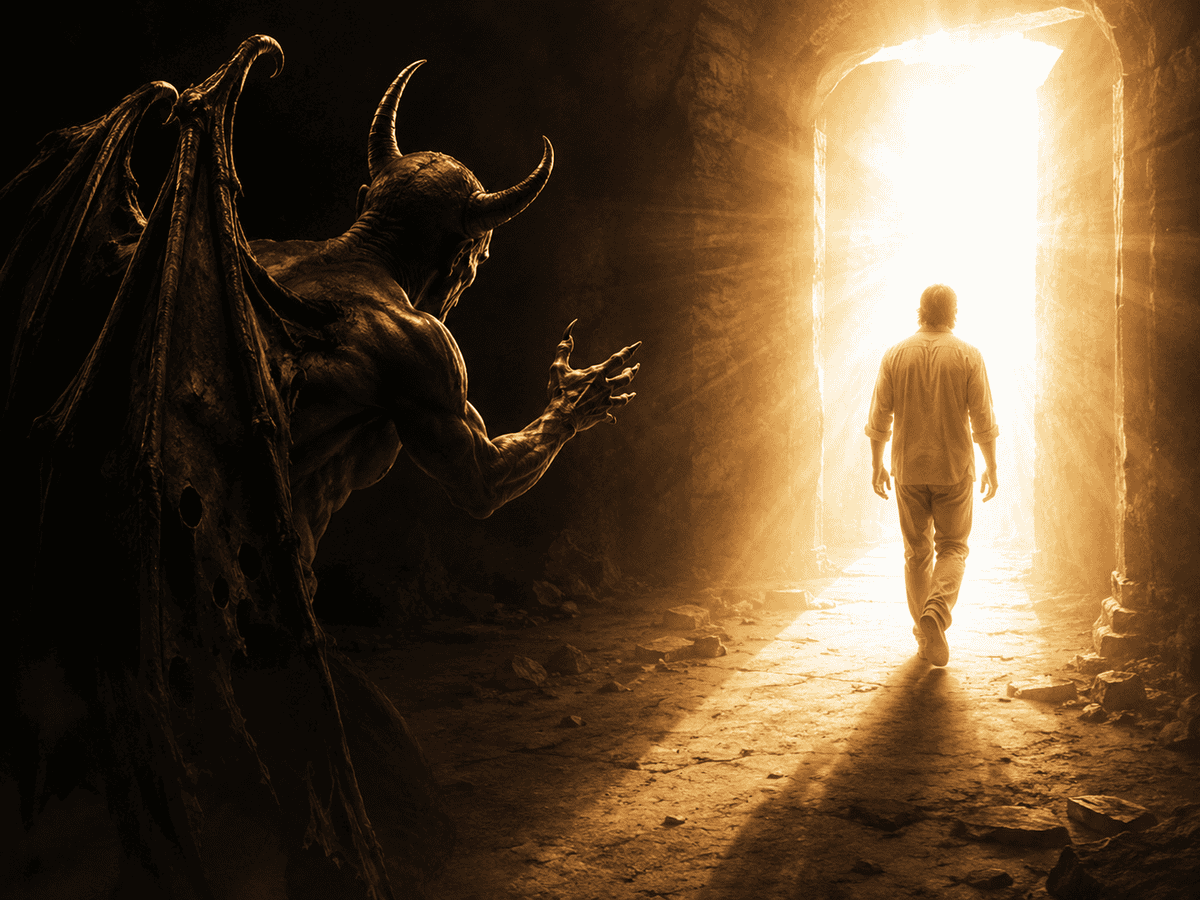
Christianity places enormous importance on repentance and forgiveness. This creates another limit on Satan’s role as accuser.
A person may regret past actions. They may feel ashamed. They may even believe they are beyond restoration.
Yet Christian teaching maintains that genuine repentance and God’s mercy are more powerful than accusation.
Satan cannot simply overrule divine forgiveness. If God forgives, the accuser does not possess higher authority capable of reversing that decision.
This is why Christian teachings frequently warn against hopelessness. Conviction can lead someone toward change.
Endless condemnation tells them change is pointless. The Christian gospel is built around the possibility of forgiveness and restoration.
9. Satan Cannot Guarantee That Temptation Will Work
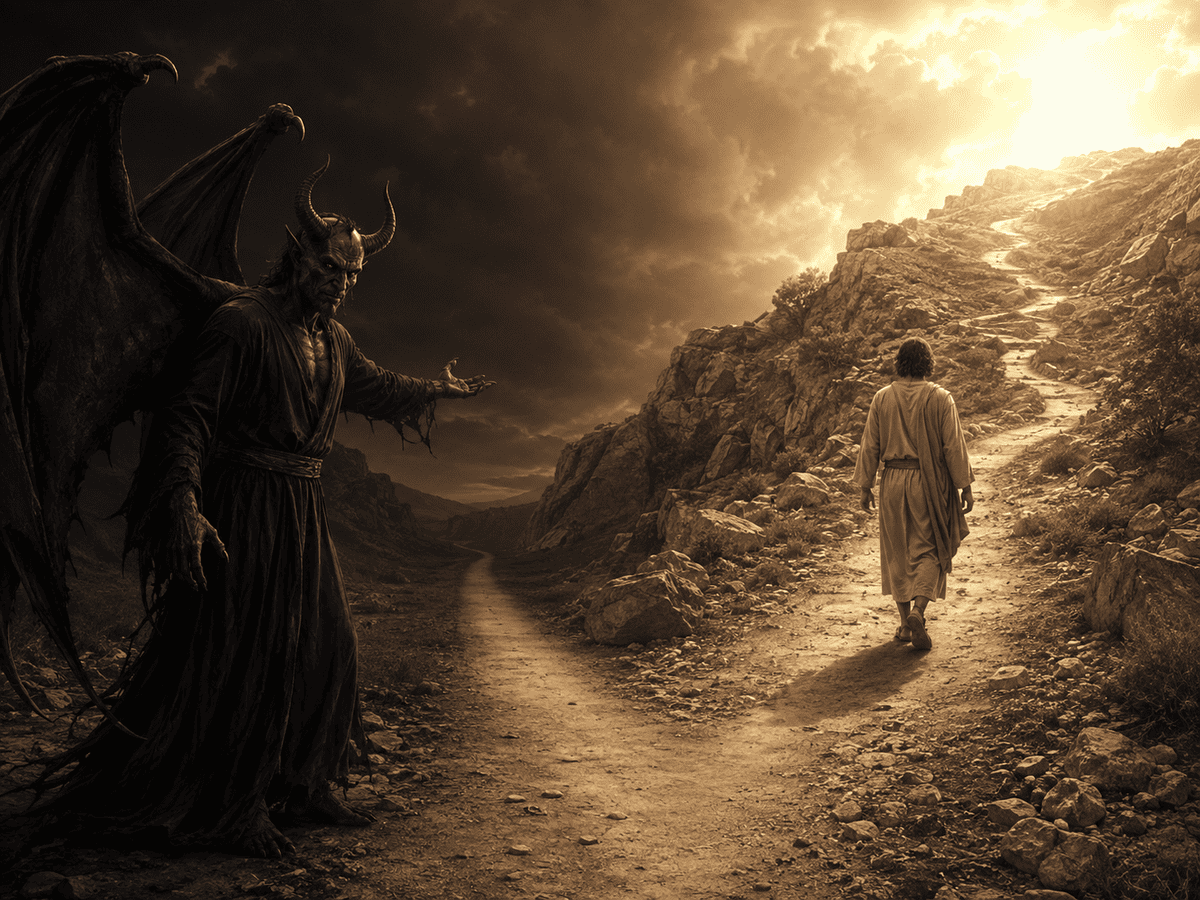
A temptation can fail. That simple fact represents an enormous limitation.
The New Testament repeatedly tells believers to resist evil precisely because resistance is considered possible.
First Corinthians 10 teaches that temptation does not eliminate the possibility of endurance and escape.
James tells believers to resist the devil. First Peter similarly encourages vigilance and resistance.
None of these instructions would make much sense if satanic temptation automatically succeeded.
Christianity therefore does not portray believers as helpless whenever temptation appears.
They can pray. They can remove themselves from harmful situations.
They can seek support. They can develop self-control. They can choose differently.
Satan can attempt to influence a decision, but he cannot guarantee its outcome.
10. Satan Cannot Win the Final Victory

This is the greatest limitation Christian tradition places upon Satan. His story has an ending.
The book of Revelation describes the final defeat of the devil and the ultimate removal of evil from God’s renewed creation.
Different Christian traditions disagree considerably about exactly how Revelation’s prophecies should be interpreted.
Some understand many passages literally. Others emphasize symbolic or theological meanings.
Yet the central message remains remarkably consistent. Evil does not win.
Satan may deceive nations, oppose believers, and create temporary suffering within the biblical story, but he cannot prevent the conclusion God intends.
Christianity therefore does not ask believers to imagine Satan as an unstoppable supernatural enemy.
His power is real within Christian teaching, but it is temporary and limited.
The final Christian image is not Satan ruling forever. It is his defeat.
That is why the biblical response to evil ultimately centers less on fear of Satan and more on trust in God.

私は生まれたときから、常に神との強いつながりを感じていた。作家として、また指導者として、私の使命は、人々が最も暗い時代に愛と幸福と内なる強さを見つけるのを助けることである。