
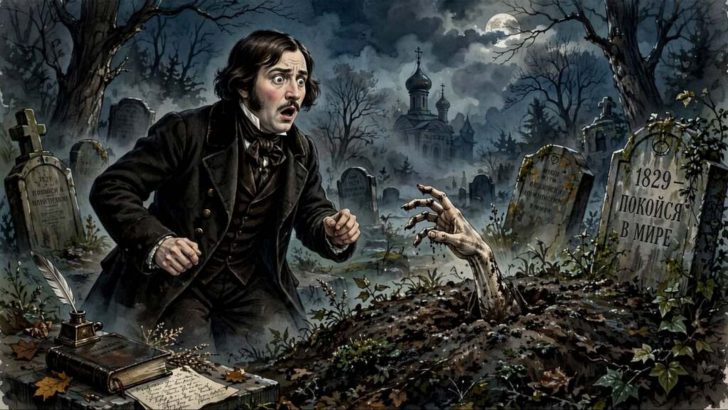
Discovering new things about iconic writers from the past never gets old, and their biggest fears add a whole new dimension to how we picture them!
Some of them feared thunder and crowds, while others had more unusual phobias.
In fact, one of them became spooked by the very things they wrote!
1. James Joyce & Goethe
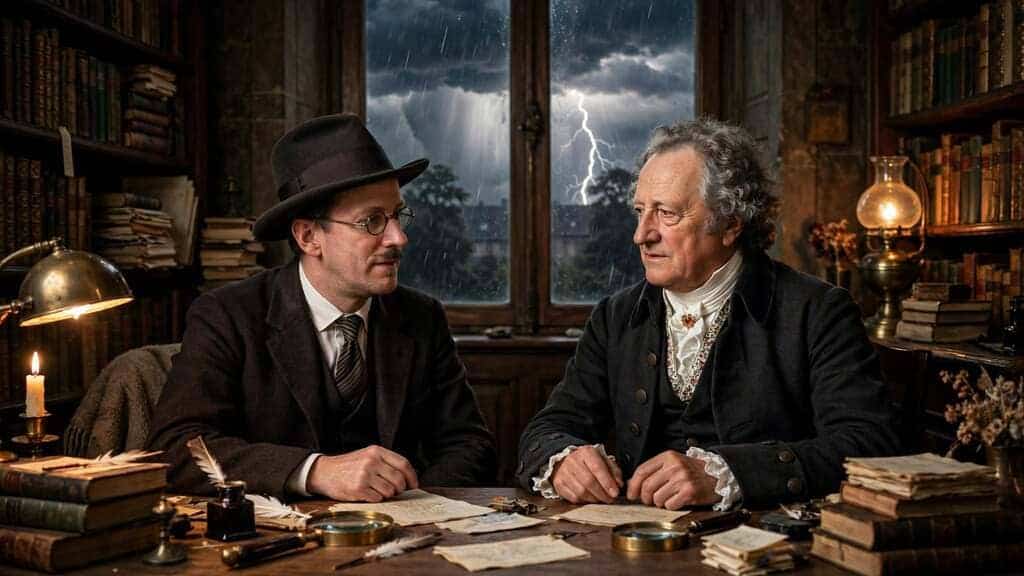
Weird names to put together, but these two authors had one thing in common: they were terrified of thunder!
It’s said that Goethe would rush indoors as soon as he noticed the storm coming, refusing to be caught outside no matter what.
James Joyce feared thunder on another level, believing it was the literal wrath of God coming down from the heavens!
He reportedly covered his ears or hid away during storms, even as an adult, seeing each thunder strike as a warning against sin.
Goethe’s fear looks pretty reasonable compared to that, doesn’t it?
Many people are still afraid of thunder even now, when science has managed to demystify it. Imagine what it was like for someone who truly believed it was more than just an explosion of air!
2. Hans Christian Andersen
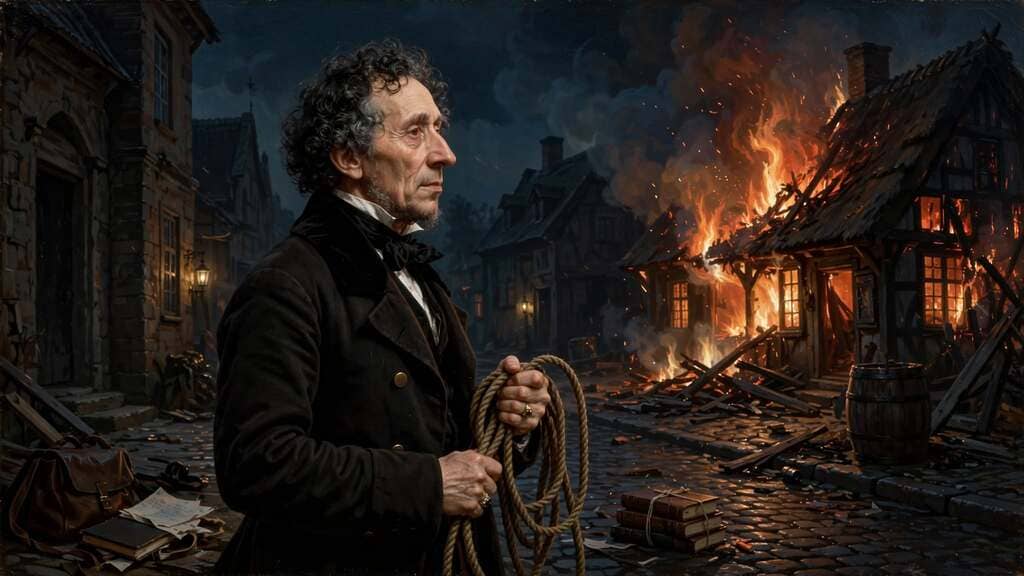
Andersen was so afraid of fire that he always carried a rope with him when he traveled away from home.
He wanted to make sure that he’d always have a means to escape out the window should fire break out.
And this fear wasn’t something temporary. He continued to carry a rope in his luggage for much of his life.
It was a practical solution when he stayed at hotels, since he never knew how hazardous the environment could be.
This habit of his might sound a bit paranoid, but it’s more than reasonable. A practical and subtle solution!
3. Nikolai Gogol
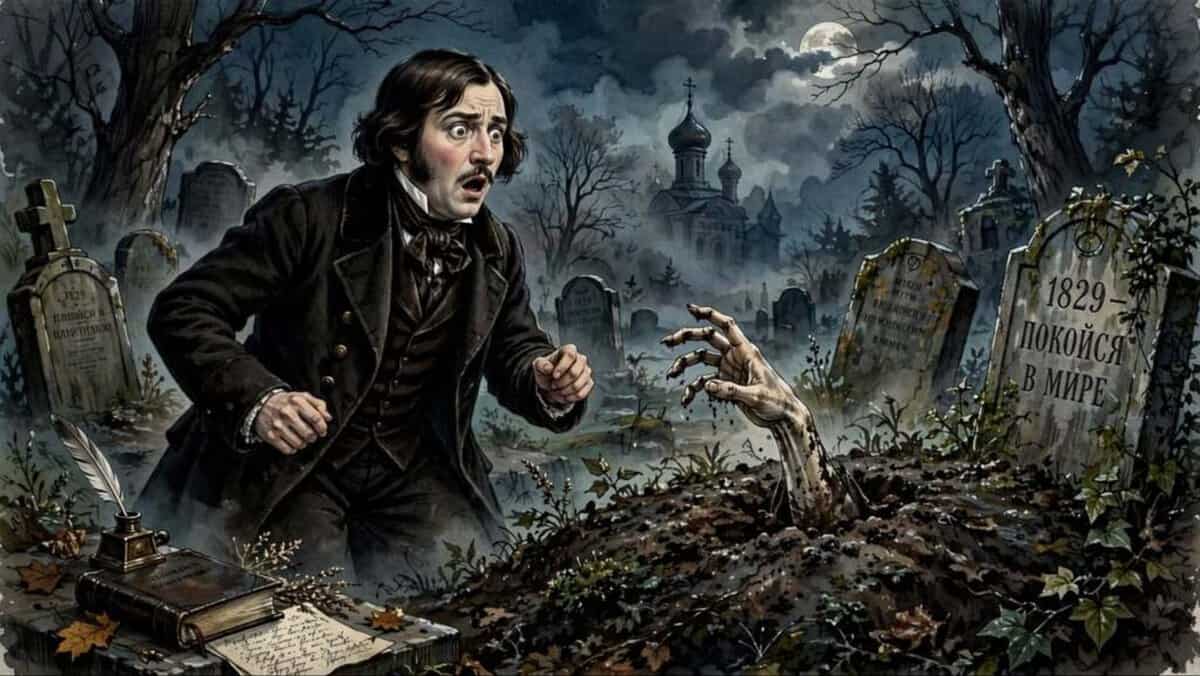
Nikolai Gogol had a fear that fit right in with his eerie stories: he worried that he would fall into such deep sleep that he would be mistaken for dead and buried alive!
Because of this fear, he requested that his funeral であります delayed, insisting that he should be buried only when there are actual signs of decomposition!
Though bizarre, Gogol’s worries weren’t without reason.
In his time, medicine wasn’t what it is today. It’s very possible that he had witnessed people being wrongly proclaimed dead.
Now, it’s also suggested that it could have all been caused by his personal psychological issues.
Either way, the paranoia never left him, until the very end.
4. Franz Kafka
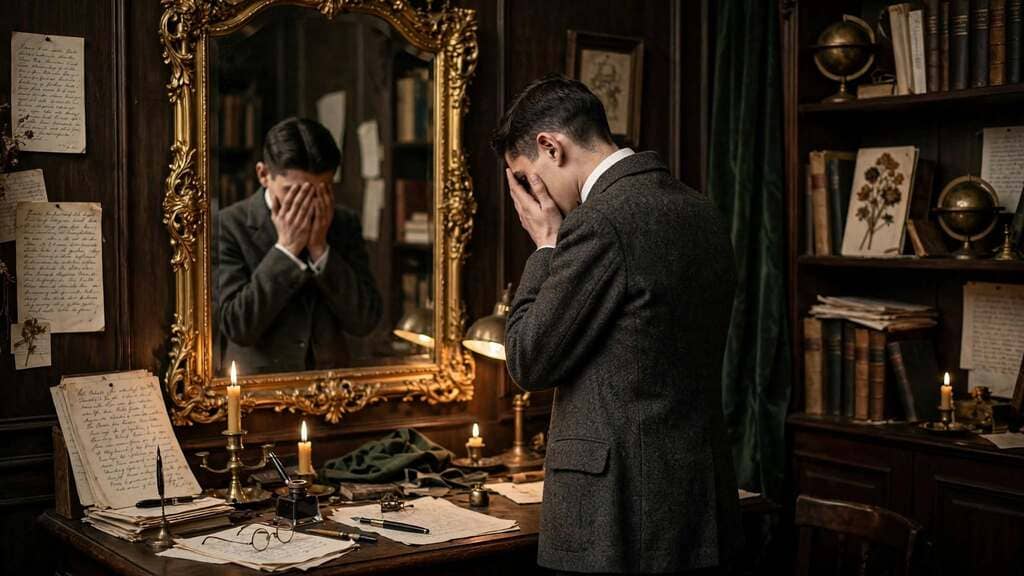
Franz Kafka struggled with a deeply personal fear: he genuinely believed he was weak and unattractive.
It was so severe that it later developed into dysmorphophobia, but in his time, there was no such diagnosis. He was completely uncomfortable with his own body and appearance.
As expected, he was extremely おもはゆい, often using harsh, critical words when describing himself in letters.
This anxiety of his could very well be the reason he was able to write such misunderstood characters.
Funnily enough, his literary work makes it seem like he understood the human psyche perfectly, yet he struggled to even understand himself.
5. Agatha Christie
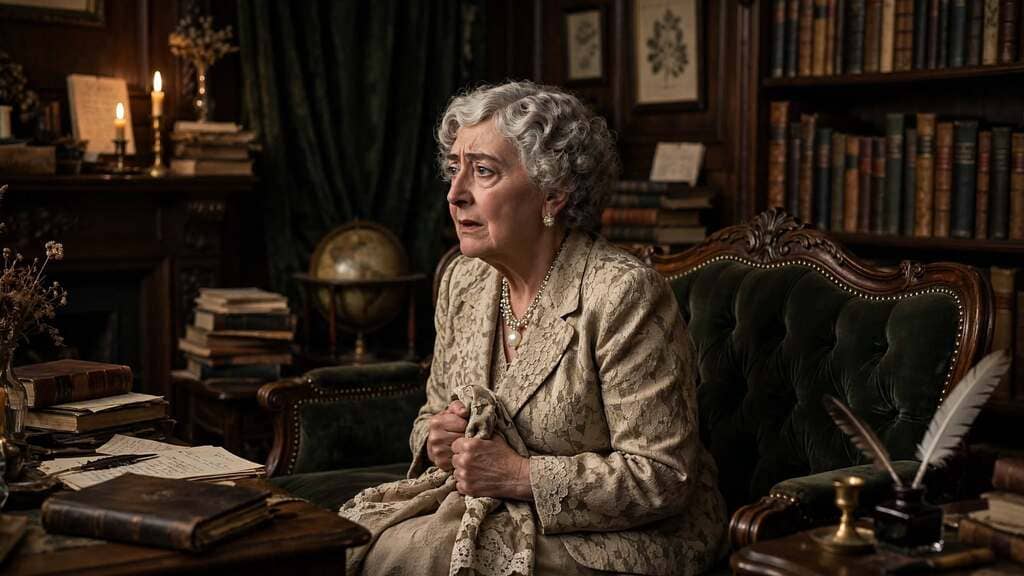
As one of the most iconic writers of crime and psychological tension, it’s kind of fitting that Agatha Christie feared losing her mind more than anything.
She constantly worried that she might go mad at some point, as if it were inevitable!
This anxiety is often linked to her real-life disappearance in 1926, when she vanished for eleven days!
To this day, no one knows what actually happened, even though the whole nation searched for her, and the press wouldn’t stop writing about it!
It’s probable that this traumatic experience left a mark on her, leading her to worry about mental instability.
6. Jack London
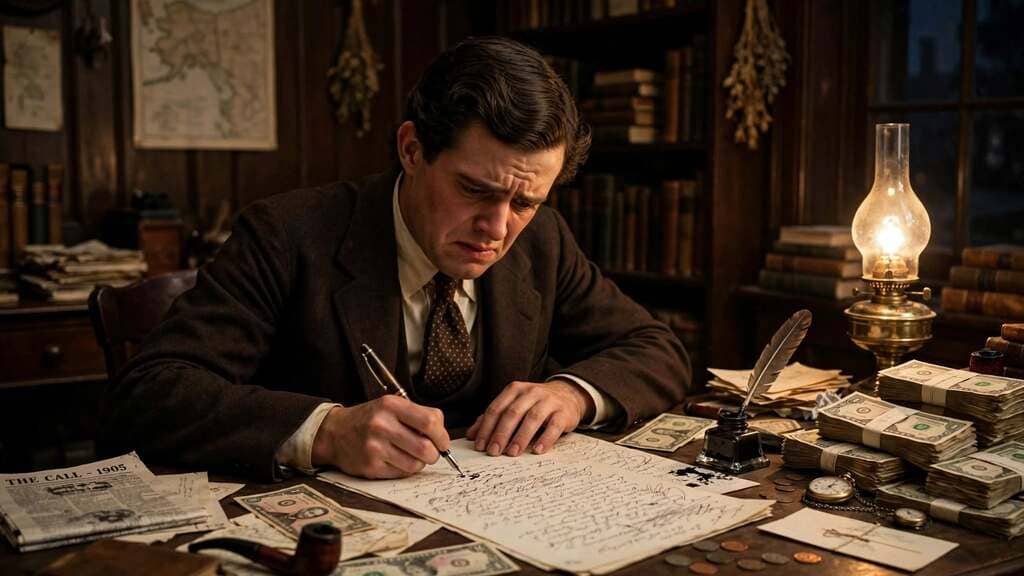
Jack London grew up in serious poverty, and that shaped the fear he struggled with for the rest of his life.
He was terrified of having to experience such hardship again, constantly worrying about his finances. In fact, it shaped his work ethic!
London became known for writing his novels and stories quickly, partly because he needed to make sure the money didn’t run out.
It was this anxiety that influenced such a prolific writing career, even though he didn’t live very long.
The poverty he experienced was his main motivation. He wrote to cater to this survival instinct, not just to fulfill his ambition.
7. Edgar Allan Poe
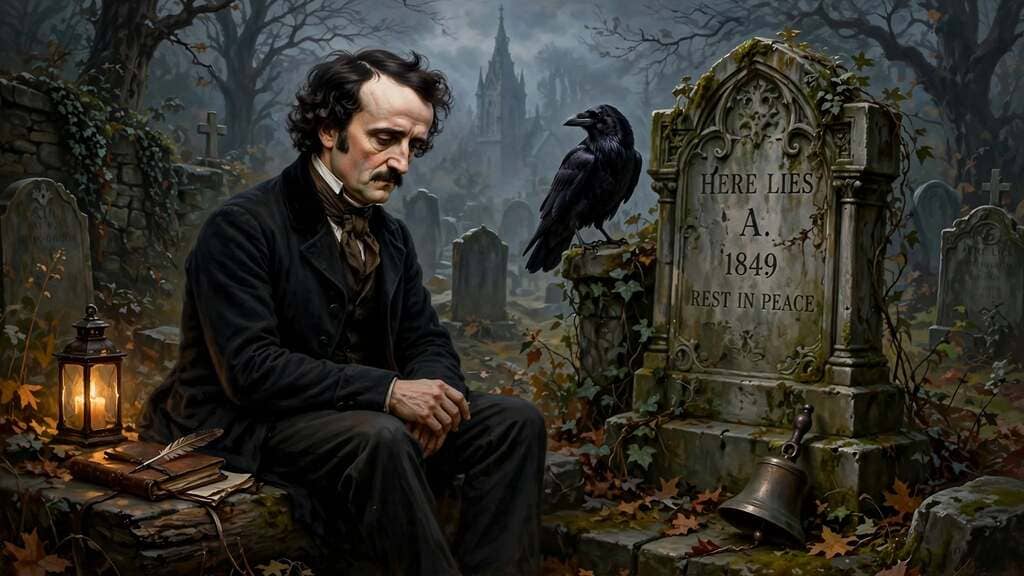
Edgar Allan Poe also suffered from taphophobia, the fear of being buried alive. It’s kind of poetic, given how he’s the most iconic writer of gothic horror.
In fact, this anxiety made it right into his writing, so The Premature Burial almost obsessively deals with this topic.
In his time, too, medical science wasn’t advanced enough to tell the difference between temporary paralysis and death.
Premature burial didn’t happen often, but it could still happen, and he knew it.
Aside from this, even the condition that looks like death but isn’t frightened him. In his writing, he asks, “Where, meantime, was the soul?”
8. H.P. Lovecraft
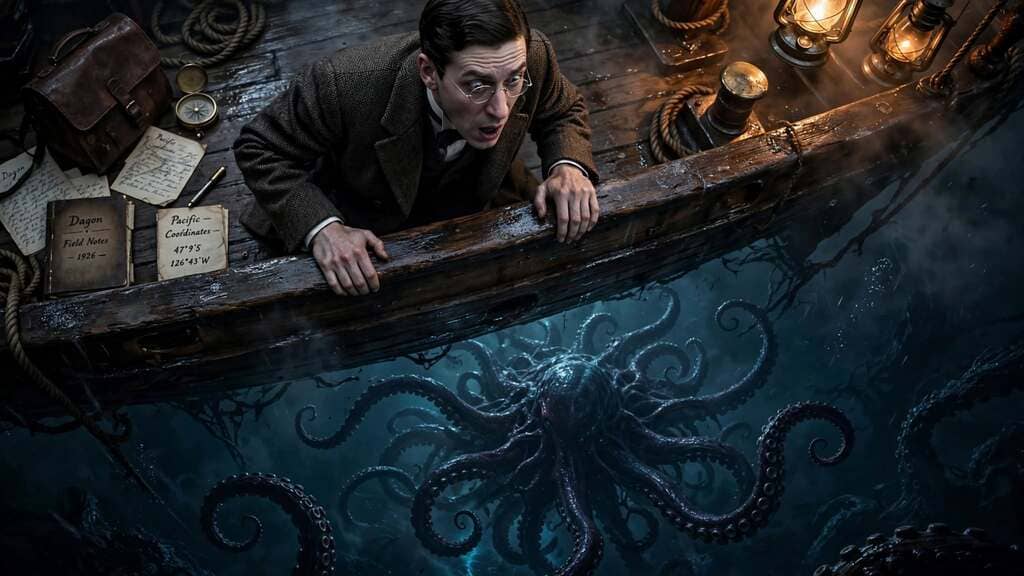
H.P. Lovecraft wrote so much about the unknown and the terrible impact it has on humans that it became his genuine fear!
He was deeply unsettled by anything unfamiliar, like the ocean, strange sea creatures, and sometimes, even regular strangers on the street!
This anxiety became the foundation of his entire literary work, or was it the other way around? Did his work cause the fear?
He wrote so much about the incomprehensible, vast beings that are simply too much for the human psyche to handle.
It is pure cosmic terror, but it also speaks of the horror of not understanding.
Meeting something so alien makes your whole worldview crumble!
9. Ernest Hemingway
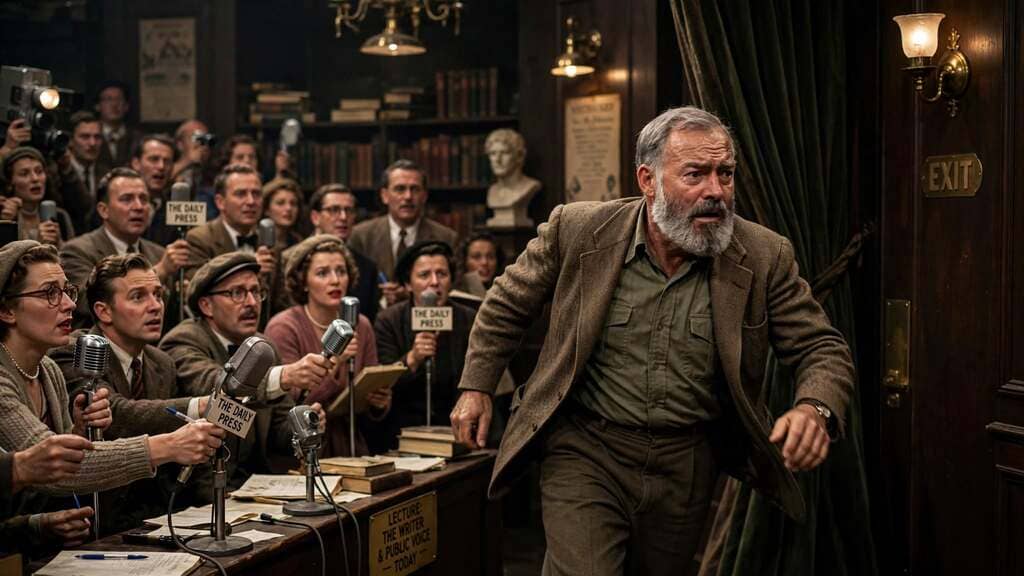
Ernest Hemingway feared public speaking, which so many of us can relate to.
He was a huge celebrity in his time, known for his adventurous life and personality, and yet, he struggled with something so ordinary.
Hemingway avoided award ceremonies and media attention whenever possible.
The voice we encounter in his novels is bold and confident, but speaking in front of a crowd made the real Hemingway very uncomfortable.
After all, writing and speaking are two very different skills. It’s really not that unusual for a writer to prefer keeping to himself.

A little Aquarius, devoted to writing and embroidery. Through my writing, I hope to empower readers to align with their true selves and navigate life’s mysteries with confidence.