
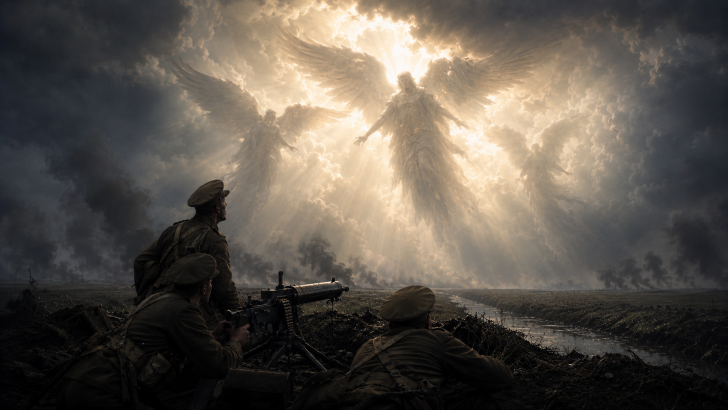
The guns opened over Mons in August 1914. British soldiers survived, retreated, and kept moving.
Then wings began appearing over the battlefield.
At least, that was the story.
1. Before the Angels, There Was a Retreat
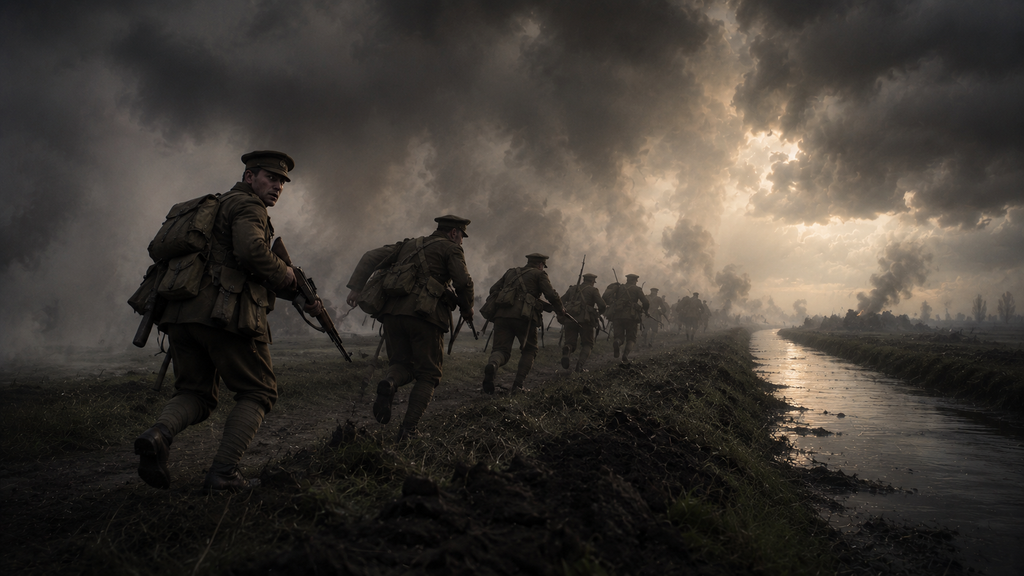
On August 23, 1914, the British Expeditionary Force met the German First Army along the Mons-Condé Canal in Belgium.
It was the British Army’s first major battle of World War I, and the numbers weren’t comforting. The German force was roughly twice as large.
British riflemen fired with such speed that some Germans reportedly mistook their rifles for machine guns. But holding the canal became impossible once German troops crossed in force and the French withdrawal exposed the British flank.
So the order came. Fall back.
And they kept falling back for around 250 miles, fighting through exhaustion as the Great Retreat carried them toward Paris.
The army’s escape felt extraordinary. That part was real.
What arrived later was an explanation written in heaven.
2. A Writer Put Ghosts Into the Smoke
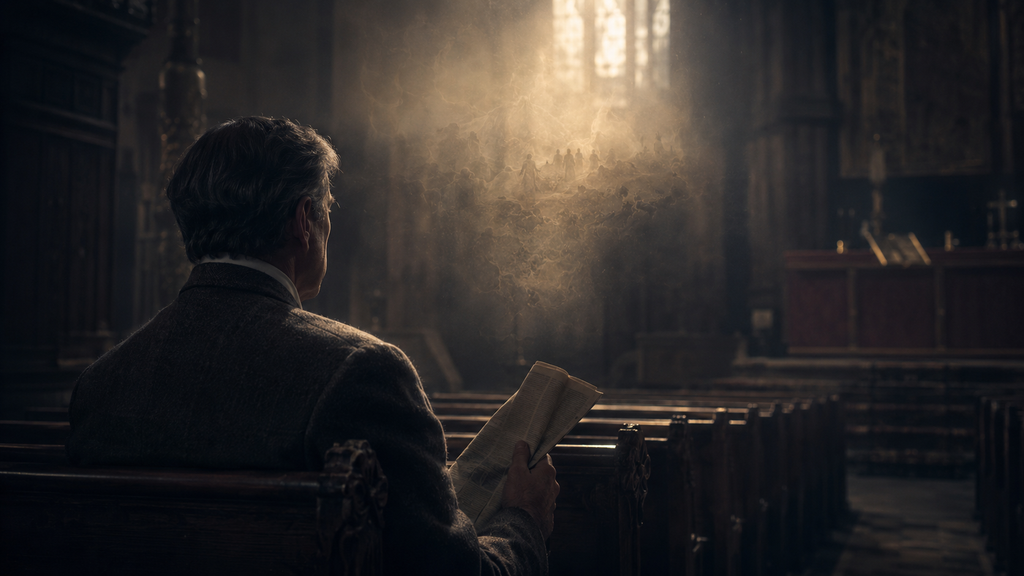
Arthur Machen read about the retreat on the final Sunday of August. The reports stayed with him as he went to church, where incense drifted above the Gospel book and his mind wandered toward the men caught inside that terrible furnace.
A story started forming.
Published in The Evening News on September 29, “The Bowmen” followed a British soldier facing certain destruction. He remembered a Latin appeal to St. George from the plates of a London vegetarian restaurant and spoke it aloud.
Then the battlefield changed.
Shining figures appeared beyond the trench. They were the dead bowmen of Agincourt, called back across five centuries to fire invisible arrows into the German ranks.
It sounded like a dispatch from the front.
But Machen had invented every word.
3. Then the Story Escaped Him
Within days, editors from two supernatural magazines contacted Machen. They wanted to know where he’d found the account.
Nowhere, he told them. It was fiction.
The questions stopped for a while. Then parish magazines began asking to reprint the story. One priest wanted to publish it as a pamphlet and asked Machen to provide his sources.
Again, Machen explained that no sources existed.
And the priest did something remarkable. He suggested the writer had to be mistaken. Surely the central event was true, even if Machen had decorated it.
By spring 1915, versions of the story were returning as reported fact. One even claimed German bodies had been discovered with arrow wounds.
The author’s denial no longer ended the story. It became another strange part of it.
4. The Bowmen Suddenly Grew Wings
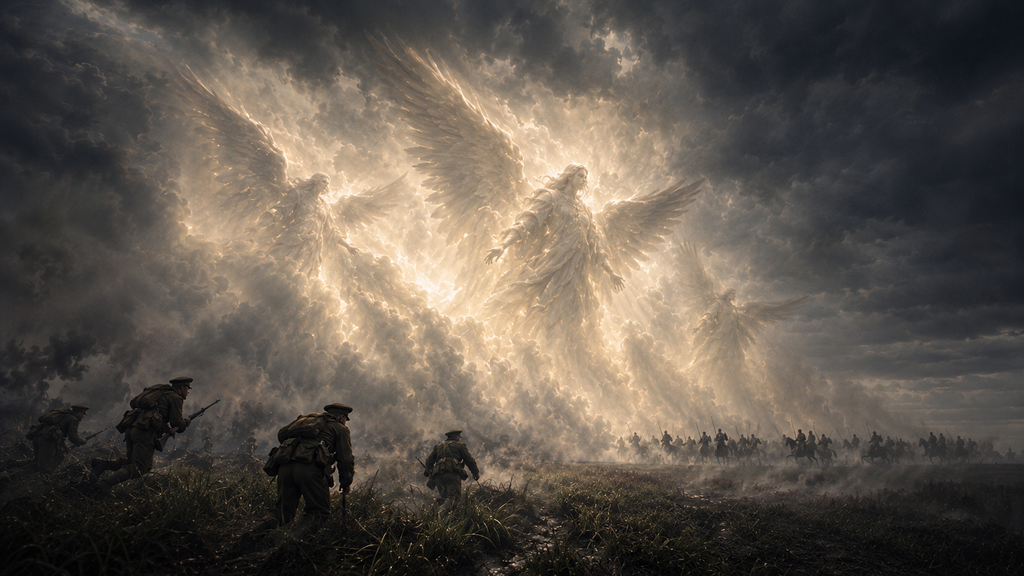
On April 24, 1915, the spiritualist magazine ライト printed a report about a mysterious cloud protecting British soldiers during the retreat.
Then an account appeared in the All Saints parish magazine in Clifton. A woman identified as Miss Marrable supposedly knew two officers who’d seen angels stand between the British and pursuing German cavalry.
But when investigators contacted Marrable, she admitted she didn’t know the officers. The story had reached her anonymously.
And these weren’t Machen’s bowmen. They carried no bows and killed nobody. Other versions described bright figures moving inside a cloud.
Historian David Clarke argues that two different streams of rumor became fused: Machen’s medieval archers and a separate belief in protective angels.
Once they met, nobody could pull them apart again.
5. Everyone Knew Someone Who’d Seen Them
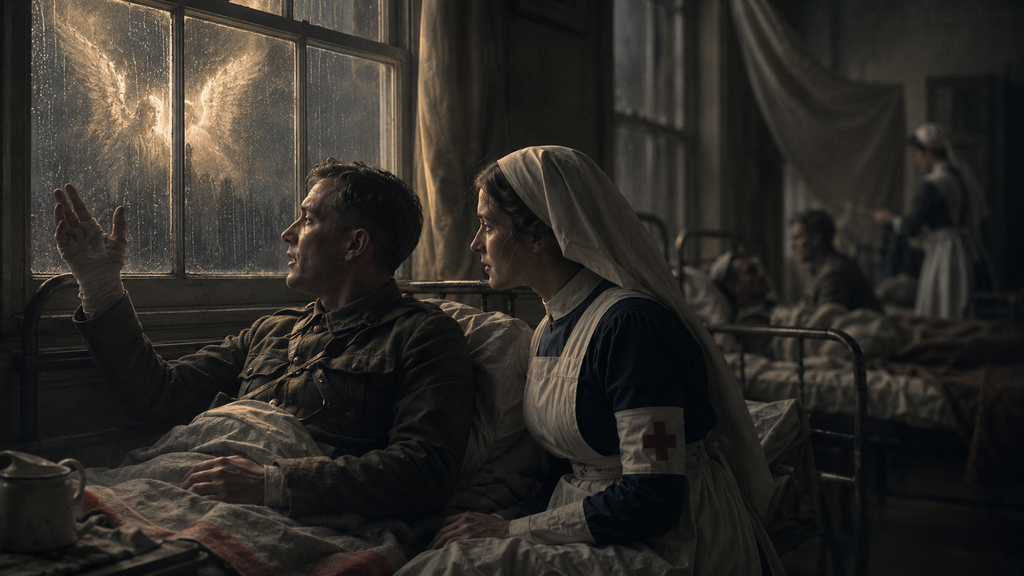
The accounts multiplied through 1915, yet the witnesses always seemed to stand one conversation away.
A nurse named Phyllis Campbell wrote about wounded soldiers describing St. Michael and Joan of Arc. Her stories helped push the legend far beyond Mons, although she never produced the soldiers for investigators.
Soon the angels entered sermons. Newspapers repeated the accounts, while pamphlets promised “confirmatory testimonies.”
And every retelling made the story feel more established. One unnamed officer became several. A strange cloud gained human forms. Those forms became angels, and the angels frightened German horses.
The details kept changing because the emotional truth stayed the same.
Britain hadn’t been abandoned.
During a war that was growing darker by the month, people wanted that to mean something.
6. The Witnesses Kept Disappearing
One man finally stepped forward with more than a rumor.
Private Robert Cleaver signed an affidavit declaring that he’d personally seen the angels at Mons. It looked like the evidence believers had been waiting for.
Then military records showed that Cleaver didn’t reach France until September 6, two weeks after the battle.
Other soldiers described stranger and more believable experiences, though not an angelic rescue.
After days of marching with almost no sleep, officers reportedly watched phantom cavalry riding through fields beside them.
Lance Corporal A. Johnstone remembered seeing what looked like French cavalry ahead. As the soldiers drew closer, the riders dissolved into mist, trees, and bushes
Johnstone wasn’t surprised. Men around him were stumbling forward in near-delirium.
The battlefield really did produce visions. But that doesn’t turn those visions into the shining army from the legend.
7. The Investigation Ended, but the Story Didn’t
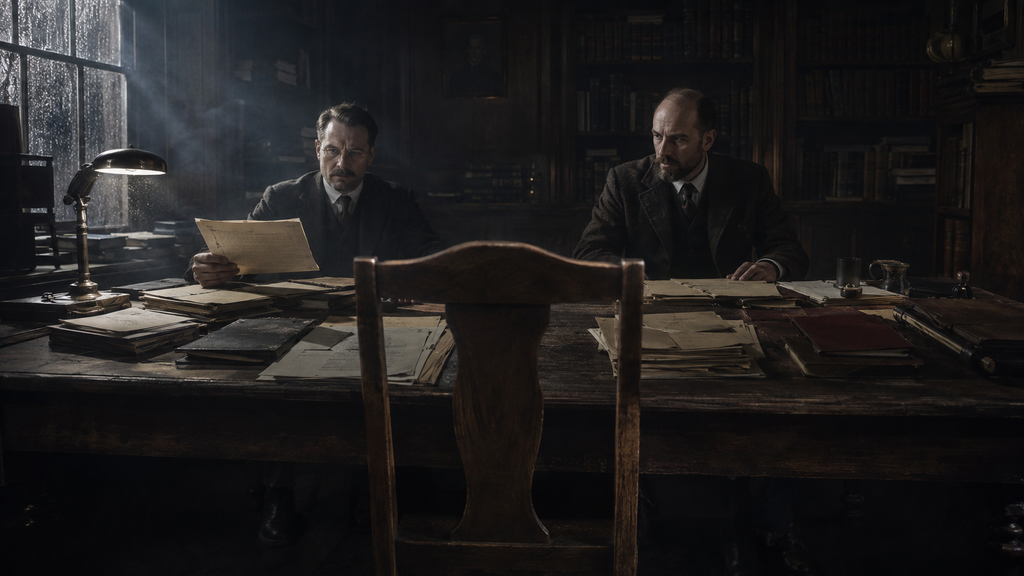
The Society for Psychical Research took supernatural claims seriously enough to investigate them.
And in December 1915, it delivered an awkward result. The inquiry found no firsthand testimony supporting an apparition and nothing strong enough to establish a supernatural event. Its efforts kept leading back to rumor.
Even Machen remained open to miracles in principle. He simply saw no evidence for this one.
Still, the Angels of Mons survived.
They survived because the legend did more than explain an escape. It turned retreat into deliverance and terror into proof that someone unseen was still watching.
And that’s the strangest part of the story.
Not that angels appeared over Mons. But that a fictional army entered a newspaper, passed through frightened minds, grew wings, and came back as memory.
