

Dreams and visions tend to be used as synonyms a lot. However, the Bible features both, and if you pay attention, you’ll notice that they’re completely different things.
God uses both to speak to His people, but He uses them for different reasons.
So, let’s see exactly what separates dreams from visions on concrete examples from the Bible!
1. A Dream Happens While You’re Asleep

In the Bible, dreams come as revelations to people who are sound asleep.
When they happen, the person who experiences them isn’t praying or doing anything active. They’re simply handed images and words from God.
For a God-sent dream, sleep is the doorway! It’s the requirement.
This is one of the most consistent patterns across the Old and New Testaments.
Another important distinction is that the warnings and revelations in dreams come in the form of images. Words typically aren’t part of it.
2. God Gives You a Vision While You’re Awake

Unlike a dream, a vision comes to you during a conscious moment.
The person who gets a vision can be in the middle of doing things, like walking or working on something at home.
It’s also not unusual for people to pray and prepare themselves to receive a vision from God.
All throughout the Bible, visions allow waking people to see and hear things that normally wouldn’t be accessible to their senses.
God permits them to see spiritual realities そして フューチャー events. Sometimes, they also get symbolic imagery, like in a dream, but it’s joined with their waking reality.
Visions require 意識, which is why they can feel so jarring and unforgettable to the people who receive them.
They also leave no space to wonder if you had imagined or dreamed whatever you saw; you know it was an intentional message from Him.
3. They Can Easily Get Confused
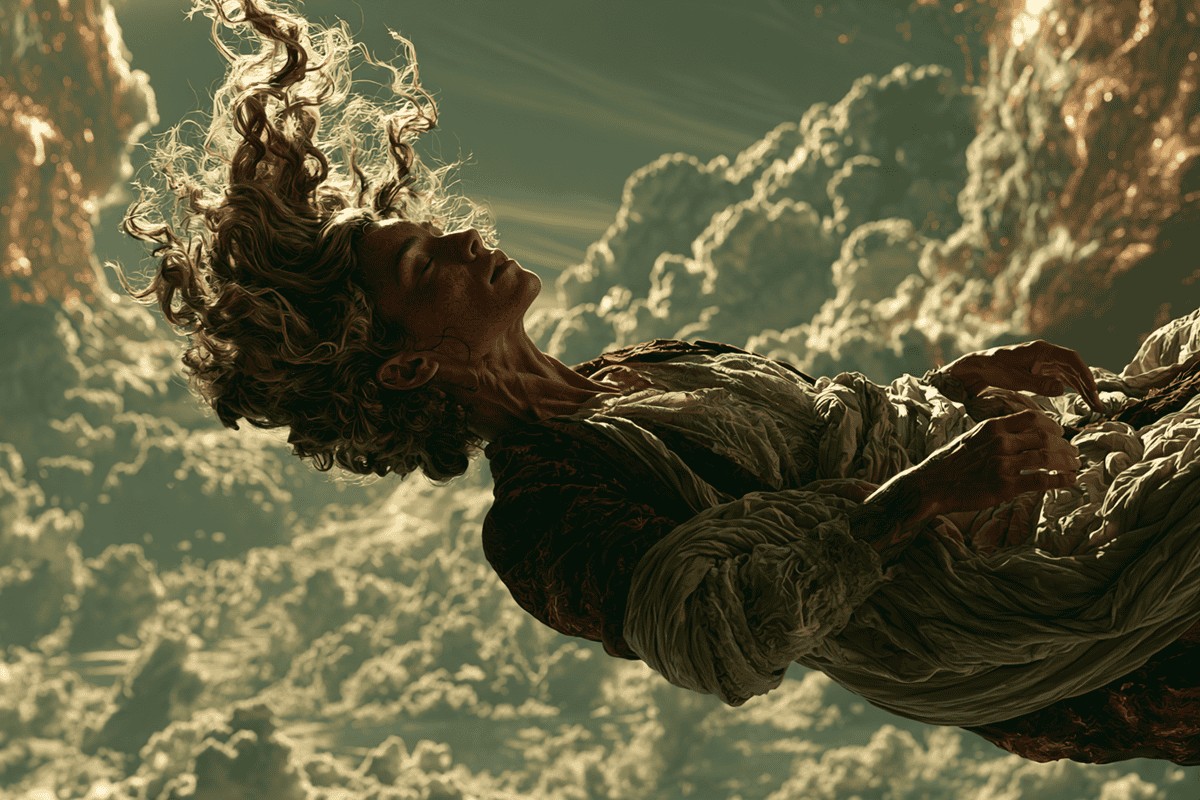
Though dreams and visions are typically two separate situations, it’s easy to confuse them for one another, even in the Bible.
A dream and a vision can be used together only when they describe a single experience. In other words, a dream is the state you were in, and a vision is what you perceived in that state.
Concretely, Daniel is a good example of this in the Bible.
He describes getting “visions in his head” while lying in bed. Later, he even calls that same episode a dream!
So, which is it?
Both, it would seem. God even says outright that He’ll make Himself known to prophets through visions and speak to them in dreams.
Visions can happen while you’re asleep and while you’re awake. In some cases, they happen in your sleep, becoming one with the dreams you’re having.
4. Dream: Pharaoh’s Cows

A great example of a dream in the Bible comes in Genesis.
Pharaoh falls asleep and dreams of seven healthy, well-fed cows grazing by the river, then watches seven starving cows swallow them whole.
He wakes up upset, goes back to sleep, and gets a second dream with similar symbolism.
Biblical dreams have an interesting catch. Pharaoh saw the images clearly, but he had no idea what they actually meant.
This is typical for dreams.
It takes someone blessed with genuine insight from God to decipher their messages.
As we know, Joseph explains that the cows symbolize the seven years of abundance, meant to be followed by seven years of famine.
And because the same symbolism has appeared to Pharaoh, Joseph tells him that the fate of Egypt has been firmly decided by God.
In the end, it seems as though biblical dreams require someone else to decipher them, as the person who had the dream isn’t always able to understand God’s will.
5. Vision: Peter’s Walls Come Down

Acts offer a great example of a vision in the Bible.
Peter goes to the roof to pray while lunch is prepared downstairs.
Mid-prayer, he falls into a trance and watches heaven open as a massive sheet lowers down, packed with 動物 he wasn’t traditionally allowed to eat.
However, a voice tells him to get up, kill, and eat these very animals.
Peter resists, but the vision repeats itself three times. Just as the vision leaves him, Gentiles appear at his door; exactly the kind of influence he’s been taught to avoid.
Only then does he understand. Animals weren’t the point of the vision.
It was God reminding him of the walls he had built around himself that led him to judge which people were clean and which weren’t.
So, the vision came to him while he was awake and aware. And once it was over, Peter was able to understand its message all on his own.
6. Dreams and Visions Can Be Vessels for His Will

There are many people who receive prophetic dreams and visions in the Bible, and they sometimes tend to be glorified because of that.
The vision itself and the person who receives it don’t carry divine authority. That only belongs to God.
A dream is just a condition in which you receive a message from God, while a vision is a window He allows you to look into.
Scripture is clear that any dream or vision has to line up under the authority of the Bible.
They need to reflect God’s 実際 性格, and they must be tested before anyone can trust in them.
And also, these messages from God aren’t necessarily rewards for the receiver’s spiritual goodness; they’re an obligation.
7. When Dreams and Visions Aren’t from God?

The Bible never tells us to treat every spiritual experience as divine.
Most dreams are just products of your subconscious, and Ecclesiastes even says that they can be the result of having too much on your mind.
Some are made up by people who seek authority or attention, and some can actually lead you away from God!
So, any vision or dream needs to pass a test first.
You need to ask if it lines up with what’s written in the Bible, and if it calls for truth rather than pride.
Does understanding it require you to twist God’s Word?

A little Aquarius, devoted to writing and embroidery. Through my writing, I hope to empower readers to align with their true selves and navigate life’s mysteries with confidence.