
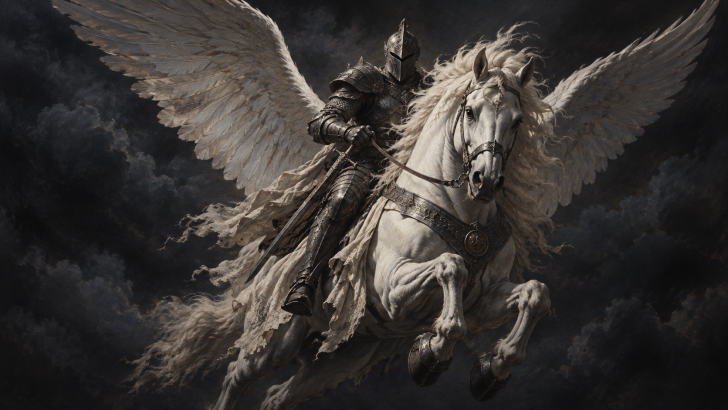
Ancient Greek myth is filled with boundaries mortals cross at their peril. For Bellerophon and Pegasus, the most dangerous one waited somewhere above the clouds.
Their story carries the chill of an old warning—white wings against a dark sky, divine gifts placed in mortal hands, and glory bright enough to hide the shadow moving beneath it.
1. Before Pegasus, There Was Blood
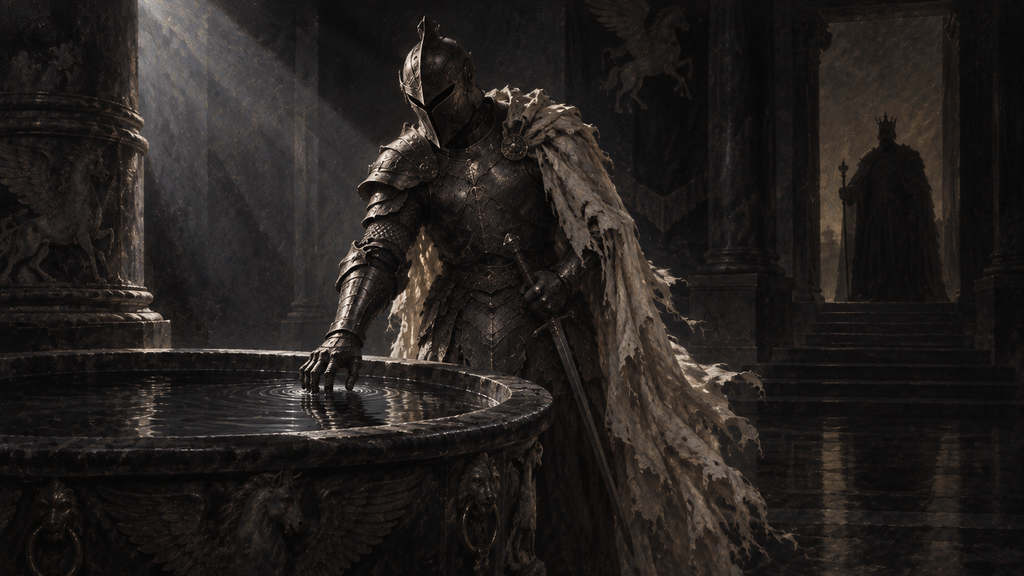
Bellerophon was born a prince of Corinth, though even his name carries the shadow of violence.
Later writers say he accidentally killed either a brother or a man named Bellerus and was forced to leave home.
He arrived at the court of King Proetus seeking purification. To the Greeks, bloodshed left a spiritual stain that followed a person until the proper rites made a new beginning possible.
Proetus received him, purified him, and brought him into the safety of his house.
But this quickly became another trap.
The king’s wife, called Anteia by Homer and Stheneboea by later writers, wanted Bellerophon. When he refused her, she told Proetus that his guest had tried to seduce her.
Bellerophon had acted honorably, yet honor gave him no protection. The king believed his wife, and refuge became a death sentence.
2. He Carried His Own Death Sentence
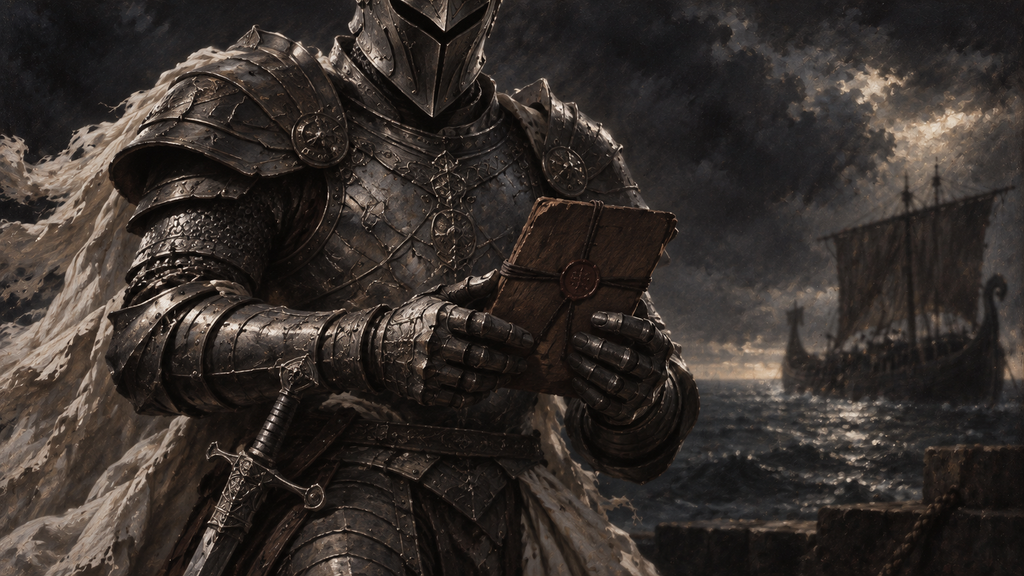
Proetus wanted Bellerophon gone, but killing a guest would violate the sacred laws of hospitality, so he found another solution.
He sent Bellerophon to Lycia with a folded tablet instructing the Lycian king, later named Iobates, to kill its bearer.
Bellerophon crossed the sea without knowing that he held his own execution order.
In Homer’s account, the Lycian king welcomes him first. They feast for nine days before he asks to see Proetus’s message.
By then, Bellerophon is his guest too, protected by the same custom that restrained Proetus.
So Iobates doesn’t kill him directly. He sends him somewhere no man could return from.
The command sounds like a quest, but it’s really an execution disguised as glory: Bellerophon must destroy the Chimera.
3. The Golden Bridle That Changed His Fate
The creature Bellerophon needed to face could breathe fire, so courage on the ground wasn’t enough. He needed the sky.
And the sky came to him in the form of Pegasus.
The winged horse had been born from death. In Hesiod’s telling, Pegasus sprang from Medusa when Perseus severed her head, impossible beauty emerging from terror.
But Pegasus wasn’t waiting meekly for a rider. Bellerophon tried and failed to tame him at the spring of Peirene in Corinth.
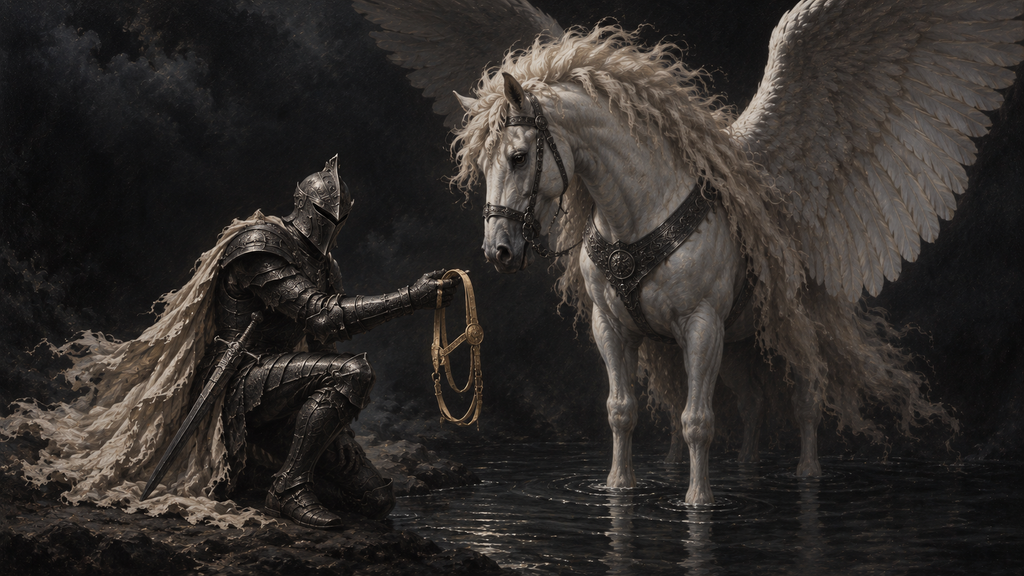
Then, in Pindar’s version of the story, Athena came to the hero in a dream and gave him a golden bridle.
When Bellerophon woke, the bridle was there. And with the goddess’s gift in his hands, he approached Pegasus again. But this time, the horse accepted him.
It’s also a warning hidden near the beginning of the myth. Bellerophon didn’t conquer the heavens alone. A god placed the means to reach them in his hands.
4. He Faced a Monster That Shouldn’t Have Existed
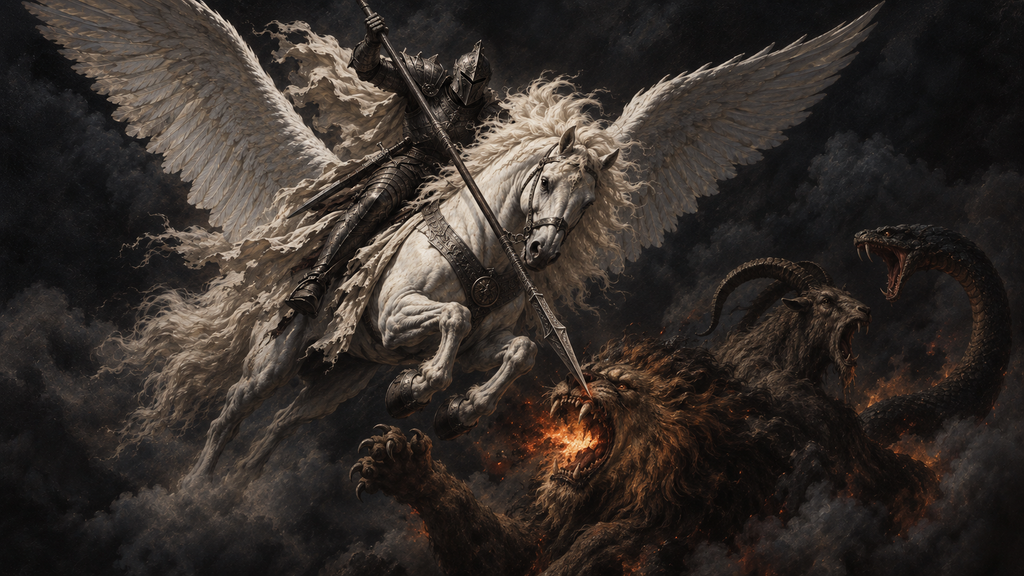
The Chimera looked like several nightmares forced into one body.
Homer describes it as a lion in front, a goat in the middle, and a serpent behind. Fire poured from it as it moved across the Lycian landscape.
From the earth, it was nearly impossible to approach. But from Pegasus’s back, Bellerophon could rise beyond its claws and burning breath, then strike from above.
Pseudo-Apollodorus says he mounted Pegasus and shot the monster from the air, while later storytellers gave him a lead-tipped spear, melted by the Chimera’s flames inside its throat.
The famous image feels complete with the white wings, the dark smoke, and the hero suspended between the monster below and the gods above.
Yet the earliest surviving full account, in Homer’s Iliad, never mentions Pegasus. Greek myth grew through retelling until the hero and winged horse became inseparable.
5. Every Victory Led to Another Death Trap
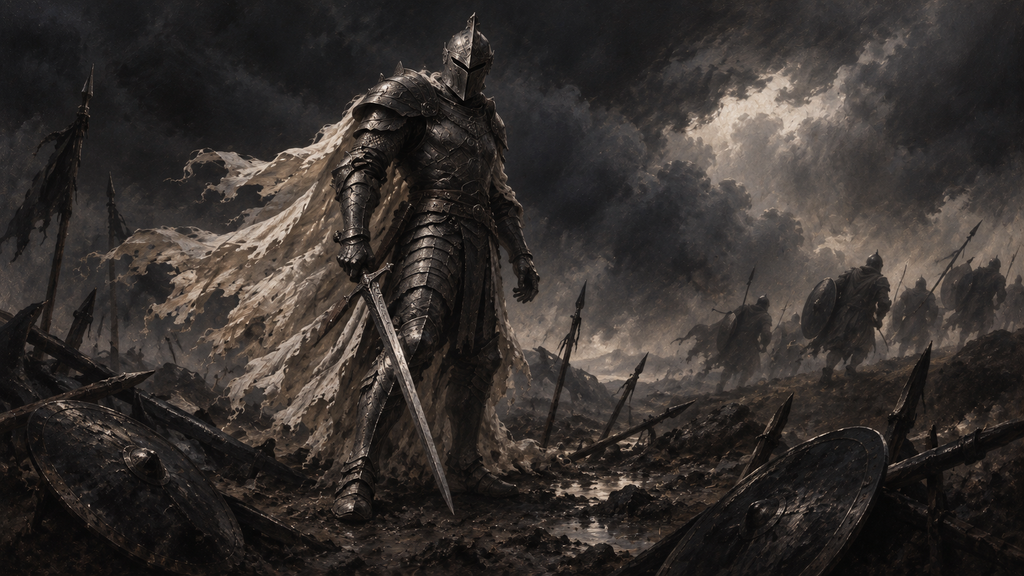
When Bellerophon returned alive, Iobates didn’t reward him. Instead, he sent him into another battle.
First came the Solymi, fierce warriors whom Bellerophon later called the strongest opponents he had ever faced. Then came the Amazons, which he had defeated too.
Finally, Iobates abandoned the appearance of heroic quests and chose the finest Lycian fighters to ambush him. Yet Bellerophon killed them all.
The gods appeared to be walking beside this stranger, and every attempt to destroy him made their favor more visible.
Iobates showed him Proetus’s message, gave him a daughter in marriage, and shared his kingdom with him. The hunted exile now had honor, land, power, and a royal future.
It should have been the end of his trials.
But after surviving monsters, armies, and betrayal, Bellerophon began to believe that human limits no longer applied to him.
6. He Turned Pegasus Toward Olympus
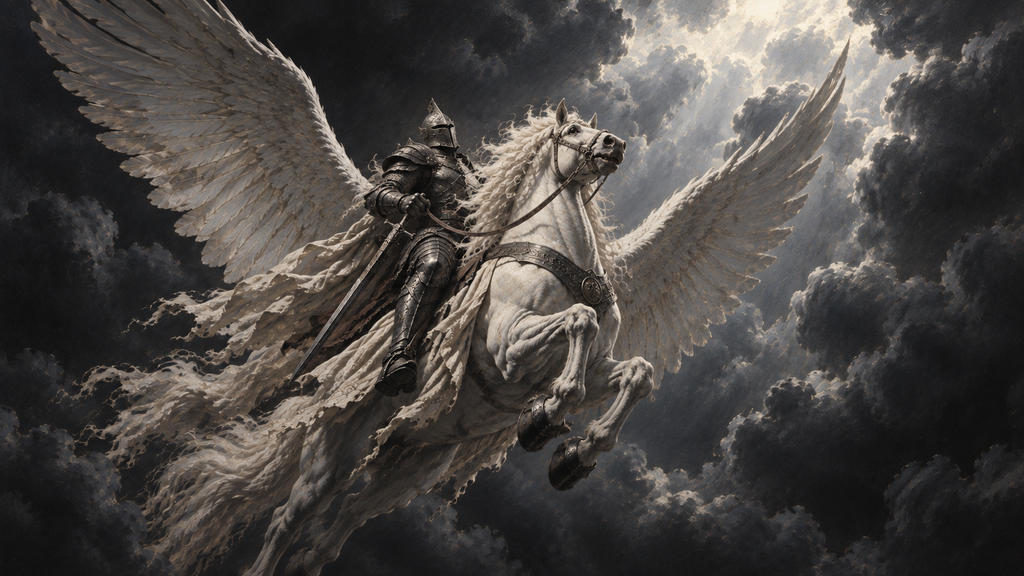
Bellerophon had flown where no living hero could follow. He had escaped death so often that the boundary between divine favor and divinity itself began to blur.
So he turned Pegasus toward Olympus.
Olympus belonged to the gods, and Bellerophon hadn’t been invited. He was no longer using a divine gift to complete a task. He was using it to cross the final boundary and place himself among the immortals.
The higher he climbed, the more his victories changed meaning. What had once proved that the gods favored him now convinced him that he deserved to become one of them.
The versions disagree about the fall. Later storytellers say Zeus sent a gadfly to sting Pegasus and throw its rider. Others simply have Bellerophon fall before reaching the gods.
Either way, the sky that had carried him above every danger finally refused him.
7. Pegasus Reached the Gods Without Him
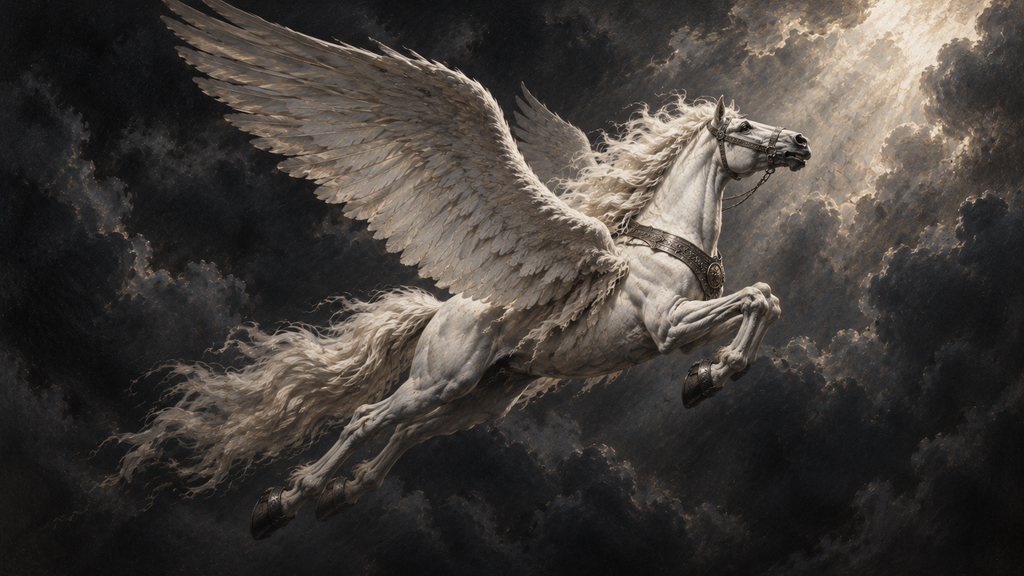
Some versions kill Bellerophon in the fall, but Homer leaves him alive with a fate that feels much more haunting.
The gods come to hate him, and he wanders alone across the Aleian Plain, avoiding every human path.
The hero who once crossed the sky spends his final days on foot, separated from kingdoms, companions, and the glory that had once surrounded him.
Yet Pegasus continues upward without him.
In Hesiod’s Theogony, the winged horse reaches the home of Zeus and carries the god’s thunder and lightning. Pegasus receives the place in heaven that Bellerophon tried to take.
That gives the myth its lasting power. Bellerophon wasn’t destroyed because he dreamed of rising. His victories had depended on going where others couldn’t.
He fell when he mistook a sacred gift for proof that nothing could contain him.
Pegasus had carried him into legend, but the horse was never his possession. The golden bridle, the wings, and the path through the clouds all belonged to a mystery larger than the rider.
And when Bellerophon forgot that, the heavens let him fall.
