
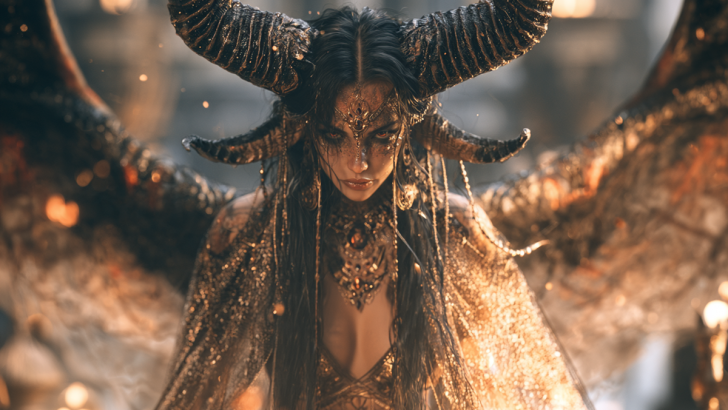
Lilith is one of the most fascinating figures in ancient mythology and religious folklore. Depending on the tradition, she has been portrayed as a night demon, a threat to newborn children, a mysterious supernatural being, and eventually a symbol of female independence. In modern culture, she is often celebrated as a rebellious figure who refused to be controlled. But in older traditions, that same refusal to follow the rules could make her seem downright terrifying.
So, why did Lilith inspire so much fear? The answer involves ancient anxieties about childbirth, nighttime dangers, sexuality, and the social expectations placed on women. Her story also changed significantly across cultures and centuries, meaning that the Lilith people recognize today is not exactly the same figure feared by earlier generations.
From ancient Mesopotamian traditions to Jewish folklore, Lilith became associated with forces people believed could threaten the safety and stability of everyday life. And while we can appreciate the spooky mythology today, her reputation reveals quite a bit about the fears and beliefs of the societies that told her story.
1. She Became Associated With Dangerous Night Spirits

One reason Lilith developed such a frightening reputation was her connection to supernatural beings associated with the night. In ancient Mesopotamian traditions, words such as lilītu referred to types of female spirits or demons, although their relationship to the later figure of Lilith is complex and not entirely straightforward. These beings belonged to a world in which nighttime was full of uncertainty, unexplained illnesses, and dangers that people could not easily understand.
Without modern medicine, reliable lighting, or scientific explanations for many frightening experiences, the night could feel like an entirely different world. Illness might strike suddenly, nightmares could seem supernatural, and a baby’s unexplained sickness might be blamed on an invisible presence. Spirits associated with darkness offered a way to explain such misfortunes.
Lilith’s later reputation drew on these older associations with nighttime danger. She became the sort of figure people imagined lurking beyond the safety of their homes after sunset. Essentially, she was the supernatural equivalent of that ominous noise in the hallway, except ancient storytellers took things considerably further than checking whether the cat had knocked something over.
2. She Was Feared as a Threat to Mothers and Newborn Babies

Perhaps the darkest part of Lilith’s reputation was her association with childbirth and infant mortality. In ancient Mesopotamian and later Jewish traditions, Lilith or related female demons were believed to threaten pregnant women, mothers, and newborn children. These fears existed in societies where childbirth was genuinely dangerous and where infant deaths could occur without any explanation that people trusted or understood.
Folklore gave families a supernatural enemy to blame for tragedies that otherwise seemed painfully unpredictable. Protective rituals, incantations, and amulets were used in some communities to guard against such spirits. Certain Jewish protective charms even featured the names of angels believed to restrain Lilith.
It is a grim part of her mythology, but it reveals how deeply ancient people wanted to protect their families. Lilith became a frightening embodiment of the dangers surrounding birth and early childhood. In a world without modern obstetrics or neonatal medicine, the idea that an invisible demon might be responsible could feel more understandable than accepting that terrible things sometimes happened for reasons no one could explain.
3. She Refused to Obey Adam in a Famous Medieval Legend
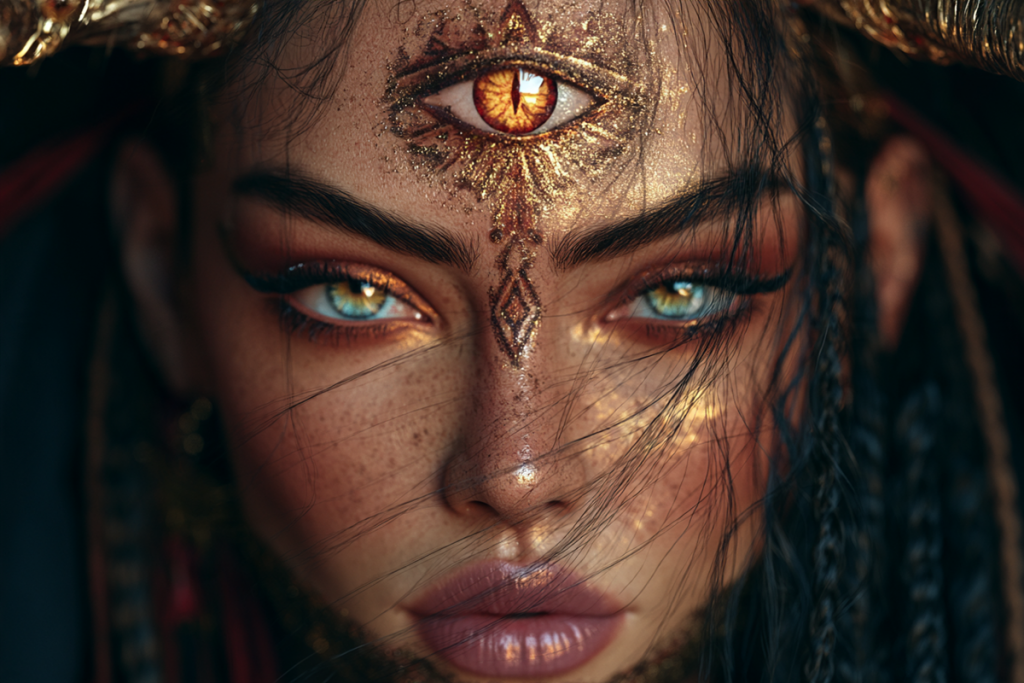
One of the most famous stories about Lilith appears in the Alphabet of Ben Sira, a medieval Jewish text. In this account, Lilith is created from the same earth as Adam, making her his equal rather than someone formed from his body. When the two disagree about their relationship, Lilith refuses to accept a subordinate position. She leaves Eden rather than submit to Adam’s authority.
From a modern perspective, walking away from a relationship in which someone refuses to treat you as an equal sounds like a sensible decision. In the story’s traditional religious context, however, her refusal becomes part of what makes her a dangerous supernatural figure. Instead of accepting the role assigned to her, she chooses independence, even when the consequences are severe.
That is one reason Lilith’s story remains so intriguing. Her reputation was not built only on supernatural threats; it was also shaped by a character who refused to play by the rules. Apparently, the original Eden had a serious problem with relationship negotiations. Modern couples might try counseling, but Lilith simply decided she was done.
4. Her Independence Challenged Traditional Expectations of Women
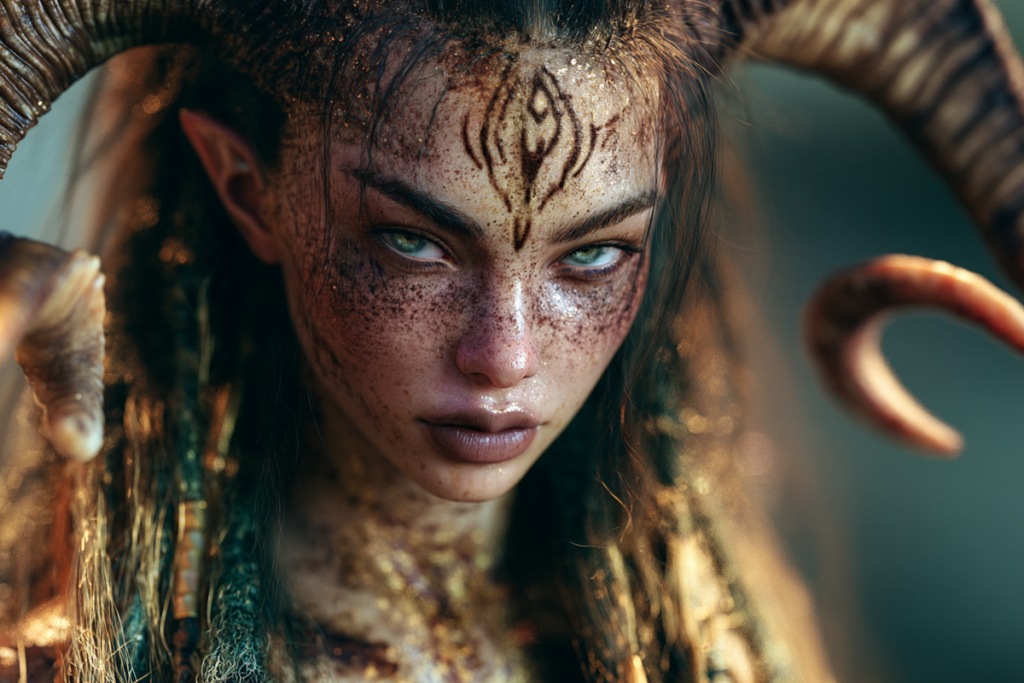
Lilith’s refusal to submit became especially significant in cultures where women’s roles were closely connected to marriage, motherhood, and obedience. In her medieval origin story, she does not quietly accept Adam’s wishes or wait for someone else to decide her future. She asserts that she deserves equal standing because she was created from the same material as he was.
Over time, this story helped connect Lilith with ideas about female sexuality, rebellion, and resistance to male authority. Scholars have examined how her portrayal as a demon reflects broader cultural anxieties about women who existed outside accepted domestic roles.
It would be too simple to claim that every ancient or medieval person feared Lilith for exactly the same reason. Her mythology changed across different communities, and her independent personality belongs particularly to later Jewish folklore. Still, the contrast is striking: a woman who demands equality becomes associated with evil, while obedience is presented as the safer path.
Lilith’s story therefore raises an uncomfortable question. Was she frightening because she was supposedly dangerous, or did some of her danger come from the fact that she refused to be controlled? Mythology, as it turns out, can reveal a great deal about who gets labeled a villain.
5. She Was Associated With Seduction and Sexual Danger

Lilith’s mythology also developed a strong connection to sexuality, particularly in later Jewish demonology. Some traditions portrayed her as a supernatural seductress who visited men at night, sometimes appearing in dreams or taking advantage of them while they slept. Other stories associated her with the production of demonic offspring. These ideas made her a threat not only to physical safety but also to the sexual and moral boundaries that communities sought to preserve.
In societies where sexual behavior was surrounded by strict expectations, a female figure who supposedly pursued men outside marriage could become a convenient symbol of temptation. Rather than being presented as an ordinary woman with desires of her own, Lilith was transformed into something monstrous and supernatural.
There is an interesting contradiction here. Lilith was portrayed as dangerous because of her sexuality, but her mythology also made her captivating. She represented a combination of attraction and fear that has remained popular in supernatural storytelling for centuries. Apparently, even ancient folklore understood that forbidden things could become especially fascinating when everyone insisted they were terrible for you.
6. People Believed She Could Enter Homes and Attack Without Warning
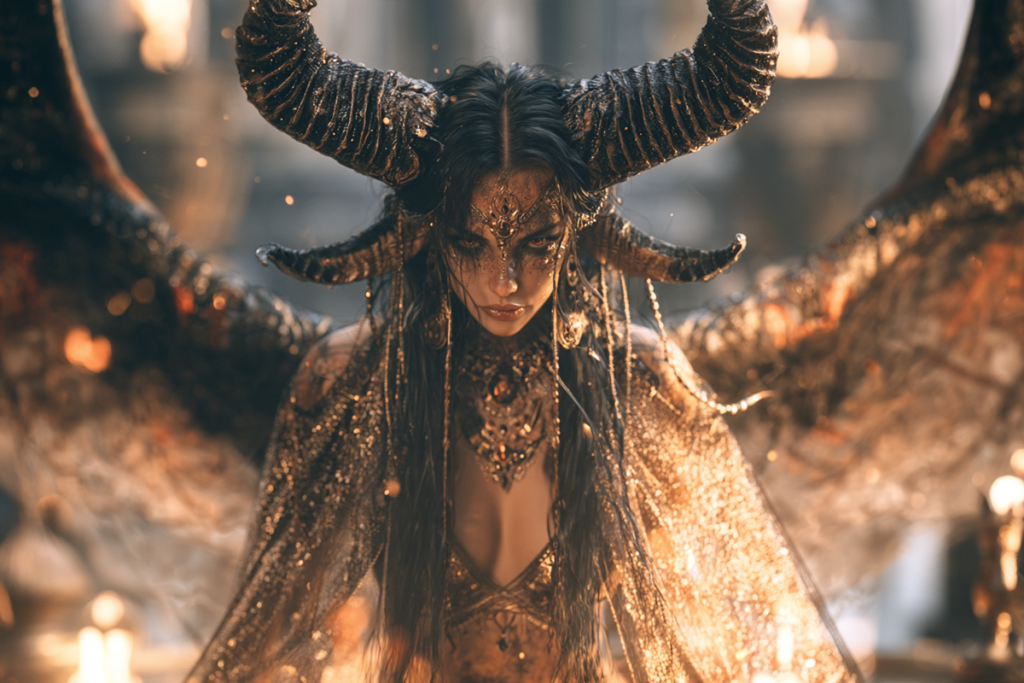
Lilith was especially frightening because the dangers associated with her were not necessarily confined to distant wildernesses or abandoned ruins. In later folklore, she could threaten people in their own homes, including those who believed they were safely protected by familiar surroundings.
This was particularly alarming when combined with her associations with nighttime visits, vulnerable sleepers, and newborn children. Ancient and medieval protective practices sometimes included written incantations, charms, and amulets intended to prevent harmful spirits from entering domestic spaces. Such objects could offer a sense of control over dangers that people believed were otherwise invisible.
Think about how frightening an invisible threat can be when there is no obvious way to detect it. You cannot lock a door against something you cannot see, and you cannot easily defend yourself against something you believe can reach you while you sleep. Lilith’s folklore tapped into precisely this kind of anxiety.
Of course, there is no scientific evidence that Lilith or similar supernatural beings caused these misfortunes. The protective rituals tell us about historical beliefs, not proof of demonic activity. Nevertheless, they demonstrate how seriously some communities took the possibility of supernatural danger inside the home.
7. She Became Connected to the Wider World of Demons and Evil
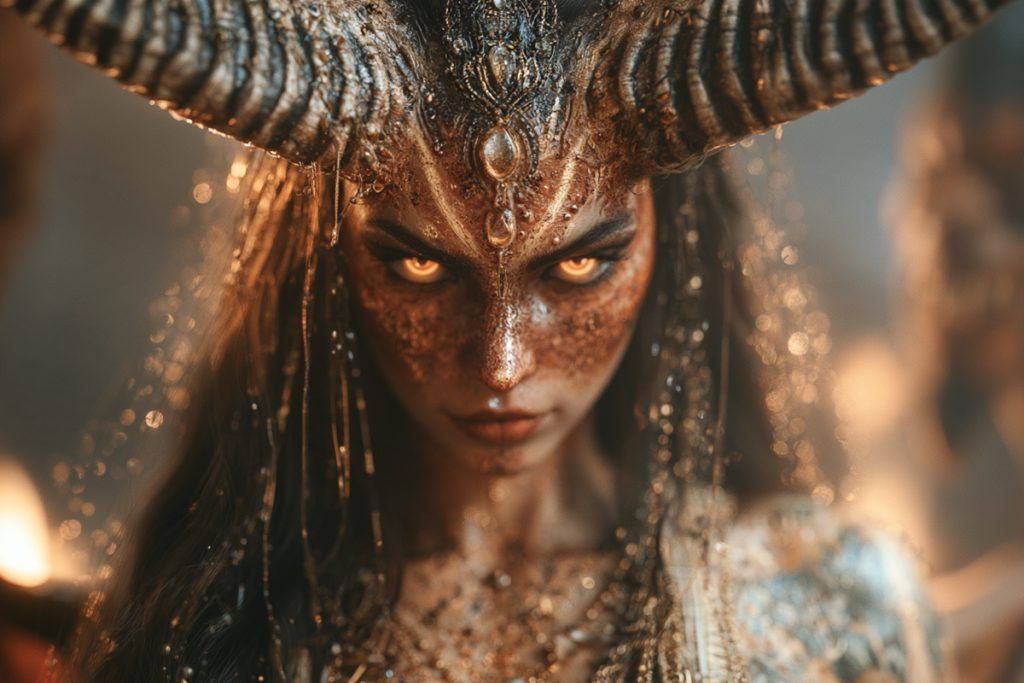
As Jewish demonology developed, Lilith’s role expanded beyond the frightening spirit associated with nighttime and childbirth. In later mystical traditions, particularly Kabbalistic writings, she became part of a more elaborate supernatural hierarchy. Some accounts connected her with Samael, a figure associated with evil, and portrayed the pair as powerful forces within the demonic realm.
These later ideas helped establish Lilith as something more significant than a solitary night spirit. She became a figure in a broader cosmic struggle between holiness and impurity, order and chaos, or divine goodness and supernatural evil. Her supposed powers and relationships varied across texts, so it is important not to treat every version of her story as though it came from one consistent ancient tradition.
For people who accepted these religious and mystical frameworks, Lilith represented a danger that went beyond individual misfortune. She belonged to an imagined spiritual landscape in which evil could have its own hierarchy, relationships, and influence over the human world.
In other words, she was no longer merely the monster under the bed. In some later traditions, she had effectively been promoted to senior management in the supernatural department of things that could go wrong.
8. Her Reputation Reflected the Fears of the Societies That Told Her Story

Ultimately, Lilith’s frightening reputation tells us as much about human society as it does about mythology. Her story developed through different cultures and historical periods, absorbing associations with nighttime spirits, childbirth dangers, sexuality, and rebellion. Those elements were not necessarily present in the same form from the beginning; they accumulated and changed as people retold her story.
Her transformation into Adam’s rebellious first wife is particularly revealing. In that medieval Jewish legend, her refusal to accept an unequal relationship becomes part of a larger supernatural narrative. Other traditions emphasized her supposed threats to infants or her role as a seductive demon. Each version reflected different concerns about safety, family, morality, and the boundaries of acceptable behavior.
Today, Lilith is often reinterpreted as a symbol of independence, autonomy, and resistance to restrictive expectations. That modern interpretation does not erase the darker aspects of her historical mythology, but it shows how dramatically a mythological character’s meaning can change.
Perhaps that is what makes Lilith so enduring. She has been portrayed as a monster, a seductress, a supernatural threat, and a rebellious woman who refuses to surrender her freedom. Her story reminds us that the line between villain and symbol of liberation can shift considerably depending on who is telling the tale.
9. Final Thoughts

Lilith was considered dangerous in various early and later traditions because she became associated with some of humanity’s deepest fears: unexplained death, vulnerable children, nighttime threats, sexual temptation, and challenges to established authority. Her mythology evolved across centuries, so there is no single explanation for every aspect of her reputation.
What makes her particularly fascinating is that her frightening image and her modern reputation as a symbol of female independence emerge from overlapping stories about power, freedom, and disobedience. The same figure who once appeared in protective charms as a threat to families can now represent the courage to reject expectations that feel unjust.
Whether viewed as a demon of ancient folklore or a rebellious figure in modern spiritual culture, Lilith remains a reminder that mythology is rarely just about monsters. Sometimes, it is also about the fears people project onto those who refuse to behave as expected.

Lover of good music, reading, astrology and making memories with friends and spreading positive vibes! 🎶✨I aim to inspire others to find meaning and purpose through a deeper understanding of the universe’s energies.