

There are many angels whose names are known across different traditions, yet there are also those whose stories drift quietly through old writings.
One of these lesser-known angels is Kokabiel. His name appears only in a few ancient sources, yet his story carries a feeling of mystery and wonder.
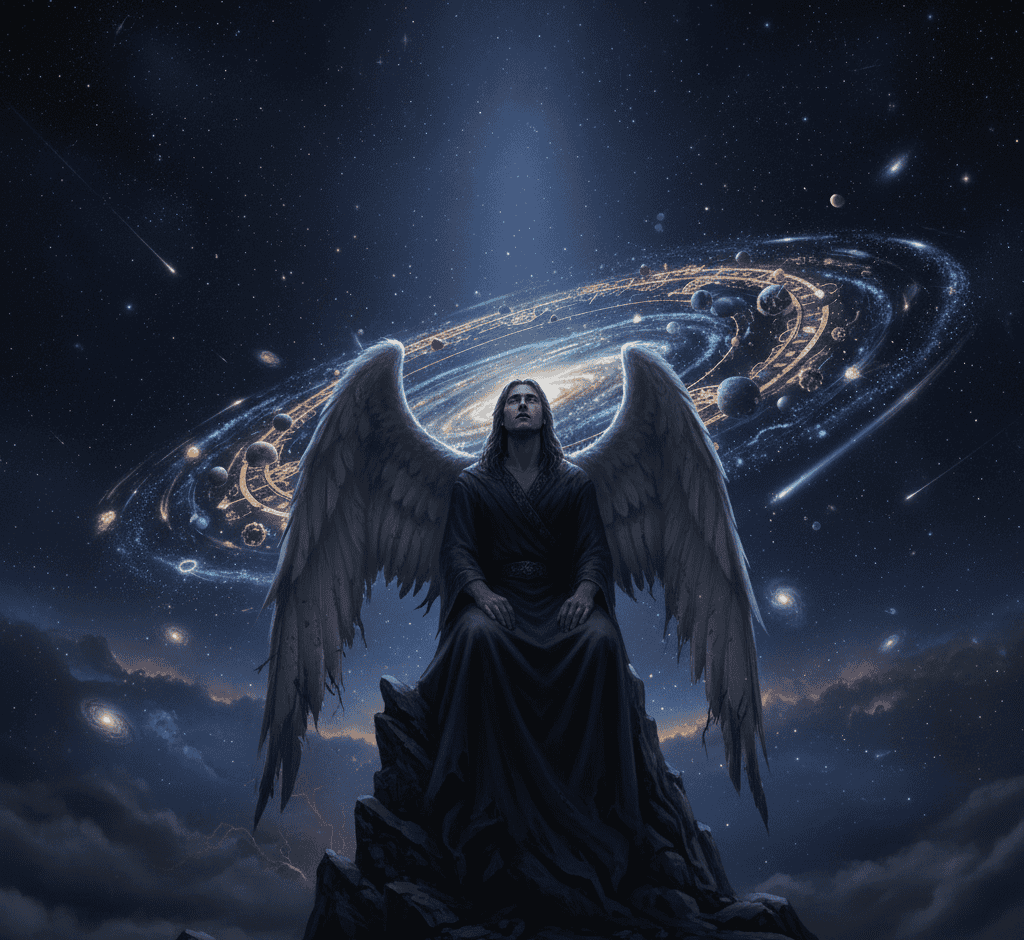
He was described as an angel who once ruled over the stars and guided their movements.
Later traditions speak of his fall from grace and the way his brilliance turned into a warning for others.
His story is not only about rebellion but also about knowledge, power, and the weight of responsibility.
Exploring the legend of Kokabiel feels like opening a forgotten chapter in an old book and finding something both beautiful and unsettling at the same time.
The Angel Who Watched Over the Heavens
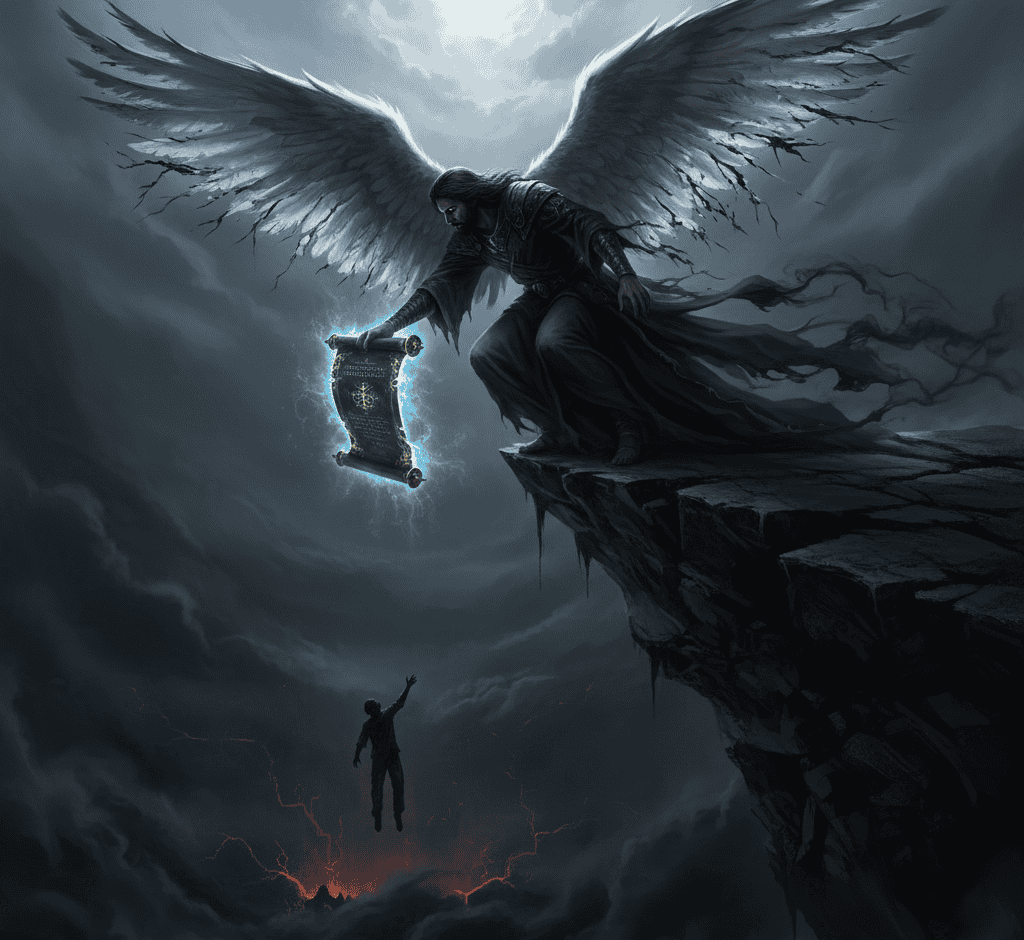
Kokabiel is often described as an angel connected to the stars and the secrets held within the night sky.
His name can be interpreted as Star of God or Angel of the Stars. This already gives a clear image of who he was believed to be.
In ancient writings, he is presented as one of the angels who understood the patterns of the heavens.
The stars were not simply lights scattered across the dark. They represented calendars, messages, and markers of divine order.
For early cultures, the stars were essential. They marked seasons for harvest and travel.
They helped people navigate and reminded them of changes that would come with time. An angel associated with the stars was not just a guardian of beauty but a guardian of knowledge.
Kokabiel was believed to understand the workings of creation in a way that only celestial beings could.
His connection to the heavens made him one of the angels who carried great responsibility.
Stories describe Kokabiel as a powerful figure, a leader among other angels. His presence was significant because the stars themselves were symbols of wisdom.
To guide them meant to hold a position of authority. He is even described as commanding many other angels who worked under him.
This paints a picture of a structured and well-organized celestial world in which Kokabiel was one of the most trusted figures.
The Path From Light to Rebellion
The story of Kokabiel takes a darker turn in the Book of Enoch, one of the oldest sources that mentions him.
In this text, he is named as one of the Watchers. The Watchers were a group of angels sent to observe and guide humanity.
Their original purpose was to help humans grow and understand the world around them.
However, as the story continues, many of these angels abandoned their mission and acted against divine instruction.
Kokabiel is listed among the angels who shared forbidden knowledge with humanity. This knowledge involved the understanding of the stars.
Although learning about the heavens may seem harmless, the ancient stories suggest that such knowledge was meant to remain heavenly.
The idea was that humans were not yet ready for the deeper truths of the universe. Kokabiel revealed what should have remained hidden.
He opened a door that was not his to open. This act is seen as the point where Kokabiel fell from grace.
His once respected guidance of the stars became a symbol of disobedience. It is important to remember that in many traditions, the fall of an angel does not always come from pure evil.
Often it comes from pride, curiosity, or a desire to guide in ways they believe to be better. The story of Kokabiel reflects this idea.
He shared knowledge because he understood it deeply, yet he did so without permission.
His fall was tied to the belief that even the most beautiful knowledge can become dangerous when shared without care.
After the fall of the Watchers, the story says that Kokabiel was no longer a guardian but a reminder of how quickly even powerful angels could lose their place.
His connection to the stars now carried a different meaning. Instead of symbolizing order, it became an example of the consequences that come from stepping outside of divine boundaries.
The Legacy of a Fallen Star Keeper
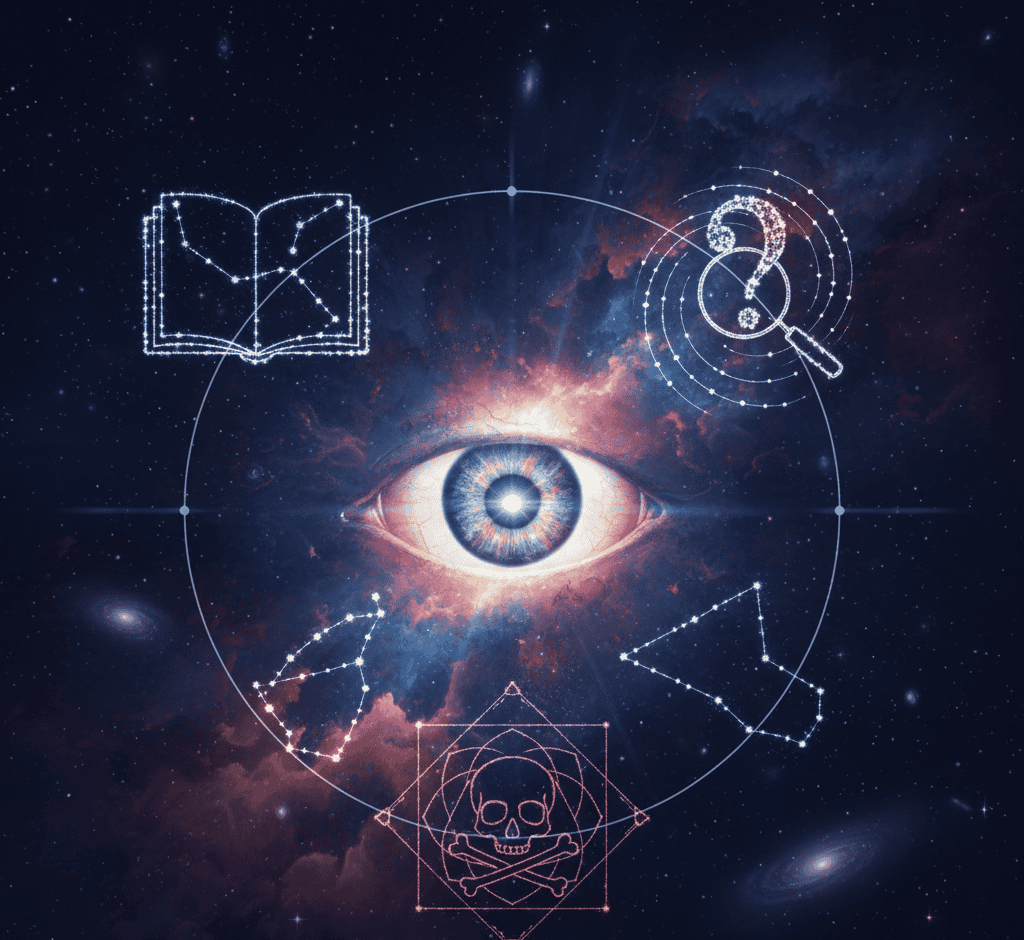
Although Kokabiel became a fallen angel in these stories, his legacy continues to be interesting for many people who study old spiritual writings.
He is sometimes seen as a tragic figure. He once held one of the most peaceful and beautiful tasks in all of heaven.
Watching over the stars is almost poetic. It brings to mind endless nights filled with quiet wonder. Yet his story shows how a misplaced decision can change everything, even for an angel.
Some later interpretations suggest that Kokabiel still watches the night sky from afar, no longer as a trusted guardian but as a distant observer.
This image paints him almost like an exile who still loves the beauty he once shaped. It makes his story feel more human.
Many people know what it feels like to make choices that change their lives forever. Kokabiel represents the idea that even beings of great power are not free from mistakes.
His fall reminds readers that knowledge requires responsibility and that wisdom is more than simply knowing things. It is knowing when and how to share what you know.
Kokabiel also appears in some mystical traditions as a symbol of forbidden learning. He reminds people that curiosity is natural but should be handled with care.
Why Kokabiel Still Captures the Imagination

Even though Kokabiel is not as widely known as other angels, his story remains fascinating because it mixes beauty with caution.
The stars are often seen as symbols of hope and inspiration. They shine with a calm light, and people have looked to them for guidance for thousands of years.
Knowing that an angel was once believed to guide them makes the night sky feel even more magical.
The story of Kokabiel encourages people to think about the balance between curiosity and responsibility.
It reminds us that knowledge has power and that the way we use it shapes everything around us.
His fall also adds a touch of tragedy, showing that even those who once stood in the highest places can face consequences if they act without wisdom.
His connection to the stars gives his story a sense of wonder. His fall adds emotion and depth.
Together, they create a tale that lingers in the mind like the faint glow of a distant constellation.
Kokabiel’s story may be old, but its message continues to shine. It teaches that beauty, knowledge, and power are gifts that require care.
It reminds us that even the brightest star can fall, yet its light can still spark reflection and inspiration.

私は生まれたときから、常に神との強いつながりを感じていた。作家として、また指導者として、私の使命は、人々が最も暗い時代に愛と幸福と内なる強さを見つけるのを助けることである。