
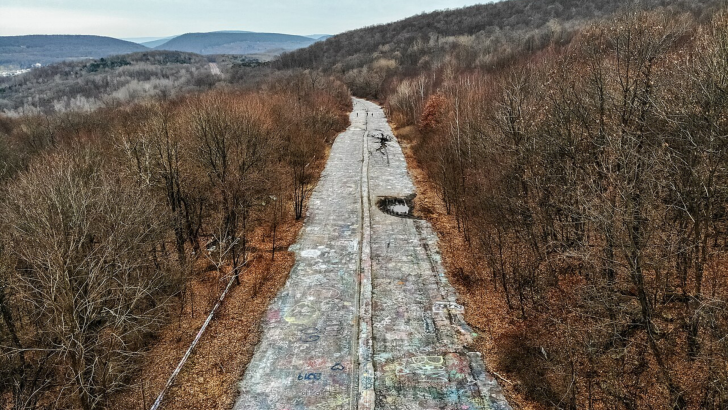
Deep in Pennsylvania sits a ghost town swallowed by fire, silence, and rumor. Centralia was once a normal mining community filled with families, shops, and church bells.
Today, only steam vents, cracked roads, and a handful of stubborn residents remain.
The underground mine fire that began in 1962 still burns, making Centralia one of the strangest and most unsettling places in America.
For decades, people have whispered that something else lives beneath the ground. Something older than the fire, older than the town, and still awake.
While scientists explain the town’s dangers through heat, gas, and collapsing tunnels, storytellers give another explanation:
Centralia feels haunted, not by ghosts of the dead, but by something deeper, something that listens.
Why does this abandoned place inspire so many theories, legends, and chilling beliefs?
Here’s why Centralia continues to spark fear, fascination, and a sense that something hidden still breathes below.
A Fire That Never Dies
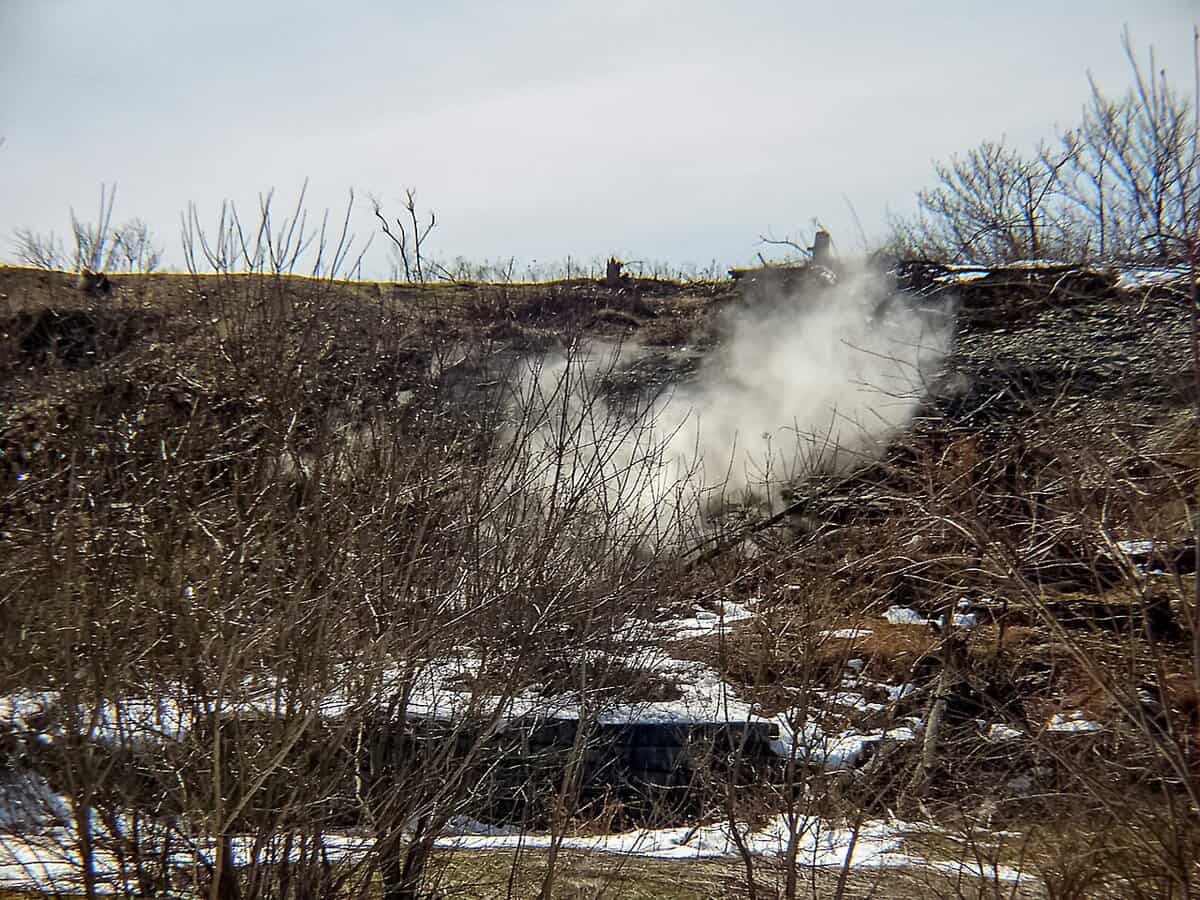
Most towns die slowly, but Centralia died in one long burn. In 1962, a trash fire accidentally spread into old coal seams underground.
What should have been a small mistake became a blaze that no fire crew could put out. The flames traveled through miles of tunnels, heating the earth from below.
Roads cracked open. Smoke drifted through backyards. Carbon monoxide-filled basements.
People were forced out, homes were bought by the state, and buildings were bulldozed.
Yet the fire kept going, as if it had its own stubborn will. Today it still burns, more than sixty years later, with no sign of slowing down.
This endless fire gave rise to the belief that Centralia is not just a physical disaster but a symbolic one. A scar on the land that refuses to heal.
Humans expect flames to die when fuel runs out. But the fire beneath Centralia acts more like a living creature, moving, growing, shifting.
Many visitors say they feel watched there, as if the smoke itself pays attention. Of course, science can explain the heat and gases.
But it cannot explain the instinctive fear that rises the moment the ground trembles slightly beneath your feet.
The Legends of “Something Below”
Centralia’s silence made room for stories. And stories filled the empty town faster than people ever did.
Over the years, travelers and locals formed a web of theories about what lives below the burning earth.
Some say shadow figures roam the edges of old mine entrances. They are described as tall, thin, and moving strangely.
Others claim the shadows are miners lost long ago, still wandering the tunnels looking for a way out.
A more dramatic theory claims the fire opened a “thin place” between worlds. According to this idea, it weakened the boundary between our reality and something other.
The thick smoke that moves across the roads is said to hide faces, shifting in and out of view for only a second.
People swear they’ve heard deep groans from beneath the soil, like the earth itself is breathing.
Of course, skeptics say these noises come from settling rock, escaping gas, or shifting tunnels.
But believers argue that Centralia’s dark history, mining accidents, buried shafts, and a fire that will not die, created the perfect environment for a haunting unlike any other.
Even gamers and horror fans helped build the legend. Centralia was a major inspiration for the eerie atmosphere of Silent Hill, adding a new layer of fear to the town’s reputation.
Since then, thrill-seekers arrive hoping to see something unnatural in the steam. And many claim they do.
Why the Human Mind Fills Centralia With Monsters
The mind is quick to fill gaps, especially in places where normal logic seems suspended.
Centralia is one of those rare landscapes that feel wrong in a way the brain cannot easily categorize.
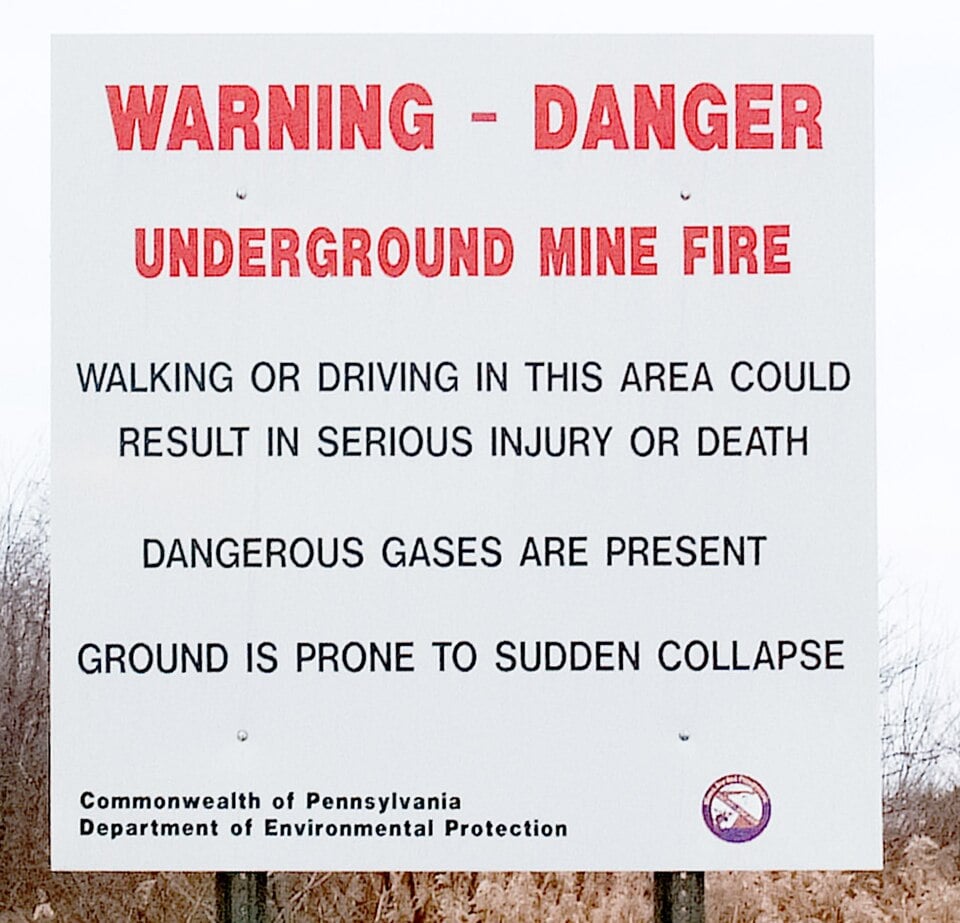
When you stand on a deserted road that suddenly burns your ankles from below, your senses get confused.
Humans are wired to fear what we cannot see. And in Centralia, you cannot see anything underground, but you know something huge is happening there.
The fire moves like a beast with no shape. The smoke rises from invisible cracks. The ground could collapse beneath you without warning.
There is also the emotional weight of abandonment. Empty houses with no windows, street signs leading nowhere, and the quietness of a place that should be full of life.
We expect towns to be noisy and active. When they’re not, our minds assume something must be responsible.
And then there’s guilt. Many Americans feel a strange sadness when visiting Centralia, even if they have no connection to the town.
Watching an entire community disappear because of one accident feels unfair, tragic, and almost mythic.
What Still Lives Below?
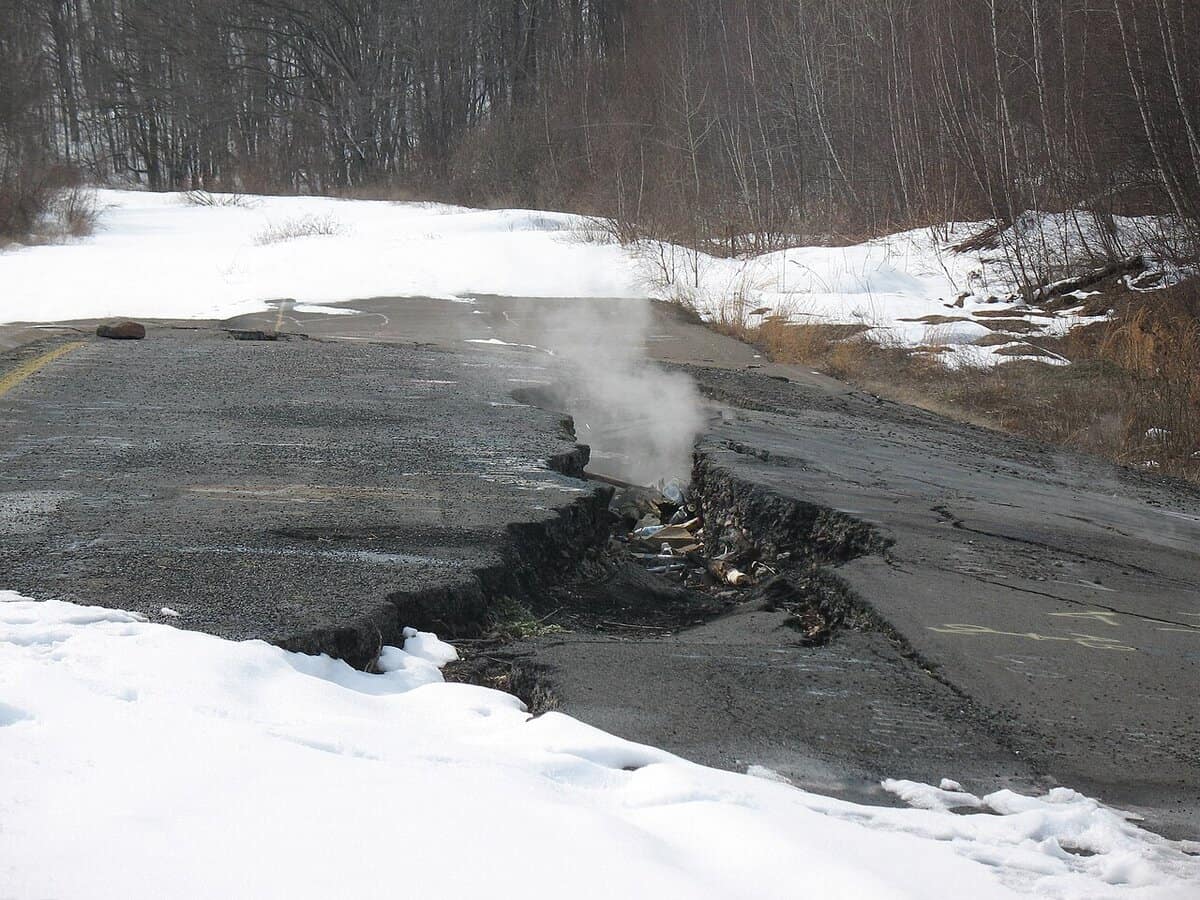
So, what actually exists beneath Centralia? Scientifically: heat, gas, burning coal, collapsing tunnels, and shifting pockets of pressure.
Emotionally: the weight of a tragedy that never ended. Mythically: a presence that feels alive even if it cannot be seen.
People keep returning because Centralia represents something we rarely encounter. A real place where nature and disaster blend into legend.
The fire is not symbolic. It’s truly burning. And everything around it feels symbolic, filled with meaning that no one can quite name.
Centralia stands as a reminder of how easily the ground beneath us can change, how quickly life can vanish, and how deeply humans need stories to explain the unexplainable.
Whether you believe in spirits, old gods, elemental forces, or simply the power of myth, Centralia offers a place where all those beliefs feel strangely possible.
In the end, the town may be empty, but the mystery beneath it is very much alive.

私は生まれたときから、常に神との強いつながりを感じていた。作家として、また指導者として、私の使命は、人々が最も暗い時代に愛と幸福と内なる強さを見つけるのを助けることである。