
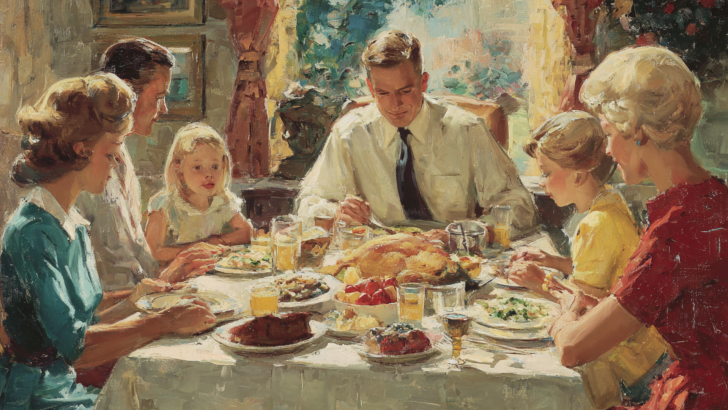
The language of the past becomes obsolete with every passing generation. The Baby Boomers learned many of their phrases through their families, peers, and teachers, oftentimes paired with humor, caution, and wisdom.
While today’s youth may hear these phrases within the confines of their own households, they often fail to comprehend them.
By observing these antique expressions, we gain insight into the spoken words, thoughts, and reasoning of our ancestors when dealing with day-to-day concerns.
1. “Don’t count your chickens before they hatch.”
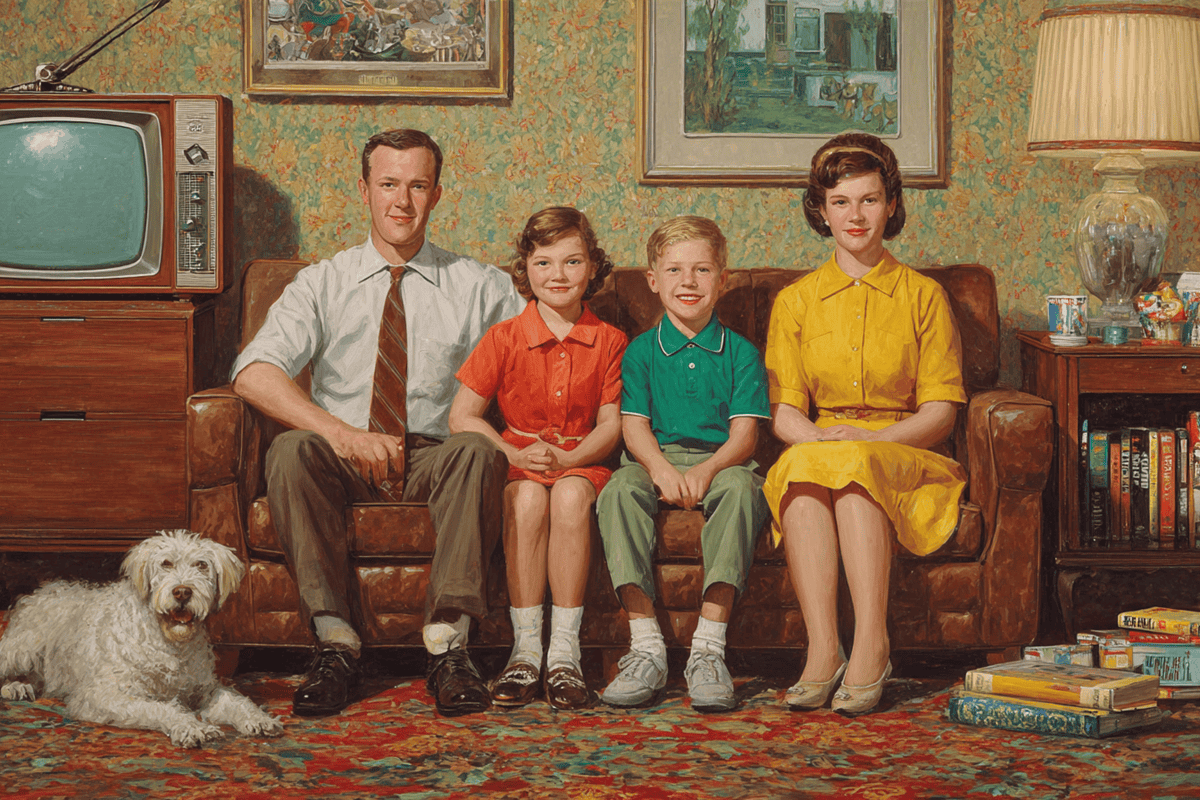
The saying “Don’t count your chickens before they hatch” cautions against premature vision of success, since your plans could fail.
They come from the world of farming because not every egg results in a chicken. It also promotes patience and being realistic.
Over time, however, the original intent became lost, as people began using the phrase to make large claims before getting results.
2. “That dog won’t hunt.”

The phrase meant that an idea would fail, and boomers often used it to dismiss weak arguments. The phrase is derived from hunting culture, where a dog that did not do its job (hunt) was useless.
The phrase implied that an individual spending time and effort on something but not getting anything accomplished was useless. Most frequently, it was used in the workplace and in relation to being responsible for work.
While the phrase has become obsolete today, it was meant to convey that failure was inevitable.
3. “Hold your horses.”
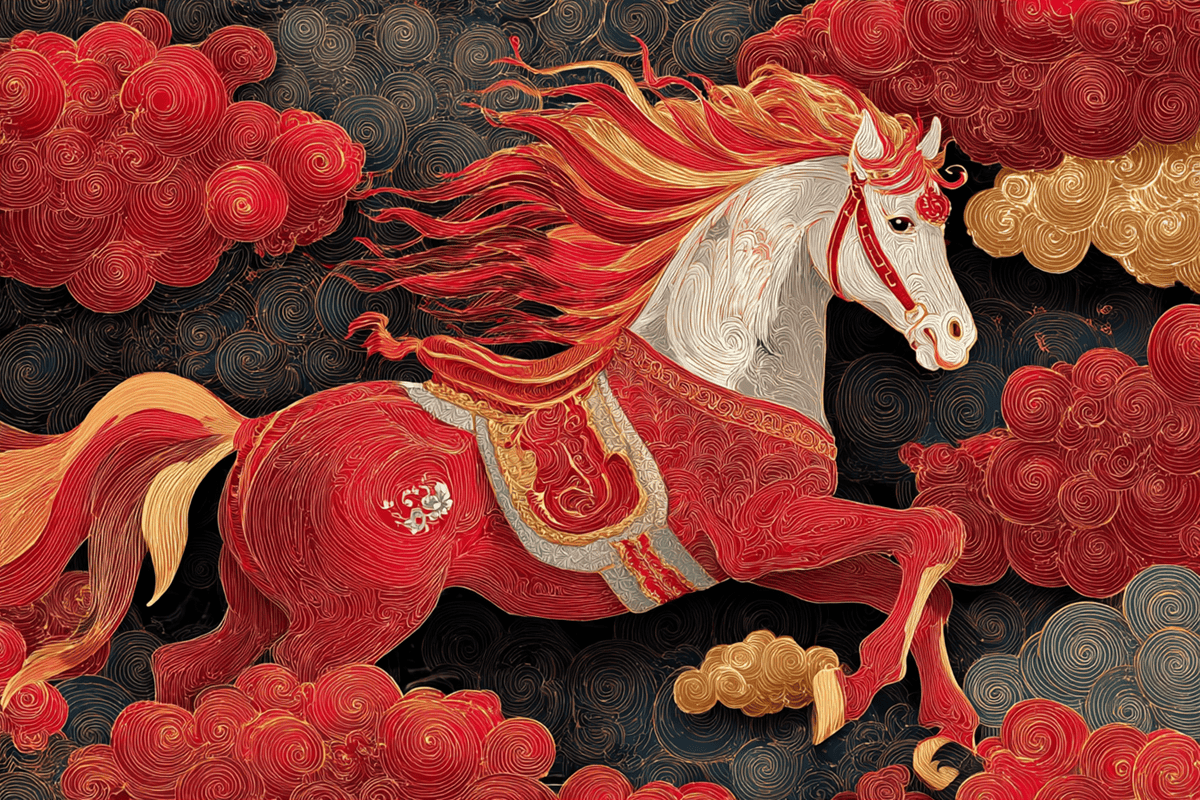
Boomers used this phrase to help them settle down and wait before they acted.
It comes from a time when horses were the primary means of transportation and needed a lot of care and attention. This phrase represented a desire to slow down and think before acting.
Today, most people do not remember where the expression originated, but still use it as a gentle way to encourage someone not to rush into an action or decision without carefully considering the potential consequences first.
4. “He’s all hat and no cattle.”

The phrase “all hat and no cattle” was used by baby boomers to identify and point out people with a lack of substance but a lot of empty confidence.
In ranching terms, having actual cattle demonstrated real success; just wearing a hat did not mean anything. It was also meant to caution people against judging a person by their outward appearance.
Although many people today may not understand that meaning, the phrase is used to clearly indicate an individual was exaggerating and displaying a false sense of authority in various situations throughout life.
5. “Make hay while the sun shines.”

This expression reminded people to take advantage of good opportunities while they still exist. The baby boomers grew up hearing it over and over again regarding work and timing.
It originated in farming because farmers would make hay during the dry season, and once the rain came, they would lose their opportunity. The saying is meant to show people that it is important to take action and be aware.
It also reminded people that the good times do not last forever. While it is not as popular now with farming becoming less prevalent, the lesson from this saying is still very important.
6. “You can’t get blood from a stone.”

The above statement means you cannot receive something from someone who does not have it within themselves. Boomers often used this expression as a way of being realistic about the limitations of what can be done.
This expression applies to all things: money, time, effort, emotions, etc. Therefore, this saying taught people not to impose impossible expectations upon others and to learn to accept the “reality” of what they will or will not be able to do.
The expression has dramatically changed over time, but it was a simple and effective way to tell individuals that their requests were unreasonable and could not be fulfilled.
7. “That’s the way the cookie crumbles.”
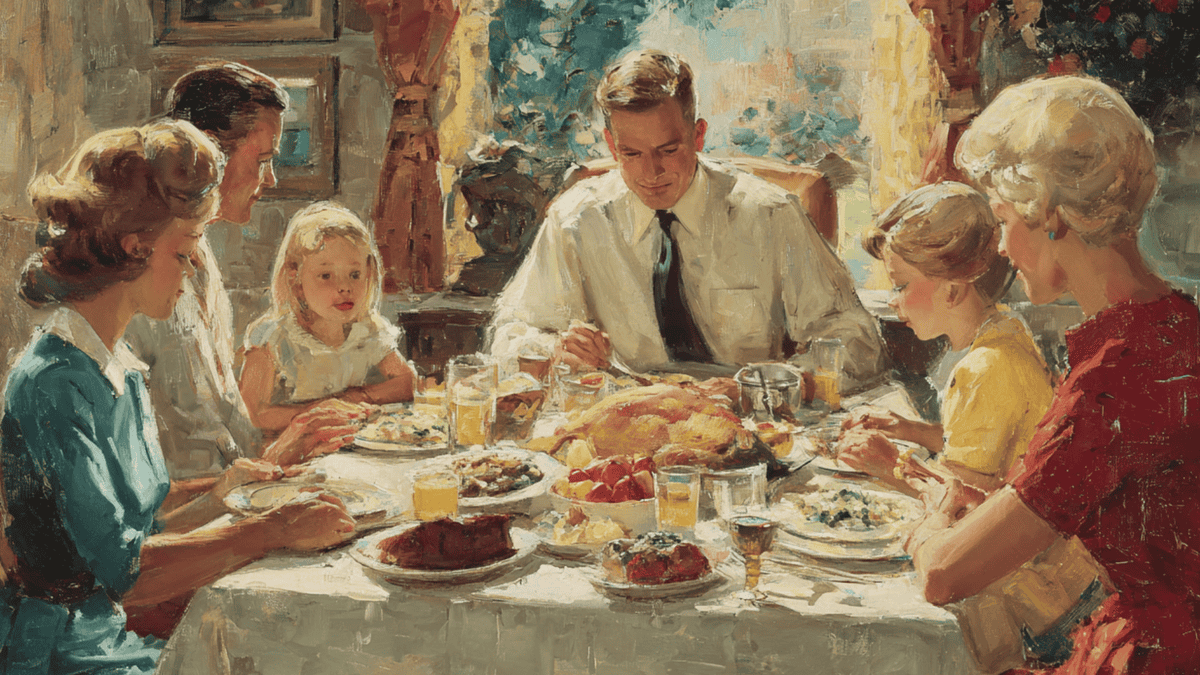
This phrase might be familiar to younger generations, but it was used by boomers, who accepted disappointment and understood that life doesn’t always go according to plan.
Boomers adopted this expression as a means to accept things that were not going as they had hoped, to accept that they did not have the ability to fix things, and to simply be understanding of the situation rather than blaming others.
Today, the phrase is used playfully but has its roots in the resilience to get back up and move forward rather than dwelling on what failed.
8. “Put a sock in it.”

This was a term used to shut someone up, typically in jest. Boomers often heard it during moments when they were too loud and annoying. Its origins are vague, yet it derives from an action intended to muffle someone.
In the past, this phrase, although rude by today’s standards, was typically used in a friendly manner and reflected how laughter made communication easier between people.
The phrase has changed over time, as have many common words and expressions.
9. “Don’t let the door hit you on the way out.”

When someone was not welcome to stay around anymore, this phrase was mostly used. It had a sarcastic connotation for the baby boomers.
There was no intention to maintain the presence of this individual; therefore, the phrase implied that there would be no effort made to maintain the person’s presence or return.
The phrase expressed terminality and was frequently used in difficult situations (after some form of conflict or frustration). While this statement may sound mean today, in the past, it clearly defined emotional limits through everyday language.
10. “Up to your eyeballs.”
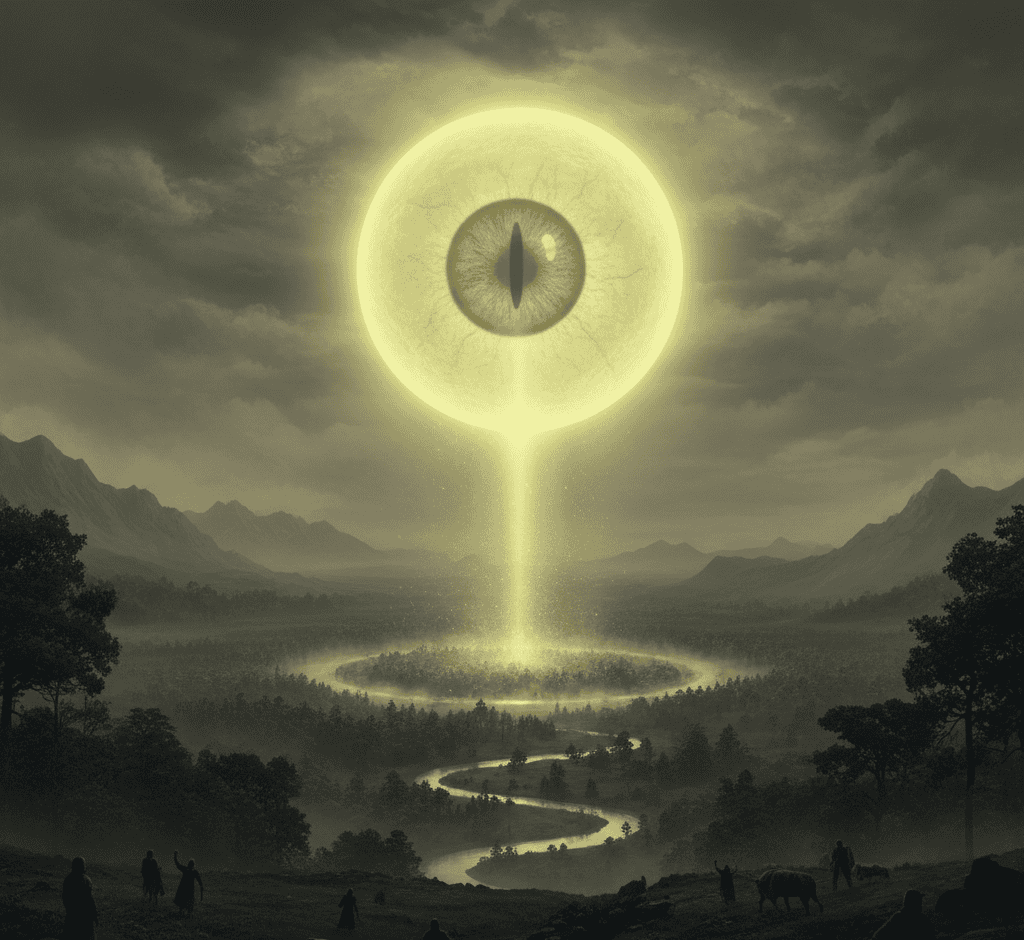
The older generations used this phrase to express feeling overwhelmed or having a lot on their plate, and it had a visual element of being surrounded by things.
Whether it was work, bills, or responsibilities, it created an immediate impression. Although it may seem unduly dramatic, the phrase once effectively expressed the feeling of being overwhelmed with responsibilities.
You might use it today when your day is filled with obligations and tasks you are unlikely to finish.

Born and raised in Bosnia and Herzegovina. Ever since I was a little girl, my imagination knew no bounds. I remember vividly how I’d scribble down short stories, each page bursting with adventures and characters conjured up from the whimsy of my mind. These stories weren’t just for me; they were my way of connecting with my friends, offering them a slice of my fantasy world during our playtimes. The joy and excitement on their faces as we dived into my fictional realms motivated me to keep writing. This early passion for storytelling naturally evolved into my pursuit of writing, turning a childhood hobby into a fulfilling career.