
Stories about the Devil usually focus on fear, temptation, and the unseen world. Most people imagine the Devil as a spiritual being without a physical form.
However, across history, legends and strange locations suggest something different. Many cultures speak of a Devil’s tomb, a physical place connected to darkness, power, and forbidden knowledge.
These stories appear in old texts, local traditions, and mysterious ruins. Whether taken literally or symbolically, the idea of a Devil’s tomb has existed for centuries.
Below are six detailed facts that explain why so many people believe the Devil’s tomb truly exists somewhere in the world.
1. Ancient Cultures Believed Evil Needed a Physical Prison
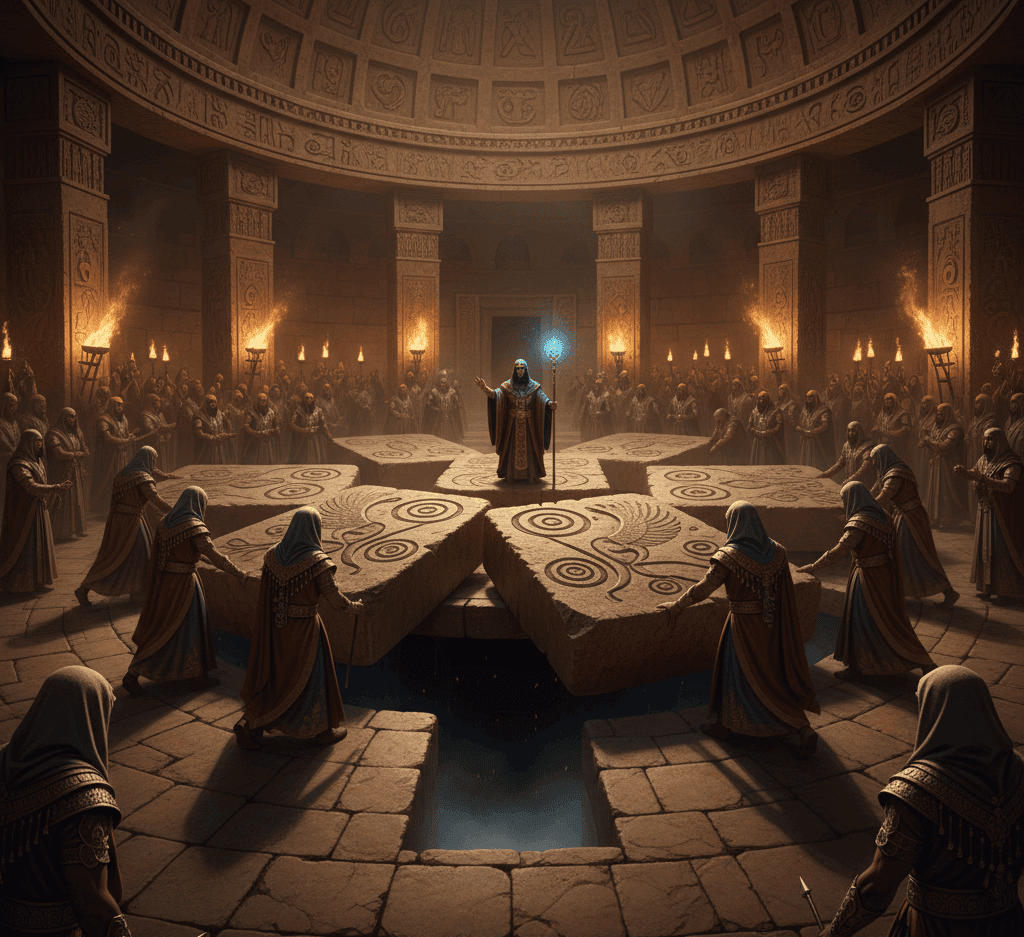
Many ancient cultures believed that powerful forces, both good and evil, needed a physical place to exist or be contained.
Gods had temples, spirits had sacred lands, and dangerous entities were believed to be sealed away in specific locations.
Evil was not just an idea. It was seen as something that could be trapped, buried, or locked beneath the earth.
Old myths from Mesopotamia, Persia, and early Middle Eastern traditions describe dark beings being sealed underground after battles with divine forces.
These places were often marked with warnings and avoided by locals. Over time, such locations were described as tombs or prisons rather than ordinary graves.
The Devil’s tomb fits into this belief system. It represents a place where evil was contained to protect humanity.
This fact explains why people searched for a physical location instead of seeing the Devil as only symbolic.
2. Multiple Locations Around the World Claim to Be the Devil’s Tomb
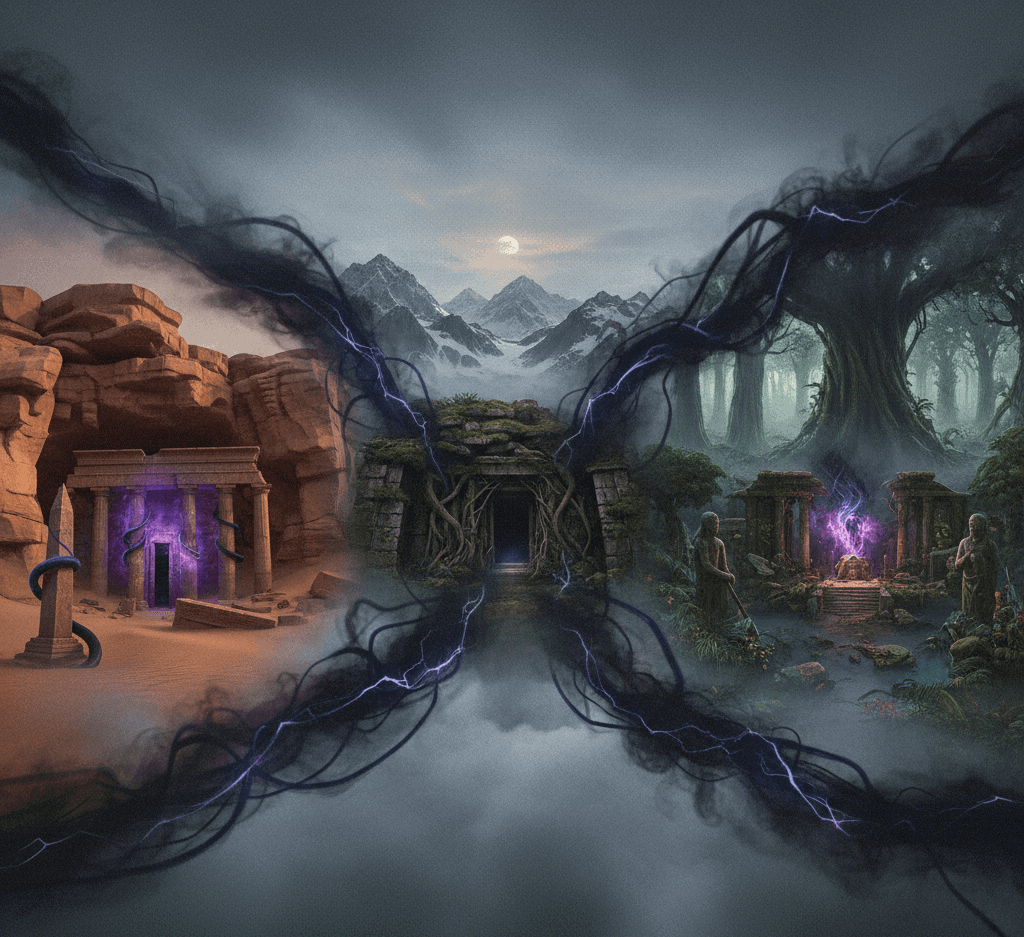
One reason belief in the Devil’s tomb persists is because multiple places across the world claim to be connected to it.
From the Middle East to Europe and even parts of Asia, certain ruins, caves, and underground chambers are locally known as resting places of the Devil or powerful fallen beings.
These sites often share common features. They are isolated, difficult to access, and surrounded by warnings or legends.
Locals speak of strange sounds, heavy air, or unexplained fear near these places. While skeptics call this folklore, the similarities between distant cultures are striking.
The fact that different societies, with no direct connection, developed similar stories suggests a shared ancient belief.
This strengthens the idea that the Devil’s tomb was once thought to be real and specific, not just a metaphor.
3. Religious Texts Hint at a Buried or Bound Evil
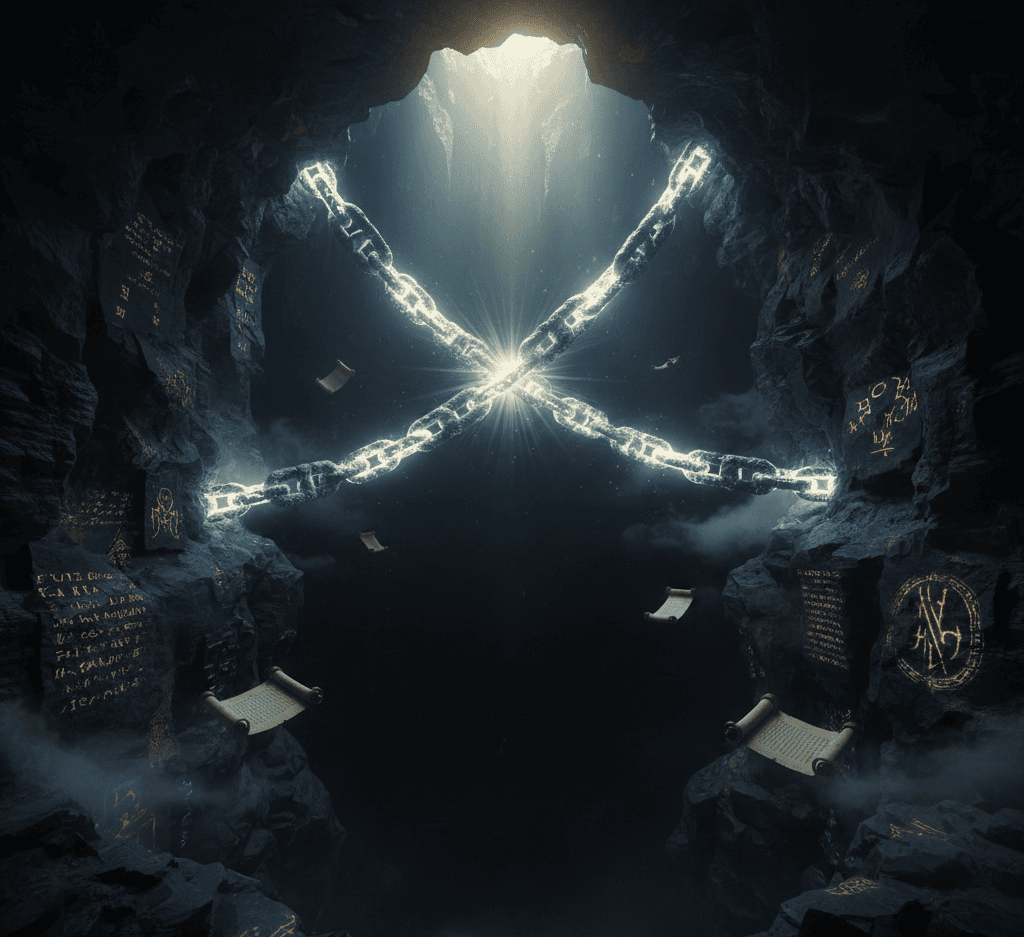
While major religious texts do not clearly describe a Devil’s tomb, many passages suggest that evil forces can be bound, sealed, or cast down into specific places.
References to deep pits, bottomless depths, and sealed chambers appear in various traditions.
These descriptions imply containment rather than destruction. If evil could not be destroyed, it had to be confined.
Over time, these symbolic descriptions may have evolved into literal interpretations. People imagined a real tomb, hidden underground, where the Devil or a fallen entity was placed.
This fact explains how religious language, meant to describe spiritual control, gradually became physical legends tied to real locations.
4. Ancient Ruins Show Signs of Deliberate Sealing
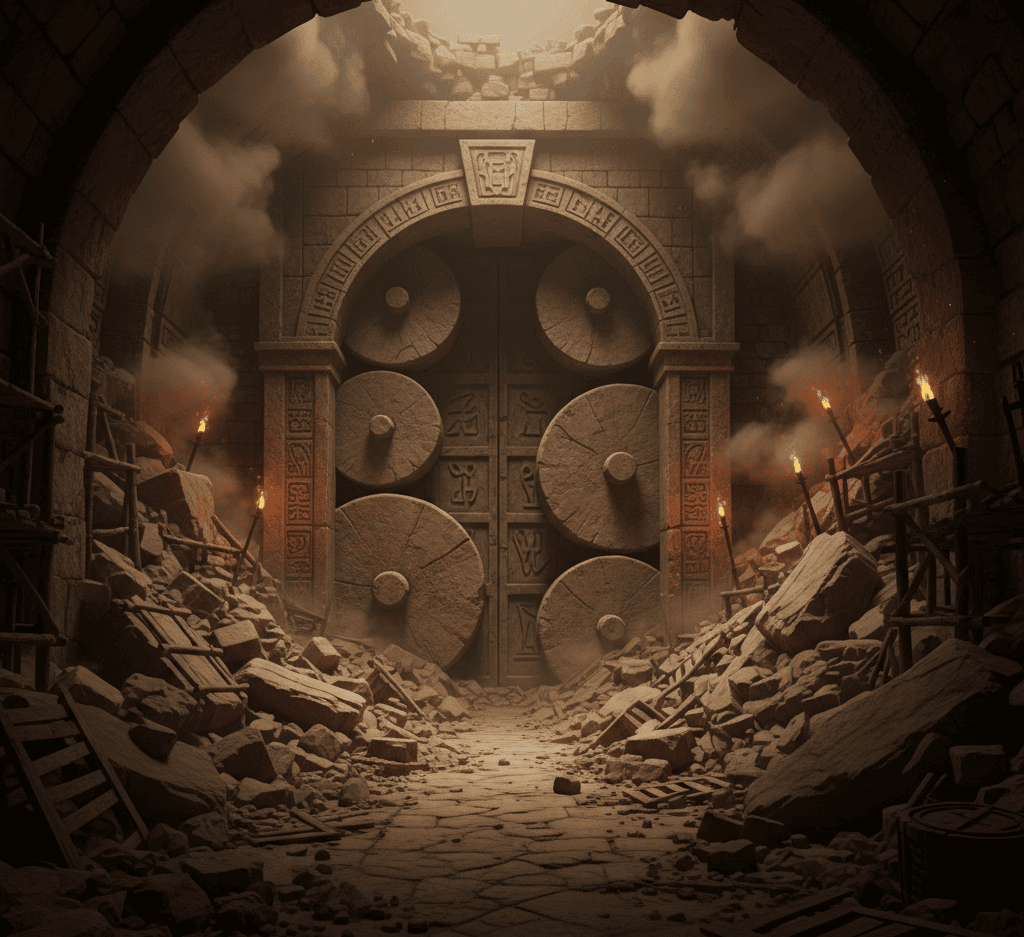
Some ancient underground structures show signs of intentional sealing rather than abandonment.
Archaeologists have found tunnels blocked with massive stones, chambers closed with unusual care, and entrances deliberately hidden or destroyed.
In certain cases, these sealed places do not match burial customs or storage use. Instead, they appear designed to keep something in, not out.
Legends often surround these ruins, warning people not to disturb them. While mainstream archaeology avoids supernatural explanations, the physical evidence supports the idea.
This fact fuels the belief that such sealed chambers could be linked to the Devil’s tomb or a similar dark prison.
5. Medieval Records Speak of Forbidden Sites
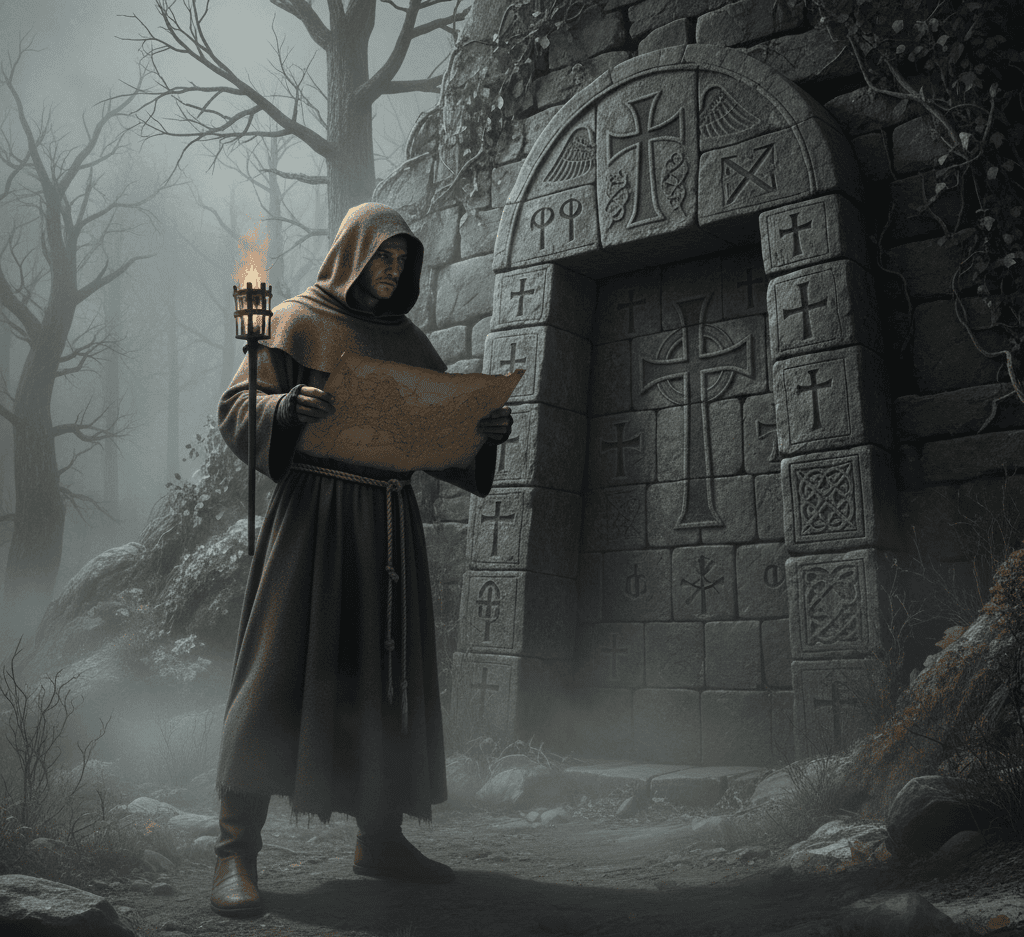
During the Middle Ages, several records mention forbidden sites believed to be connected to demonic forces.
Monks, travelers, and scholars wrote about places that were sealed, cursed, or guarded by religious authorities. These sites were often avoided and left unexplored.
Some writings describe locations believed to contain powerful evil beings trapped by divine intervention.
The Church discouraged investigation, not because the stories were false, but because fear and belief were powerful tools of control.
Over time, these forbidden sites became legends. This fact shows that belief in a Devil’s tomb was strong enough to influence travel, settlement, and religious behavior for centuries.
6. The Devil’s Tomb May Be Symbolic and Physical at the Same Time
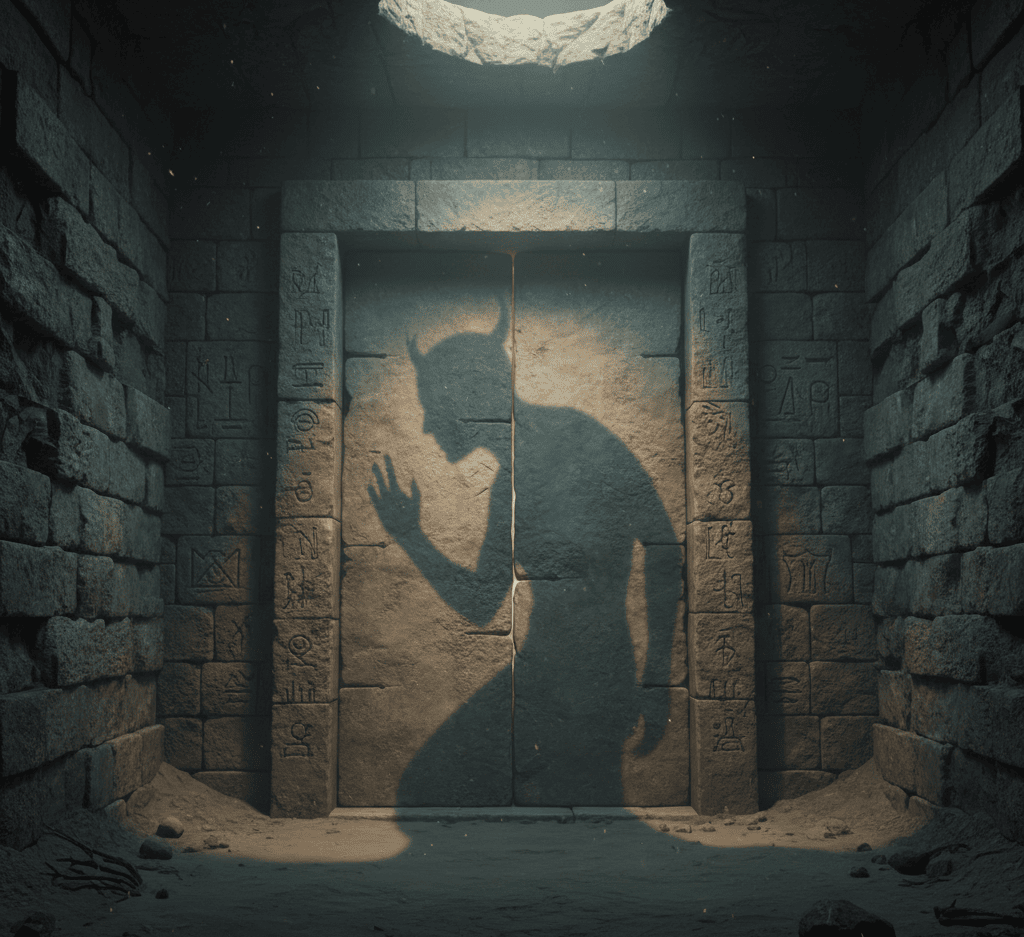
One of the strongest explanations is that the Devil’s tomb exists on two levels. Symbolically, it represents humanity’s attempt to control evil.
Physically, it refers to real locations believed to hold dangerous power. Ancient people did not separate symbolism from reality the way modern society does.
To them, a sealed cave or underground chamber could be both a real place and a spiritual prison.
The Devil’s tomb may not be a single location, but a concept applied to many places believed to contain darkness.
This fact explains why the legend persists. It is rooted in human fear, belief, and the need to explain evil in a physical world.

私は生まれたときから、常に神との強いつながりを感じていた。作家として、また指導者として、私の使命は、人々が最も暗い時代に愛と幸福と内なる強さを見つけるのを助けることである。