
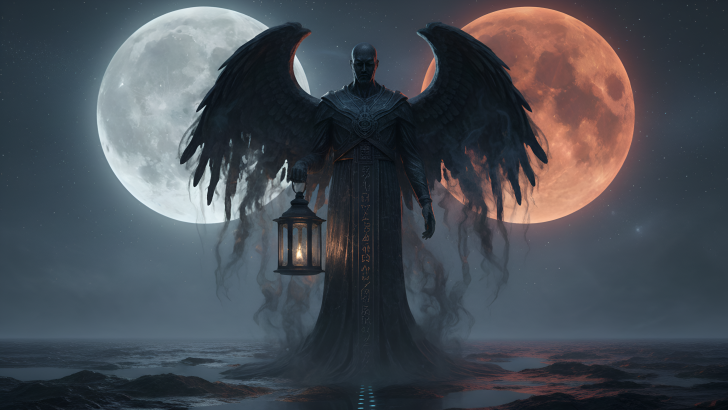
In many traditions, angels are known as messengers, protectors, and guides. They bring light to darkness, warn of danger, and sometimes carry souls to the afterlife.
Dumah, the angel who guards the silence of the dead, is rarely mentioned in mainstream religious texts, yet whispers of his existence appear across Jewish, Islamic, and mystical traditions.
He is the keeper of the tombs, the observer of the departed, and the enforcer of a cosmic stillness that reminds the living of the boundaries between life and death.
His presence is more shadow than light, more solemn duty than miraculous intervention, yet his role is crucial in maintaining balance between worlds.
The Silent Guardian of the Departed
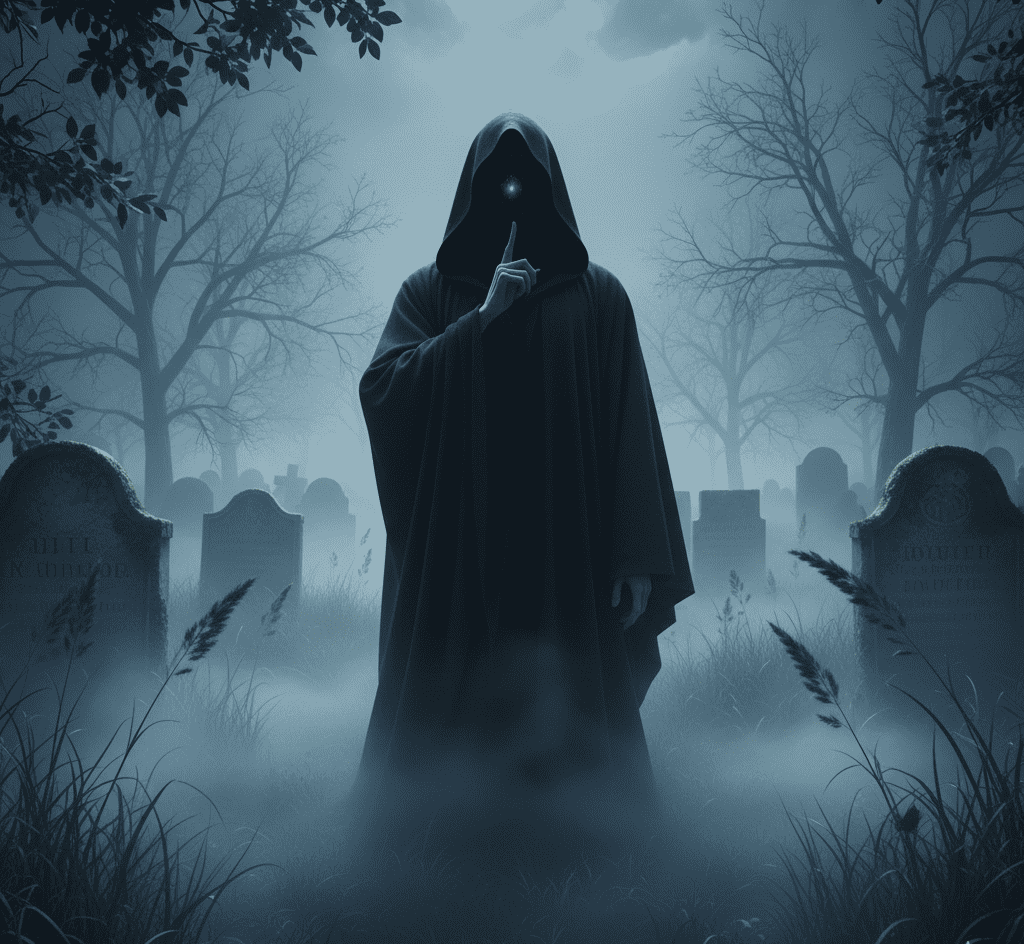
Dumah is often described as the angel of silence and death, a figure who oversees the moment when life slips into eternity.
Unlike other angels who deliver messages or intervene in human affairs, Dumah’s task is observational.
He watches over souls as they leave the earthly plane, ensuring that the transition is orderly and that no disturbances breach the fragile barrier between the living and the dead.
Some ancient texts suggest he resides near graveyards and crypts, appearing as a shadowy figure whose mere presence commands respect and quiet.
Witnesses claim that encounters with Dumah are never frightening in a violent sense, but they carry a weight of awe, a deep understanding that the living and dead occupy very different realms.
Stories describe Dumah speaking rarely, if at all. His power lies in silence, not words.
Legends claim that he listens to the final thoughts of the departed and carries the echo of those thoughts to the higher realms.
Whistleblowers and mystics who claim encounters with him emphasize the strange calm they feel, a pressure that seems to demand respect for life and death alike.
Dumah does not judge, punish, or reward; he merely observes and maintains the sacred quiet.
Dumah in Mystical and Religious Traditions
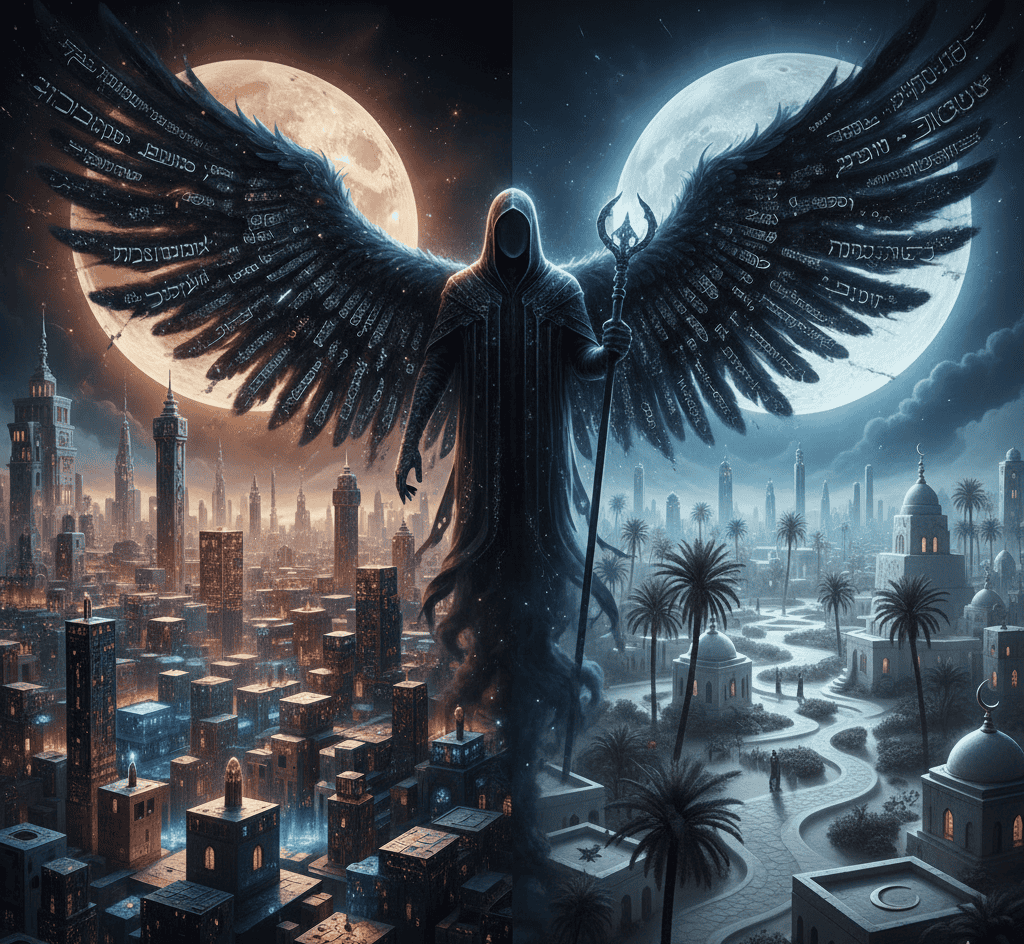
While Dumah is mentioned sparingly in mainstream religious texts, mystical traditions offer more detailed accounts.
In Jewish mysticism, he is sometimes associated with Gehenna, the spiritual place of purification, acting as a guardian who prevents souls from leaving prematurely or disturbing the natural order.
Islamic traditions describe him as an angel who oversees the graves and ensures that the dead remain undisturbed.
These descriptions align with a consistent theme: Dumah embodies the necessity of silence and respect in the face of mortality.
Mystics have also described encounters with Dumah during near-death experiences or deep meditation.
People claim to have sensed a profound quietude, as though the angel was present, confirming the end of life and the sanctity of its passage.
Unlike other celestial beings who may inspire awe with bright light or loud pronouncements, Dumah’s influence is subtle but undeniable.
His presence is felt in the sudden awareness of mortality, the weight of remembrance, and the delicate balance between fear and acceptance.
Encounters with the Angel of Silence
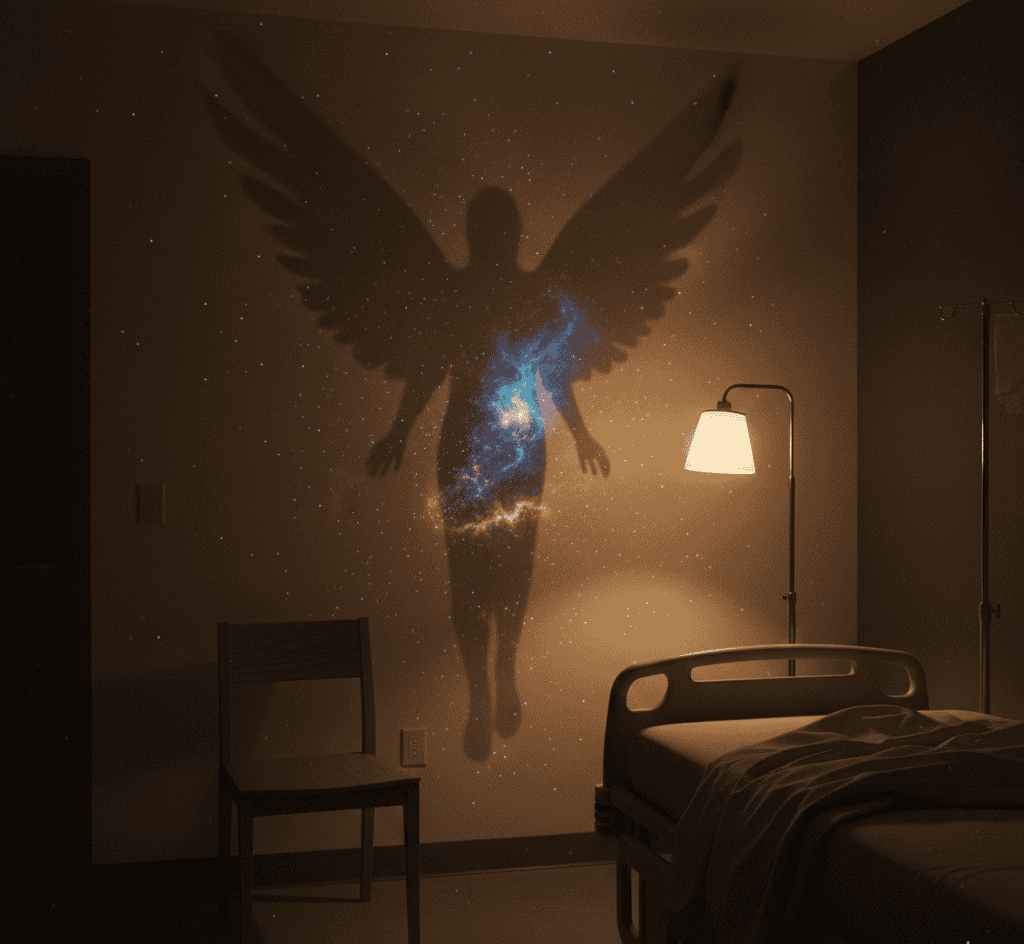
Accounts of direct encounters with Dumah are rare, but they are striking in their consistency. Many report feeling a presence that is not threatening, yet cannot be ignored.
Some describe a shadowy figure standing near graves, or a gentle hush that falls over a room when the dying are near.
Whistleblowers and esoteric researchers who have studied these events suggest that Dumah is a type of interdimensional being, appearing to humans in forms they can comprehend.
Like other angels described in interdimensional terms, Dumah seems able to traverse the boundaries of time and space, appearing precisely when needed and vanishing without a trace.
Several hospice workers and spiritual healers have shared stories that echo these descriptions.
They speak of moments when patients pass away peacefully, yet witnesses swear that a figure watched silently from the corner of the room.
The dying themselves sometimes report visions of a quiet presence guiding them, a sense of being acknowledged without words.
Researchers studying these accounts suggest that Dumah’s role may be part biological, part psychological, and part spiritual, bridging gaps between the living, the dead, and the cosmos itself.
Why Dumah Matters in Modern Times
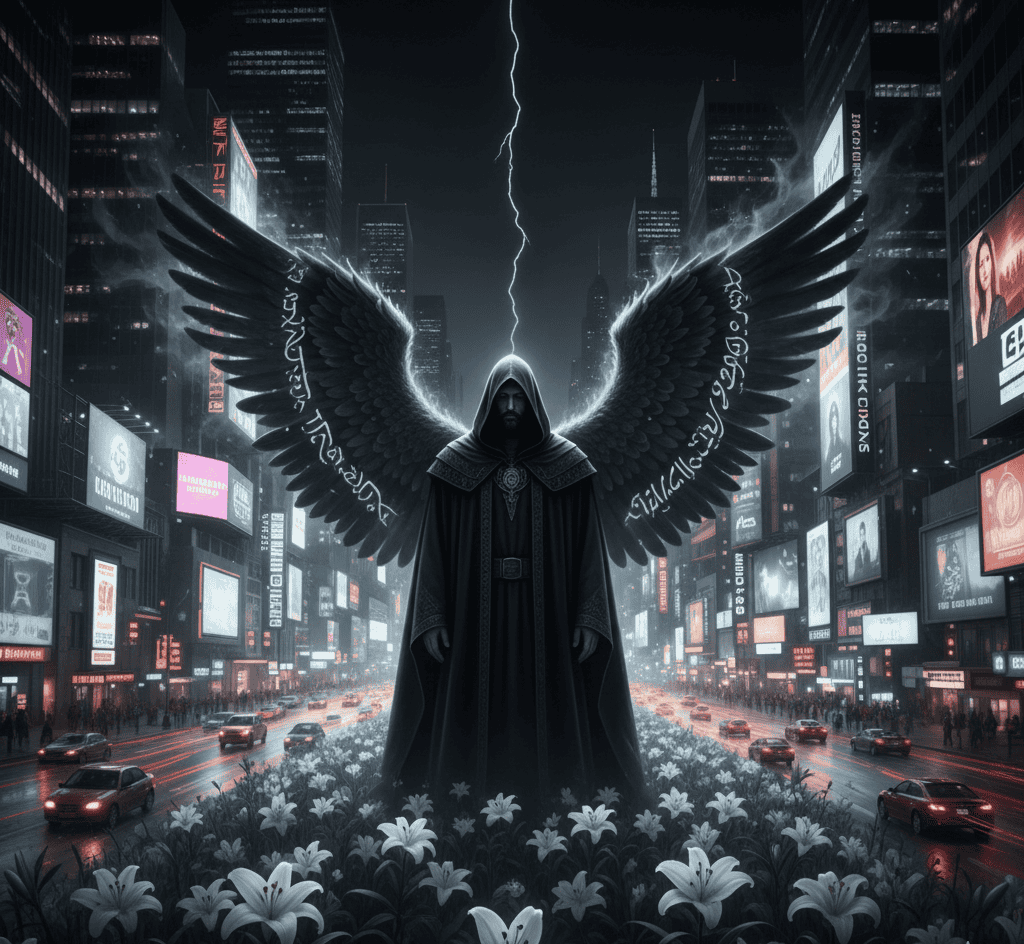
In an age where death is often hidden and feared, the figure of Dumah reminds humanity of the need for quiet reflection and respect.
He symbolizes the importance of acknowledging mortality, of keeping space for grief and remembrance, and of understanding that life and death are intertwined in ways we cannot fully control.
Whistleblowers, mystics, and ordinary people who claim to encounter him agree on one thing: his presence is a lesson in humility.
He teaches that some things must remain sacred and undisturbed, that silence is not emptiness, and that the final journey of the soul deserves attention and care.
Dumah also challenges the perception of angels as purely benevolent or interventionist. Not all celestial beings act to change human events.
Some, like Dumah, exist to maintain balance, to preserve cosmic order, and to remind humanity that not everything is meant to be altered.
By guarding the dead, he protects the living as well, ensuring that life retains its meaning and that death is neither ignored nor trivialized.
Ultimately, Dumah is a figure of quiet power and solemn duty. Whether one believes in angels, interdimensional beings, or the profound mysteries of consciousness, the stories of Dumah resonate with a simple truth.
Life is fleeting, death is certain, and in between, there are forces beyond comprehension keeping watch, reminding us to honor both the living and those who have passed.
He is the angel of silence, a guardian whose influence is subtle, yet essential, a timeless witness to the final moments of every soul.

私は生まれたときから、常に神との強いつながりを感じていた。作家として、また指導者として、私の使命は、人々が最も暗い時代に愛と幸福と内なる強さを見つけるのを助けることである。