
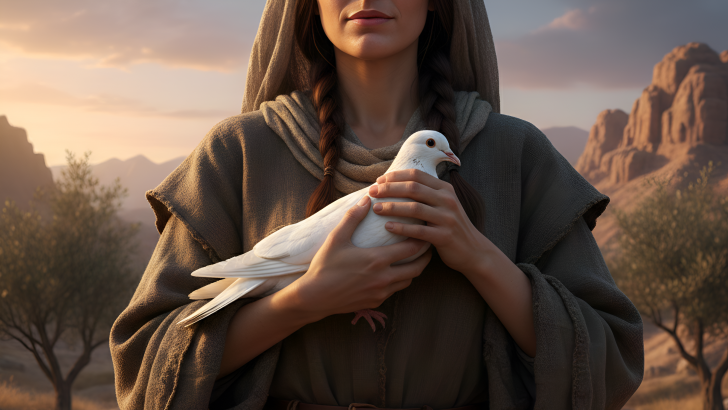
Animals appear throughout the Bible, not only as part of everyday life but also as powerful symbols that carry spiritual meaning.
Many of these animals were familiar to people living in ancient times, especially those involved in farming, herding, or travel.
Because of this, animal imagery helped communicate lessons about faith, obedience, strength, danger, and God’s care.
Some animals represent positive qualities like innocence, protection, or wisdom, while others symbolize pride, destruction, or spiritual threat.
These symbols were easy for people to understand and remember, making them effective teaching tools.
By looking closely at the animals mentioned in scripture, we can better understand the messages behind many biblical stories and teachings.
Each animal reflects human behavior, spiritual truth, or the relationship between God and His people.
1. The Lamb
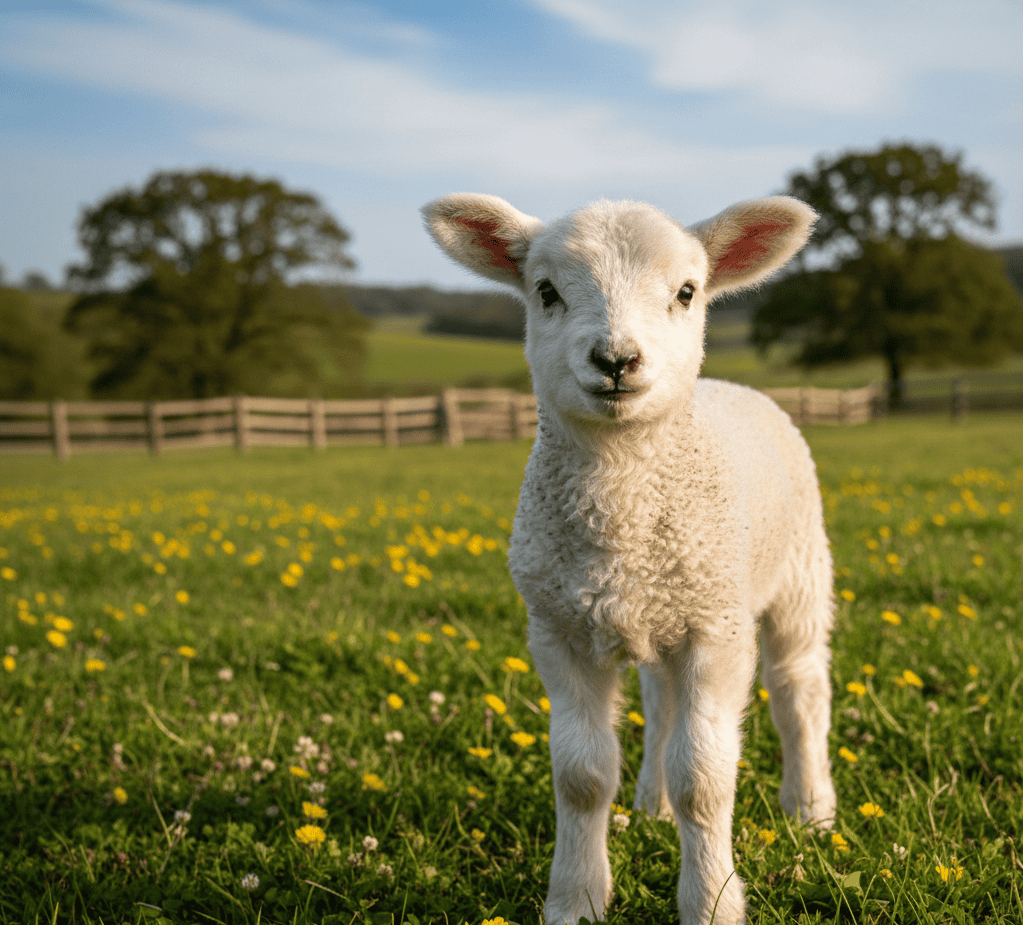
The lamb is one of the most powerful and meaningful animal symbols in the Bible. It represents innocence, purity, sacrifice, and obedience.
In the Old Testament, lambs were often used in sacrificial offerings to atone for sin, showing the seriousness of wrongdoing and the need for forgiveness.
During Passover, a lamb’s blood was placed on doorposts to protect families, symbolizing deliverance and divine protection.
In the New Testament, Jesus is called the Lamb of God, connecting His sacrifice to the earlier traditions.
This image emphasizes humility, gentleness, and willingness to give oneself for others.
Because lambs are quiet and defenseless, they became a symbol of trust in God’s care.
The repeated use of this image throughout scripture highlights themes of redemption, mercy, and the hope of spiritual cleansing through faith and obedience.
2. The Lion

The lion appears in the Bible as a symbol of strength, authority, and power, but its meaning can be both positive and negative depending on the context.
In a positive sense, the lion represents leadership and royal strength, most famously in the title Lion of the tribe of Judah, which points to kingship and ultimately to Christ.
This image reflects courage, victory, and divine authority. At the same time, lions are also used as symbols of danger and destruction, especially when describing enemies or spiritual threats.
The Bible even compares the devil to a roaring lion seeking someone to devour, warning believers to remain alert.
This dual symbolism shows that power itself is neutral and depends on how it is used.
The lion reminds readers to respect strength, seek righteous leadership, and remain watchful against forces that threaten spiritual stability.
3. The Dove

The dove is a symbol of peace, hope, purity, and the presence of God. One of the earliest and most well-known examples appears in the story of Noah.
After the flood, a dove returned to the ark carrying an olive leaf, signaling that the waters had receded and life could begin again.
This moment established the dove as a lasting symbol of renewal and divine mercy.
In the New Testament, the Holy Spirit is described as descending like a dove at the baptism of Jesus, reinforcing the connection between the bird and God’s gentle presence.
Its appearance in scripture often marks moments of reassurance, new beginnings, or spiritual blessing, reminding believers that God’s guidance and peace remain even after difficult seasons.
4. The Serpent
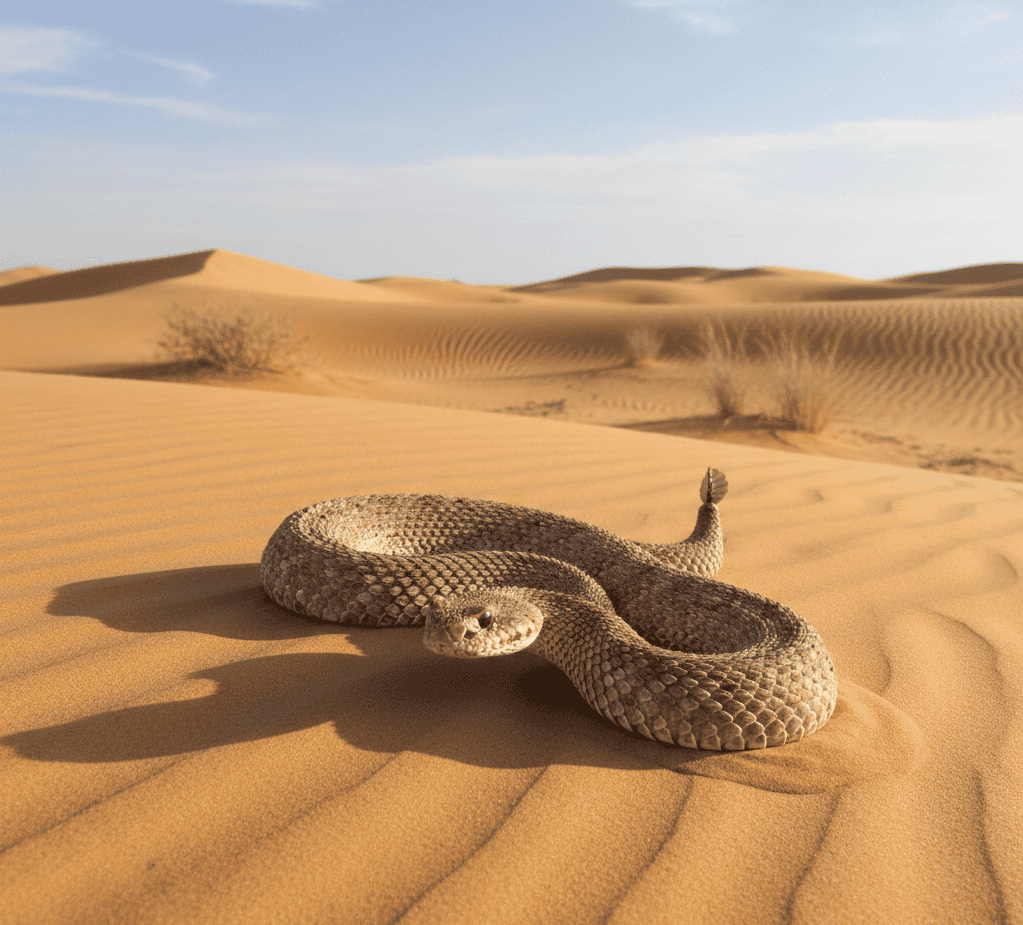
The serpent is one of the most complex and powerful symbols in the Bible.
It is most commonly associated with temptation, deception, and spiritual danger, especially in the story of Adam and Eve in the Garden of Eden.
There, the serpent represents the voice that leads humanity away from trust in God.
Because of this, the image became strongly connected with evil and manipulation. However, the symbol is not entirely negative.
In the wilderness, Moses lifted up a bronze serpent so that those who looked at it could be healed, showing that the same image could also represent healing and salvation when used according to God’s instruction.
This dual meaning highlights an important biblical theme. Something dangerous can become a source of restoration when placed under divine authority and used with faith and obedience.
5. The Eagle

The eagle symbolizes strength, protection, renewal, and the ability to rise above difficulty.
Known for its powerful wings and high flight, the eagle became a natural image for God’s care and support.
In the book of Exodus, God tells the Israelites that He carried them on eagles’ wings, describing rescue, guidance, and protection during their journey.
The eagle’s ability to soar high above storms also represents spiritual perspective and endurance.
In other passages, renewed strength is compared to an eagle’s renewed youth, suggesting restoration and perseverance.
This symbol encouraged believers to trust that God provides strength during hardship.
The eagle reminds readers that faith allows people to endure challenges, rise above fear, and continue forward with confidence, knowing they are supported by divine power and guidance.
6. The Donkey
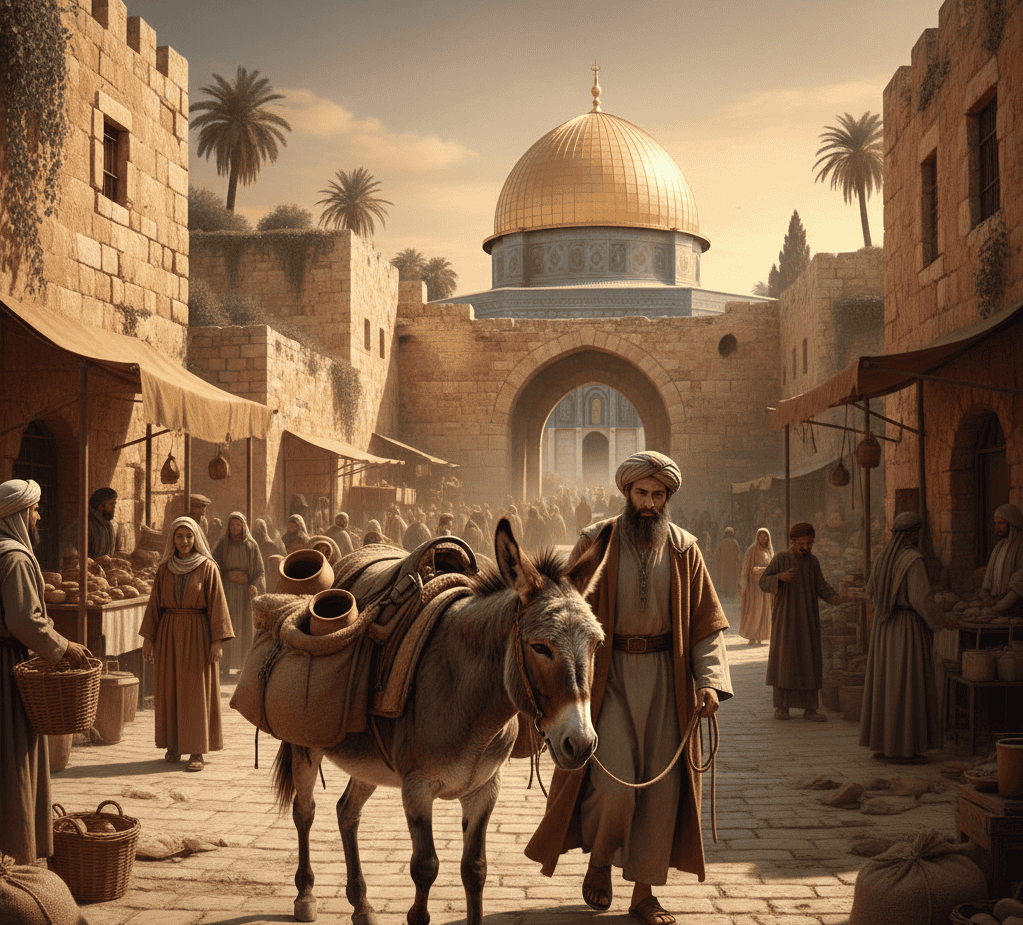
Unlike horses, which were often associated with war and power, donkeys were working animals used for carrying burdens and traveling long distances.
Their steady and gentle nature made them a symbol of faithful service. One of the most important appearances of a donkey in the Bible occurs when Jesus enters Jerusalem riding one instead of a war horse.
This action fulfilled prophecy and signaled that He came as a king of peace rather than conquest.
The image contrasts worldly power with spiritual leadership based on humility and compassion.
Donkeys also appear in everyday stories, reflecting ordinary life and simple faithfulness.
Their presence reminds believers that quiet service, endurance, and humility are valued by God more than status, strength, or outward display.
7. The Sheep
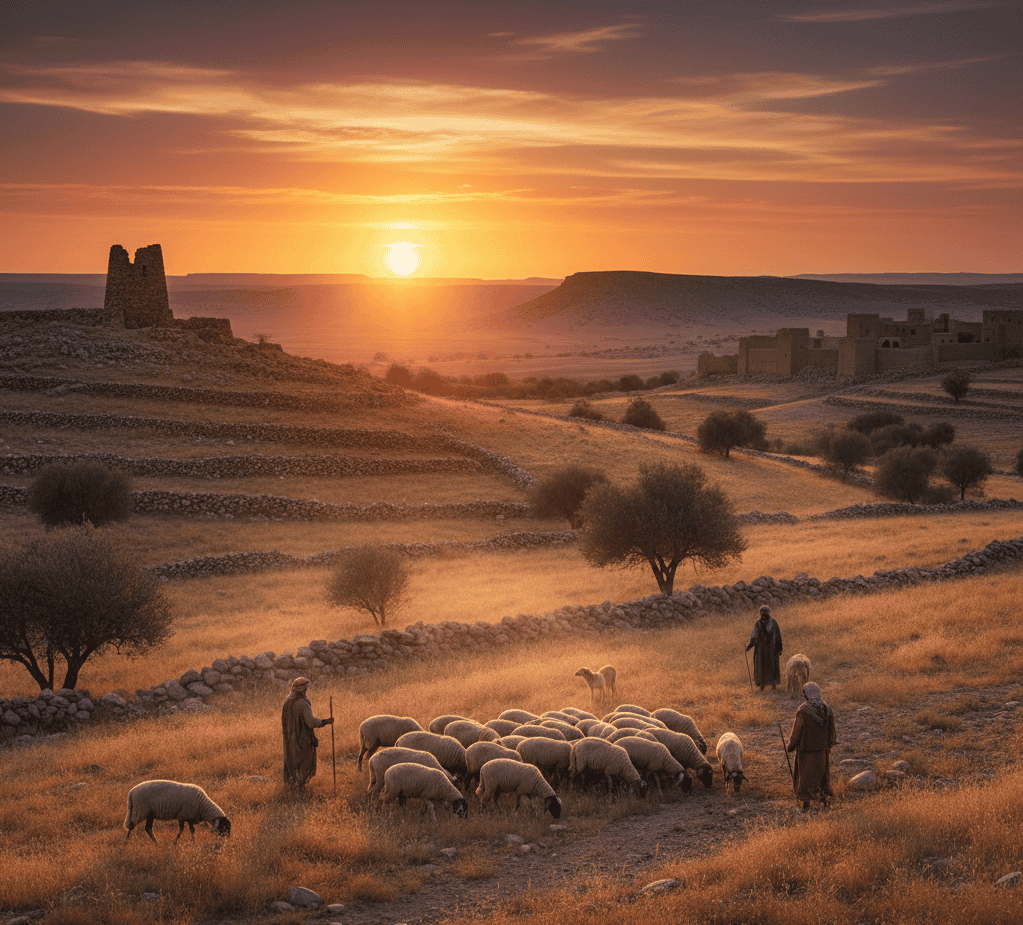
Sheep are closely connected to themes of guidance, dependence, and community in the Bible.
They are often used to represent people who need care, direction, and protection.
Because sheep are vulnerable and easily lost, the image highlights the importance of a shepherd who watches over them.
This symbolism appears frequently in both the Old and New Testaments. God is described as a shepherd who leads His people, provides for them, and searches for them when they stray.
Jesus continues this image, calling Himself the Good Shepherd who cares deeply for each individual.
The relationship between shepherd and sheep emphasizes trust, guidance, and belonging.
This symbol teaches that spiritual life involves dependence on God’s leadership and the comfort of knowing that no one is forgotten or abandoned.

私は生まれたときから、常に神との強いつながりを感じていた。作家として、また指導者として、私の使命は、人々が最も暗い時代に愛と幸福と内なる強さを見つけるのを助けることである。