
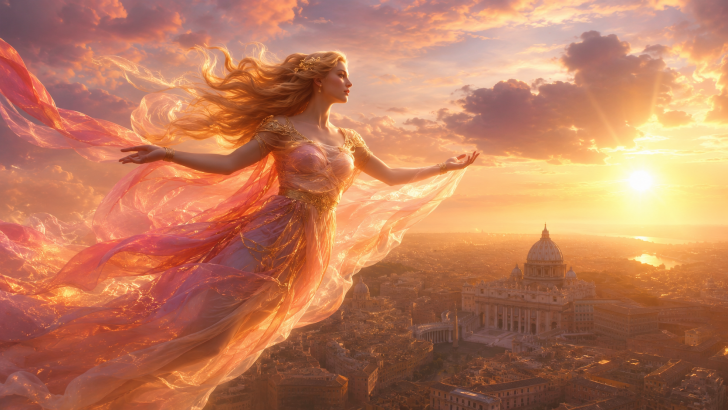
Have you ever watched the sky slowly brighten before sunrise and wondered how ancient people explained that beautiful moment?
In Roman mythology, the arrival of each new day was connected to Aurora, the goddess of the dawn.
The Romans believed she crossed the sky every morning, bringing light to the world and announcing the arrival of the sun.
Although she is not as famous today as gods like Jupiter or Mars, Aurora played an important role in Roman mythology and inspired many artists and writers throughout history.
Her daily appearance reminded people that every night eventually ends and that a new day always begins.
Here are eight interesting things to know about Aurora, the goddess of the dawn.
1. She Brought the Dawn Every Morning

Aurora’s most important role was bringing the dawn. According to Roman mythology, she rose each morning before the sun and spread light across the sky.
The Romans imagined her traveling through the heavens, opening the gates of day. As she moved, darkness slowly faded, and the world began to wake.
This daily journey made Aurora one of the most reliable figures in mythology. No matter what happened the day before, she always returned.
Her story reminded people that each morning offers another chance to begin again and leave yesterday behind.
For farmers, travelers, and workers, dawn marked the start of daily life. Aurora’s arrival symbolized consistency, hope, and the comforting rhythm that guided people through each passing season.
2. Her Name Means “Dawn.”

The name Aurora comes from the Latin word for dawn. Because of this, her identity was directly connected to the first light of day.
The Romans often linked names with purpose, and Aurora’s name perfectly reflected her role.
Even today, the word aurora is still used in modern languages. Many people recognize it from the beautiful northern and southern lights known as auroras.
The continued use of her name shows how lasting her influence has been. Thousands of years later, people still connect the word with light and beauty.
The name itself creates images of colorful skies and peaceful mornings. Few mythological figures have a name that remains so familiar in everyday language today.
3. She Was the Roman Version of Eos
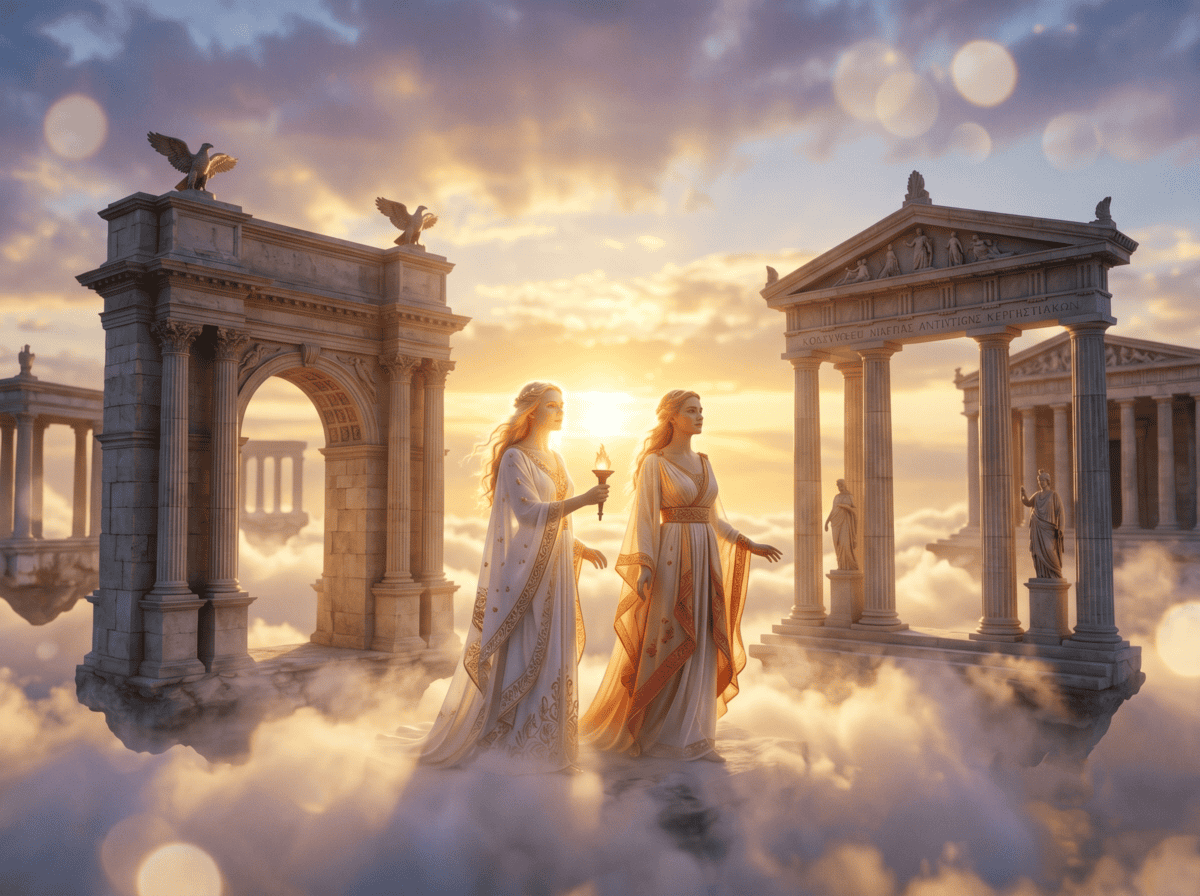
Aurora shares many similarities with the Greek goddess Eos. As Roman culture absorbed Greek influences, many gods and goddesses became closely connected.
Like Eos, Aurora was associated with the arrival of daylight and the beauty of the early morning sky.
The Romans adapted the stories while giving the goddess her own place in their traditions.
This blending of cultures happened with many mythological figures. Aurora became one of the clearest examples of how Roman mythology was shaped by earlier Greek beliefs.
Her connection to another ancient tradition shows how stories can travel across cultures. Similar myths often helped different societies explain the same natural wonders.
4. She Was Often Described as Beautiful

Ancient writers frequently described Aurora as exceptionally beautiful. Her appearance reflected the colors of dawn itself.
Poets often imagined her dressed in robes of gold, pink, or soft red light. These colors matched the shades that appear in the sky before sunrise.
Because of her beauty, Aurora became a popular subject in art and literature. Painters loved capturing the peaceful moment when darkness gives way to light.
Her graceful image helped make her one of the most visually striking figures in Roman mythology.
Many artistic depictions emphasized elegance and radiance. The changing colors of sunrise provided endless inspiration for creative minds throughout the ancient world.
5. She Symbolized Hope and New Beginnings

Aurora represented much more than a daily sunrise. Her arrival became a symbol of hope, renewal, and fresh opportunities.
Every dawn marked the end of one night and the start of another day. This made Aurora a powerful reminder that difficult situations do not last forever.
Many people found comfort in the idea that light always returns. Even after storms, setbacks, or long periods of darkness, morning eventually arrives.
Her symbolism continues to inspire people who are facing challenges and searching for encouragement.
The message remains meaningful today. Many people view sunrise as a reminder that every day brings new possibilities, second chances, and growth opportunities.
6. Many Ancient Poets Wrote About Her
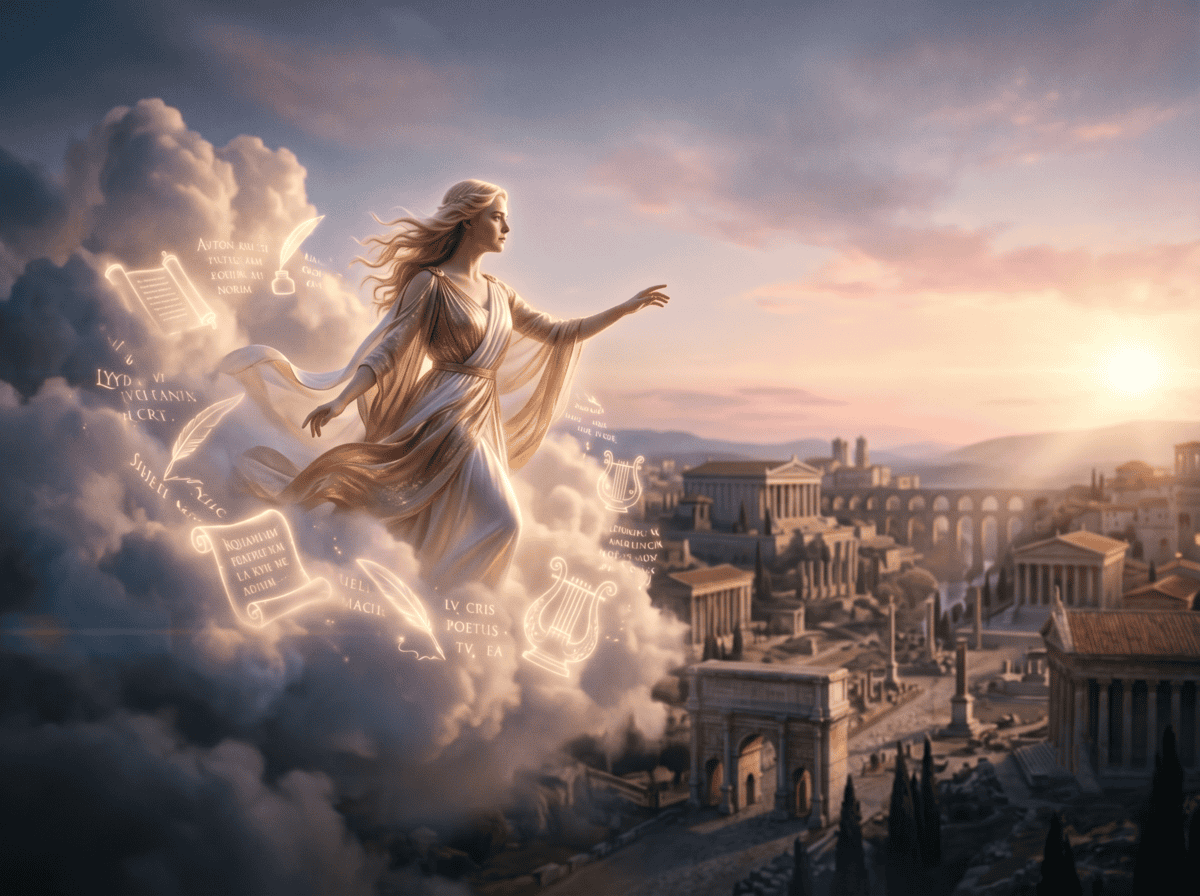
Aurora appeared in numerous poems and stories throughout the ancient world. Writers often used her as a symbol of beauty, youth, and the passing of time.
Because dawn happens every day, she naturally became part of many descriptions of nature.
Poets enjoyed using her image to create vivid scenes and emotional moments. Her appearances often marked the beginning of important events in stories.
The regular mention of Aurora in ancient literature shows how familiar and meaningful she was to Roman audiences. Her presence helped bring scenes to life in a memorable way.
Some authors used her to introduce adventures, while others used her to symbolize change. Her arrival often signaled that something important was about to happen.
7. She Was Connected to the Changing Sky
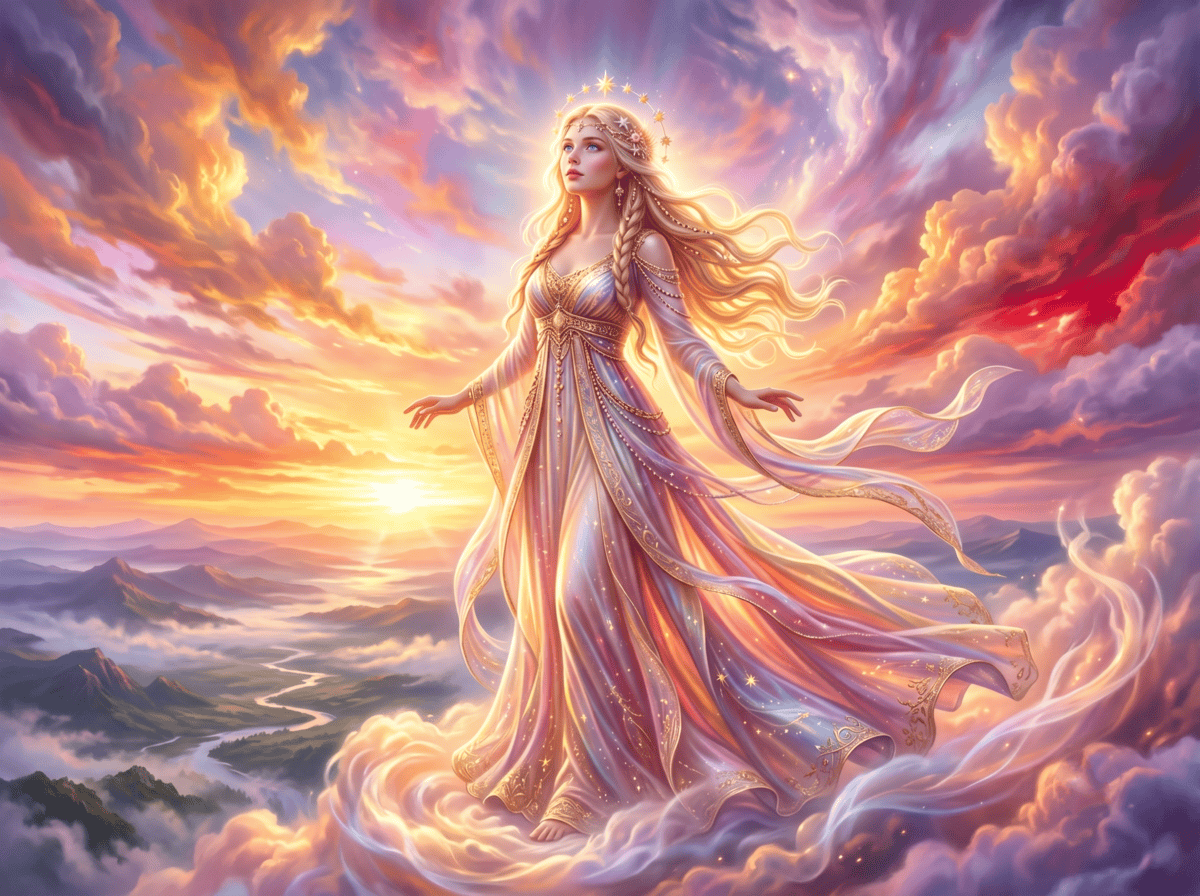
The colors that appear before sunrise helped shape many beliefs about Aurora. People saw shades of gold, orange, pink, and red spreading across the horizon.
To them, these colors reflected the goddess at work. Ancient observers did not have modern scientific explanations for atmospheric effects.
Instead, mythology provided a way to understand the beauty they witnessed each morning. Aurora became closely tied to these colorful displays.
Her connection to the sky helped people feel a sense of wonder at the start of each day.
Watching the horizon slowly brighten could feel magical. Aurora’s story helped transform an everyday event into something meaningful and spiritually significant.
8. She Was Believed to Open the Gates of the Morning
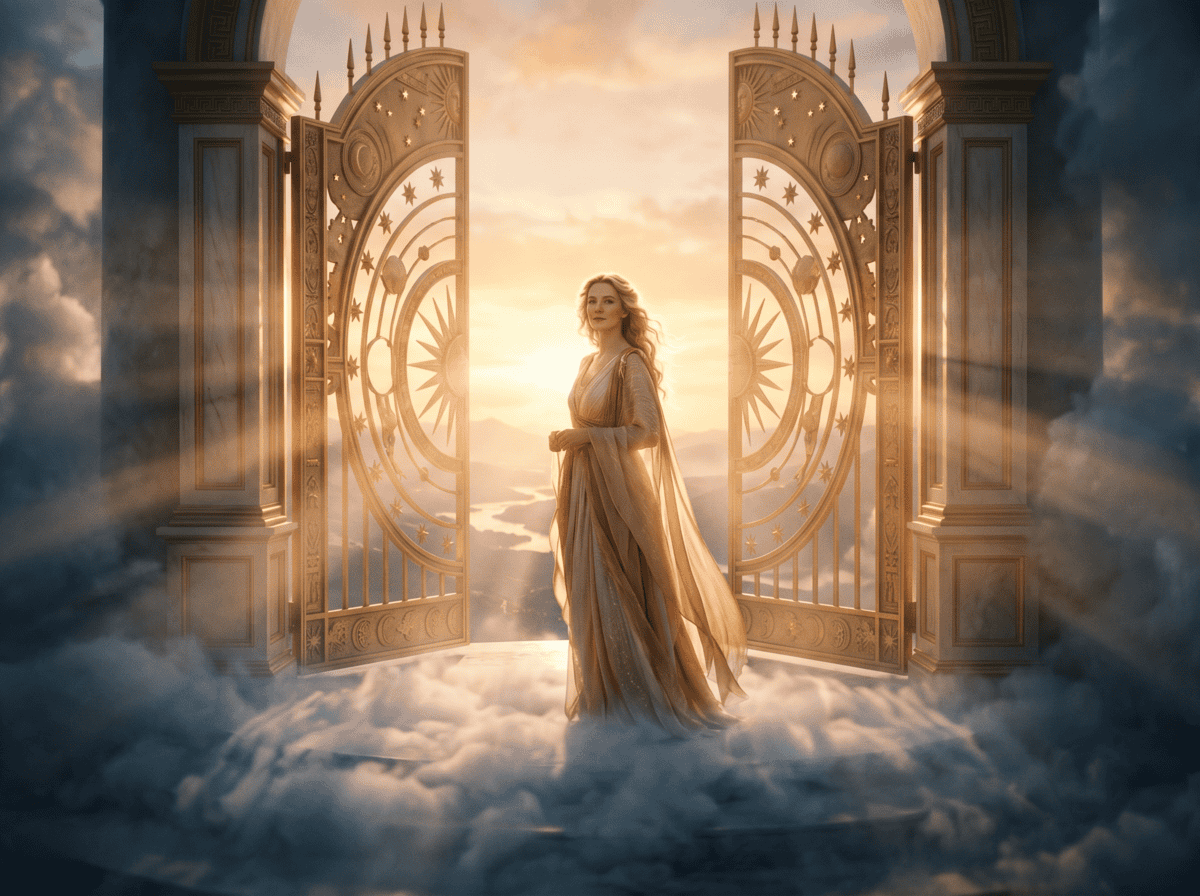
Ancient Romans did not simply see Aurora as a symbol of dawn. Many stories described her as the goddess who opened the gates of the morning and prepared the way for the sun to cross the sky.
According to these myths, Aurora arrived before the sun god, announcing the start of a new day.
This role made her an important part of the daily cycle of the heavens. Without Aurora, daylight could not begin, and the world would remain in darkness.
The image of a goddess opening the gates of morning helped explain one of nature’s most beautiful events.
It also emphasized her role as a bringer of light, movement, and renewal. For ancient people, sunrise was more than a natural occurrence.
It was a daily reminder that order continued to govern the universe and that each new day arrived according to a divine pattern.

私は生まれたときから、常に神との強いつながりを感じていた。作家として、また指導者として、私の使命は、人々が最も暗い時代に愛と幸福と内なる強さを見つけるのを助けることである。