
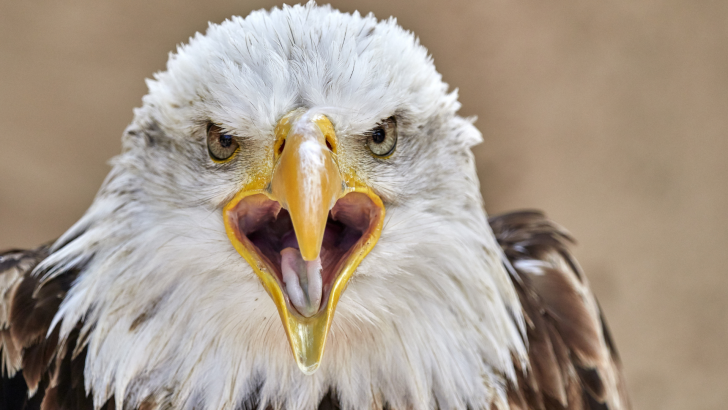
The bald eagle is one of the most recognizable symbols in the United States, often connected with ideas of freedom, strength, and national identity.
Its image appears on official seals, coins, and important documents, making it a constant visual reminder of the country’s values.
But this choice was not random or purely decorative. The bald eagle was selected with careful thought, based on what it represents and how it reflects the spirit of a growing nation at the time.
Its natural qualities, combined with the meaning people saw in it, made it stand out among other animals.
This article explores the key reasons why the bald eagle became such an important symbol, focusing on simple and clear ideas that explain its lasting significance in American culture and history.
1. It Represents Freedom Through Its Natural Behavior
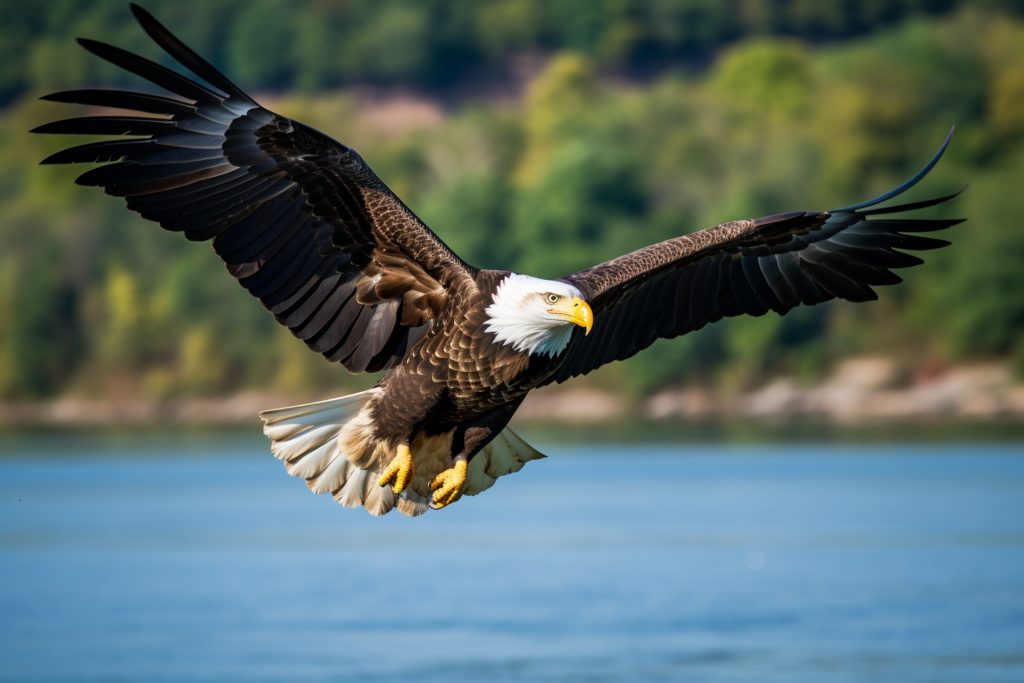
The bald eagle is strongly connected to the idea of freedom because of how it lives and moves in the wild.
It flies high above the ground with powerful wings, often gliding effortlessly across wide open skies.
This ability to soar at great heights creates a strong image of independence and control, which many people associate with personal and national freedom.
Unlike animals that stay close to the ground or depend heavily on groups, the bald eagle often appears alone, moving confidently through its environment.
This sense of independence made it a powerful symbol for a country that valued self-direction and liberty.
When early American leaders looked for an image that could represent these ideas, the bald eagle stood out because its natural behavior already reflected them.
Its flight became more than just movement. It became a symbol of rising above limits and living without restriction in a vast and open world.
2. Its Strength and Presence Reflect Power

Another reason the bald eagle was chosen is because of its strong and commanding presence.
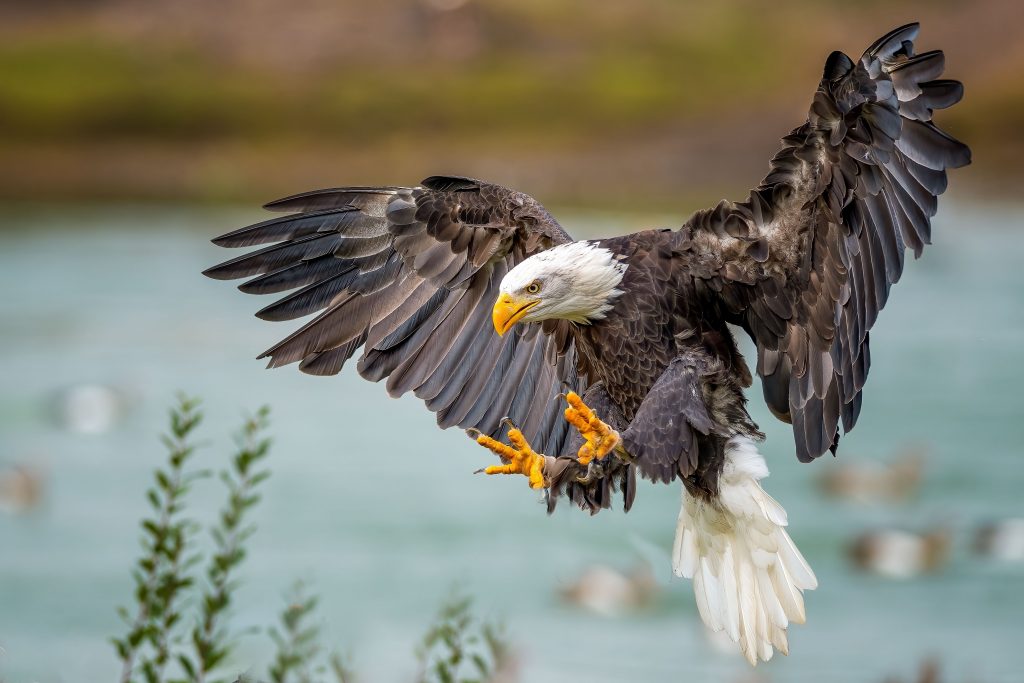
It is a large bird with sharp features, powerful talons, and a focused gaze that gives it a sense of authority.
When people see a bald eagle, it often creates an impression of confidence and control.
These qualities made it a fitting symbol for a nation that wanted to present itself as strong and capable.
The bird’s ability to hunt and survive in different environments also reflects resilience and skill. It does not rely on others to succeed, which adds to its image of self-strength.
This kind of power is not loud or chaotic, but steady and controlled, which aligns with the idea of responsible leadership.
By choosing the bald eagle, early Americans connected their national identity with an animal that naturally shows strength without aggression, creating a balanced symbol of power that feels both firm and dignified.
3. It Is Native to North America
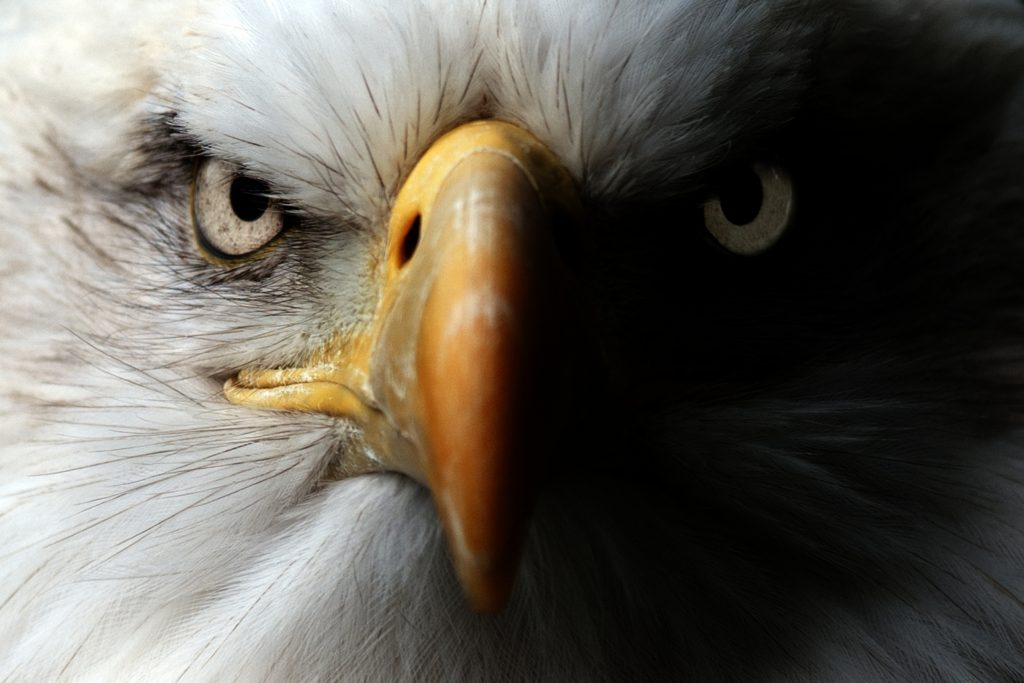
The bald eagle is native to North America, which made it an especially meaningful choice as a national symbol.
At the time when the United States was forming its identity, leaders wanted something that represented the land itself, not something borrowed from other parts of the world.
Many countries used lions or other animals that were not native to their regions, often based on tradition or history.
The bald eagle, however, lived across the American landscape, from forests to rivers and coastlines. This made it feel connected to the country in a real and physical way.
Choosing a native animal helped create a sense of uniqueness and independence from other nations. It showed that the country was building its own identity based on its own environment and values.
The presence of the bald eagle across the land made it a natural and meaningful symbol, representing not only ideas but also the physical space that people called home.
4. It Was Officially Chosen in Early American History
The bald eagle became the national symbol in 1782, when it was placed on the Great Seal of the United States.
This decision came after careful discussion among leaders who wanted an image that captured the spirit of the new nation.
The eagle was shown holding arrows and an olive branch, representing both strength and a desire for peace.
This combination of symbols added deeper meaning to the image, showing that power should be balanced with responsibility.
The eagle’s placement on the seal made it an official part of the country’s identity, not just a popular idea. Over time, this image was used in many important places, reinforcing its role as a national symbol.
Because it was chosen during the early formation of the country, the bald eagle became closely tied to its history and values.
This official decision helped ensure that the eagle would remain a lasting and recognizable symbol for generations.
5. It Combines Power with a Sense of Calm Control
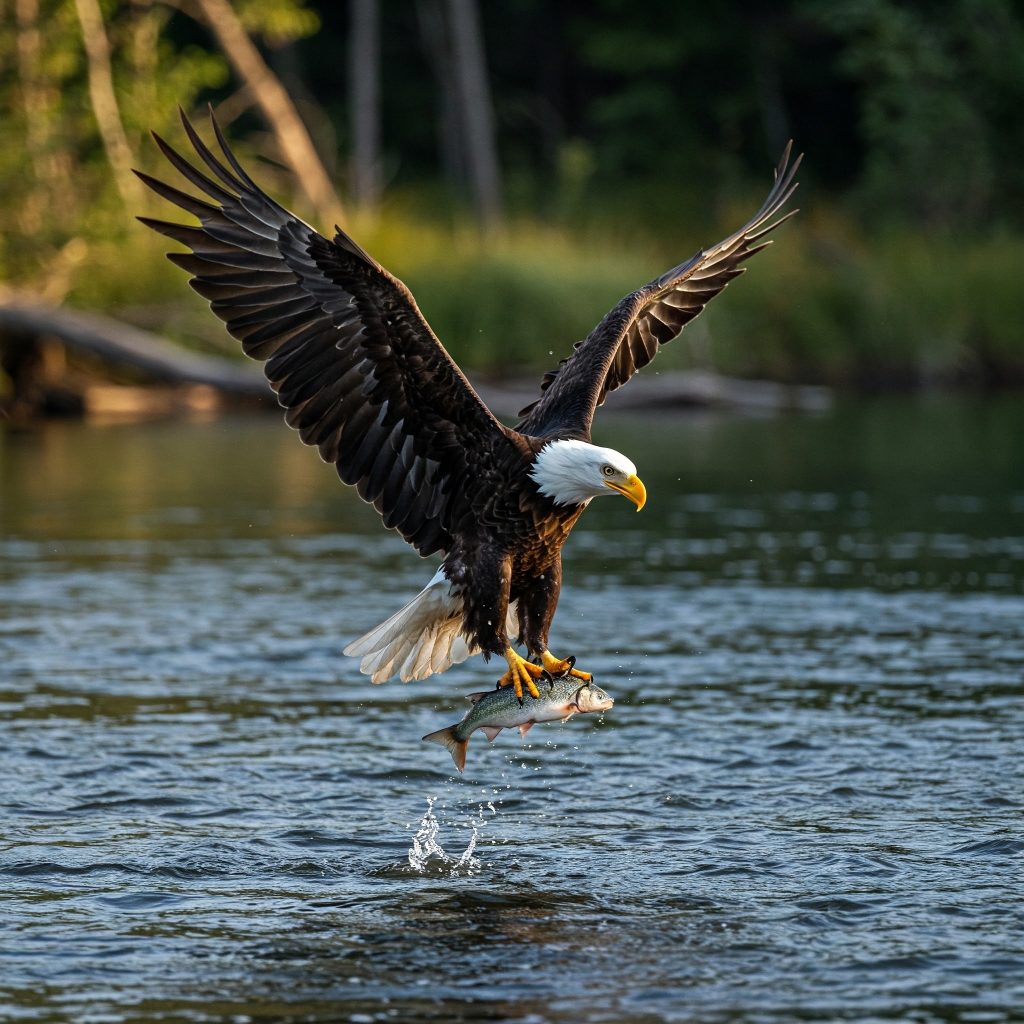
One of the most important reasons the bald eagle works as a symbol is the way it combines strength with calmness.
It is powerful, but it does not appear chaotic or aggressive without reason. Its movements are controlled, its flight is smooth, and its behavior shows focus rather than disorder.
This balance creates a strong message about how power should be used. It suggests that true strength comes with control, awareness, and responsibility.
For a nation, this idea is important because it reflects not only the ability to act but also the wisdom to choose when and how to act.
The bald eagle represents a form of power that is steady and thoughtful, not reckless. This makes it a meaningful symbol for leadership and identity.
By combining these qualities, the eagle continues to represent both freedom and strength in a way that feels balanced, clear, and lasting over time.

私は生まれたときから、常に神との強いつながりを感じていた。作家として、また指導者として、私の使命は、人々が最も暗い時代に愛と幸福と内なる強さを見つけるのを助けることである。