
The Roman Empire was the most powerful thing the ancient world had ever produced, and the men who ruled it naturally inspired countless legends.
History remembers many Roman emperors as bizarre and often cruel characters, so while their subjects had no power to stop them, at least they could spread rumors!
People believed some of the strangest stories about these rulers! Some were inspired by unfair rules, others by the rulers’ quirks.
Either way, they’re all incredibly interesting!
1. Trajan and His Goat Ears
Emperor Trajan is remembered as one of the fairest rulers that the Roman Empire ever had, though there is room for subjectivity here.
Much like people dubbed Alexander the Great Terrible in the East, the people Trajan conquered also believed some insane things about him.
In today’s Balkans, what was then known as Moesia and Dacia, the emperor was known for his brutal campaigns.
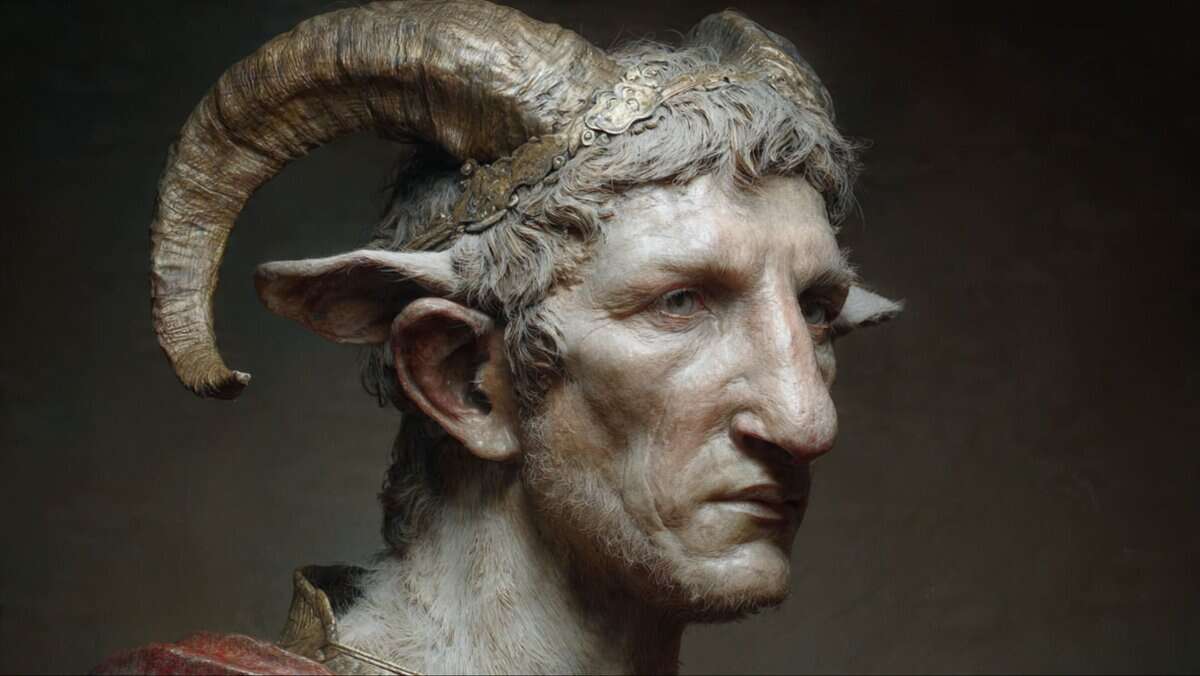
As a way to mock the tyrant, people spread a fairytale that spoke of a terrible secret: the emperor had goat ears! It’s actually a local retelling of the legend of King Midas.
The story goes that Trajan’s barber discovered his secret, but he had to keep quiet to save his own life.
It weighed on him for years, so he finally dug a hole in the ground and spoke the secret into it. Cane grew from that hole in the ground, and some children used it to make a pipe.
Every time they played the pipe, it echoed: Emperor Trajan has goat ears!
The fairytale survived for thousands of years, and is still retold today.
2. Nero Giving Birth to a Frog
This strange story is believed to be a commentary about the power and greed of the notorious emperor.
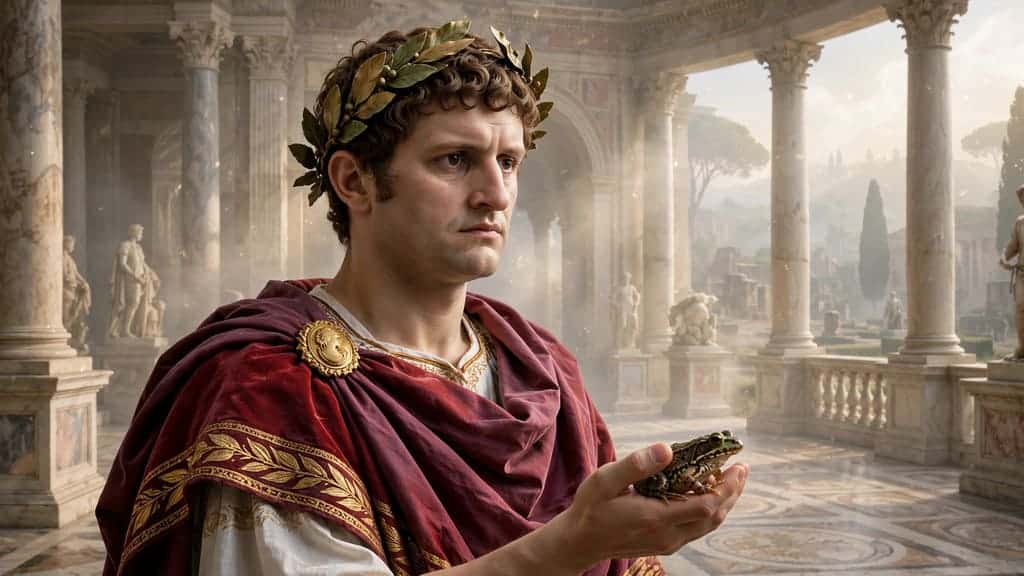
The story goes that Nero was so hungry for new forms of power that he chose to drink a magic potion that made him pregnant.
He thought he would give a miraculous birth to his own heir, but when the time came, he gave birth to a frog, instead!
Ancient storytellers chose not to be subtle here because the frog represents all the wrong things; it’s cold, ugly, and useless.
It was loud and served no purpose, at least not the kind that Nero expected.
This tale was a moral critique of the emperor, because he was obsessed with controlling everything, including nature itself!
In the end, his ambition produced something absurd!
3. Elagabalus and His Open-Air Brothel
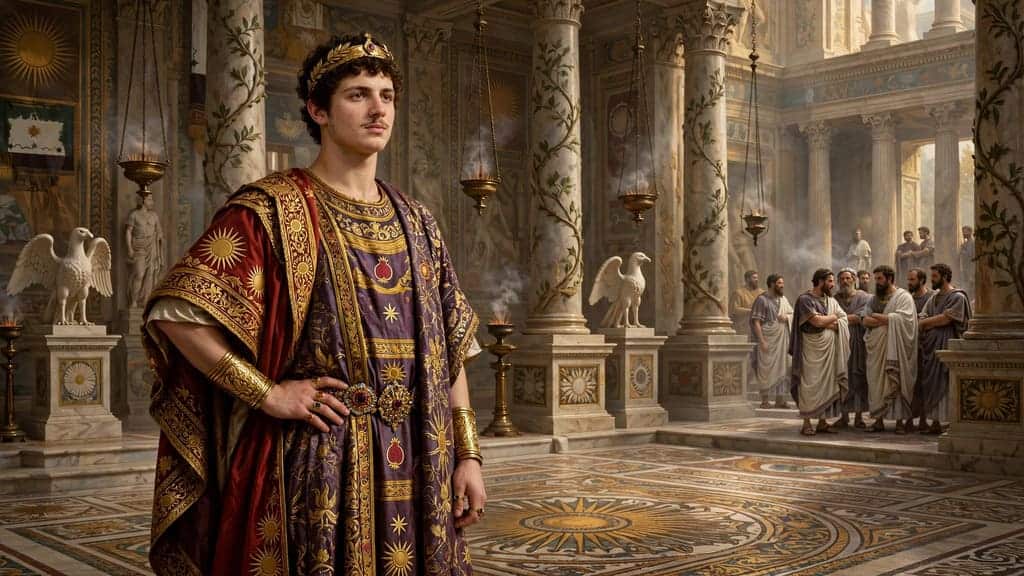
Elagabalus became emperor at about fourteen years old, and he has a particularly spicy reputation in all of Roman imperial history!
Ancient sources claimed that he transformed the Roman Forum into an open-air brothel!
He dismantled every social norm of Rome, and even hosted drinking contests so intense that his guests drowned in wine!
But there’s an important context to these rumors: Elagabalus was Syrian.
He brought a Syrian sun cult to Rome and wore Eastern robes, completely rejecting the expectations that Romans had for their rulers.
Most modern historians view this moral outrage as xenophobia.
We don’t know whether these stories about the brothel and drinking were real.
But we do know that these accusations of moral depravity were used to condemn the emperor’s foreign background.
4. Caligula’s Horse Consul
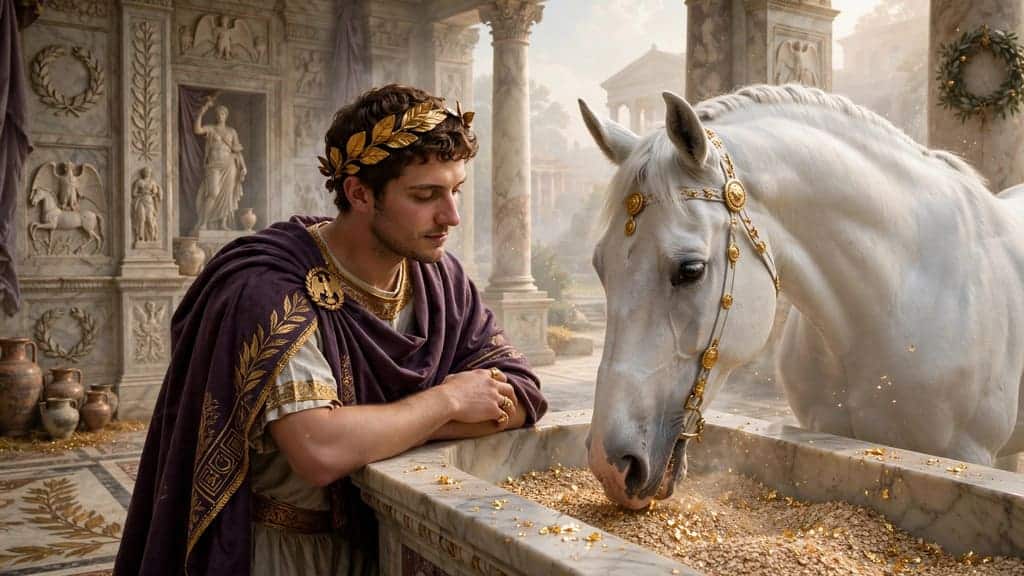
Ancient sources record that Emperor Caligula adored his horse Incitatus far beyond what’s considered normal.
The horse had a marble stable, had its own servants, and was fed a mixture of oats and gold flakes!
But most insanely, Caligula allegedly planned to appoint the horse as a Roman consul!
While this anecdote survived centuries, it’s assumed that Caligula threatened to make the horse a consul as a form of political provocation.
In other words, he told the Senate that a horse could do their job!
The story stuck because it contains a lesson about absolute power. A ruler without proper restraint from the Senate could do any absurd thing he wanted!
5. Caesar’s Comet

When Julius Caesar was assassinated, the entire Rome mourned.
About four months after his death, during funeral games held in his honor, a comet appeared in the sky, burning for seven days.
The timing was staggering, and everyone immediately concluded that the comet was Caesar’s soul ascending to godhood!
The comet became known as the Sidus Iulium or the Julian Star.
His adopted heir, Octavian, immediately used that belief to help his own rise to power. Caesar was formally deified by the Roman Senate, and temples were built for him.
He became a real part of state theology.
6. Augustus, Son of Apollo
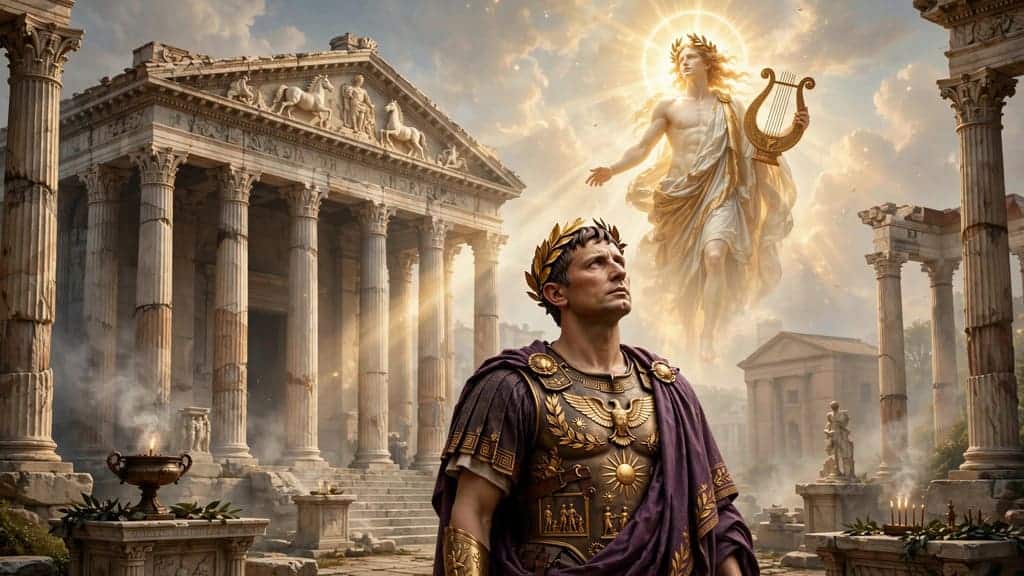
There are many stories of kings and emperors with divine origins.
This particular story circulated during Augustus’ life and gave him an even greater claim to rule.
It says that his mother, Atia, fell asleep in the Temple of Apollo and, in her sleep, was visited by a serpent.
Nine months later, Augustus was born bearing a birthmark in the shape of the stars. He was allegedly also an unusually calm infant, which set him apart even more.
The serpent was Apollo himself, meaning that Augustus was the son of a literal god, and not of his father Gaius Octavius.
It’s important to know that Augustus (previously Octavian) ruled immediately after Julius Caesar, so he had some really big shoes to fill!
Since Caesar had just been deified, Augustus also needed something that made him divine in the eyes of his people.
7. Diocletian Left the Throne to Grow Cabbage

In 305 AD, the Emperor Diocletian did what had never been done before in the history of Rome: he willingly abdicated.
He retired to his palace on the Dalmatian coast in what is now Split, Croatia. There, he spent much of his time gardening.
When he was begged to return because the Empire was in chaos, he refused.
Reportedly, he said that if they could see the cabbages he had grown with his own hands, they would never ask him to give up this life for power again.
This story stuck with us for so long because it speaks of something most people experience sooner or later: the weight of ambition.
Diocletian became the unique example of a Roman emperor who chose personal peace over power.
8. Claudius Was Made Emperor by Accident
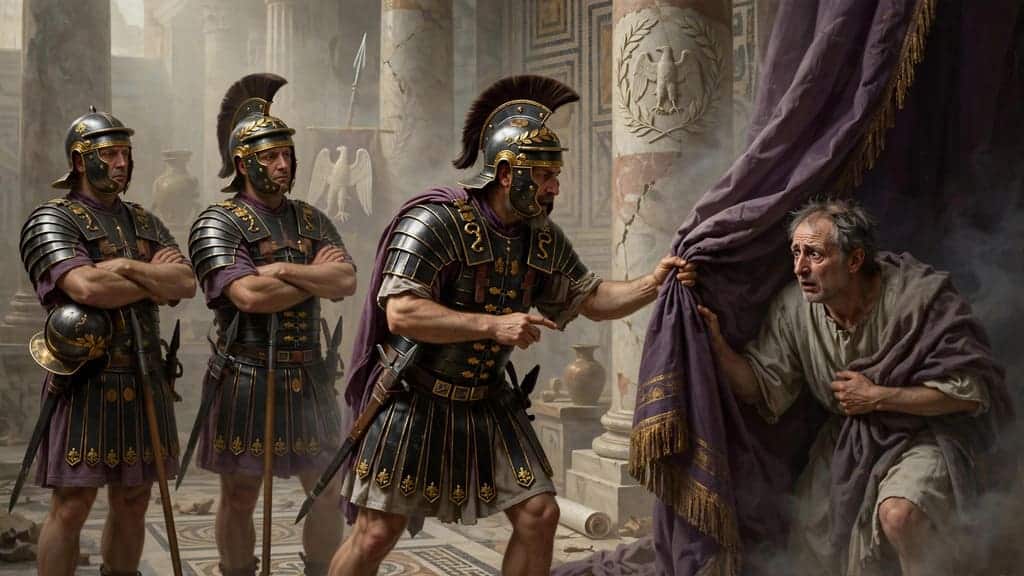
The story of how Claudius became emperor is pretty bizarre.
After Caligula was assassinated by the imperial guard, the palace was thrown into chaos.
Caligula’s uncle, Claudius, was found hiding behind a curtain, terrified. He had only survived the assassination because he hid somewhere no one thought to look for him.
The Praetorian Guard discovered him, and the story goes that they half-jokingly declared him emperor just to bring back some semblance of peace.
It took a lot of convincing for Claudius to accept the title, but even the Senate was bypassed in the rush, and he became a ruler.
This story reveals something that we can all relate to: the decisions about who rules the world are often made in panic and almost accidentally!
9. Vespasian Had a Healing Touch
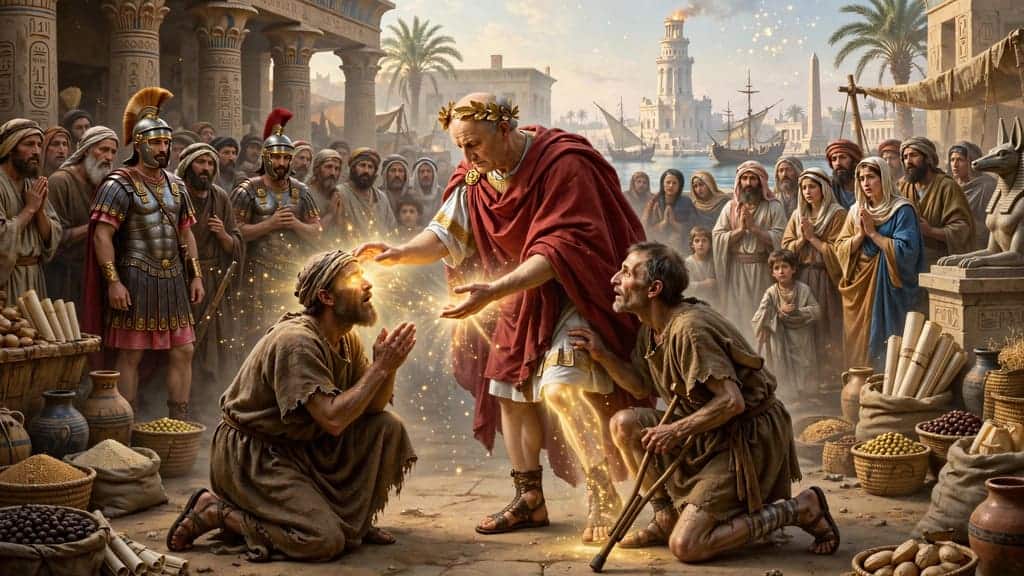
When Vespasian arrived in Alexandria in 69 AD to claim the imperial throne, it’s recorded that two ordinary men approached him, asking to be healed.
One was blind, and the other was lame, and they told the emperor that the god Serapis told them in a dream to seek him out.
Apparently, Vespasian’s saliva and touch could heal them.
Vespasian was skeptical, so he waited and even spoke to physicians. He was mainly worried that his reputation would suffer if he tried to heal them and nothing happened.
But under pressure from advisers, he tried it, and everyone witnessed as both men were healed immediately!
Clearly, this story was spread around to support his claim to the throne. He was chosen by a god to heal people!
10. Hadrian’s Wall Was Made to Stop Monsters

Hadrian’s Wall was built across northern Britain in the 120s AD. History recognizes it as a practical measure for guarding Roman territory.
But the people who lived near the wall created a story that quickly entered folklore.
In their minds, the wall was made to separate the known from the unknown. It was meant to keep away the people of the far north, who weren’t really human!
について Picts, Caledonians, and other northern tribes were regarded almost as mythological beings because they refused the Roman order.
The power of our imagination truly shines here. An emperor built a wall, but legend turned it into the edge of the world!
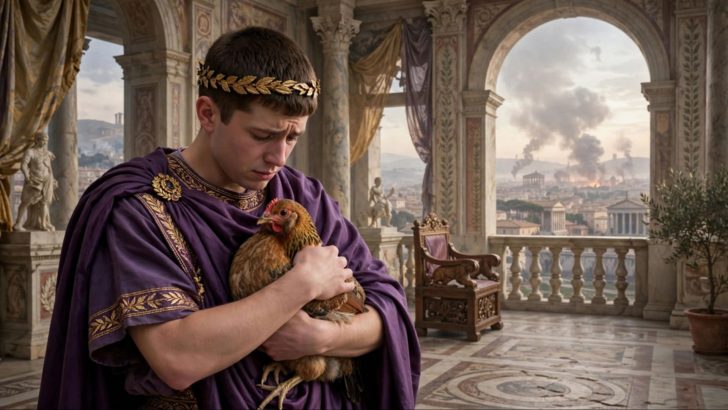
11. Honorius and His Chicken
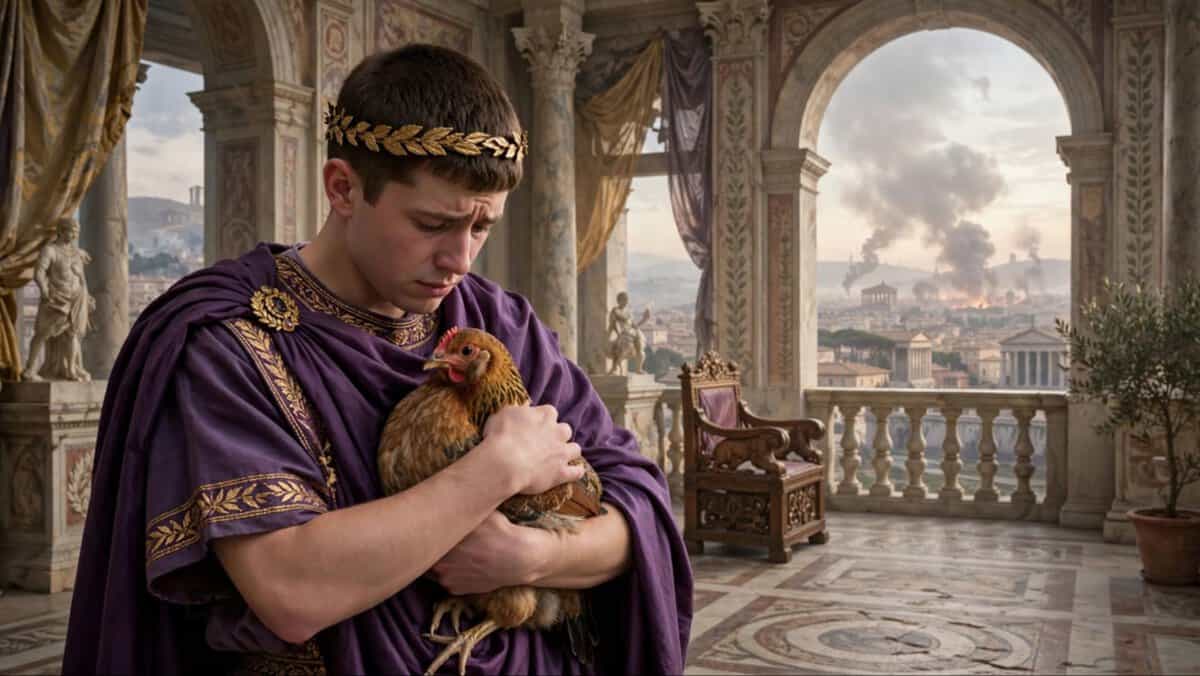
In 410 AD, the Visigoth king Alaric sacked Rome. This is considered one of the crucial moments in the fall of the Western Roman Empire.
The Emperor Honorius, who was not in Rome when it fell, received the news of the fall, and he started panicking… for his pet chicken, Roma.
When he heard that Rome had perished, he first thought that the messenger was informing him about his pet’s death.
And when he learned that it was actually the city that fell, it’s said that he relaxed, saying he had thought it was more serious than that!
This story is clearly a satire, created as a commentary on the emperor’s detached and ineffective reign.

A little Aquarius, devoted to writing and embroidery. Through my writing, I hope to empower readers to align with their true selves and navigate life’s mysteries with confidence.