

The Bible contains numerous references to hell, many of which are rarely explored in sermons or casual study.
Beyond the familiar passages, these verses describe spiritual torment, divine judgment, and separation from God.
They offer deep insight into the consequences of rebellion, sin, and moral failure. Understanding them encourages reflection on the seriousness of spiritual choices and highlights the eternal nature of divine justice.
Exploring these often-overlooked verses allows readers to see the multidimensional warnings God provides, reminding humanity that sin is not trivial and that eternal accountability is unavoidable.
Here are ten Bible verses about hell that are rarely discussed but carry profound spiritual lessons.
1. Isaiah 66:24
Isaiah 66:24 presents a terrifying vision of those who rebel against God: “And they shall go out and look on the corpses of the men who have rebelled against me; for their worm shall not die, their fire shall not be quenched.”
The verse portrays hell as a place of ongoing, conscious suffering. The combination of fire and undying worms emphasizes the permanence of punishment.
It shows that divine justice is relentless and unending, and that rebellion has consequences beyond human comprehension, affecting both the physical and spiritual existence of those who oppose God.
2. Ezekiel 32:27
Ezekiel 32:27 describes fallen warriors in Sheol: “They have gone down to the netherworld, and their graves are among the uncircumcised.”
While the term “hell” is not used explicitly, the passage portrays spiritual dishonor, shame, and separation from God.
It emphasizes that moral failure leads to a loss of divine favor and eternal consequences.
The verse serves as a warning that sin cannot be ignored and that justice is impartial, applying not only to individuals but also to communities.
3. Matthew 10:28
In Matthew 10:28, Jesus warns: “Do not fear those who kill the body but cannot kill the soul. Rather, fear him who can destroy both soul and body in hell.”
This verse underscores the ultimate authority of God over human life and spiritual destiny. Physical death is temporary, but spiritual judgment is eternal.
Hell represents the irreversible consequences of rejecting God’s authority, showing that true fear should be directed at spiritual, not earthly, dangers.
It reminds believers that obedience to God carries eternal significance, far outweighing the fleeting threats of human opposition.
4. Mark 9:48
Mark 9:48 echoes Isaiah 66:24 with the words: “where their worm does not die, and the fire is not quenched.”
Jesus highlights the unending nature of punishment for those who refuse repentance.
The imagery combines both physical and spiritual suffering, conveying the permanence, intensity, and inevitability of divine justice.
It serves as a warning against complacency and moral apathy, showing that even small sins have eternal ramifications if left unaddressed.
This verse encourages self-examination, repentance, and spiritual vigilance, reminding readers that eternal consequences are far more significant than temporal earthly struggles.
5. Revelation 14:10

Revelation 14:10 warns: “They will be tormented with fire and brimstone in the presence of the holy angels and of the Lamb.”
Hell here is depicted as a place of active judgment and conscious suffering, witnessed by both divine beings and Christ himself.
This emphasizes that sin is observed and accounted for, leaving no possibility of evasion.
The imagery combines physical torment with spiritual consequences, showing that God’s justice is absolute, unavoidable, and inescapable.
It reminds believers that disobedience is not only personal but also cosmic, with eternal implications beyond human understanding.
6. 2 Thessalonians 1:9

2 Thessalonians 1:9 states: “They will suffer the punishment of eternal destruction, away from the presence of the Lord.”
This verse highlights that separation from God is the core of hell’s torment. The suffering is both spiritual and psychological, emphasizing the eternal isolation and deprivation of divine presence.
It teaches that hell is more than physical fire; it is the ultimate alienation from goodness, love, and life itself.
This verse encourages reflection on the gravity of sin and the critical importance of pursuing righteousness and reconciliation with God before it is too late.
7. Proverbs 15:11
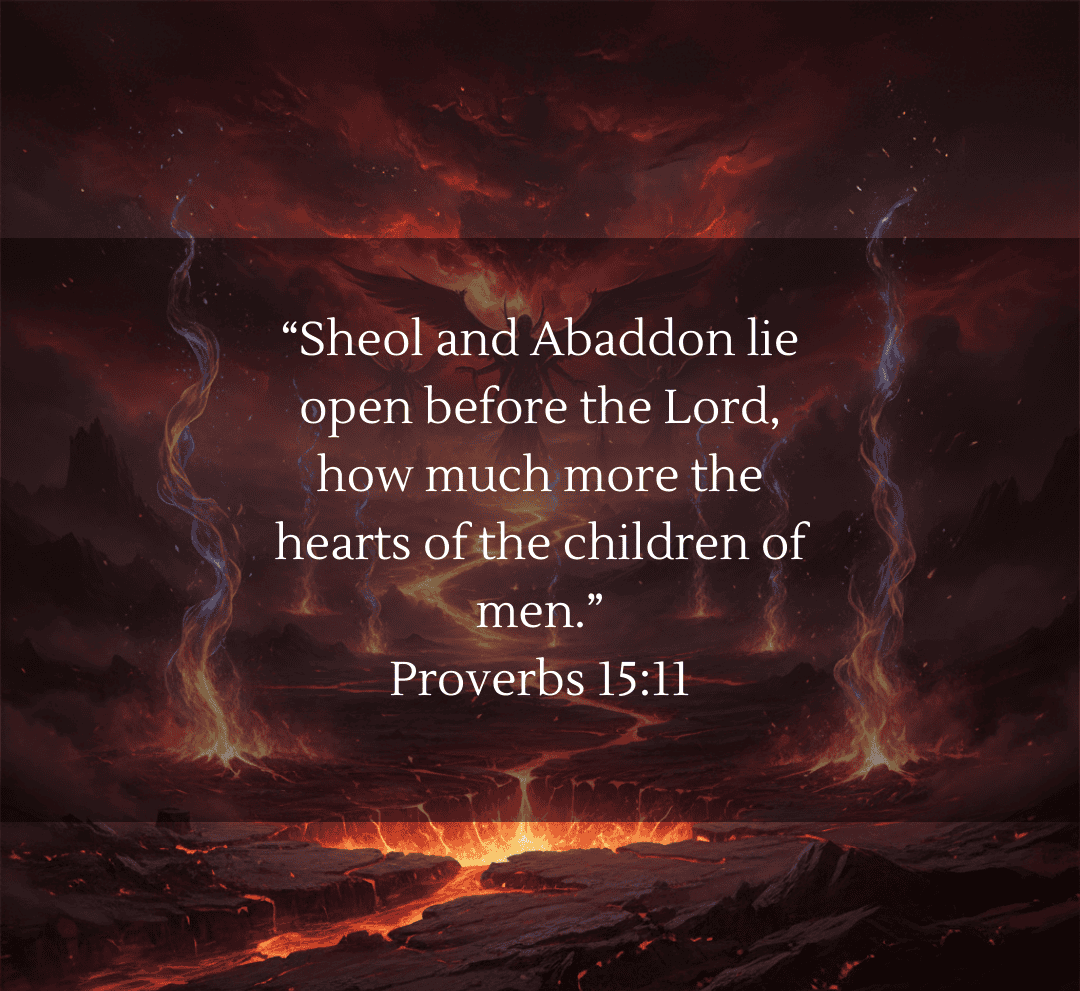
Proverbs 15:11 declares: “Sheol and Abaddon lie open before the Lord, how much more the hearts of the children of men.”
Here, hell is portrayed as fully observed and known by God. Nothing escapes divine awareness, from actions to secret thoughts.
The verse emphasizes accountability and the inevitability of judgment. Humans may attempt to hide sin or wrongdoing, but God perceives all.
This insight underscores that spiritual and moral decisions have lasting consequences.
It reminds readers that divine justice is comprehensive, impartial, and meticulous, encompassing every thought, action, and intention of the heart.
8. Jude 1:7
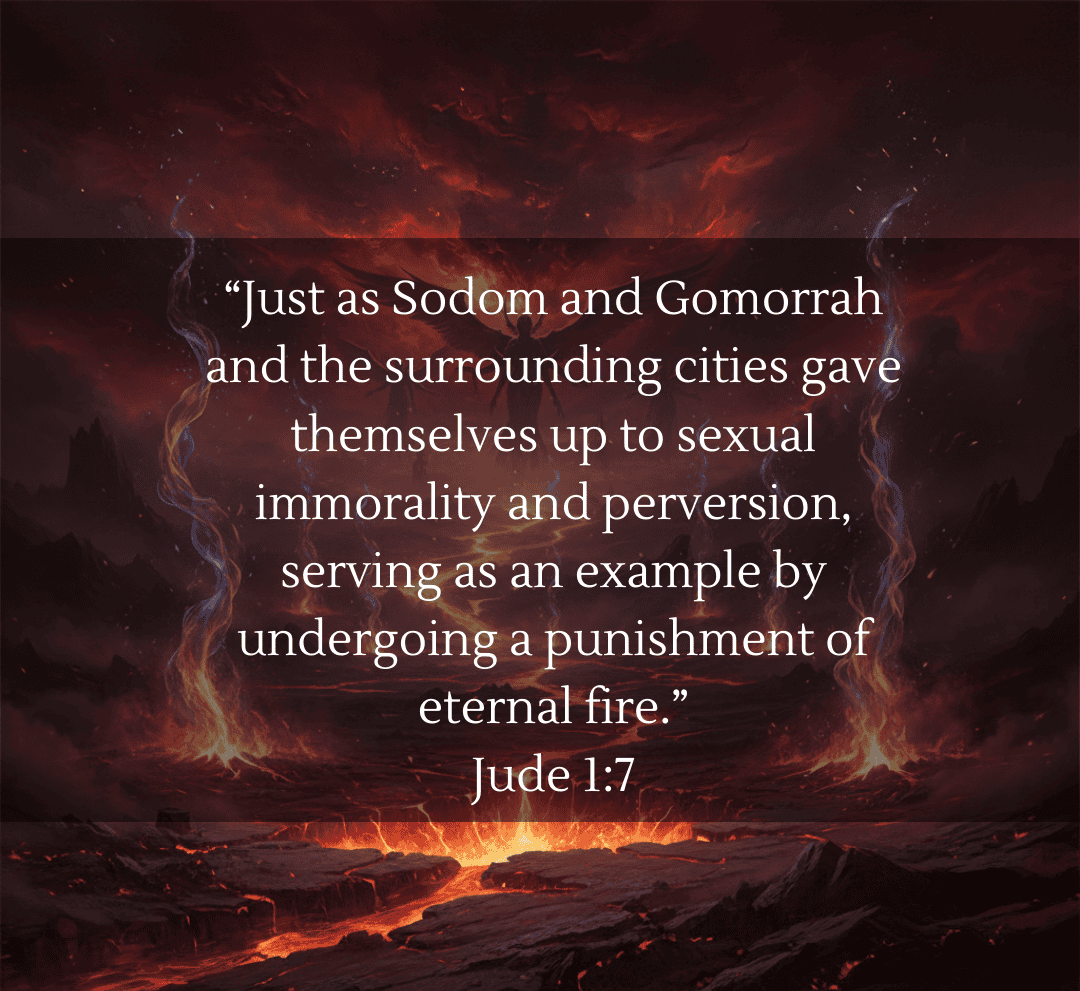
Jude 1:7 refers to the destruction of Sodom and Gomorrah:
“Just as Sodom and Gomorrah and the surrounding cities gave themselves up to sexual immorality and perversion, serving as an example by undergoing a punishment of eternal fire.”
This verse links historical judgment with eternal consequences, showing that sin carries both immediate and lasting repercussions.
It illustrates God’s response to persistent rebellion and moral corruption, emphasizing that disobedience and immorality are not trivial matters but actions that attract divine retribution and eternal consequences.
9. Psalm 9:17
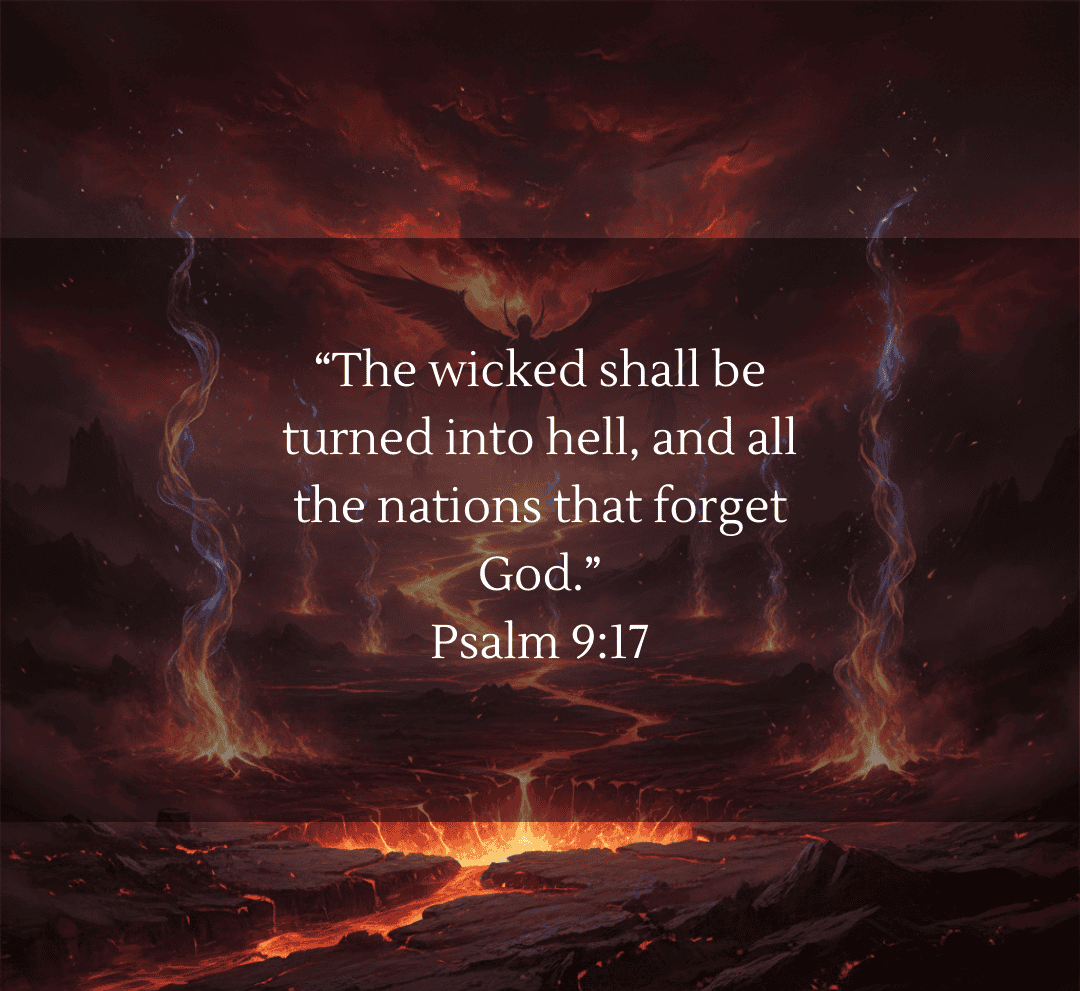
Psalm 9:17 states: “The wicked shall be turned into hell, and all the nations that forget God.”
Hell is presented as the unavoidable destiny for the unrepentant. This verse stresses both individual and collective responsibility, highlighting that moral and spiritual failure can affect entire communities.
It demonstrates the impartiality of divine justice and reinforces that rebellion against God’s law carries serious, enduring consequences.
The psalm encourages reflection on one’s choices and societal influence, emphasizing the profound importance of remembering God and living in accordance with His commandments to avoid eternal separation.
10. Daniel 12:2
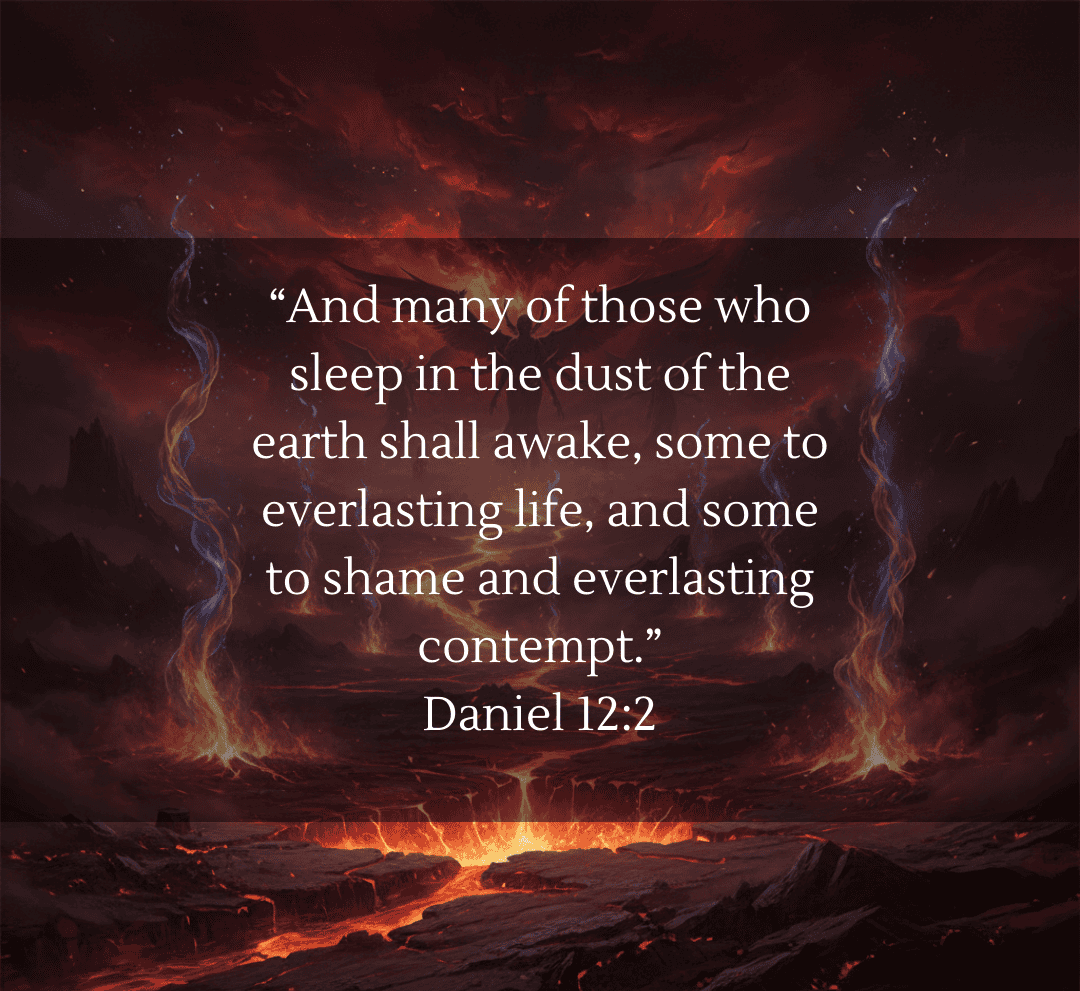
Daniel 12:2 proclaims: “And many of those who sleep in the dust of the earth shall awake, some to everlasting life, and some to shame and everlasting contempt.”
This verse presents hell as part of the final resurrection and judgment. It highlights eternal accountability and the ultimate separation of the righteous and the wicked.
Those who face everlasting contempt experience spiritual shame and divine judgment.
The passage reminds readers that life’s choices are eternal, that God’s justice is perfect, and that moral and spiritual responsibility extends beyond earthly existence into everlasting consequences.

私は生まれたときから、常に神との強いつながりを感じていた。作家として、また指導者として、私の使命は、人々が最も暗い時代に愛と幸福と内なる強さを見つけるのを助けることである。