

Brunhilda was a powerful queen of the Visigoths and later the Franks. She is remembered as one of the most influential and feared women in early medieval Europe.
Brunhilda ruled through her intelligence, alliances, and sometimes ruthless tactics.
She survived political struggles and rebellions for many years, making her a key figure in European history.
Her life combined ambition, politics, and family drama, which shaped the course of the Frankish kingdom.
Historians often note that her rise and fall show both the possibilities and dangers of being a powerful woman in a male-dominated society.
Here are ten facts about Brunhilda, the queen who had one of the worst deaths in history.
1. She Was a Visigothic Princess

Brunhilda was born around 543 AD into the Visigothic royal family in what is now Spain.
Her early life was shaped by politics, as marriages were often arranged to strengthen alliances between kingdoms.
She was sent to marry Frankish king Sigebert I, which brought her into the heart of Frankish politics.
As a princess, she was trained in leadership, diplomacy, and managing court affairs, preparing her for the challenges ahead.
Her Visigothic heritage gave her a reputation for strength, intelligence, and political skill, which she would use throughout her life.
This background helped her navigate dangerous situations and influence the kingdom. Her roots also made her an outsider at times, which caused problems.
Despite challenges, her upbringing gave her the tools to survive power struggles and eventually rule as queen.
2. She Became Queen of Austrasia

After marrying Sigebert I, Brunhilda became queen of Austrasia, the eastern part of the Frankish kingdom.
Her position gave her significant influence in political decisions and the management of the court.
As queen, she dealt with rival factions, rival nobles, and family conflicts, showing her determination and skill.
Brunhilda’s influence was not just ceremonial; she actively shaped policy and governance, which earned her respect and fear.
Her reign was marked by strategic marriages and alliances designed to strengthen her position. She also became known for her harsh punishments toward enemies.
Being queen of Austrasia allowed Brunhilda to consolidate power and set the stage for her long and often dangerous political career.
3. She Was Known for Her Intelligence

Brunhilda’s intelligence was one of her most notable traits. She learned multiple languages and understood the complex politics of the Frankish kingdom.
She was skilled in strategy, negotiation, and court intrigue, which helped her survive numerous plots against her life.
Her intelligence made her both respected and feared by nobles and rivals alike. She could plan alliances, punish enemies, and maintain her position for decades despite political instability.
Historians often describe her as a woman who combined sharp intellect with strong ambition.
Her cleverness was evident in how she guided her sons and grandsons into positions of power.
Intelligence became a tool for survival and influence, allowing Brunhilda to shape events even in a male-dominated society.
Her mental strength was as important as her royal status in ensuring her political longevity.
4. She Survived Many Family Tragedies

Throughout her life, Brunhilda faced incredible personal loss. Her husband was assassinated, and many of her children were killed in rival conflicts or political uprisings.
These tragedies could have destroyed her, but she used them to strengthen her resolve.
She often sought revenge against those who harmed her family, which increased her reputation for ruthlessness.
Surviving these losses allowed her to maintain power despite a world filled with betrayal and danger.
Her personal resilience became a key part of her rule. By surviving repeated tragedies, Brunhilda showed the combination of personal endurance and political cunning.
These experiences made her cautious, strategic, and sometimes merciless, which helped her control the kingdom for decades after facing so much loss.
5. She Ruled as a Queen Regent
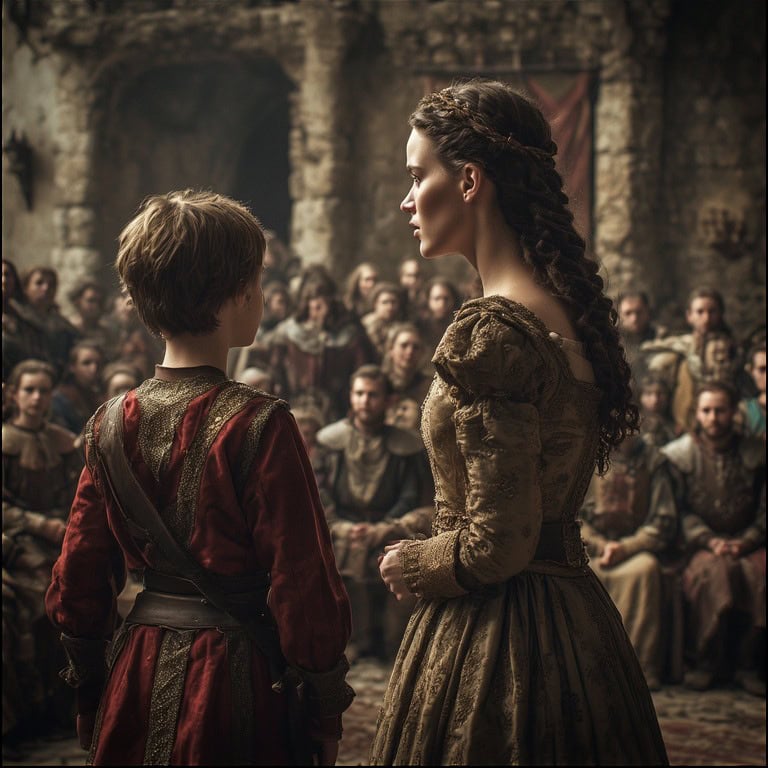
After her husband’s death, Brunhilda ruled as queen regent for her young son, Childebert II. This meant she held the kingdom’s real power while guiding the young king.
Her ability to govern effectively despite being a woman in a male-dominated environment shows her strength and determination.
She was both admired and feared for her decisiveness and willingness to punish enemies. Her time as regent allowed her to strengthen her family’s position and influence the kingdom’s future.
It also led to numerous conflicts with rival nobles who resented her authority.
Through this role, Brunhilda demonstrated her political skill, shaping Austrasia’s direction while maintaining control amid constant danger.
6. She Was Feared for Her Ruthlessness
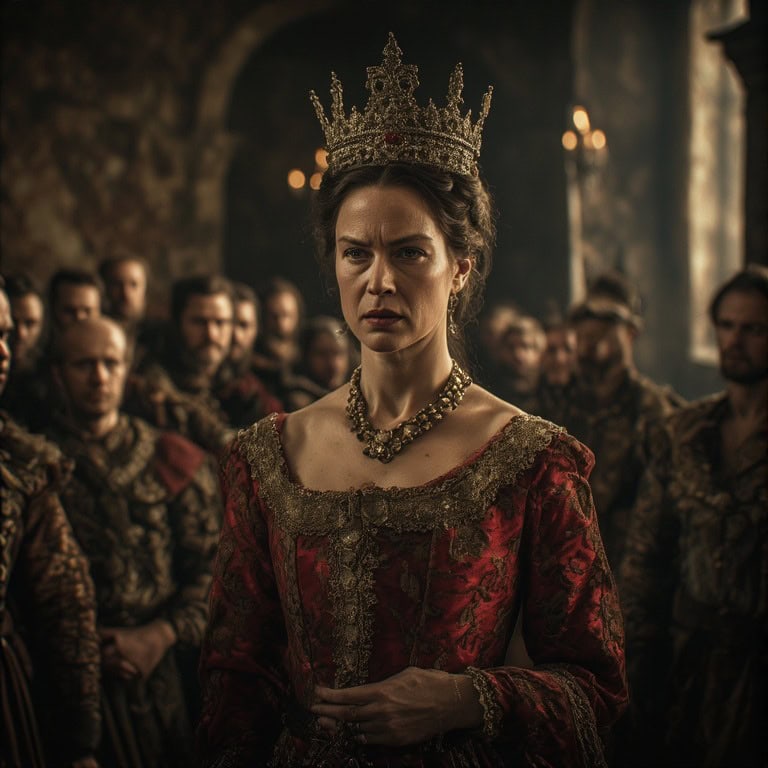
Brunhilda became notorious for her ruthlessness. She did not hesitate to punish rivals, eliminate enemies, and secure her family’s power.
This fearsome reputation helped protect her from plots and maintained her authority.
Some historians describe her as a strategic but cruel ruler who valued loyalty and order above compassion for her enemies.
Her ruthlessness extended to those who betrayed her family or challenged her position. By taking decisive and often harsh action, she created stability in an unstable kingdom.
While her methods may seem extreme, they were effective in keeping her and her family in power for decades.
Her reputation for ruthlessness became one of her defining characteristics, making her a memorable figure in history.
7. She Influenced European Politics

Brunhilda’s decisions had a long-term impact on European politics. Through strategic marriages and alliances, she shaped the balance of power among the Frankish kingdoms.
She guided her children and grandchildren into positions of authority, extending her influence even after her death.
Her involvement in diplomacy, military decisions, and succession planning made her a key player in shaping early medieval Europe.
Her life shows how a single ruler’s decisions could affect the fate of entire regions.
By navigating complex political situations with intelligence and determination, Brunhilda left a lasting mark on European history.
Her actions helped determine the structure of the Frankish kingdoms for generations, influencing both politics and the stability of the region.
8. Her Death Was Brutal
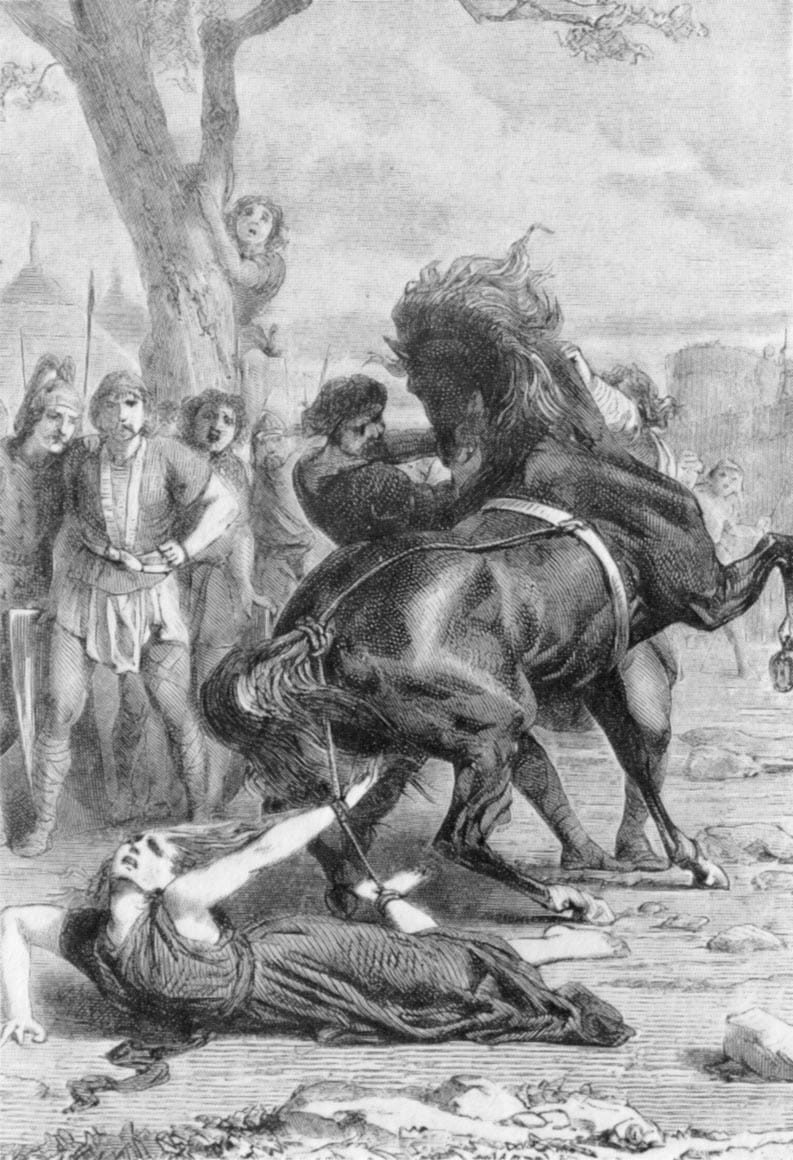
Brunhilda’s death is considered one of the worst in history. After being captured by her enemies, she was tortured publicly and killed shockingly.
Chroniclers describe her being dragged and executed in a way designed to humiliate and terrorize.
Her death was a direct result of her long-standing conflicts with rival factions. It was meant to serve as a warning to others who challenged the ruling powers.
Despite her intelligence and ruthlessness, Brunhilda could not escape the ultimate consequences of politics.
Her death shocked contemporaries and has continued to capture the imagination of historians.
The brutality of her execution underscores the dangers of power and the harsh reality of medieval politics.
9. She Left a Strong Legacy
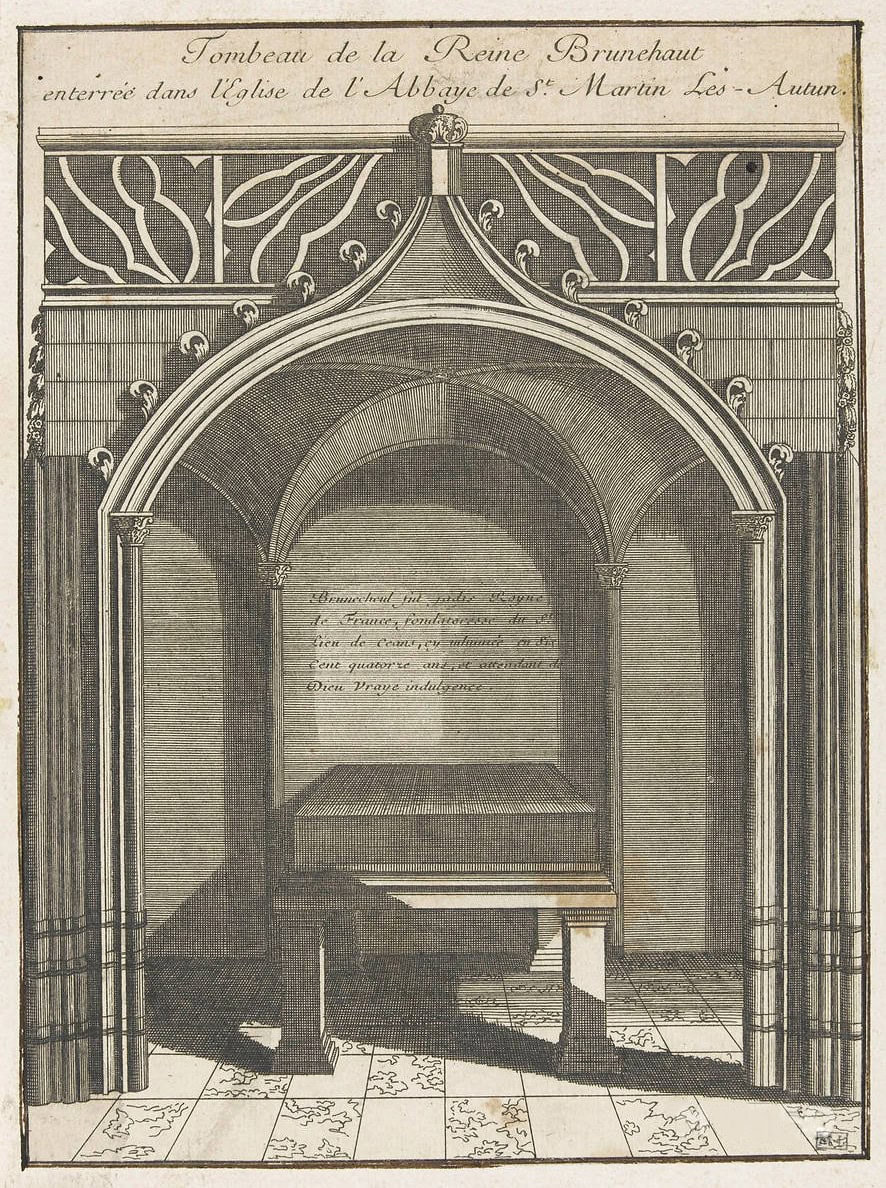
Despite her gruesome death, Brunhilda left a strong legacy. Her political skill, intelligence, and determination influenced the Frankish kingdoms for generations.
She is remembered as a symbol of female power in a male-dominated world. Her story is a mixture of ambition, survival, and tragedy that continues to fascinate historians.
Even centuries later, Brunhilda’s life demonstrates the possibilities and perils of holding power as a woman in medieval Europe.
Her legacy shows that influence and courage can endure, even when faced with immense danger.
10. She Became a Legendary Figure
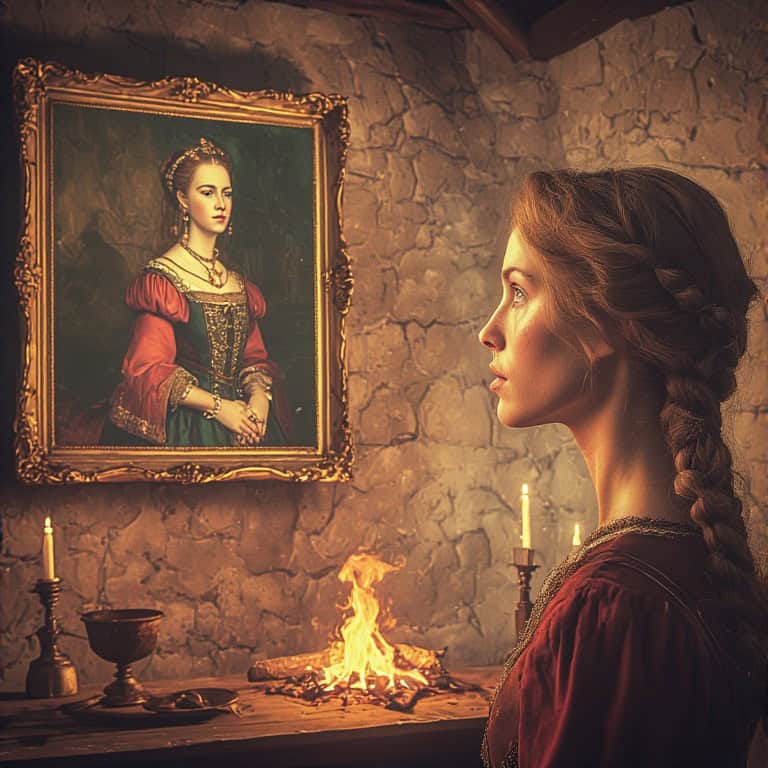
Brunhilda’s life has inspired many stories and legends over time. Chroniclers, poets, and historians have portrayed her as both a cunning ruler and a tragic figure.
Her combination of power, ruthlessness, and dramatic death makes her a memorable character in European history.
Legends often exaggerate her actions, highlighting her influence and the intensity of her life. Her story teaches lessons about politics, ambition, and survival.
Brunhilda remains a figure of fascination, illustrating how a determined individual can shape history while facing incredible danger.
Her life and death continue to be studied and remembered for their dramatic and historical significance.

私は生まれたときから、常に神との強いつながりを感じていた。作家として、また指導者として、私の使命は、人々が最も暗い時代に愛と幸福と内なる強さを見つけるのを助けることである。