
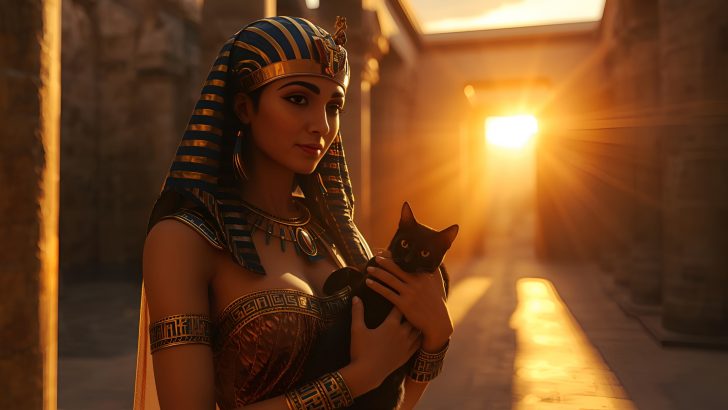
Cats have long been cherished as mysterious and magical animals. In ancient Egypt, they were considered sacred, often associated with protection, luck, and divine power.
Modern studies and observations suggest that cats might not be entirely “natural” in the way we think.
Many scientists, historians, and animal experts point to evidence that cats may have been selectively bred or even genetically influenced by ancient Egyptians to suit their culture and needs.
They were more than pets. They were guardians, symbols of goddesses like Bastet, and companions in daily life.
Some genetic patterns, behaviors, and traits in modern domestic cats hint at careful selection by humans thousands of years ago.
Here are five things that suggest cats might be a genetically engineered species shaped by ancient Egyptian practices.
1. Unique Physical Traits
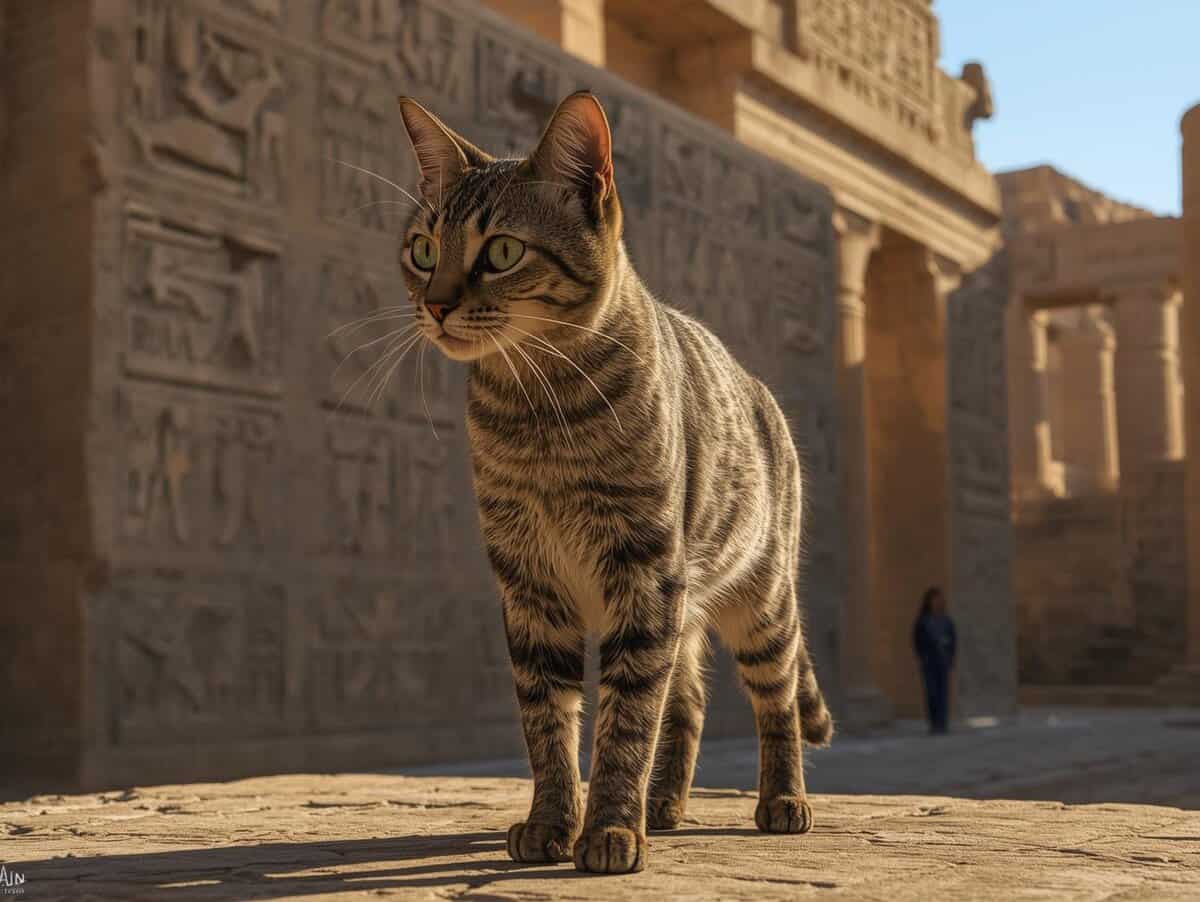
Cats show a wide range of physical features that seem too precise to be purely natural.
Traits such as their flexible spine, pupils, sharp retractable claws, and distinct facial structures allow them to be exceptional hunters and companions.
Ancient Egyptians valued cats for their ability to protect food stores from rodents, and it is possible that they selectively bred cats for these advantageous traits.
Even today, domestic cats maintain characteristics that make them very different from their wild relatives.
Some studies suggest that the combination of speed, agility, and specific body shapes is a result of careful selection over generations.
These traits may not occur as frequently in wild cats, hinting that human intervention shaped them for practicality and aesthetics, creating the perfect balance of beauty, intelligence, and survival skills.
2. Exceptional Hunting Skills
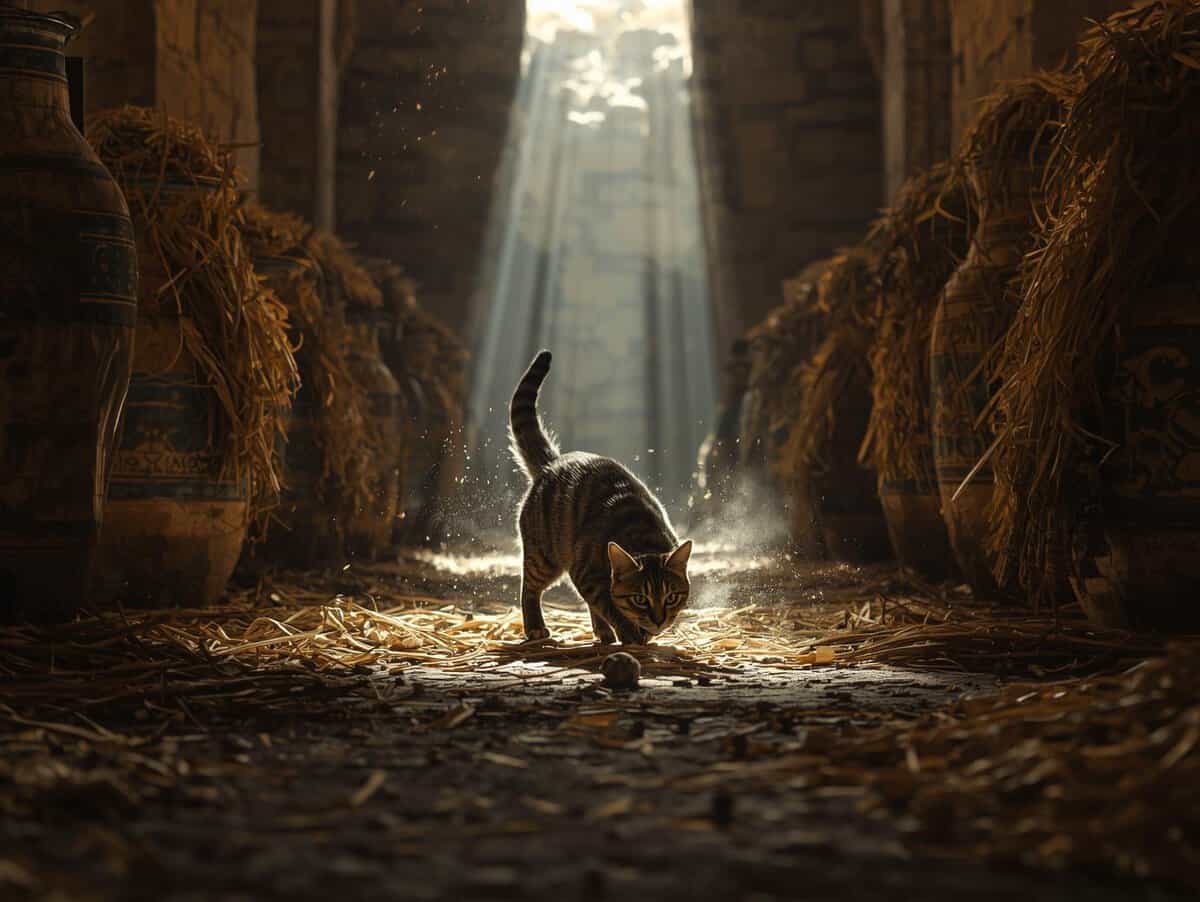
Cats are naturally skilled hunters, but domestic cats show a combination of instincts and behaviors rarely seen in wild animals.
Ancient Egyptians depended on cats to protect food supplies and homes from pests. They may have bred cats specifically for stealth, quick reflexes, and strategic thinking.
Modern domestic cats retain these abilities even without exposure to hunting for survival.
Their silent approach, precision in pouncing, and ability to stalk prey are extraordinary, suggesting that humans influenced their genetics over time.
Some scientists argue that these hunting talents were enhanced intentionally by the Egyptians, selecting the most capable cats to reproduce.
This could explain why cats are so efficient at hunting despite being domesticated and generally well-fed, blending natural instincts with human-directed enhancement.
3. Unique Genetic Markers
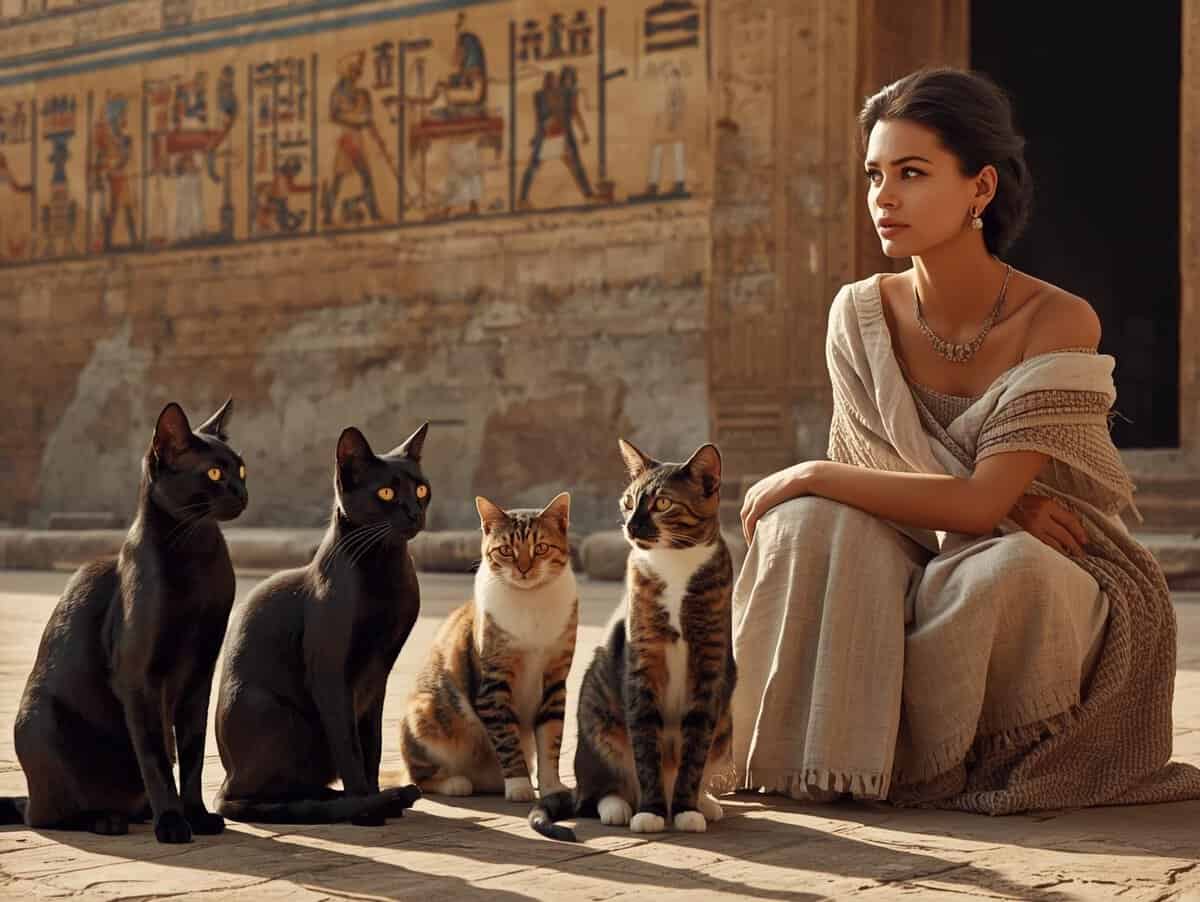
Recent genetic studies show that domestic cats have unusual DNA patterns not always found in their wild ancestors.
Certain genes affect their behavior, coat colors, and even social tendencies, hinting at selective breeding.
Ancient Egyptians likely influenced these traits by choosing cats that displayed desired behaviors or appearances.
Some genes may control tolerance to humans, adaptability to living in households, and protective instincts.
Modern domestic cats show consistent patterns in these areas, supporting the idea of human influence thousands of years ago.
The presence of these genetic markers across breeds worldwide indicates that early humans, especially Egyptians, played a role in shaping the domestic cat’s characteristics in ways that cannot be explained by natural evolution alone.
4. Social and Emotional Intelligence
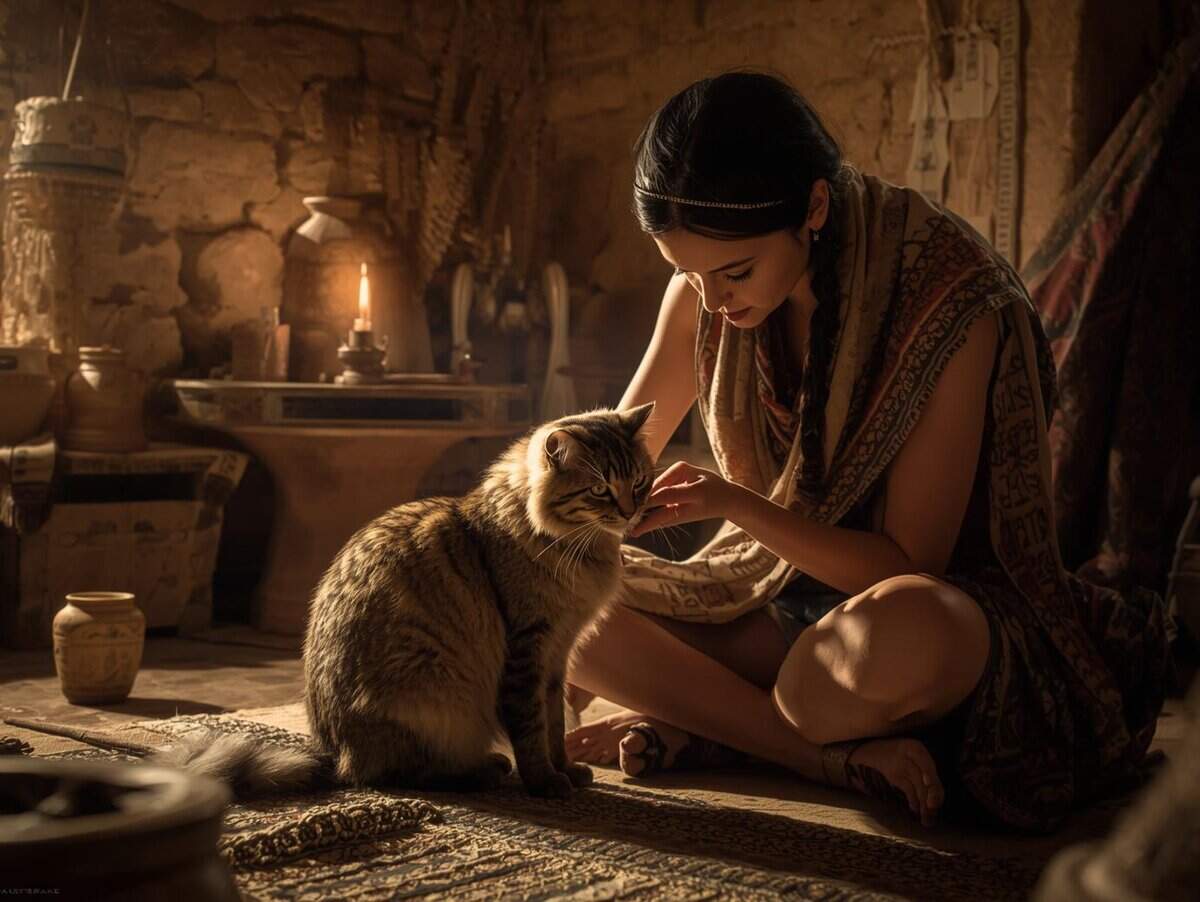
Cats are often thought to be independent, yet domestic cats display unusual social intelligence and emotional connection to humans.
Ancient Egyptians may have selectively bred cats that were more attentive, responsive, and emotionally aware.
Cats can recognize their owners’ moods, respond to gestures, and even provide comfort. This level of interaction is rare in wild feline species.
Egyptian records and artwork show cats living closely with humans, suggesting a careful process of domestication and selection.
Their ability to balance independence with social awareness hints at genetic shaping designed to make them suitable companions, protectors, and even spiritual symbols.
Modern cats continue to demonstrate these traits, supporting the idea of long-term human influence.
5. Symbolic and Sacred Role
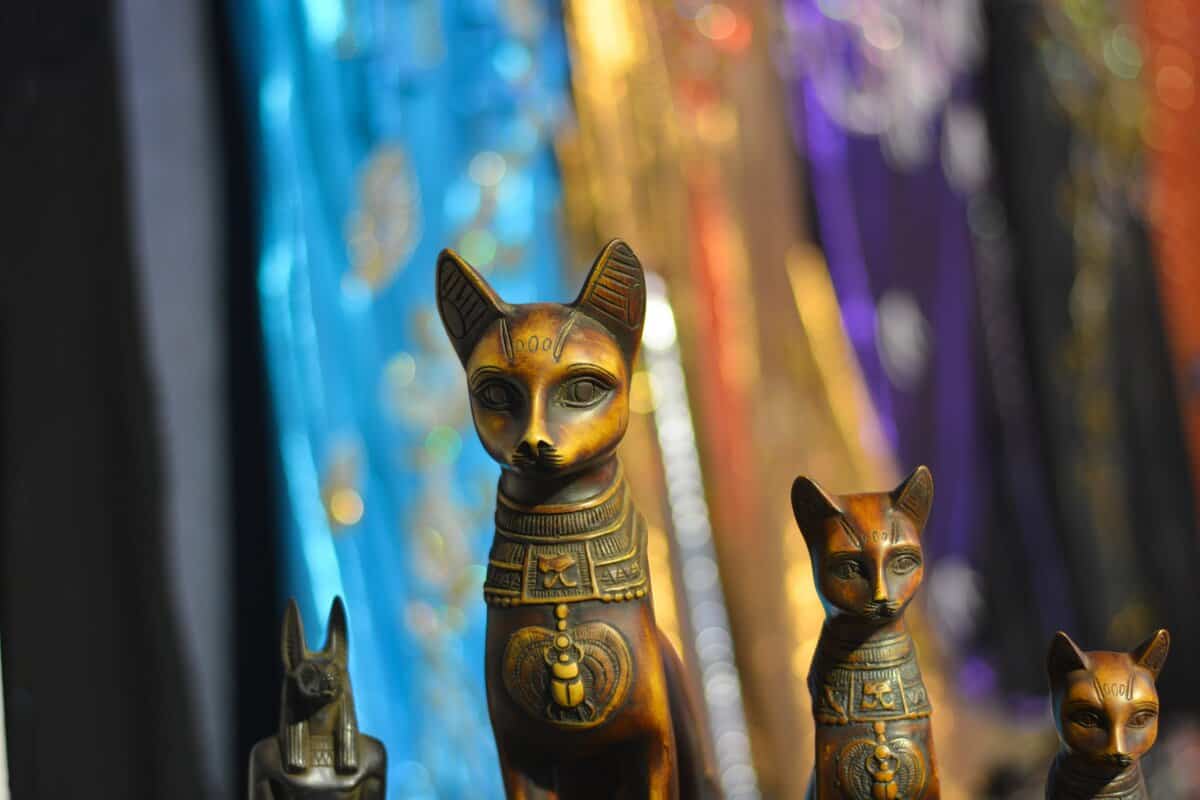
Cats were not only practical animals in Egypt, but they were also seen as sacred beings.
The goddess Bastet, often depicted with a cat’s head, symbolized protection, fertility, and domestic harmony.
Egyptians may have carefully chosen cats with certain physical and behavioral traits to embody these qualities.
This selective reverence could have driven breeding decisions, ensuring that cats remained consistent in appearance and temperament.
The connection between spiritual worship and practical utility makes cats unique among domestic animals.
Their continued mystique, adaptability, and loyalty suggest that ancient Egyptians influenced the species itself, shaping cats into creatures that fit their sacred, protective, and domestic roles over thousands of years.

私は生まれたときから、常に神との強いつながりを感じていた。作家として、また指導者として、私の使命は、人々が最も暗い時代に愛と幸福と内なる強さを見つけるのを助けることである。