
The Celtic calendar is much more than simple timekeeping.
It’s a living, breathing system rooted deep in the land, the cycles of the moon, and spirituality.
More and more people are choosing to return to its ancient wisdom, celebrating its festivals, and feeling a stronger connection to the Earth.
Roots of the Celtic Calendar
The Celtic calendar is a patchwork of regional traditions. Like many ancient peoples, the Celts strongly believed in the power of nature.
They didn’t see time as just days and months; they saw it as a dance between sun, moon, and land.
Many versions blend lunar and solar cycles, making it a flexible system that echoes the rhythms of nature.
The Celts believed that time was sacred, linked to ancestral spirits, trees, rivers, and mountains.
They relied on the calendar for timekeeping and farming, but also for honoring the 精神力 that governed life.
It’s a beautiful way to look at the time – full of mystery and reverence.
Breaking Down the Year
The Celtic year is split into two parts: the dark and the light half.
The dark half starts around Samhain in late October, marking the end of harvest and the beginning of winter.
It’s a time of reflection, rest, and honoring the dead.
The light half begins with Beltane in May. This holiday celebrates the arrival of summer, growth and fertility.
These halves represent spiritual phases as much as they represent the weather; winter is introspective, and summer is full of vitality.
The months are roughly lunar, about 29 days, but they vary from region to region.
The two aforementioned festivals are the heart of this cycle, reminding us of nature’s eternal rhythm.
The Sun and the Moon
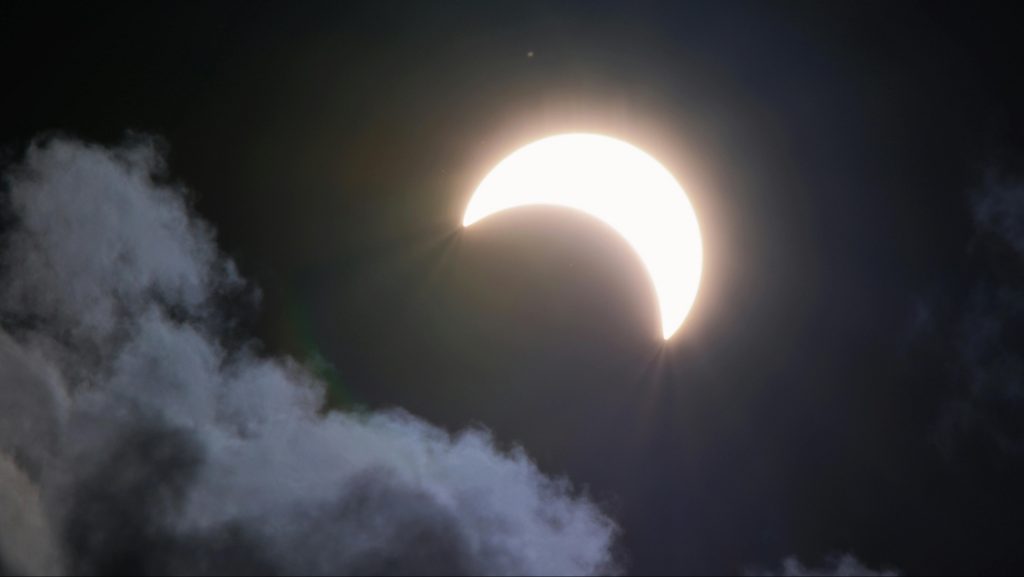
The Celts kept time by watching the dance of the sun and moon.
Their calendar was lunar-solar, meaning it synced the moon’s phases with the solar year, which is 365 days.
They knew that lunar months needed adjustment to stay aligned with the seasons. They likely added additional days when needed, to keep the balance.
について solstices and equinoxes were the most important dates. They marked the longest day, the shortest night, and the spring and fall turning points.
They’re the times of celebrations and honoring the cycles that sustain life.
Celtic Festivals
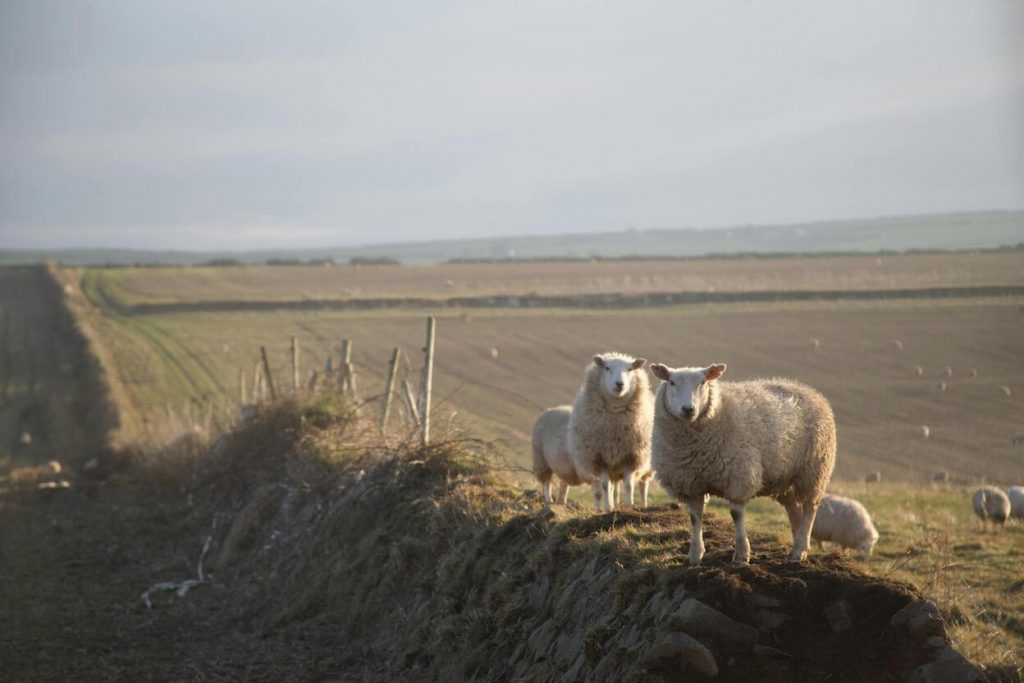
The Celtic festivals are the celebrations of nature’s milestones each year.
Samhain is the biggest. It’s the New Year, a time to know ancestors and acknowledge that the veil between the worlds is thin.
Imbolc, in February, celebrates Brigid and signals the first signs of spring. It’s devoted to renewal and healing.
Beltane is a passionate celebration of life and fertility, with bonfires and dancing that strengthen the sun and invite abundance.
Lughnasadh in July marks the harvest, honoring the god Lugh. Mabon marks the end of summer, and brings us closer to Samhain and winter.
Each festival is infused with rituals and stories. The Celts relied on the to stay connected to the land, the spirits, and themselves.
The Power of Deities
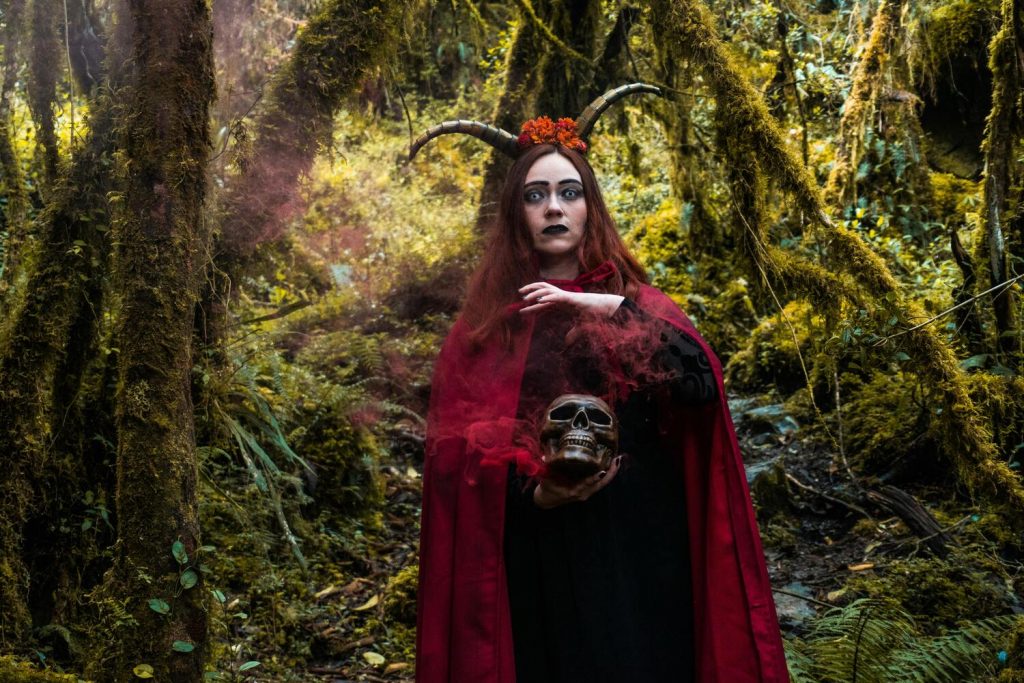
Celtic spirituality is strongly tied to nature. They recognized spirits in everything.
They believed in the 異世界, a realm accessible through rituals and only during special times, like Samhain.
The Celtic pantheon includes gods and goddesses tied to natural forces – Lugh, the sun god; Brigid, the goddess of fertility and healing; Morrigan, the goddess of war, etc.
These deities were part of everyday life, guiding and protecting.
Sacred sites like stone circles and rivers were portals through which they could be reached.
Reviving Ancient Wisdom
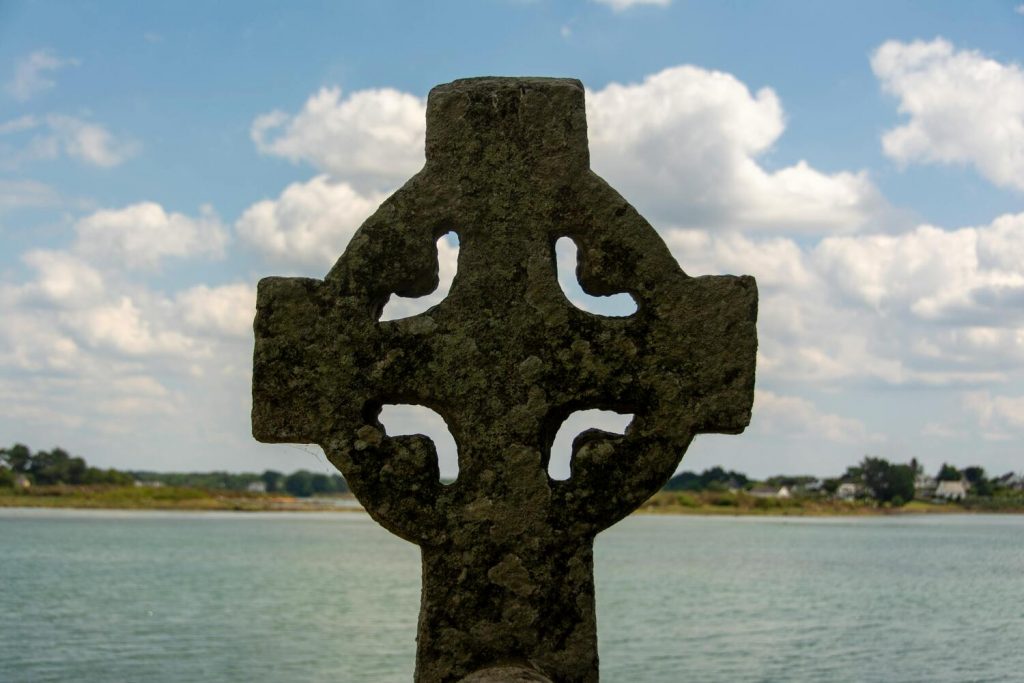
For the past few decades, the Celtic calendar has been experiencing a revival among pagans, Wiccans, and other spiritual groups.
The modern practitioners celebrate the festivals as a way to reconnect with Earth’s energy and their own spirituality.
Today, the Celtic calendar and pantheon have gone global. People from all over the world choose to follow them.
The reason for that is that it’s one of the best preserved ancient calendars.
Also, people don’t choose this calendar out of nostalgia, but because they want to embrace a way of life that respects the Earth and makes them feel one with nature again.
Nature’s Calendar
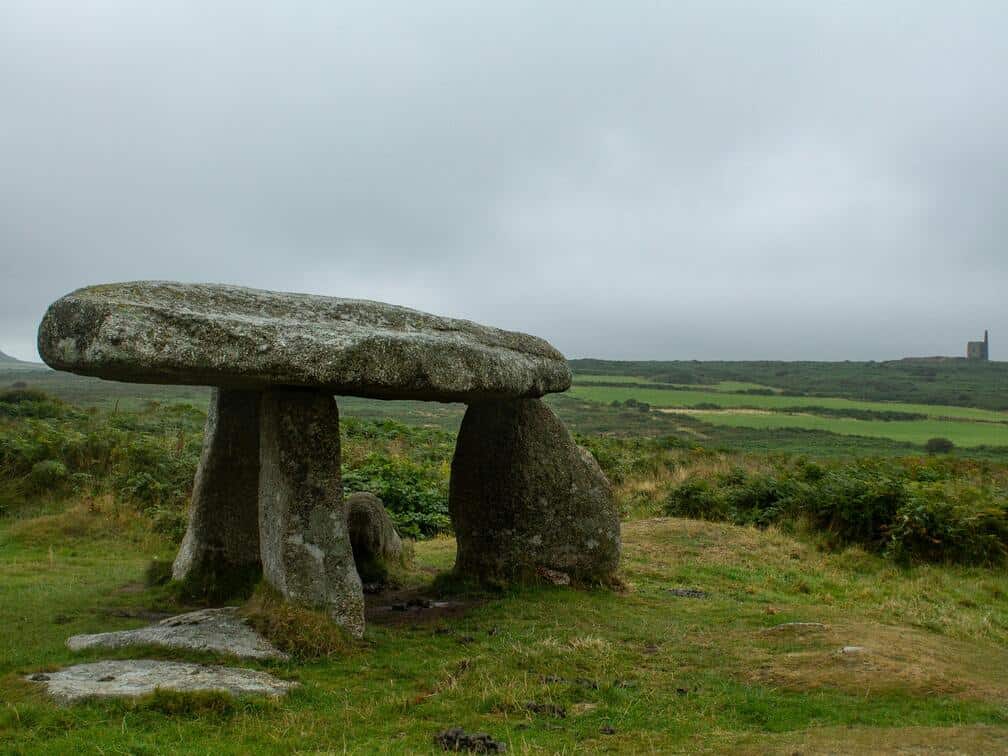
The Celtic calendar celebrates nature first and foremost. It aligns with solar events like solstices and equinoxes, as well as lunar phases.
その agricultural cycles – planting, harvesting, and resting – mirror both nature’s rhythm and our own.
Sacred trees like oak and ash, as well as fire and water, are woven into rituals, reinforcing the connection to Earth’s energy.
Every festival and month is a reminder to live in harmony with natural patterns, to honor the changing seasons, and to listen to the subtle messages of nature.
Celtic timekeeping is beautifully rooted in the pulse of life itself.

A little Aquarius, devoted to writing and embroidery. Through my writing, I hope to empower readers to align with their true selves and navigate life’s mysteries with confidence.