

Being a mom is a beautiful, but tricky job. Children constantly change, learn new things, and have different needs.
So, understanding how your child sees you at every age can help you parent better and have more patience both for them and yourself.
Whether you’re caring for a baby or you’re dealing with a young adult, your role 常に evolves.
So, here’s what “mom” represents to children at different stages of life.
1. Infant: Warmth and Security

When a child is tiny, mom is everything to them. They crave your voice and touch constantly.
You’re their life-giver and safe haven, and you make everything okay with a gentle word or a hug.
Trust between mother and child is built in these early months, and they depend on your presence more than anything.
Babies can sense your emotions; they can tell whether you’re calm or upset, and it affects them.
Mom is their main sense of security, and they always need to be around you.
This is the foundation for their whole life, so it’s crucial to be present, patient, and gentle.
2. Ages 3-5: Wonder

Once a child hits preschool age, mom becomes their entire universe and their superhero.
They see you as capable of anything, and you’re the person they go to for both comfort and fun.
During these years, they’re learning how 愛 is expressed through your actions: your hugs, kind words, and countless little things you do for them each day.
They also now notice how you treat yourself.
They start to pay attention to how you handle your feelings, so staying calm and kind teaches them 感情の回復力.
Be mindful of your reactions. Harsh words and dismissiveness can shake their sense of security to the core.
At this age, children see their mom as the best person in the world, so cherish those moments and show your love through everything you do.
3. Ages 6-9: Teacher and Role Model
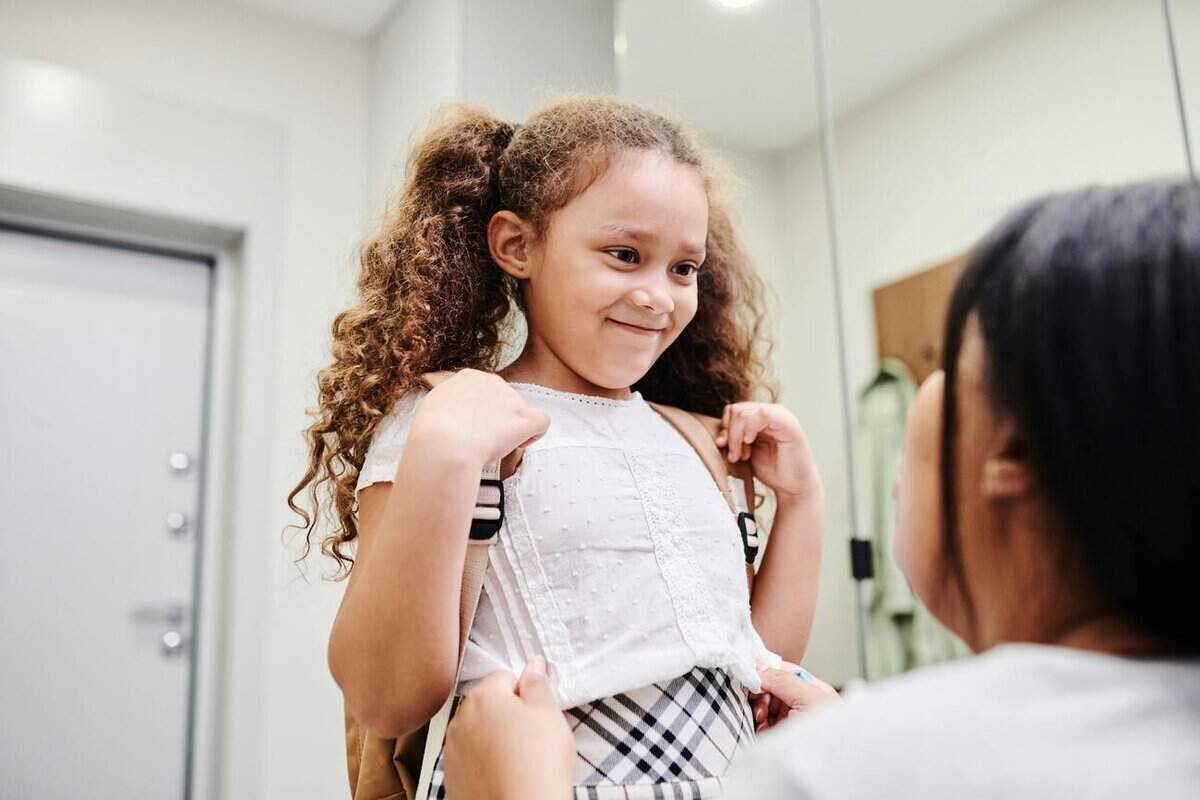
Kids in this age range observe everything – how you speak, how you solve problems, how you behave when things don’t go your way.
They see their mom as their first teacher. They start to pick up habits, tone of voice, そして manners from you.
Your resilience and patience influence their view of the world and themselves.
This is a critical time to be mindful of your words; dismissive and harsh comments can hurt their developing self-esteem.
They’re curious about everything, so encouraging questions and exploring new ideas together helps them grow.
Mom’s main role at this stage is to be a positive example, showing them how to handle challenges gracefully.
4. Ages 10-12: A Safe Harbor

Pre-teen years are a mess, both for kids and for moms. Children grow bigger, their world expands, but they still need you in order to feel safe and grounded.
They start testing boundaries and emotions, and they’re always looking to see if you’re present and supportive when they need you.
They’re learning to handle feelings like disappointment and excitement, and your response matters a lot.
It’s important that you’re a steady presence and that you can listen to them without judgment.
Trust between a mom and a child is also built during this period. They need to make sure they can come to you with anything.
By acknowledging their feelings while guiding them, you help them develop エモーショナル・インテリジェンス and resilience.
Your support now means they become confident, caring individuals tomorrow.
5. Ages 13-16: The Moral Compass

Teenagers see their mom as their moral compass, even if they pretend they don’t.
They crave independence but still look up to you a lot. This is the time they start to figure out who they are, what they believe, and how they handle setbacks.
They also observe how you deal with conflicts and failures; your reaction shapes their own understanding of respect and emotional control.
Rebellious behavior is to be expected at this age, so it’s important to let them have their phase as long as they’re not harming themselves or anyone else.
Otherwise, you might become overly critical, which can harm your relationship and their sense of self-worth.
Being honest and respectful when interacting with them helps them learn how to navigate their own relationships.
Even when they seem distant, they’re looking and learning from you.
6. Ages 17-20: A Listener

Young adults are busy figuring out their own identity, and so mom’s role shifts again.
By this age, they’re testing whether your love is really unconditional and whether you respect their 独立性.
They’re becoming more aware of your flaws, too – learning to forgive and accept imperfections.
The most important thing is to avoid trying to control them. All you can do is offer guidance and support; they’re grown-ups now, and they know it.
Respect their choices even if you disagree, and they’ll feel safe to share their feelings and ideas with you.
At this age, you continue to build trust and show that your support lasts, no matter what.
Mom’s patience and understanding of her child at this age shape their bond into what it will be for the rest of their life.
7. Ages 20-25: Their Support
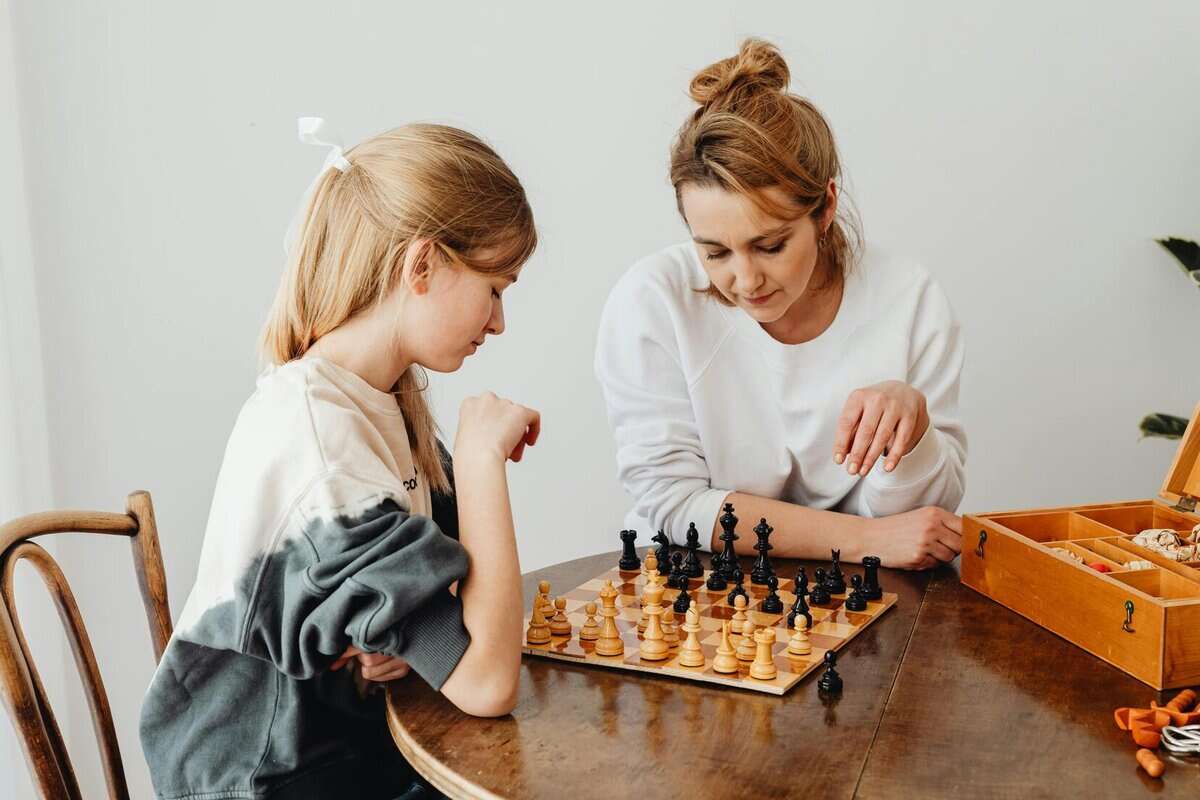
As your child enters early adulthood, they’re defining their sense of self and testing the waters of independence.
This is the time for honest conversations, forgiveness, and expressing your feelings in an authentic way.
They’re learning how to handle serious setbacks in their professional or romantic life, and at this age, their mom is their confidant and their main support.
Avoid sweeping issues under the rug or trying to control their choices.
Show them that your love is unconditional and that you respect their journey.
This is when you can finally grow closer as equals. Mom’s support now helps shape their confidence and emotional maturity.

A little Aquarius, devoted to writing and embroidery. Through my writing, I hope to empower readers to align with their true selves and navigate life’s mysteries with confidence.