

The church treats Christian saints as purely religious figures – people who sacrificed everything for their faith and are honored for their virtue.
But if you look closer, you’ll notice that many saints seem to carry numerous traits from older, pagan deities.
Some denominations even reject saints, calling it idolatry, claiming it’s wrong to worship them.
You can’t ignore the fact that they often embody traits, symbols, and dates that mirror pagan gods and rituals.
They’re rebranded versions of ancient deities, adapted to fit a new religious mold.
1. Saint Nicholas and Odin

Saint Nicholas, the jolly figure behind Christmas stockings そして gift-giving, shares many traits with Odin.
Odin was associated with the wild hunt, riding through the sky during Yule, rewarding those who honored him.
His beard and cloak actually resemble depictions of Saint Nicholas.
When Christianity spread through northern Europe, the image of Odin was gradually replaced with his Christianized double, who also rides through the night delivering gifts.
This wasn’t coincidental – it was a clever way to Christianize existing pagan winter rituals and minimize pushback from the converts.
2. Saint Brigid and the Goddess Brigid
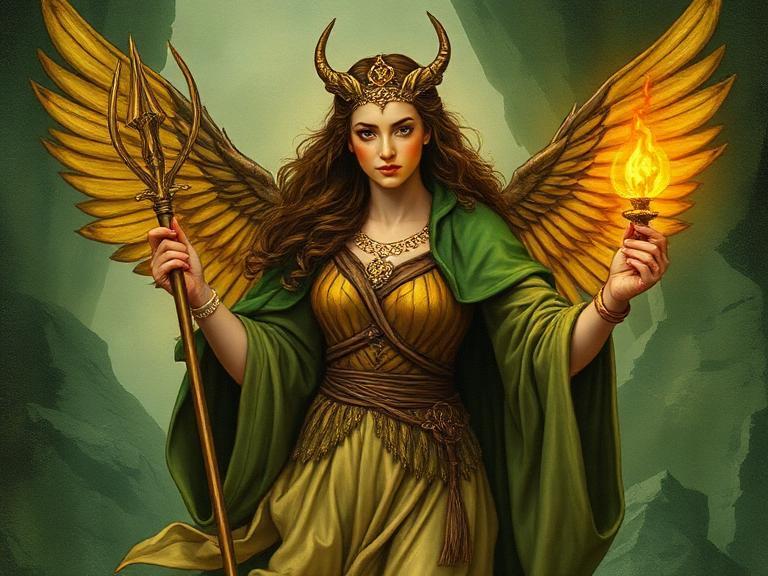
Saint Brigid of Kildare is not a purely Christian figure. Her story echoes a much older goddess: Brigid of the Celtic pantheon.
The goddess was associated with fertility, poetry, healing, and the arrival of spring. Saint Brigid is celebrated on Imbolc, which is an ancient celebration of renewal.
Both Brigid figures are linked to wells, fire, and crafts.
The saint’s caring persona and her connection to healing and fire rituals are a direct connection to the goddess.
This is clear evidence of how pagan symbols and customs were woven into Christian practices.
It made conversion easier, allowing pagan worshippers to keep their traditions under the guise of saint veneration.
3. Saint George and Týr

Saint George, famous for slaying a dragon, is a Christian hero tied to several older warrior gods. One of the most prominent is Týr, from Norse and Germanic myths.
Týr was a god of war and justice, associated with heroic deeds and the sky.
The story of Saint George slaying a monster resembles timeless tales of ancient warriors defeating chaos.
The dragon symbolizes chaos and evil – something that needed to be defeated to restore order. Similarly, Týr played a crucial part in trapping Fenrir.
This myth mirrors pagan warrior cults, where gods and heroes battled monsters for the good of society.
4. Saint Elijah and Perun
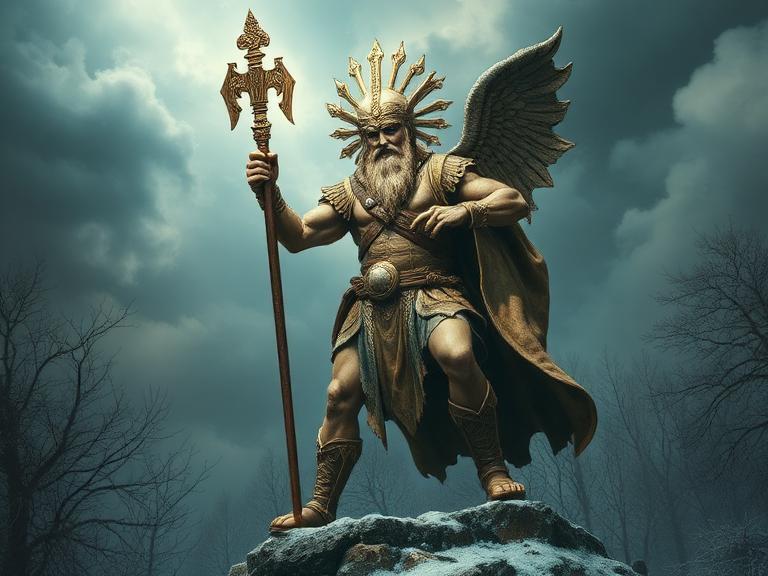
In Slavic tradition, Saint Elijah is called the “thundering saint,” believed to wield the power to punish with lightning and thunder.
これは directly parallels Perun, the Slavic thunder god, who rules over storms and is associated with power and justice.
The timing of Saint Elijah’s holiday aligns with the old pagan festival honoring Perun.
During this time, people would avoid washing clothes or doing chores, in fear of provoking Saint Elijah’s wrath.
The fear and respect people show for this saint resemble the reverence for Perun, emphasizing his role as a divine enforcer of order and morality.
5. Saint Valentine and Freyr

Saint Valentine’s Day, celebrated through love and romance, is linked to fertility rites from the Roman festival of Lupercalia.
However, his association with love and romance also mirrors the Norse god Freyr, who brought prosperity and good weather.
Freyr’s blessings ensured abundance and fertility, much like Saint Valentine’s role as a patron of lovers.
The timing of Valentine’s Day celebration matches the pagan Lupercalia, suggesting a deliberate Christian adaptation of fertility rites.
This allowed old pagan celebrations of love and abundance to survive under Christian symbolism.
6. Saint Cuthbert and Cernunnos

Saint Cuthbert, a monk known for his hermit lifestyle and reverence for nature, is likened to Cernunnos, the Celtic god of animals and fertility.
Cernunnos is depicted with antlers, symbolizing the bounty of nature and potency.
Saint Cuthbert’s close ties to wild animals and his solitary life reflect a Christian reinterpretation of the pagan god’s connection to the natural world.
This allowed pagan nature worship to live under Christianity, especially in rural communities where the old religion was still strong.
Saint Cuthbert’s title as a protector of wildlife echoes Cernunnos’s role as the guardian of the forest.
7. Saint Demetrius and Demeter
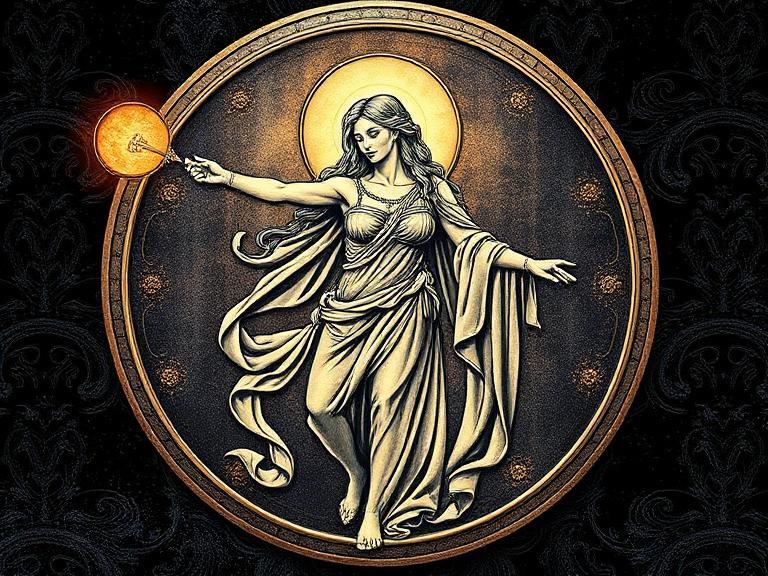
Saint Demetrius, especially revered in Eastern Europe, shares many traits with Demeter, the Greek goddess of agriculture and harvest.
Saint Demetrius is seen as a protector of crops, and his holiday coincides with planting and harvest seasons.
His role as a provider of food parallels Demeter’s domain. The timing of his holiday and the customs surrounding it resemble ancient agricultural rituals.
This suggests that veneration of Saint Demetrius might be a Christian continuation of older fertility rites dedicated to Demeter.
It served as a way to preserve agricultural traditions, ensuring farmers continued to honor the divine forces that supported their crops, now under the guise of a Christian saint.
8. Adaptation of the Pagan Religion
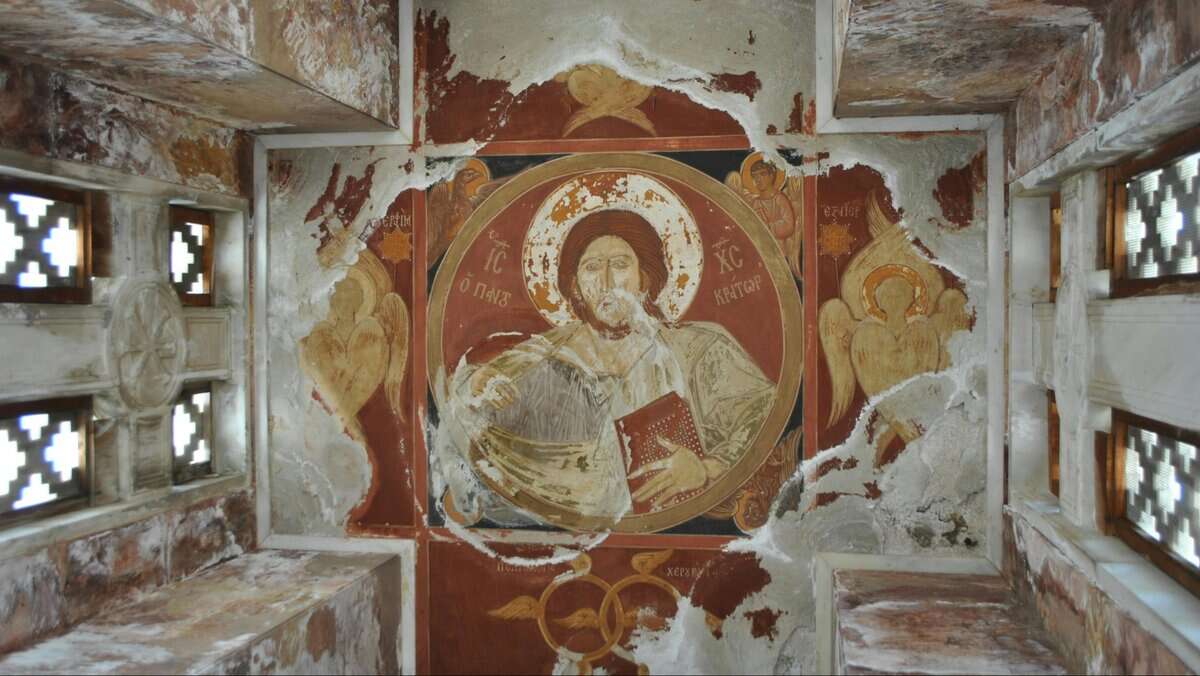
The evidence is pretty clear: many saints aren’t only Christian heroes – they’re reimagined versions of pagan deities.
From Odin to Cernunnos, the stories, symbols, and timing of their celebrations closely match ancient gods and rituals.
This was a strategic move by the early Christian church to ease the transition from paganism to Christianity.
This fact deters some from celebrating saints, as mentioned, because they see it as a form of idolatry.
Personally, I find this merger beautiful, as it allowed all the newly Christian peoples to hold onto the customs that made their cultures what they are.
It’s also why Christianity is so specific and diverse from country to country, although the essence of the faith is the same for everyone.

A little Aquarius, devoted to writing and embroidery. Through my writing, I hope to empower readers to align with their true selves and navigate life’s mysteries with confidence.