

The Bible describes the Antichrist as a figure or power that opposes God and deceives humanity.
This character is associated with lies, evil, and attempts to control people in ways that lead them away from faith.
While interpretations of the Antichrist vary among scholars and religious traditions, the scriptures give several clues about what to watch for.
These clues are meant to help believers recognize danger, remain vigilant, and strengthen their faith.
The Antichrist is often portrayed as convincing, powerful, and influential, appearing at times when people may be most vulnerable to deception.
Understanding these traits can help followers of God avoid being misled and maintain trust in spiritual truths.
The following ten points summarize key hints the Bible provides about the Antichrist and his characteristics.
1. The Antichrist Denies God

One of the clearest signs of the Antichrist is the denial of God’s authority. According to 1 John 2:22, this figure rejects Jesus as the Messiah and leads others to question God’s power and truth.
This denial may not always be obvious at first, because the Antichrist often uses subtle methods of deception.
People under this influence might begin doubting basic principles of faith, moral truths, or spiritual authority.
The Antichrist encourages ideas that replace God’s guidance with personal ambition, worldly thinking, or false ideologies.
Believers are urged to stay grounded in scripture and prayer, using discernment to identify teachings or behaviors that contradict God’s Word.
Recognizing this clue is crucial for remaining faithful and avoiding spiritual deception.
2. The Antichrist Is Deceptive

Deception is another key characteristic of the Antichrist. 2 Thessalonians 2:9-10 explains that he uses false signs, clever arguments, and trickery to mislead people.
Many are drawn to his charm, promises, or apparent wisdom, unaware of hidden evil. The Bible warns that spiritual alertness is necessary to avoid being misled.
The Antichrist’s deception is often gradual, making people believe that falsehoods are true.
By disguising lies as truth, he gains followers and spreads influence widely. Believers are encouraged to test every teaching against scripture, examining whether it aligns with God’s truth.
Understanding this deceptive nature helps maintain spiritual vigilance and prevents individuals from being swept away by appearances or persuasive words.
3. The Antichrist Gains Political Power

The Bible indicates that the Antichrist will rise to a position of political authority. Daniel 7:25 and Revelation 13:7 describe him as controlling nations and requiring allegiance.
This power allows the Antichrist to enforce his agenda and oppose those who remain faithful to God.
While many leaders influence people, the Antichrist’s authority combines deception with pressure to gain obedience.
His political power is used to mislead, manipulate, and create fear. Believers are warned to remain faithful even under threat and not to place human rulers above God.
Recognizing this clue emphasizes the danger of unchecked power and reminds followers that spiritual discernment is more important than loyalty to worldly authority, no matter how persuasive it appears.
4. The Antichrist Performs Signs and Wonders

The Antichrist is also described as performing miracles or supernatural acts to appear powerful. Revelation 13:13-14 describes events designed to impress and deceive people.
These signs are not from God and are intended to manipulate followers into trusting him.
While some might be drawn to impressive displays, the Bible encourages believers to focus on truth rather than spectacle.
Genuine spiritual acts reflect God’s guidance, while deceptive miracles aim to lead people away from faith.
Understanding this clue reminds believers to exercise discernment, asking whether an action or miracle aligns with God’s character.
Those who rely on appearances alone may be more easily misled, highlighting the importance of grounding faith in scripture and wisdom.
5. The Antichrist Persecutes the Faithful

Another biblical clue is that the Antichrist will oppose and persecute those who follow God.
Revelation 13:15-16 describes how faithful people may face hostility, punishment, or threats for maintaining their beliefs.
The Antichrist’s goal is to suppress resistance and enforce allegiance. This persecution may take the form of social pressure, economic control, or direct violence, depending on the situation.
Believers are encouraged to remain steadfast in faith despite danger, knowing that God’s authority is higher than any human or spiritual power.
Recognizing this pattern of opposition is a sign that deception is at work and helps followers prepare mentally and spiritually for challenges while trusting that God’s ultimate plan is victorious.
6. The Antichrist Seeks Worship

The Bible indicates that the Antichrist demands worship and obedience for himself rather than for God. Revelation 13:8 describes people being deceived into praising him.
This desire for personal worship reflects pride, rebellion, and a desire to replace divine authority.
Those who follow him may begin placing human power above God, a form of idolatry. Recognizing this clue is vital to avoid spiritual deception.
Believers are reminded that true faith requires allegiance only to God, not human leaders or figures claiming divine authority.
Awareness of this trait strengthens discernment and reinforces the importance of worshiping God alone, maintaining a clear distinction between divine authority and worldly influence.
7. The Antichrist Promotes False Peace

At first, the Antichrist may appear to bring stability or solutions to the world. 1 Thessalonians 5:3 describes a false sense of security that precedes destruction.
People are often deceived because they see immediate benefits or relief. However, this peace is temporary and deceptive, designed to gain trust while hiding harmful intentions.
Believers are urged to evaluate whether promises align with God’s truth rather than appearances.
Recognizing false peace helps prevent being drawn into dangerous situations or ideologies.
Faithful people are called to discern the difference between genuine spiritual guidance and the temporary comfort offered by deceptive powers like the Antichrist.
8. The Antichrist Is Proud and Arrogant
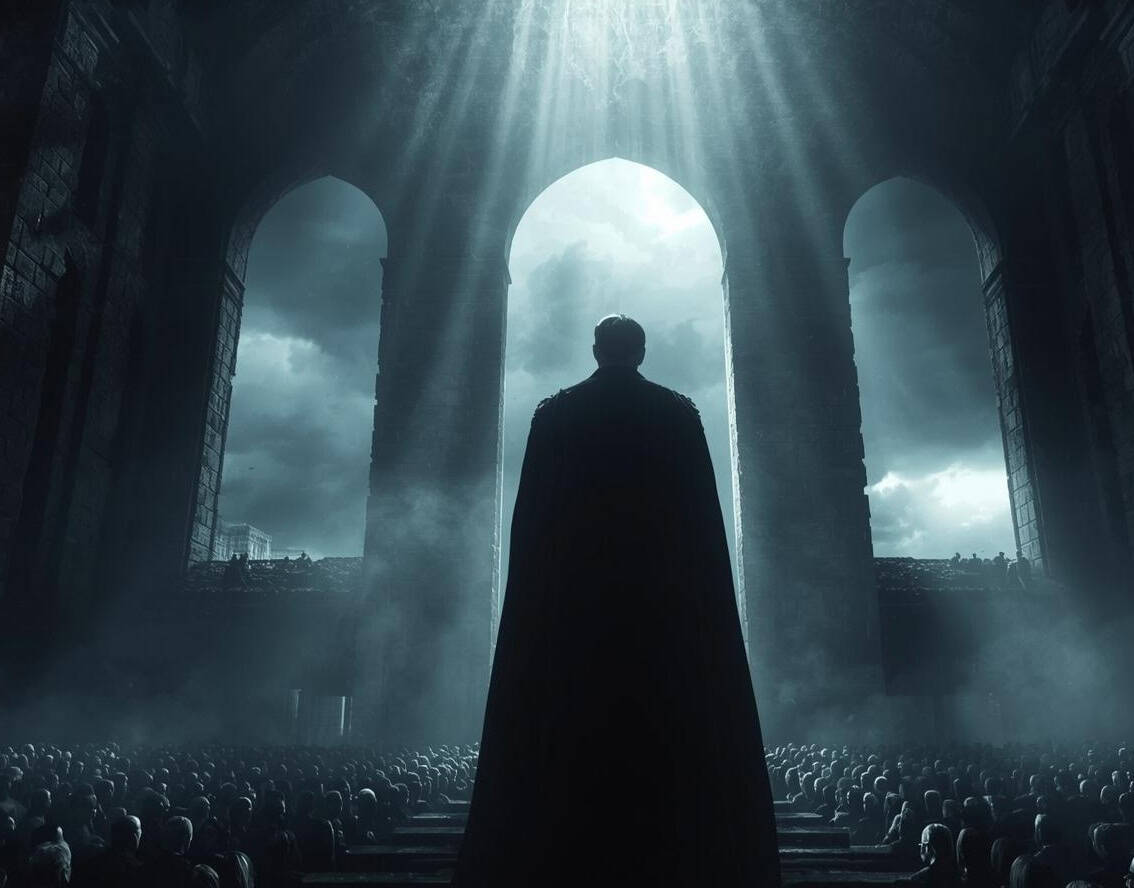
Pride and arrogance are key traits of the Antichrist. Daniel 8:25 describes him as boastful and self-exalting, claiming authority that belongs only to God.
This excessive pride is used to control and manipulate others. Spiritual teachings emphasize that humility and obedience contrast sharply with the Antichrist’s behavior.
Recognizing arrogance as a warning sign helps believers discern between divine guidance and human deception.
People who are drawn to prideful leaders may unknowingly submit to false authority.
Awareness of this trait allows followers to stay spiritually grounded, understanding that true leadership in faith is rooted in humility, service, and devotion to God, not self-glorification.
9. The Antichrist Works with Demonic Forces

The Antichrist is often described as being connected to evil spiritual powers. Revelation 16:13-14 describes demonic spirits supporting his plans.
These forces amplify deception, fear, and destruction, making the Antichrist appear more powerful.
Believers are taught to rely on God and prayer to resist these influences.
Understanding this clue emphasizes that the Antichrist’s strength is not independent but comes from alignment with spiritual evil.
Awareness of this connection helps followers recognize the importance of spiritual protection, discernment, and maintaining faith, rather than attempting to confront such forces through human strength alone.
10. The Antichrist Has a Limited Time

Finally, the Bible makes clear that the Antichrist’s power is temporary. 2 Thessalonians 2:8-9 explains that God will ultimately defeat him.
Despite apparent success or influence, this figure cannot overcome God’s authority.
Believers are encouraged to remain faithful and not lose hope even during deception, persecution, or moral confusion.
Understanding that the Antichrist’s power is limited provides perspective and reassurance that God’s plan will prevail.
This clue reminds followers that faith, patience, and trust in divine authority are more important than fear of temporary influence, reinforcing the ultimate victory of God over all forces of deception.

私は生まれたときから、常に神との強いつながりを感じていた。作家として、また指導者として、私の使命は、人々が最も暗い時代に愛と幸福と内なる強さを見つけるのを助けることである。