
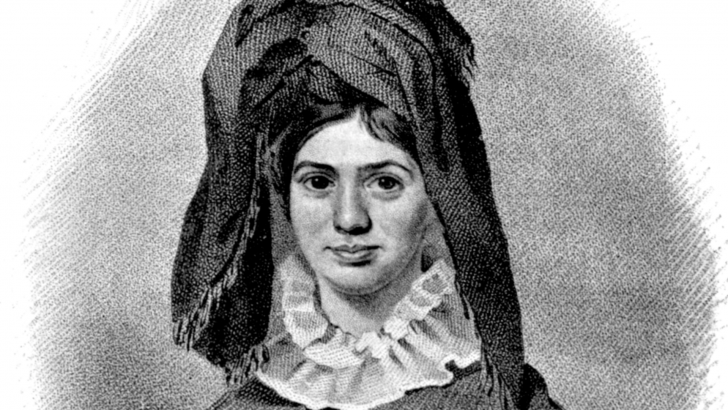
The story of Princess Caraboo, also known as the Cobbler’s Daughter, is one of England’s most famous cases of deception.
In the early 19th century, a young woman appeared in a small English town speaking an unknown language, wearing exotic clothing, and claiming to be a princess from a faraway land called Javasu.
Her mysterious manners, strange accent, and detailed stories fooled local residents and even wealthy upper-class families.
Newspapers across England covered her story, and she became a sensation almost overnight. People offered her shelter, gifts, and attention, eager to learn more about this exotic visitor.
However, beneath the elaborate costume and foreign words, Caraboo was actually Mary Baker, the daughter of a humble cobbler.
Here are five things you should know about this remarkable deception.
1. Early Life and Humble Beginnings
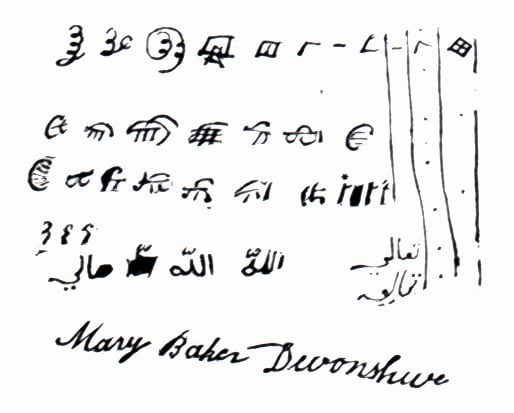
Mary Baker, later known as Princess Caraboo, was born in 1792 in Devon, England, to a poor cobbler and his wife.
Her upbringing was modest, and she had no access to wealth, education, or privilege. Despite this, Mary developed a talent for acting and storytelling at a young age.
She enjoyed performing small plays and pretending to be someone of importance, often entertaining neighbors and family members with her imagination.
These early experiences helped her develop the confidence and skills she would later use in her famous impersonation.
The life of a cobbler’s daughter was ordinary and constrained, making her sudden rise as “Princess Caraboo” all the more astonishing to the English public.
Mary’s ability to transform herself from a humble girl into an exotic princess highlights both her ingenuity and the human desire to believe in mystery and wonder.
2. Arrival in Almondsbury
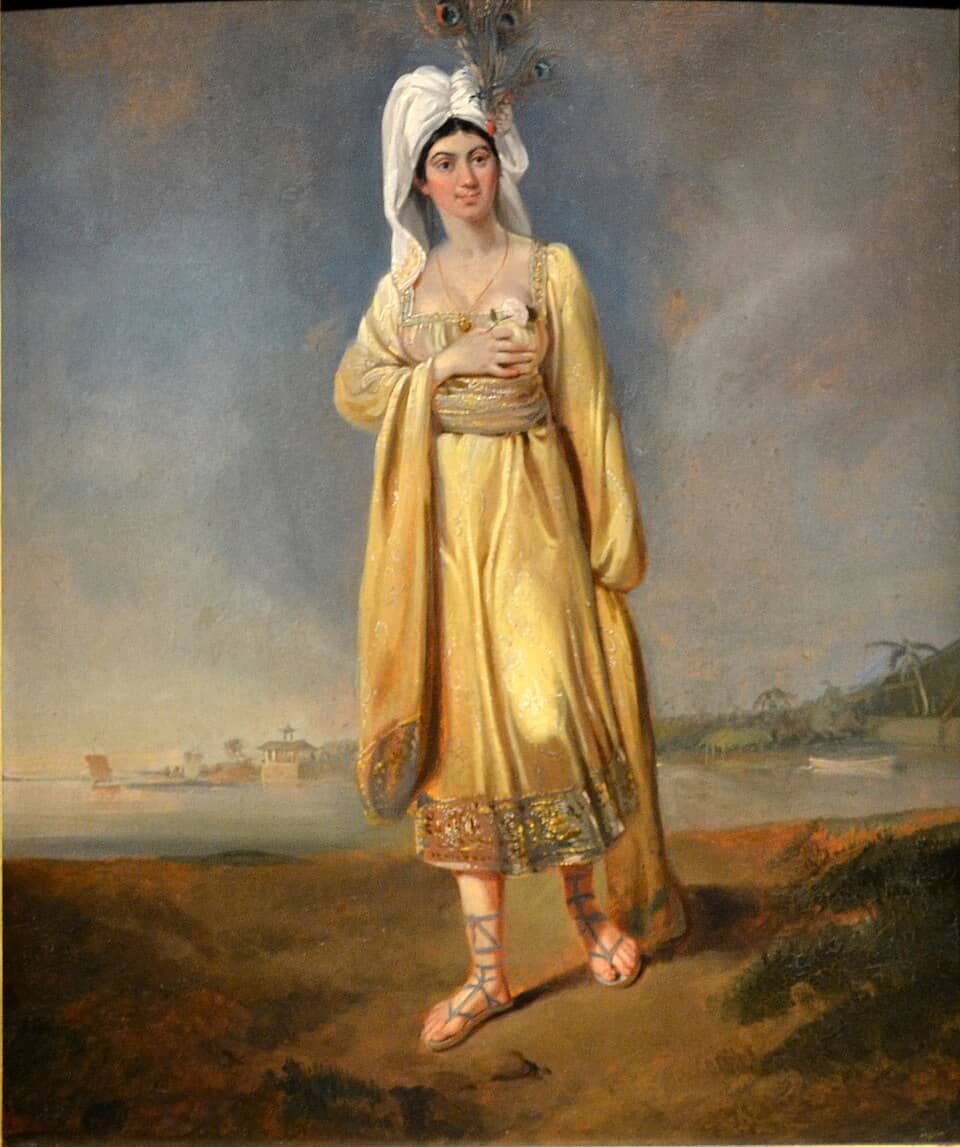
In 1817, Mary Baker appeared in the village of Almondsbury wearing unusual clothing, speaking a strange language, and claiming to be Princess Caraboo from Javasu.
Her accent and exotic costume immediately caught attention, and locals were both curious and suspicious.
She used gestures, small props, and her storytelling skills to reinforce her narrative. People were fascinated by her apparent knowledge of foreign customs and courtly manners.
Wealthy residents invited her into their homes, offering food, shelter, and attention.
The villagers were so convinced by her act that they consulted scholars and clergy to understand her language and background.
Her sudden appearance in this small English village started a media sensation and spread across the country, capturing imaginations and revealing how charm, poise, and theatrical skill can manipulate perception.
3. Living the Life of a Princess
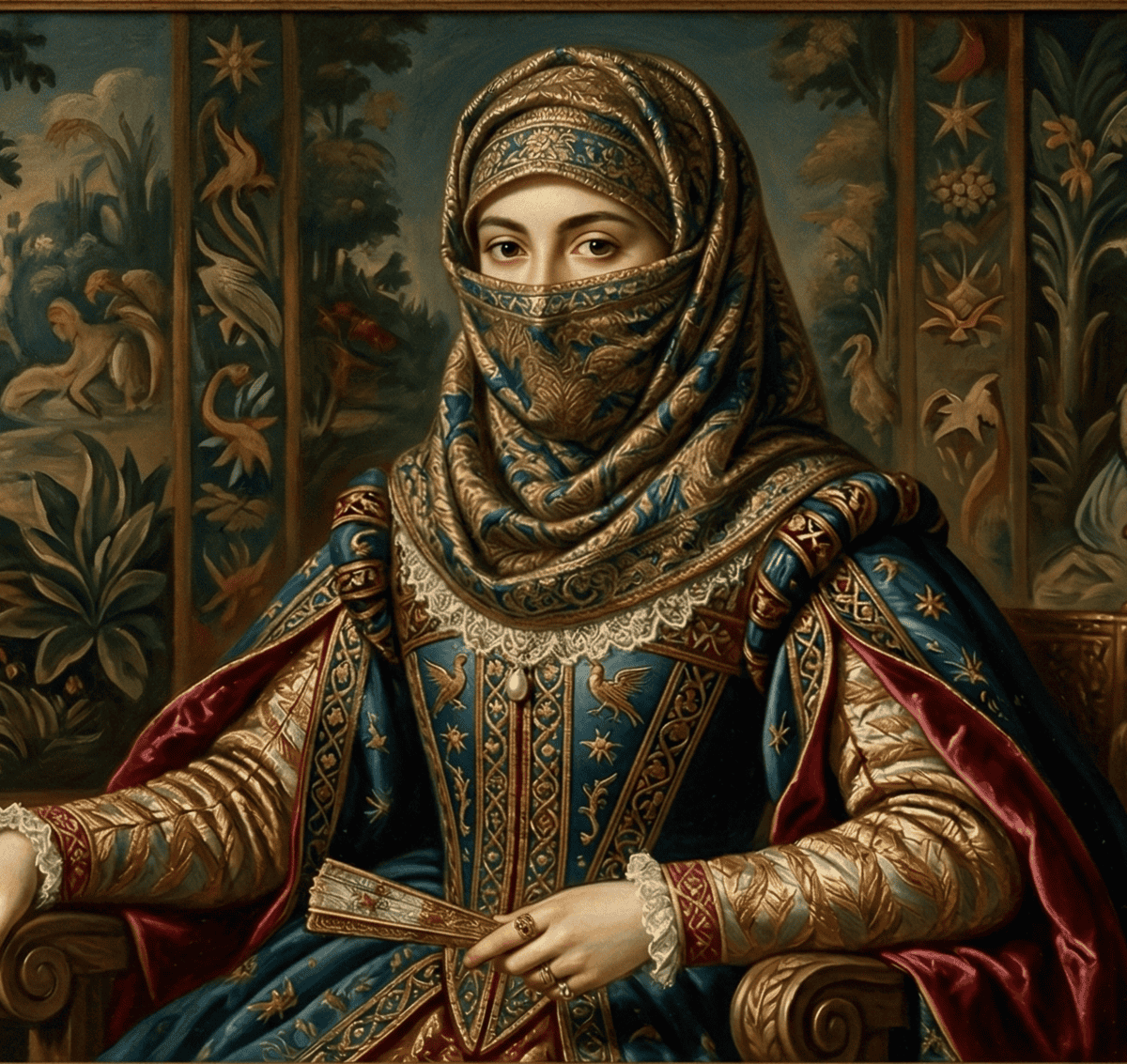
During her time as Princess Caraboo, Mary Baker was treated like royalty by many of her hosts. She stayed in comfortable homes, received gifts, and participated in social gatherings.
Guests were fascinated by her supposed tales of life in Javasu, describing exotic customs, royal ceremonies, and distant lands.
Her language, gestures, and costume were carefully crafted to reinforce the illusion.
Mary’s ability to maintain her story for weeks without revealing the truth amazed people, showing her intelligence and attention to detail.
She understood human curiosity and pride, exploiting it to maintain her deception.
While many were impressed by her presence, some began to question inconsistencies, yet her confidence and charm kept doubt at bay.
This period highlights the power of perception and how charisma can create belief even in the most improbable stories.
4. Exposure and Public Reaction
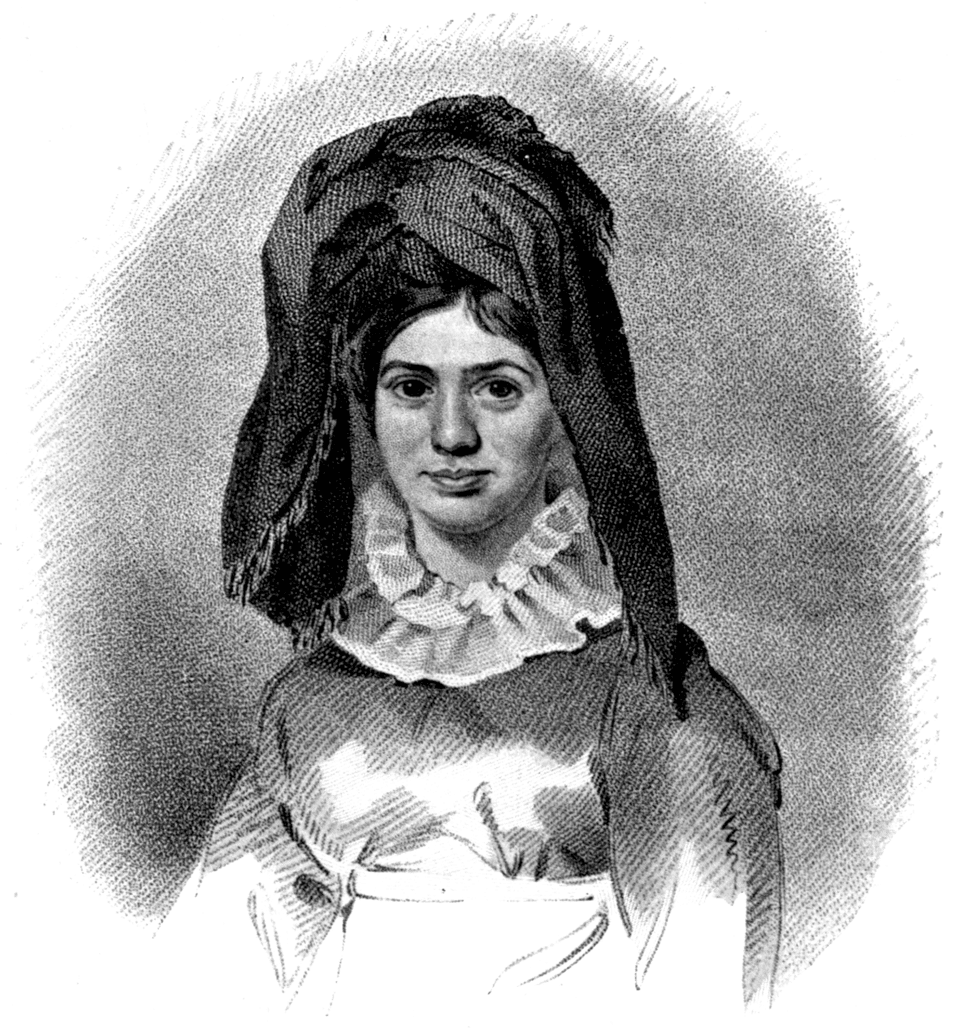
Eventually, the truth about Princess Caraboo was revealed. A neighbor recognized her from her humble origins, and local authorities investigated her past.
Once exposed as Mary Baker, a cobbler’s daughter pretending to be royalty, reactions were mixed.
Many were shocked, embarrassed, or amused by the deception. Newspapers reported the story widely, and Caraboo became a national sensation, not for her royalty, but for her cleverness and audacity.
Despite the embarrassment of being fooled, the public remained fascinated by her story, treating her more as an entertainer than a criminal.
The exposure demonstrated the limits of deception but also highlighted the human fascination with mystery and the allure of the exotic.
Mary Baker had successfully captivated a nation through imagination, charm, and theatrical skill.
5. Legacy of Caraboo
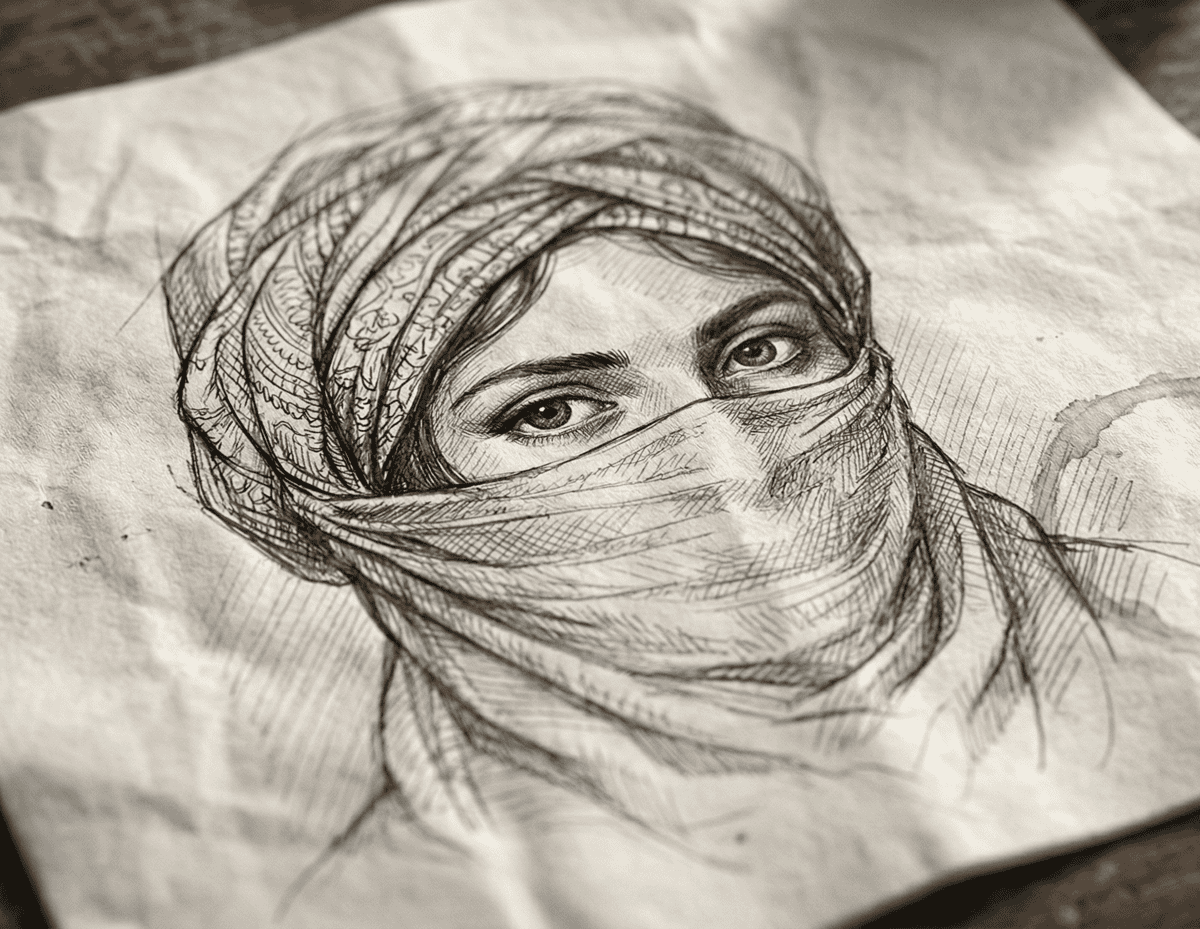
Princess Caraboo’s story left a lasting mark on English culture and folklore. Her tale has been retold in books, plays, and articles as a remarkable example of wit, audacity, and human gullibility.
Mary Baker later capitalized on her fame by performing in public and selling souvenirs related to her story.
Her deception demonstrated the power of storytelling and how confidence, creativity, and performance can influence perception.
Caraboo also serves as a cautionary tale about how people are drawn to mystery and how easily curiosity and desire for the exotic can cloud judgment.
Even centuries later, the story of the Cobbler’s Daughter who fooled England continues to intrigue, entertain, and inspire those fascinated by clever deceptions and the human desire to believe in the extraordinary.

私は生まれたときから、常に神との強いつながりを感じていた。作家として、また指導者として、私の使命は、人々が最も暗い時代に愛と幸福と内なる強さを見つけるのを助けることである。