

When most people think about the Norse gods, they picture powerful warriors, thunder-wielding deities, and epic battles.
Names like Odin, Thor, and Loki often dominate the stories. Yet hidden among these famous figures is a goddess whose role was just as important, though far less dramatic.
Her name was Eir. Associated with healing, medicine, and care, Eir was one of the most respected female figures in Norse mythology.
While warriors fought on battlefields, Eir represented something equally valuable. She symbolized recovery, well-being, and the hope that healing could follow suffering.
Here are ten fascinating facts about Eir, the Norse goddess of healing.
1. Eir Was Closely Associated With Healing
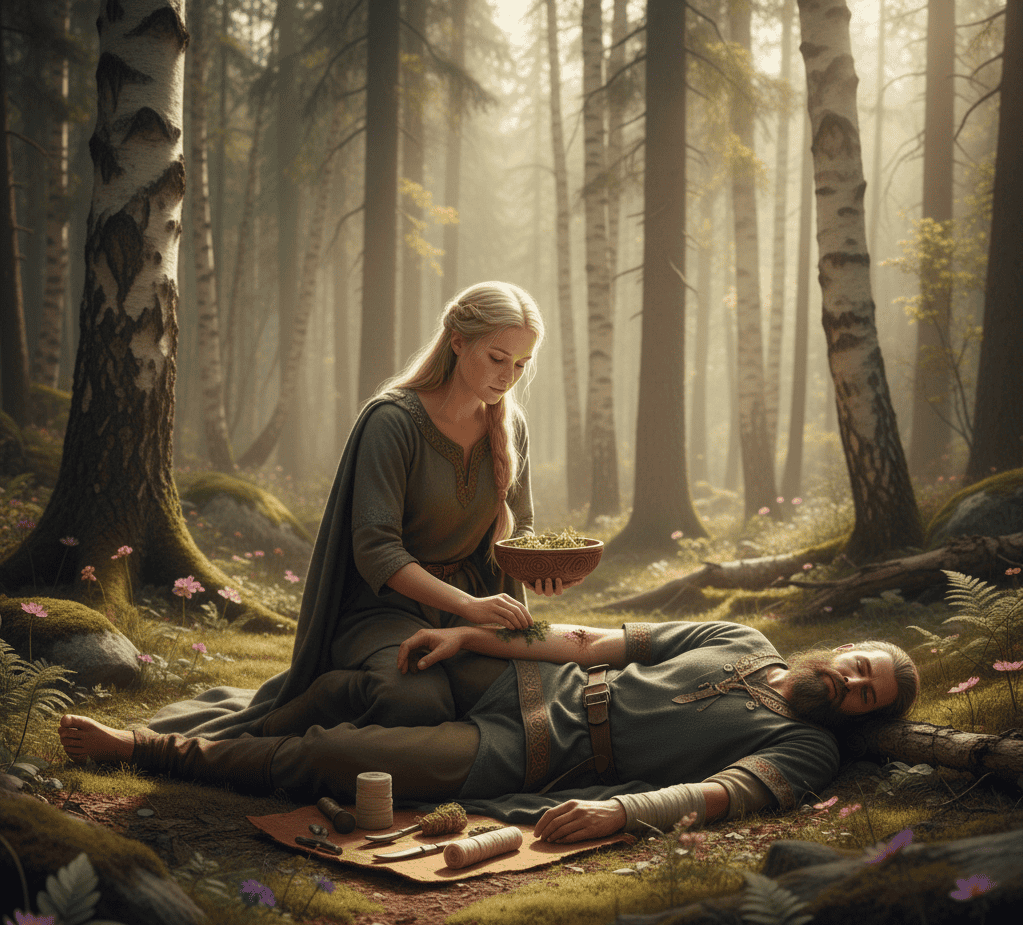
If the Norse people had a goddess most strongly connected with healing, it was Eir.
Ancient texts consistently link her with medical knowledge and the ability to help the sick and injured.
In a world where disease and injuries were common dangers, healing was considered an incredibly valuable skill.
Imagine living in an age without modern hospitals or medicine. Recovering from an illness often depended on remedies, experience, and a bit of good fortune.
That reality made healers highly respected members of society. Eir became the divine representation of those life-saving abilities.
Her name itself is often associated with mercy, help, and healing, making her one of the most compassionate figures in Norse mythology.
2. She Is Mentioned in the Poetic Edda

One reason we know about Eir today is that she appears in ancient Norse texts.
The Poetic Edda, one of the most important collections of Norse mythology, includes references to her among other significant divine figures.
While Eir does not appear as frequently as gods like Odin or Thor, her inclusion is still important.
The fact that she was mentioned at all suggests she held a recognized place within the Norse belief system.
Think about how many myths and stories have been lost over time. The surviving references offer valuable glimpses into the roles different gods and goddesses played.
For Eir, those references help confirm her reputation as a divine healer whose presence was respected by both gods and humans.
3. Some Sources Describe Her as a Goddess

One of the interesting things about Eir is that scholars continue discussing exactly how she should be classified.
Certain sources describe her as a goddess in her own right, while others place her among powerful female supernatural beings associated with the gods.
This uncertainty is not unusual in Norse mythology. Many figures appear in different roles depending on the source.
What remains consistent is Eir’s connection to healing. Regardless of her exact classification, Eir’s importance remains clear.
She was seen as a figure possessing extraordinary healing abilities and specialized knowledge.
That reputation ensured her place among the most respected female figures in Norse tradition.
4. Eir May Have Served as a Divine Physician

When people hear the word physician today, they think of doctors and medical professionals. In Norse mythology, Eir may have fulfilled a similar role among the gods.
Several scholars interpret her as a divine healer who possessed exceptional medical knowledge.
If so, she would have been responsible for treating illnesses and injuries within the mythological world.
You can almost picture warriors returning from battle while Eir used her skills to help them recover.
This image highlights an important truth. Even the strongest heroes occasionally need help.
The existence of a healing goddess suggests that the Norse recognized the value of care and recovery alongside courage and strength.
5. She Was Connected to Lyfjaberg

One fascinating location associated with Eir is a place called Lyfjaberg, often translated as “Healing Mountain.”
According to Norse sources, this mountain was connected with healing and protection.
The image is easy to imagine. A sacred place where those in need could find relief, comfort, or recovery.
Mountains often held spiritual significance in ancient cultures because they seemed closer to the divine world.
Even though details about Lyfjaberg remain limited, its connection to Eir adds an intriguing layer to her story.
6. Healing Was Highly Valued in Norse Society

Eir’s existence tells us something important about the people who told these myths.
Popular culture often focuses on Vikings as fearless warriors, but Norse society also valued practical skills, including medicine and healing.
After all, communities could not survive on bravery alone. They needed people capable of caring for the injured and helping the sick recover.
Eir embodied those essential qualities. Think about any successful society throughout history.
Warriors may protect it, but healers help sustain it. The presence of a healing goddess reflects an understanding that compassion and care are every bit as important as strength.
7. She Was Associated With Wisdom as Well as Healing

Healing requires knowledge. Even today, medical professionals spend years studying the human body and learning how to treat illnesses.
Ancient people recognized this connection between healing and wisdom. As a result, Eir was often viewed not only as a healer.
Her abilities likely represented experience, observation, and understanding.
Imagine how respected someone with exceptional healing skills would have been in the ancient world.
Eir came to symbolize that combination of wisdom and compassion, making her a particularly admirable figure within Norse mythology.
8. Few Myths About Her Have Survived

Unlike Thor or Loki, Eir does not appear in dozens of dramatic adventures. In fact, relatively little information about her survives today.
At first, this might seem disappointing. Yet it also makes her one of the most intriguing figures in Norse mythology.
The limited references encourage historians and mythology enthusiasts to piece together clues from ancient texts.
While we may never know every detail about Eir, the fragments that remain reveal a goddess who played an important role in the Norse worldview.
9. Modern Practitioners Still Honor Eir

Although the Viking Age ended centuries ago, interest in Norse mythology remains strong.
Many people who practice modern forms of Norse-inspired spirituality continue to honor Eir today.
They often view her as a symbol of healing, wellness, compassion, and personal recovery.
This continued respect demonstrates how timeless her role remains. After all, healing is something every generation values.
Whether people are recovering from illness, overcoming hardship, or supporting loved ones, the themes associated with Eir remain deeply relevant.
Her legacy has endured because the need for healing never disappears.
10. Eir Represents Hope During Difficult Times

Perhaps the most meaningful thing about Eir is what she represents. Healing is not simply about curing physical injuries.
It is also about recovery, resilience, and the belief that better days can come after difficult ones.
That message feels just as powerful today as it did in the ancient Norse world. Think about how often people face challenges that require patience and perseverance.
During those moments, hope can be one of the most valuable things a person possesses. Eir embodies that hope.
More than a goddess of medicine, she became a symbol of renewal, care, and the possibility of healing after suffering.

私は生まれたときから、常に神との強いつながりを感じていた。作家として、また指導者として、私の使命は、人々が最も暗い時代に愛と幸福と内なる強さを見つけるのを助けることである。