
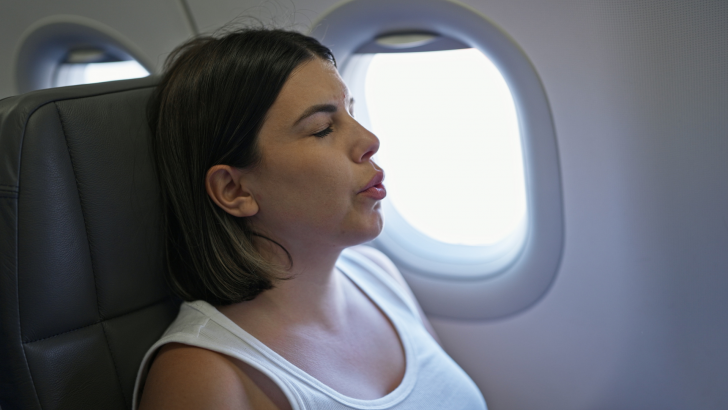
Many people have a fear of flying even though they know planes are safe; they often feel afraid because they are unable to control their flight, hear new and unknown sounds, or constantly imagine things may go wrong.
Although knowing all the facts about flying does not always remove fears, having correct and current information about flying will help calm a person’s nerves.
Knowledge produces an understanding of what’s going on, helping to reduce feelings of panic that may arise while flying.
1. Turbulence Is Uncomfortable but Not Dangerous
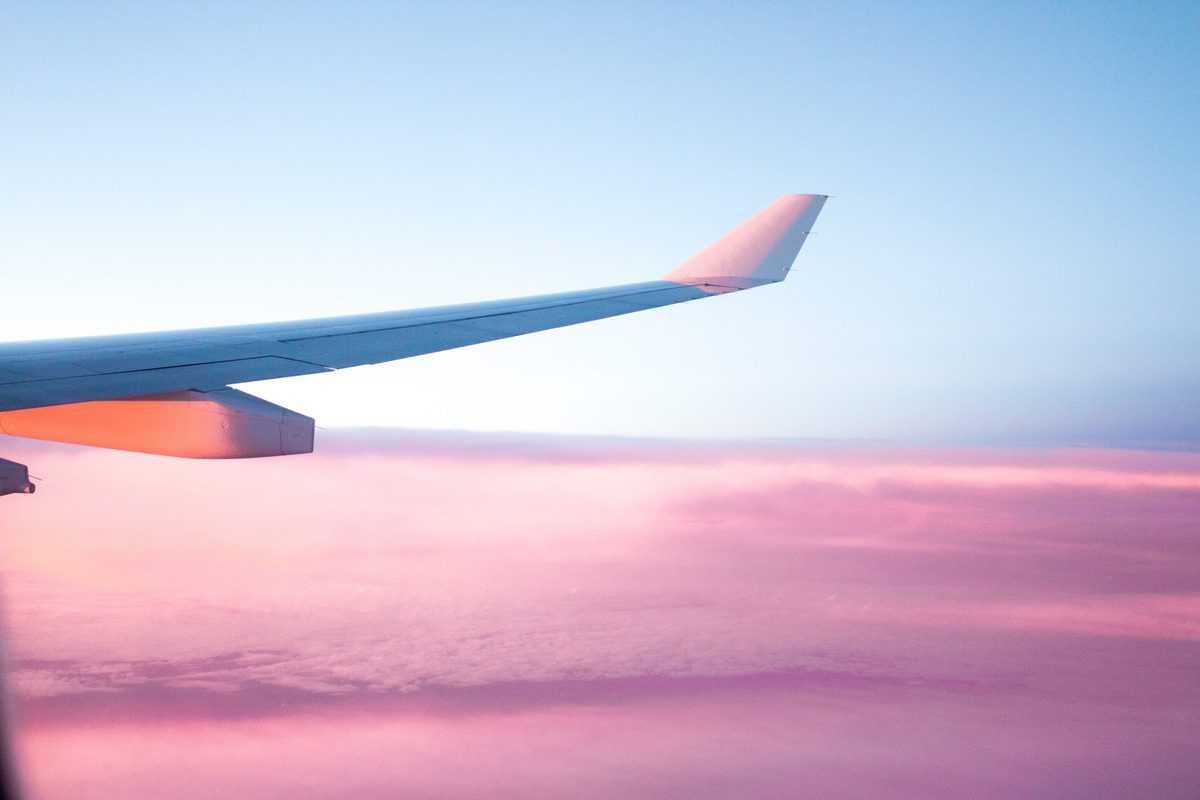
Turbulence is unsettling because it’s unexpected and you can “feel” it. But turbulence is actually normal for flying and is not harmful to the aircraft; they are designed to handle stronger forces than passengers will ever feel.
Pilots will try to avoid turbulence when they can; however, just like hitting bumps in the road does not damage cars, turbulence does not put your airplane in danger: a plane will never “fall” even in extreme turbulence.
Knowing this will help your body relax. The airplane is still completely under control during turbulence, and you can imagine it as a small ball inside a jelly container.
2. Planes Are Built With Multiple Backup Systems

There is a backup for every major system of an aircraft, meaning when something goes wrong with that system, a backup will start working. To put it another way, if any engine, navigation, control, communication system, etc., fails, there is an immediate backup for it.
If needed, an aircraft can operate safely with only one engine. The existence of these backups is based on safety planning; it is based on the fact that problems can occur.
In general, aviation has a very low reliance on trusting things will not go wrong; it has a high reliance on thorough preparation. Knowing this alleviates some of the fear about experiencing a sudden failure.
There’s not a single component that is responsible for the safety of an aircraft. This ensures that aviation is the most secure mode of transportation.
3. Pilots Train for Rare Situations Repeatedly
Pilots don’t depend only on their experience; they train in simulators for rare events on a continual basis.
They practice emergency procedures many times each year to develop their automatic reaction, and even for experienced pilots, they must complete regular proficiency exams to ensure they are knowledgeable in all procedures.
Therefore, pilots remain focused during flight and will follow established operating procedures to promote passenger safety. Once the public understands these facts, they will feel more secure flying on an aircraft.
Calmness is achieved through repeated simulation experiences, not by sheer luck.
4. Flying Is Safer Than Most Daily Activities
Flying is actually safer than many everyday activities. For example, while driving may be very unpredictable, flying follows specific routes and procedures and is constantly monitored from the ground.
You can track your flight, and airlines must meet strict safety standards around the world. Although fear can seem rational, statistics demonstrate that flying is very safe.
So, once you understand how safe flying actually is compared to your daily life, you can begin to reframe your perception of danger. The body responds to sensory perceptions rather than to perceived danger.
When you realize that flying statistically has less risk than your daily routine, your fear will lose its power. Even though your fear feels valid, flying does not present any real danger compared to other activities.
5. Strange Noises Are Normal and Expected
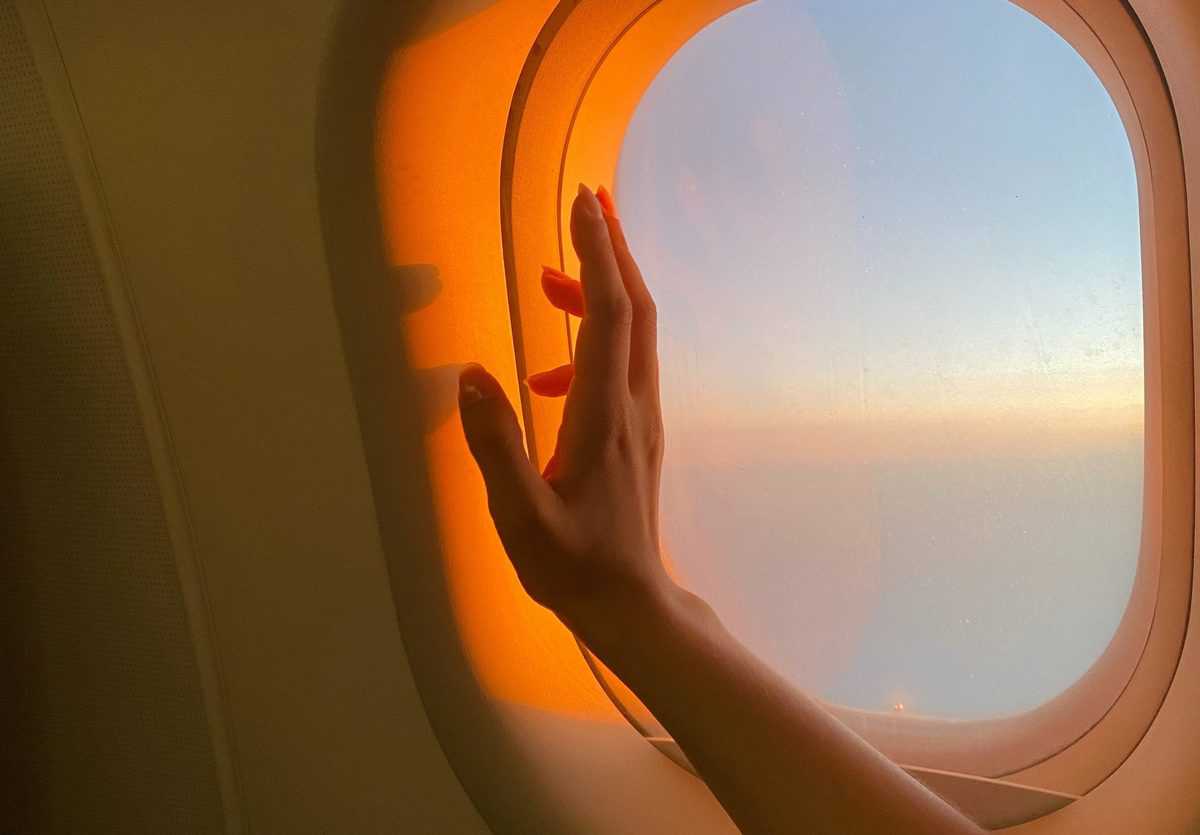
Unfamiliar airplane sounds can be alarming. Common noises originate from landing gear, flaps, or engines; such sounds indicate the aircraft is functioning normally, not a malfunction.
The vibrations and sounds an aircraft produces communicate with the pilots. Where you might panic at an unknown sound, you should actually be more worried if an aircraft were making no noise at all.
Usually when you hear noise, your aircraft is working as it was intended to. The more familiar you are with the sounds of your aircraft, the more comfortable you will feel.
6. Anxiety Symptoms Do Not Mean Danger

Physical symptoms often accompany a fear of flying, such as tightness in your chest and your head spinning or beating faster. They may seem frightening initially, but really, they are just indications of anxiety.
They do not indicate a problem with the aircraft; the aircraft remains fine. Your physical sensations do not impact an aircraft-related issue. You will not manifest bad feelings, and you will not cause the plane to get down.
Relax, breathe in and out, and enjoy the journey ahead. Understanding this allows you to manage your fear with more confidence.

Born and raised in Bosnia and Herzegovina. Ever since I was a little girl, my imagination knew no bounds. I remember vividly how I’d scribble down short stories, each page bursting with adventures and characters conjured up from the whimsy of my mind. These stories weren’t just for me; they were my way of connecting with my friends, offering them a slice of my fantasy world during our playtimes. The joy and excitement on their faces as we dived into my fictional realms motivated me to keep writing. This early passion for storytelling naturally evolved into my pursuit of writing, turning a childhood hobby into a fulfilling career.