
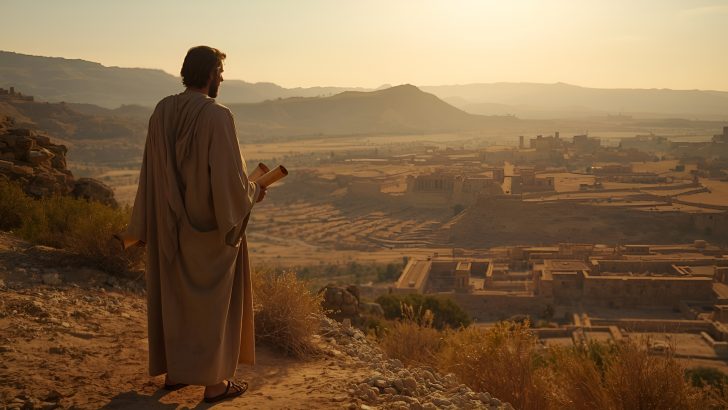
The Bible mentions many prophets who delivered powerful messages from God. Some of them are very well known, such as Isaiah, Jeremiah, and Ezekiel.
However, there are also many prophets who appear only briefly in the scriptures. Their stories are short, and sometimes only a few verses describe their lives or their messages.
Because of this, many readers overlook them. Even though they are not famous, their words and actions still played an important role in the history of Israel and the early faith of God’s people.
These forgotten prophets remind us that God often worked through unexpected individuals.
Their brief appearances still carry lessons about obedience, courage, warning, and faith. Here are ten prophets mentioned briefly in the Bible who deserve more attention.
1. Ahijah the Shilonite
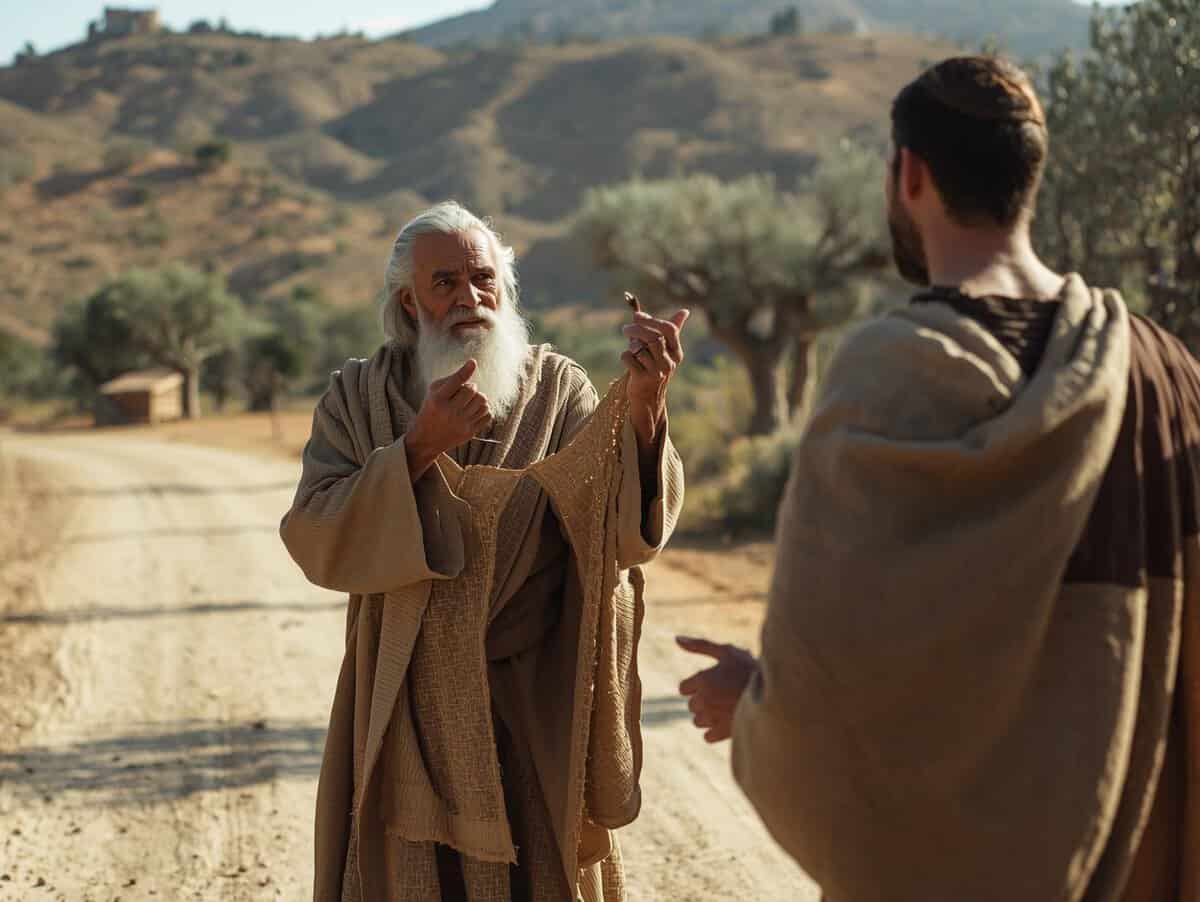
Ahijah the Shilonite was an important prophet during the time of King Solomon and King Jeroboam.
He is mainly remembered for predicting that the kingdom of Israel would be divided. According to the story, Ahijah met Jeroboam on the road and tore a new garment into twelve pieces.
He gave Jeroboam ten pieces as a sign that he would rule over the ten tribes of Israel.
This message came as a warning because Solomon had turned away from God. Ahijah later delivered another prophecy when Jeroboam’s son became sick.
Even though his appearances in the Bible are short, his prophecies shaped the political future of Israel and showed how God used prophets to guide and warn leaders.
2. Iddo the Seer

Iddo is described in the Bible as a seer, which was another word for prophet in ancient Israel. He lived during the time of King Solomon and later during the reign of King Rehoboam.
The Bible says that Iddo recorded visions and events about the kings of Judah. Unfortunately, most of his writings are not preserved today.
They are only mentioned in passing within the historical books of the Old Testament.
Even though we do not have his full story, the references show that he played a role in documenting important moments in Israel’s history.
His example reminds readers that many prophets worked quietly behind the scenes, recording and preserving spiritual messages for future generations.
3. Shemaiah the Man of God
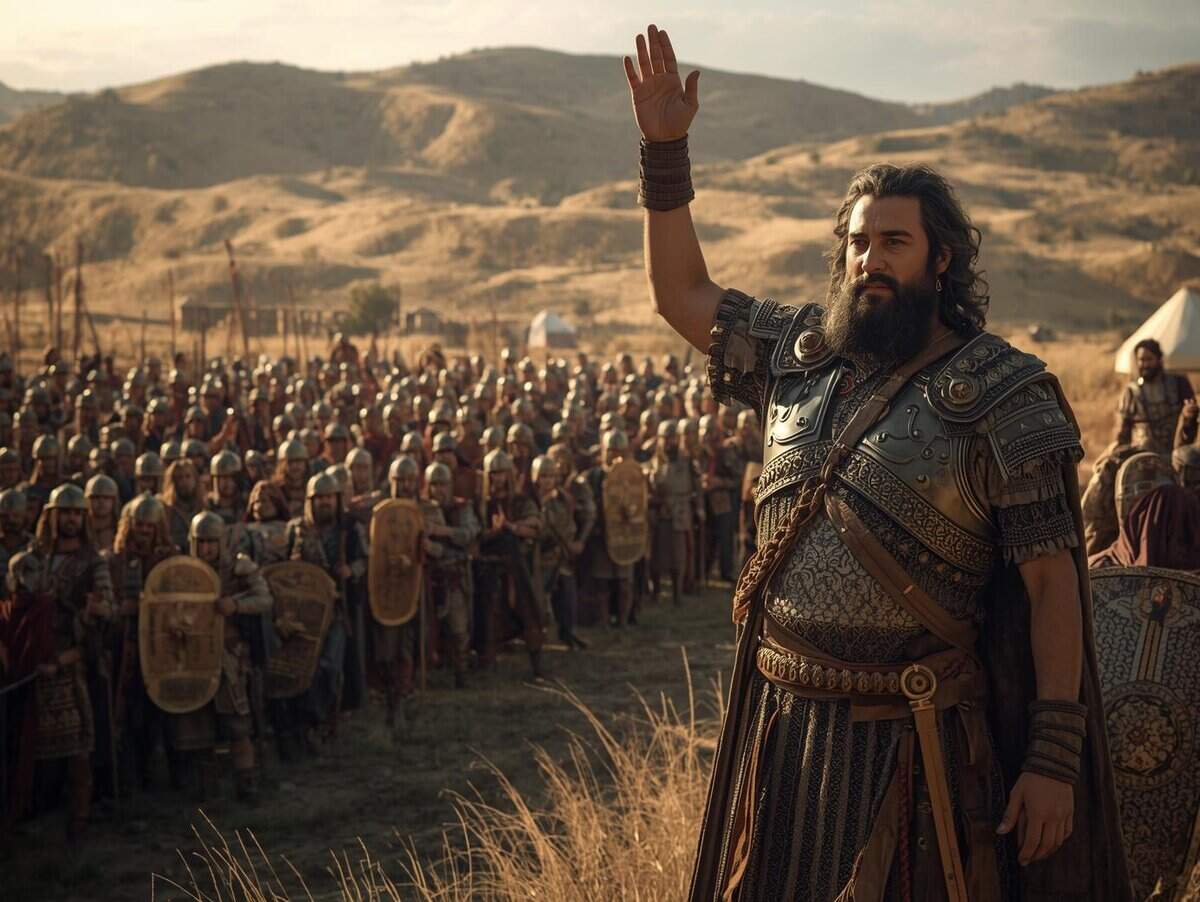
Shemaiah appeared during a very tense moment after the kingdom of Israel was divided.
King Rehoboam of Judah prepared to attack the northern tribes in order to reunite the kingdom by force.
At this point, Shemaiah delivered a message from God telling the king not to go to war against his own people. The message warned that the division of the kingdom was part of God’s plan.
Surprisingly, the king and his army listened to the prophet and returned home. Shemaiah’s brief appearance shows the strong influence prophets sometimes had over kings and armies.
His story teaches an important lesson about obedience and trusting God’s guidance even when emotions are high.
4. Hanani the Seer
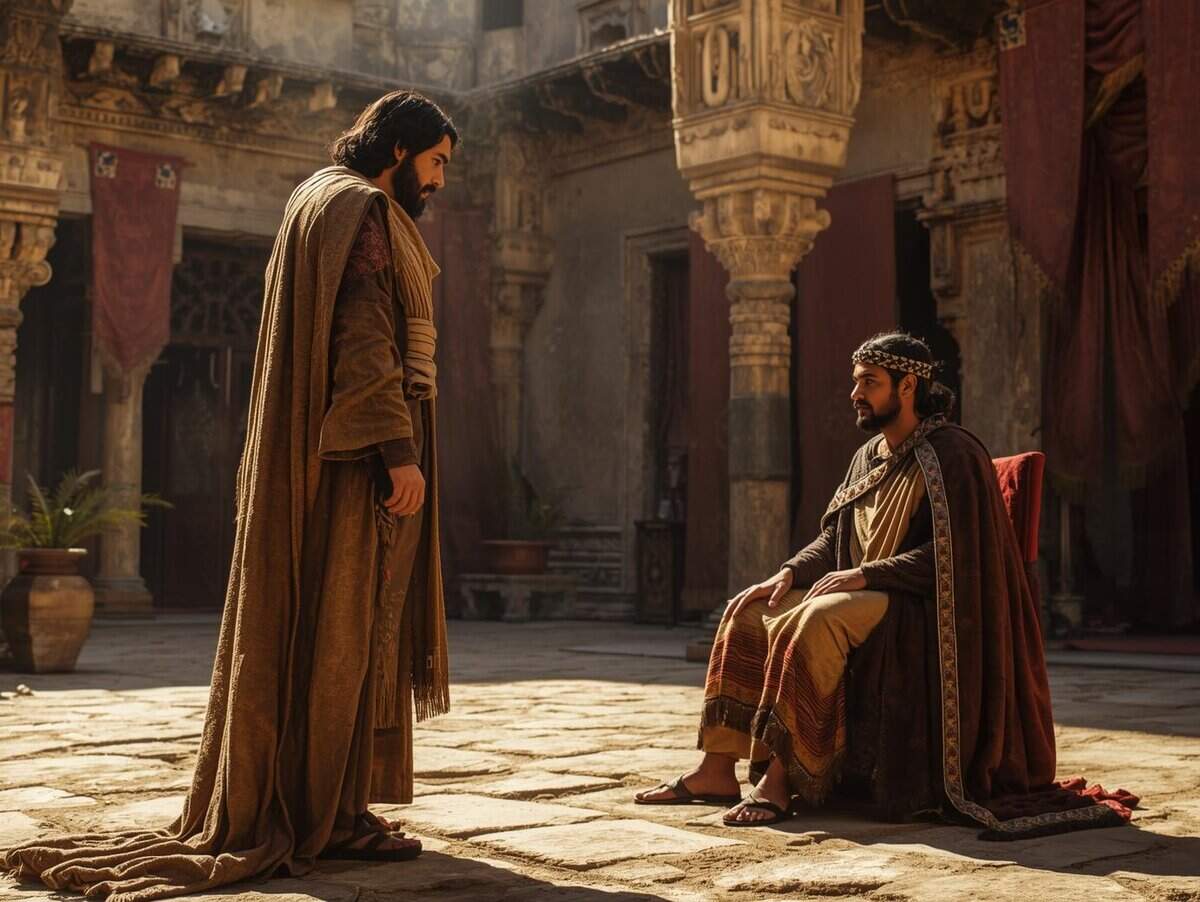
Hanani was a prophet who boldly confronted King Asa of Judah. During a time of conflict, Asa made an alliance with a foreign king instead of relying on God for help.
Hanani delivered a strong rebuke, reminding the king that God had helped him in previous battles.
He warned that trusting a foreign power instead of God would bring trouble in the future. King Asa did not respond well to this message and became angry with the prophet.
In fact, he placed Hanani in prison. Despite this harsh reaction, Hanani’s courage showed the true role of a prophet.
Prophets were expected to speak the truth even when powerful leaders did not want to hear it.
5. Jehu, son of Hanani
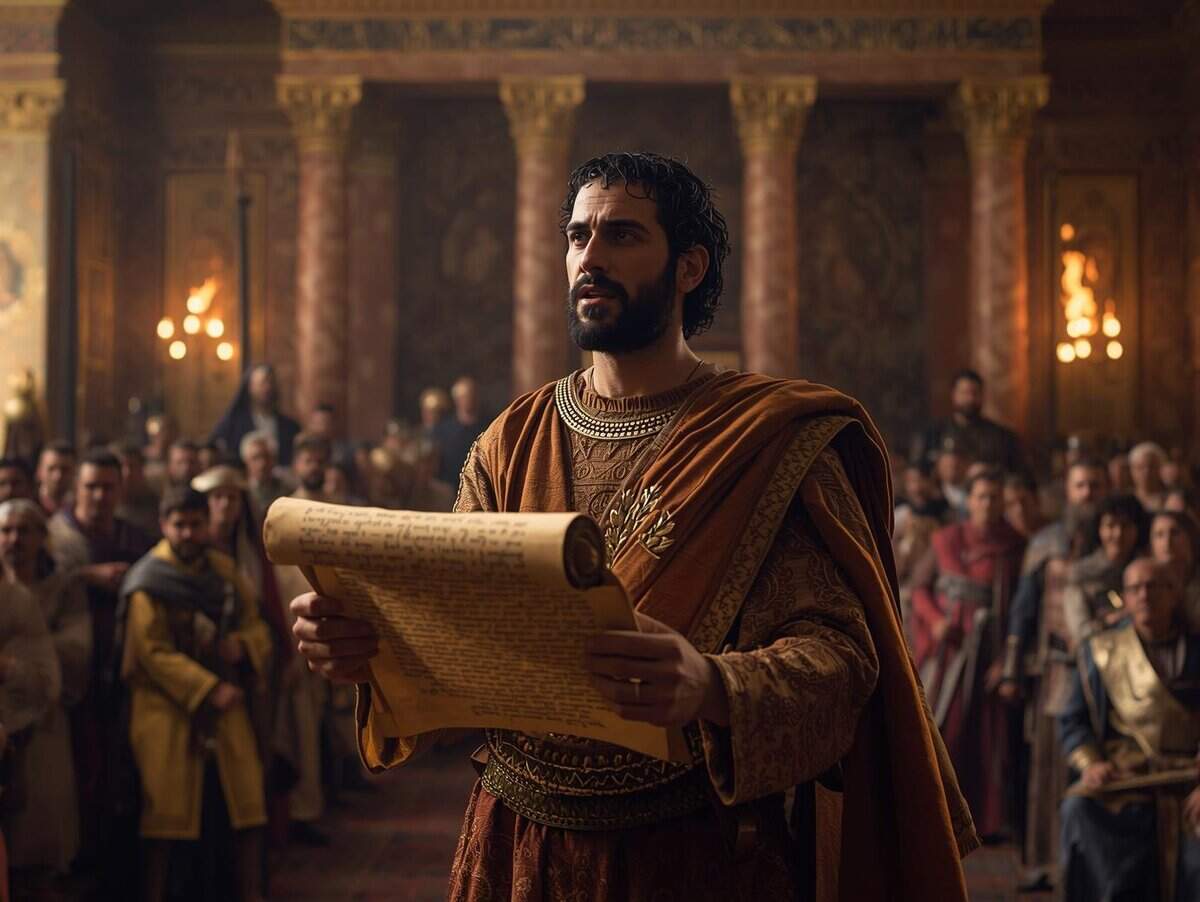
Jehu, the son of the prophet Hanani, also became a messenger of God. He delivered warnings to King Baasha of Israel because the king continued to lead the people into sinful practices.
Jehu declared that God would punish Baasha’s family and remove his dynasty from power. Later, Jehu also recorded historical events during the reign of King Jehoshaphat of Judah.
His role combined prophecy with historical writing. Although his name appears only briefly in the Bible, his messages show how prophets continued the work of earlier generations.
Jehu’s story also reminds readers that faith and calling sometimes passed from parent to child in ancient Israel.
6. Jahaziel the Levite
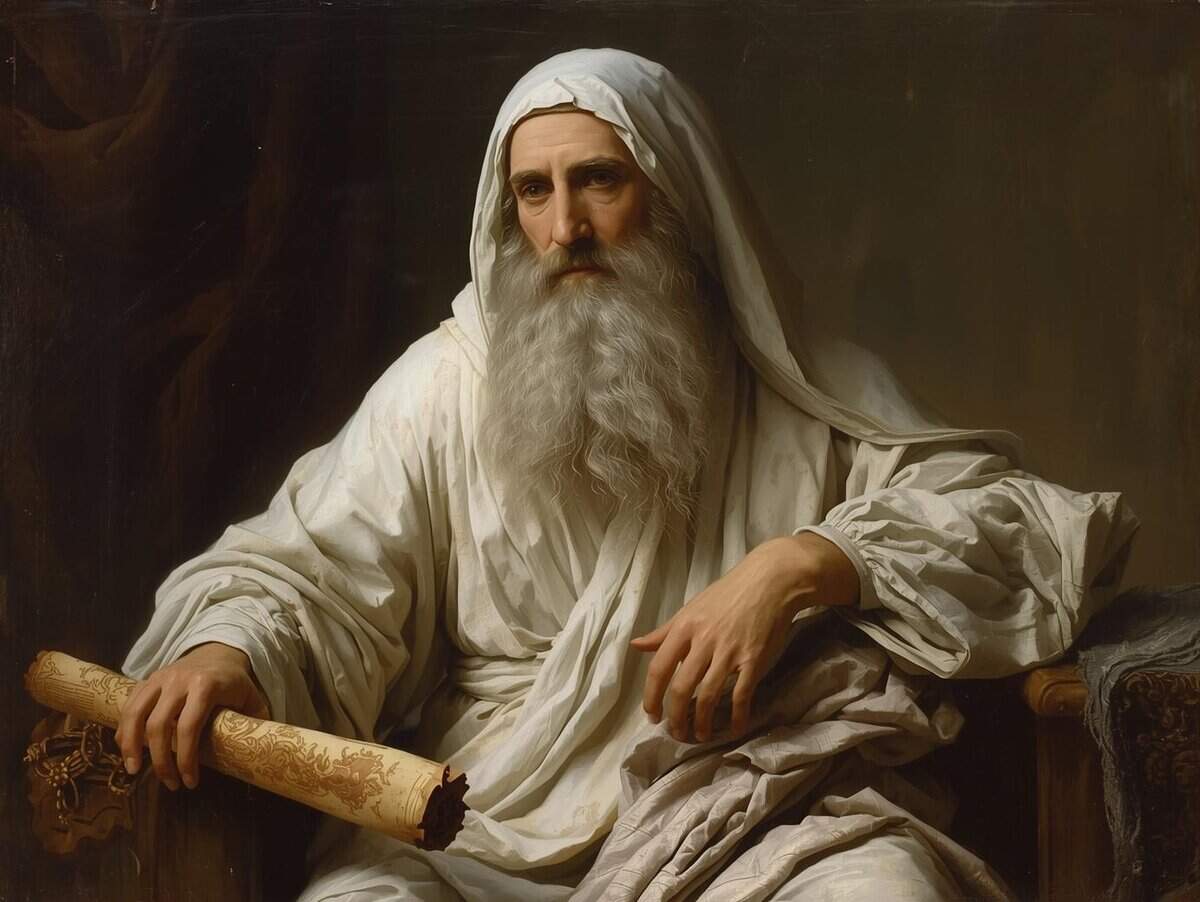
Jahaziel appears during the reign of King Jehoshaphat when a large enemy army threatened Judah. The people gathered together to pray and seek God’s help.
During this moment, the Spirit of God came upon Jahaziel, who was a Levite serving in the temple.
He delivered a powerful message telling the people not to be afraid. Jahaziel explained that the battle did not belong to them but to God.
The people were instructed to stand firm and watch how God would deliver them. This prophecy gave the nation courage and hope.
Jahaziel’s short appearance reminds readers that God sometimes raised unexpected voices to strengthen His people in times of danger.
7. Azariah, son of Oded
Azariah, the son of Oded, delivered an encouraging message to King Asa after a military victory.
He reminded the king and the people that God would remain with them as long as they remained faithful.
Azariah urged them to stay strong and continue seeking God instead of turning toward idols. His words inspired the king to remove pagan altars and restore proper worship in Judah.
Even though Azariah appears only briefly, his message had a lasting effect on the spiritual life of the nation.
His prophecy shows how encouragement can sometimes be just as important as warning when guiding leaders and communities.
8. Oded the Prophet
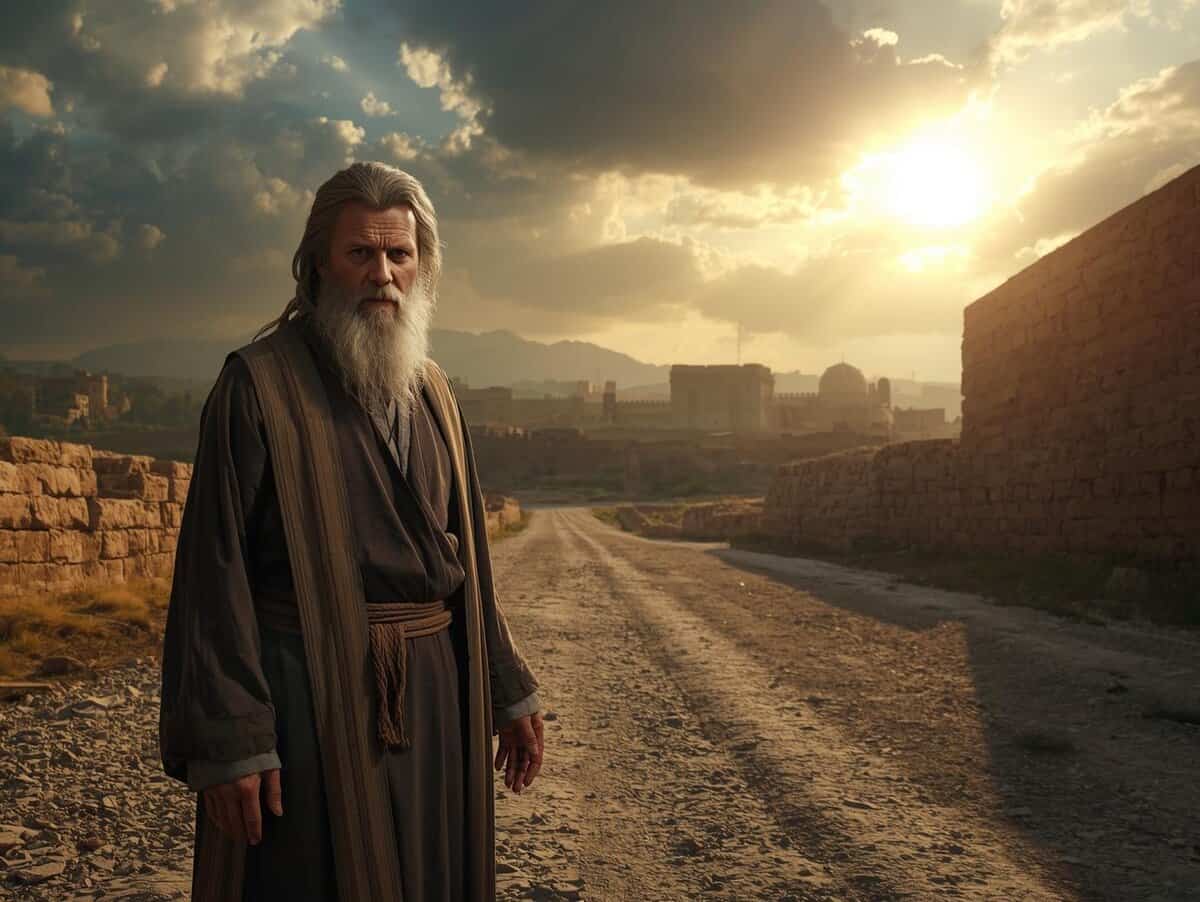
Oded was another lesser-known prophet who appeared during a moment of crisis between Israel and Judah.
After a battle, the northern army captured many people from Judah and planned to take them as slaves.
Oded confronted the returning soldiers and warned them that enslaving their fellow Israelites would bring God’s anger.
His words were powerful enough that some leaders listened and convinced the army to release the captives. The prisoners were given food, clothing, and safe passage home.
Oded’s short appearance shows how a single prophetic message could change the outcome of a dangerous situation and bring mercy instead of cruelty.
9. Huldah the Prophetess
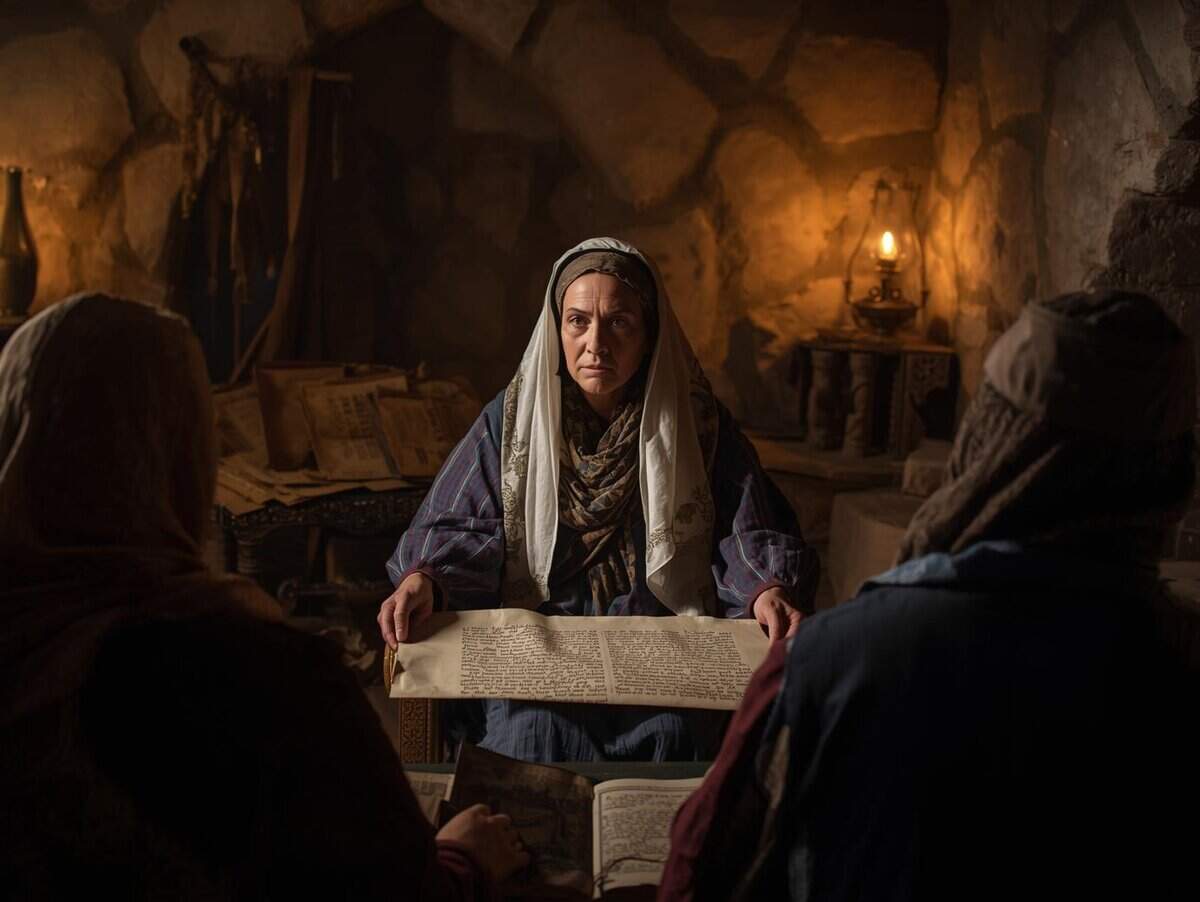
Huldah was one of the few female prophets mentioned in the Old Testament. She lived during the reign of King Josiah when the Book of the Law was discovered in the temple.
Huldah confirmed that the words were authentic and delivered a prophecy explaining that judgment would come because the nation had turned away from God.
However, she also promised that King Josiah would not see this disaster during his lifetime because of his humility.
Even though her story is short, Huldah played an important role in confirming scripture and guiding the king.
10. Micaiah, son of Imlah
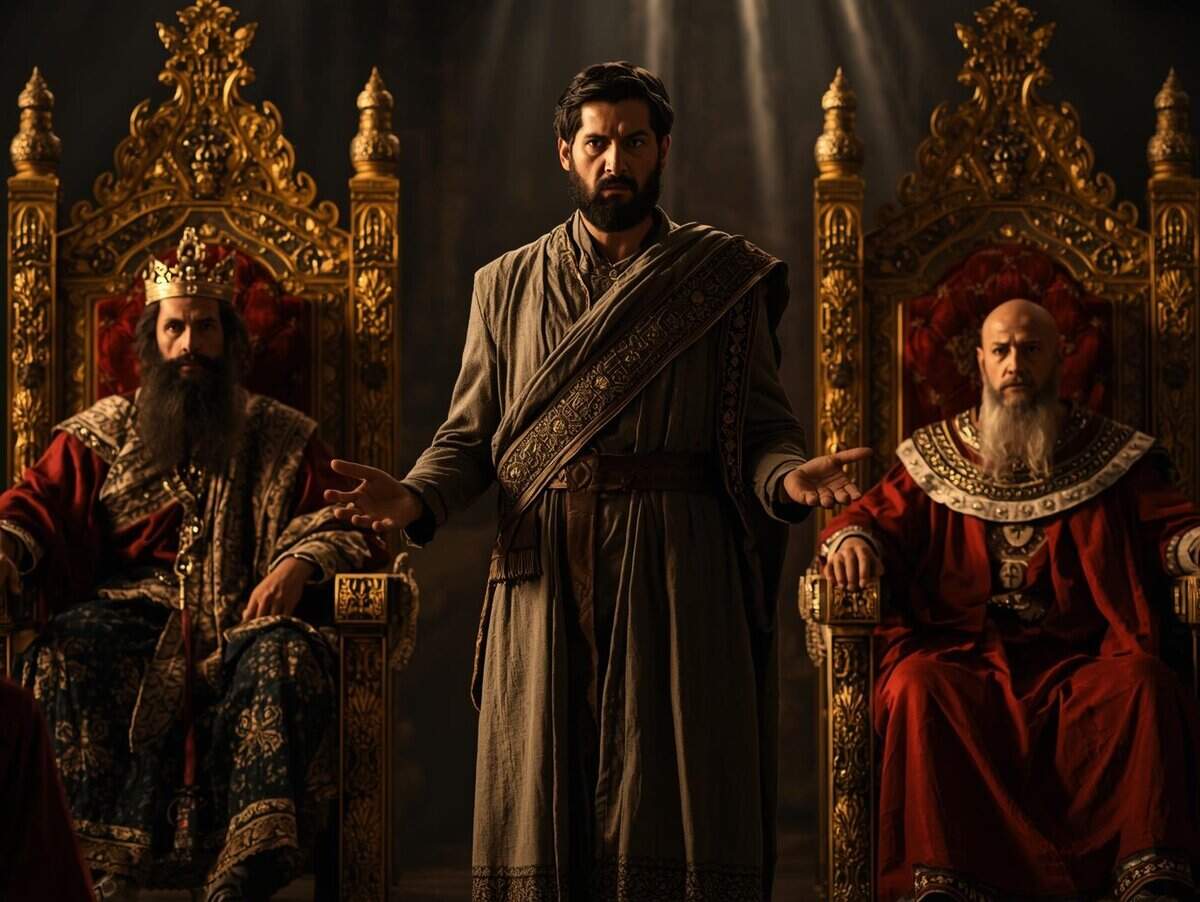
Micaiah, son of Imlah, appears in the story of a military alliance between King Ahab of Israel and King Jehoshaphat of Judah.
Many court prophets promised victory in battle, but Micaiah delivered a very different message.
He warned that the campaign would end in disaster and that King Ahab would die.
His prophecy angered Ahab, who ordered that Micaiah be imprisoned. Despite the punishment, Micaiah refused to change his message.
The battle happened exactly as he predicted, and Ahab was killed. Micaiah’s brief story shows the difference between prophets who told pleasing lies and those who spoke the truth.

私は生まれたときから、常に神との強いつながりを感じていた。作家として、また指導者として、私の使命は、人々が最も暗い時代に愛と幸福と内なる強さを見つけるのを助けることである。