
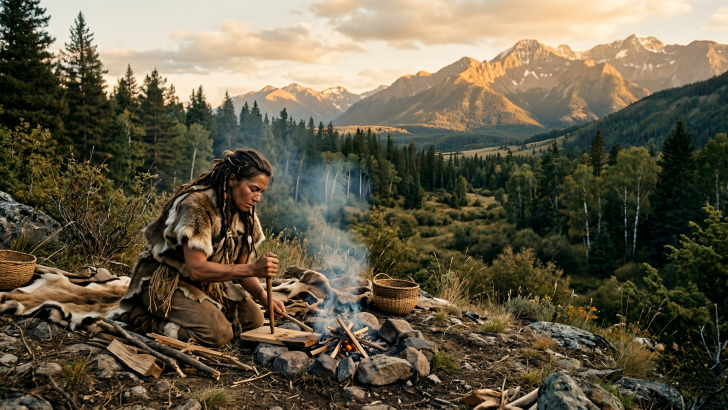
In the past, everyday life required skills that many people today no longer use. Before modern technology, people had to rely on their hands.
These skills were not hobbies. They were necessary for survival. From finding food to building shelter, people had to learn and practice these abilities from a young age.
Over time, many of these skills have been forgotten or replaced by machines and modern conveniences.
However, they still show how creative and resourceful people once were. Here are ten forgotten skills that people once needed to survive.
1. Fire Making Without Tools
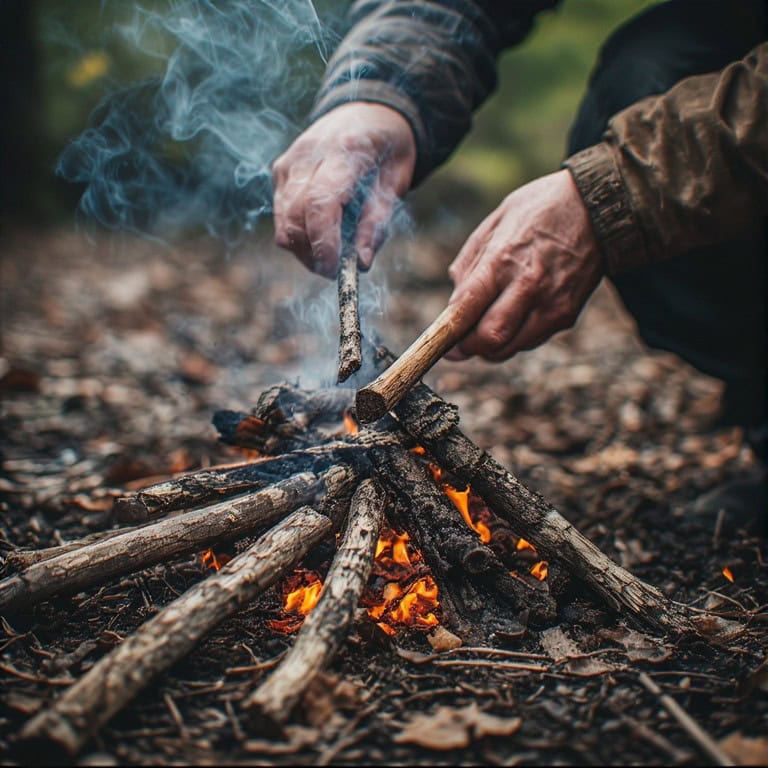
Before matches and lighters, people had to create fire using natural materials. This was one of the most important survival skills.
Fire provided warmth, light, and a way to cook food. People used methods like rubbing sticks together or striking stones to create sparks.
It required patience, practice, and the right conditions. Not everyone could do it easily, which made it a valuable skill.
Knowing how to control fire also mattered, as it could quickly become dangerous.
Today, most people rely on simple tools, but in the past, making fire was a daily challenge.
This skill shows how important knowledge and persistence were for survival.
2. Tracking Animals
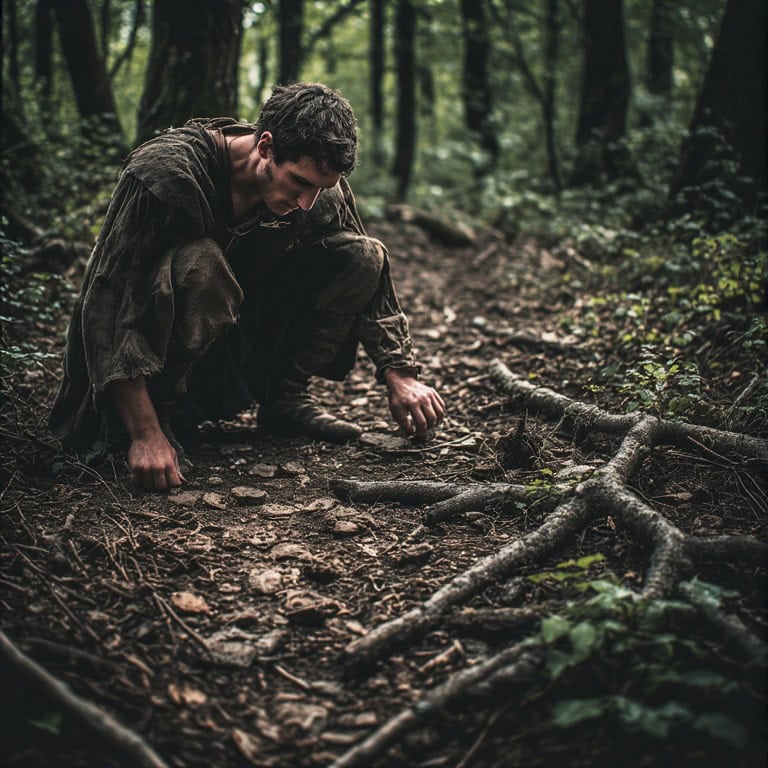
Tracking animals was essential for hunting and survival. People learned how to read footprints, broken branches, and other signs left behind by animals.
This skill required close attention and a deep understanding of nature. Hunters needed to know where animals might go, how they moved, and when they were active.
Tracking was not just about finding food. It was also about staying safe by avoiding dangerous animals.
This knowledge was passed down through generations and was a key part of daily life.
Today, very few people have this level of awareness of their surroundings.
3. Foraging for Wild Food

Foraging meant finding edible plants, fruits, and roots in the wild. People had to know which plants were safe and which were dangerous.
This knowledge could mean the difference between life and death. Foraging also required understanding seasons, as certain foods were only available at specific times of the year.
People learned to recognize shapes, colors, and smells to identify plants. This skill allowed communities to survive even when hunting was not successful.
Today, most people buy food from stores, but in the past, nature was the main source of nutrition.
4. Building Shelter by Hand
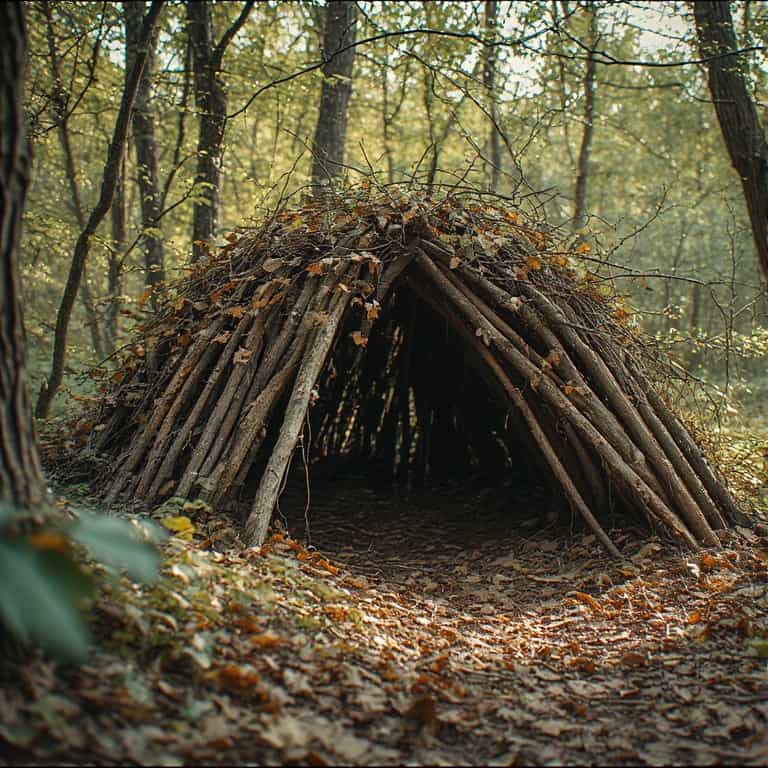
People once had to build their own shelters using materials found in their environment. This could include wood, leaves, mud, or stone.
The shelter protected them from the weather, animals, and other dangers. Building a strong and safe shelter required skill and planning.
People needed to understand how to create stable structures that could last. They also had to choose good locations that were safe and near resources like water.
This skill was important for both short-term survival and long-term living. Today, homes have replaced this need, but the knowledge still shows human creativity.
5. Making Tools from Natural Materials
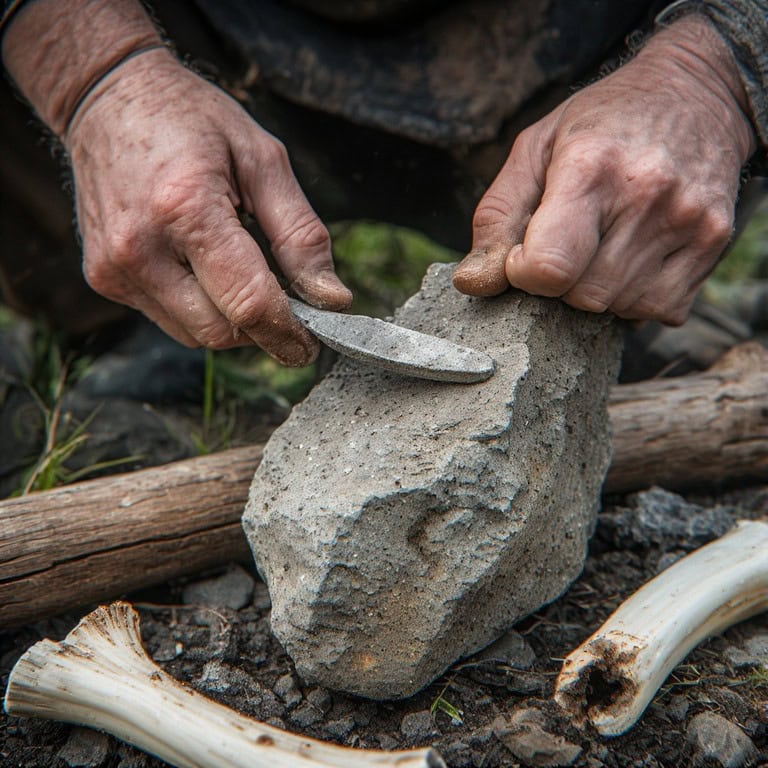
Before factories and machines, people made their own tools from stone, bone, and wood. These tools were used for hunting, cooking, and building.
Making tools requires skill, patience, and understanding of materials. People had to shape stones carefully to create sharp edges or strong points.
Each tool had a specific purpose, and making it correctly was important for survival.
This skill allowed people to adapt to their environment and solve problems. Today, tools are easy to buy, but in the past, they had to be created by hand.
6. Navigating Without Maps
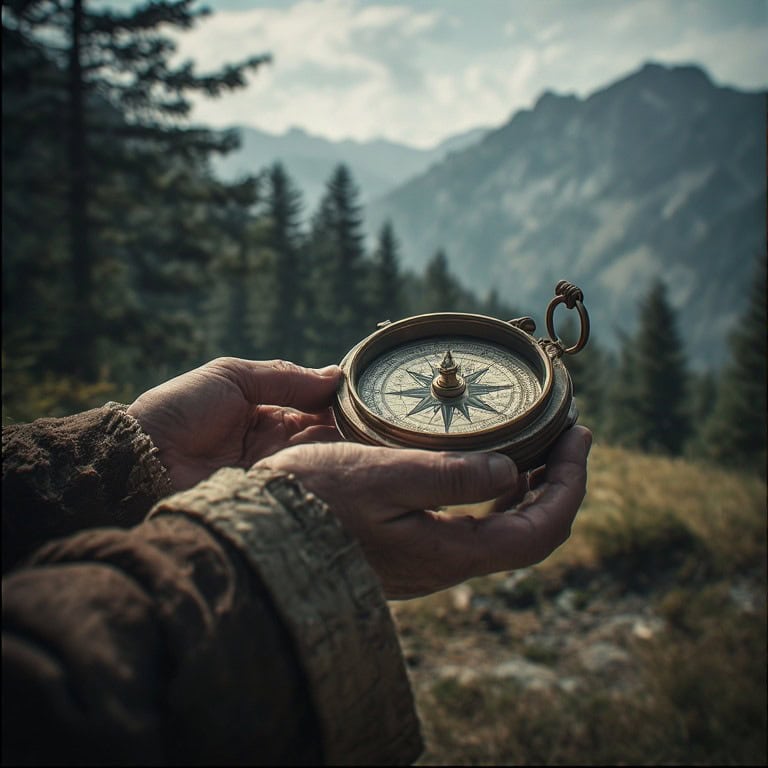
Traveling without maps or modern devices was once common. People used the sun, stars, and natural landmarks to find their way.
This required strong observation skills and memory. Knowing directions and understanding the environment helped people travel safely.
Some cultures developed advanced methods of navigation using the night sky. Others relied on rivers, mountains, or wind patterns.
Getting lost could be dangerous, so this skill was very important. Today, technology has made navigation simple, but in the past, it depended entirely on knowledge and awareness.
7. Preserving Food Naturally
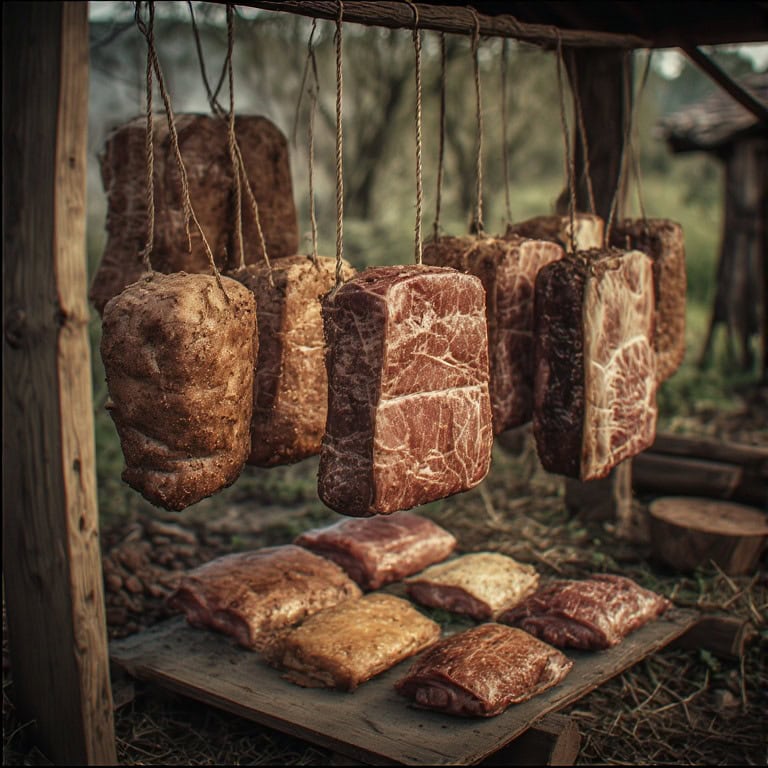
Without refrigerators, people had to find ways to keep food from spoiling. They used methods like drying, smoking, and salting.
These techniques allowed food to last longer and be stored for difficult times. Preserving food required planning and understanding of how different methods worked.
It was especially important during winter or times when fresh food was not available. This skill helped communities survive through seasons of scarcity.
Today, modern technology handles food storage, but these old methods are still effective and sometimes used even now.
8. Healing with Natural Remedies

Before modern medicine, people relied on plants and natural remedies to treat illness and injury.
They learned which herbs could reduce pain, stop bleeding, or fight infection. This knowledge was often passed down through families or communities.
Healing required careful preparation and understanding of how different plants worked.
While not all treatments were effective, many were helpful and are still used today. This skill shows how people worked with nature to care for their health.
9. Making Clothing by Hand
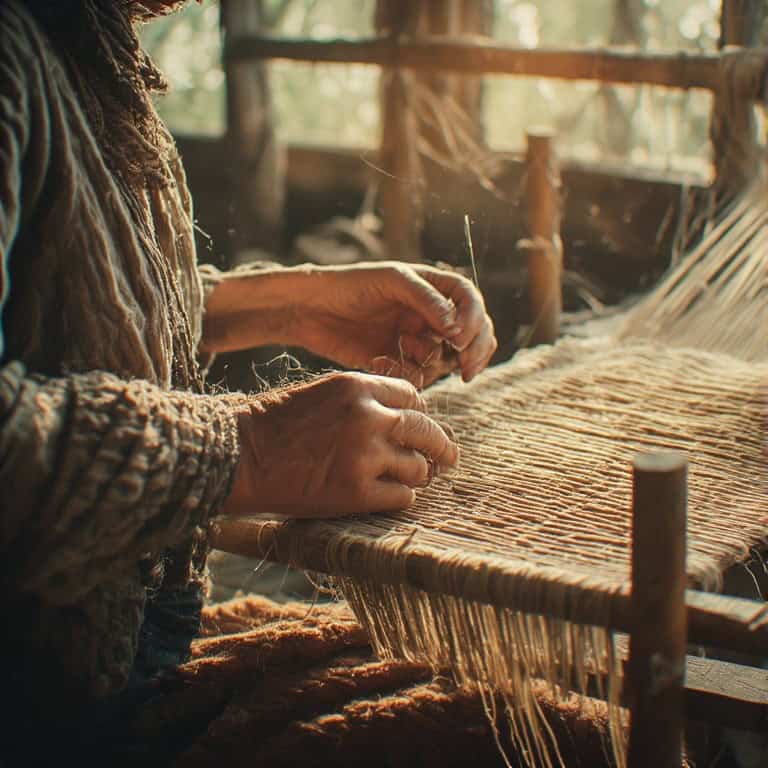
Clothing was once made by hand using materials like wool, leather, and plant fibers. People had to spin, weave, and sew their own garments.
This process took time and skill. Clothing was important for protection against the weather and for comfort.
People also repaired their clothes instead of replacing them. This skill required patience and creativity.
Today, clothing is mass-produced and easy to buy, but in the past, it was a valuable and necessary skill.
10. Water Finding and Purification
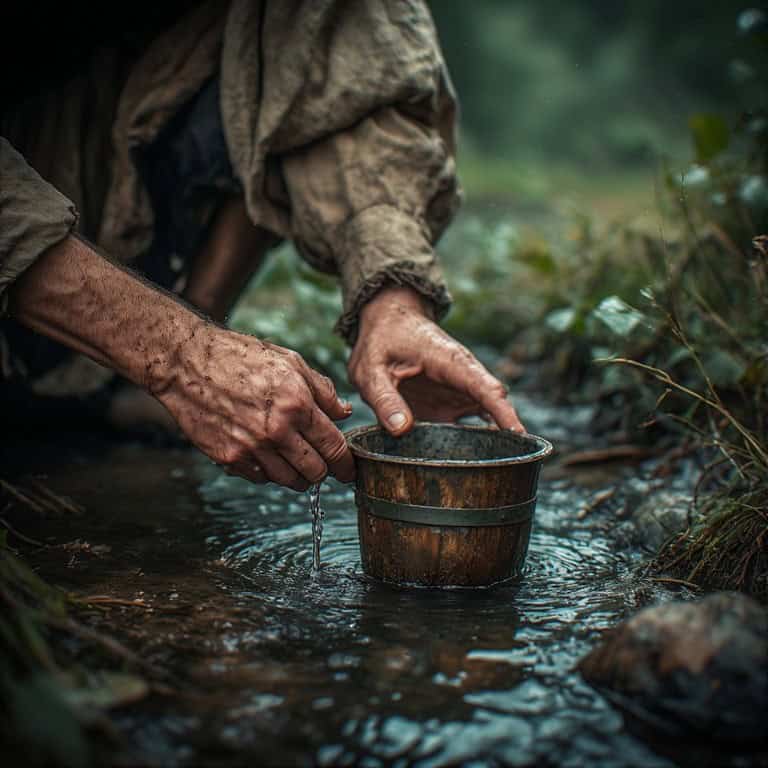
Finding clean water was one of the most important survival skills. People needed to know where to look for water sources and how to make the water safe to drink.
They learned to collect rainwater, find underground sources, and avoid contaminated areas. Simple purification methods, like boiling, were used to reduce risk.
This knowledge was essential for staying healthy. Without clean water, survival was impossible.
Today, clean water is often easy to access, but in the past, it required effort and careful attention.

私は生まれたときから、常に神との強いつながりを感じていた。作家として、また指導者として、私の使命は、人々が最も暗い時代に愛と幸福と内なる強さを見つけるのを助けることである。