
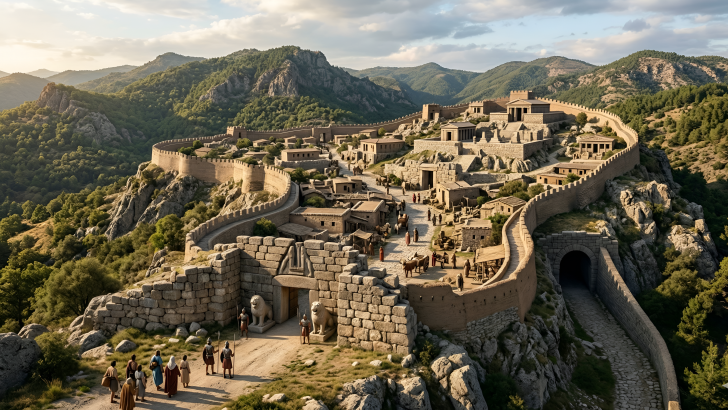
Hattusa was once a powerful and mysterious city located in what is now Turkey. It served as the capital of the Hittite Empire, one of the great civilizations of the ancient world.
Built in a rugged landscape surrounded by hills and forests, Hattusa seemed almost hidden from the outside world.
Its location made it both strong and difficult to reach, which helped protect it from enemies. Today, its ruins still stand, showing massive stone walls, gates, and temples.
Archaeologists continue to study the site to understand how people lived there thousands of years ago.
The city was full of culture, religion, and political power, making it an important center in ancient times.
Here are eight fascinating facts about Hattusa, the city once seen as being at the edge of the known world.
1. It Was Strongly Fortified
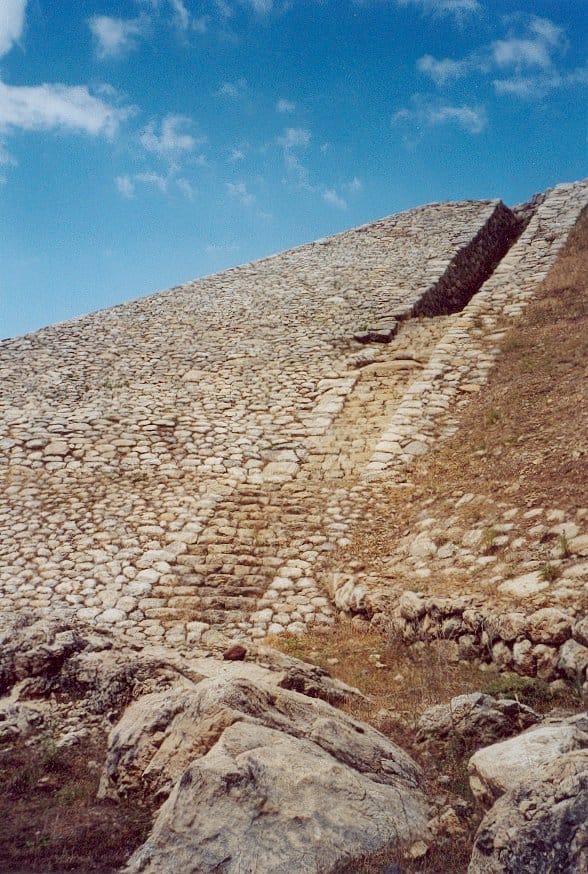
Hattusa was built with defense in mind, making it one of the most secure cities of its time. The city was surrounded by massive stone walls that stretched for several kilometers.
These walls followed the natural shape of the land, using hills and rocky terrain as part of the defense system.
There were also towers placed at regular intervals, allowing guards to watch for enemies from a distance.
The gates were heavily protected and designed in a way that made it difficult for attackers to enter.
One famous example is the Lion Gate, which featured large stone lions meant to guard the entrance and scare away enemies.
The people of Hattusa understood the importance of safety, especially in a time when wars were common. The strong fortifications helped the city survive many threats.
Even today, the remains of these walls show how advanced their building skills were and how seriously they took protection.
2. It Was the Heart of the Hittite Empire
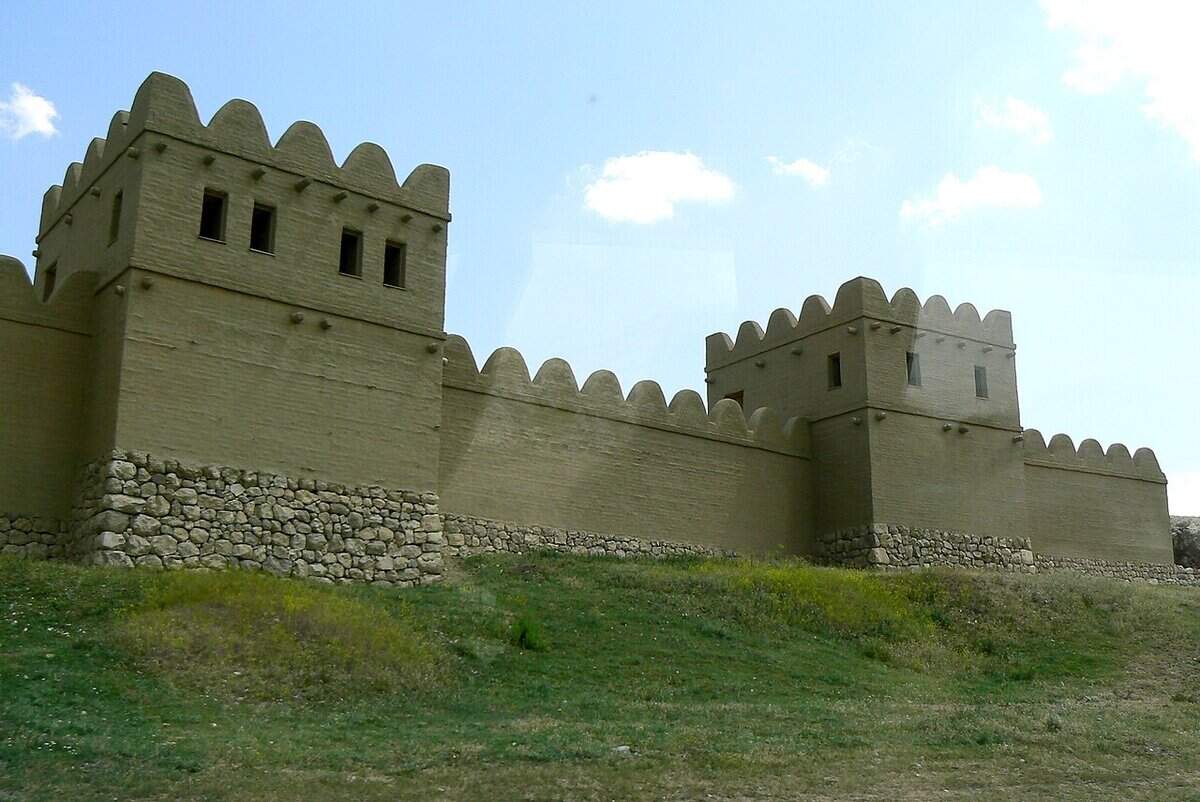
Hattusa was not just a city. It was the center of power for the Hittite Empire. From here, kings ruled over large areas of land and made important decisions about war, trade, and law.
The city was home to royal buildings, government offices, and temples. Leaders met here to discuss strategies and maintain control over their territory.
Hattusa was also a place where important records were kept, including treaties and laws written on clay tablets.
These records have helped modern historians learn about the Hittites and their way of life. Being the capital meant that Hattusa was always active and important.
It was a place where politics, culture, and religion all came together. This central role made it one of the most influential cities in the ancient Near East.
3. Thousands of Clay Tablets Were Found
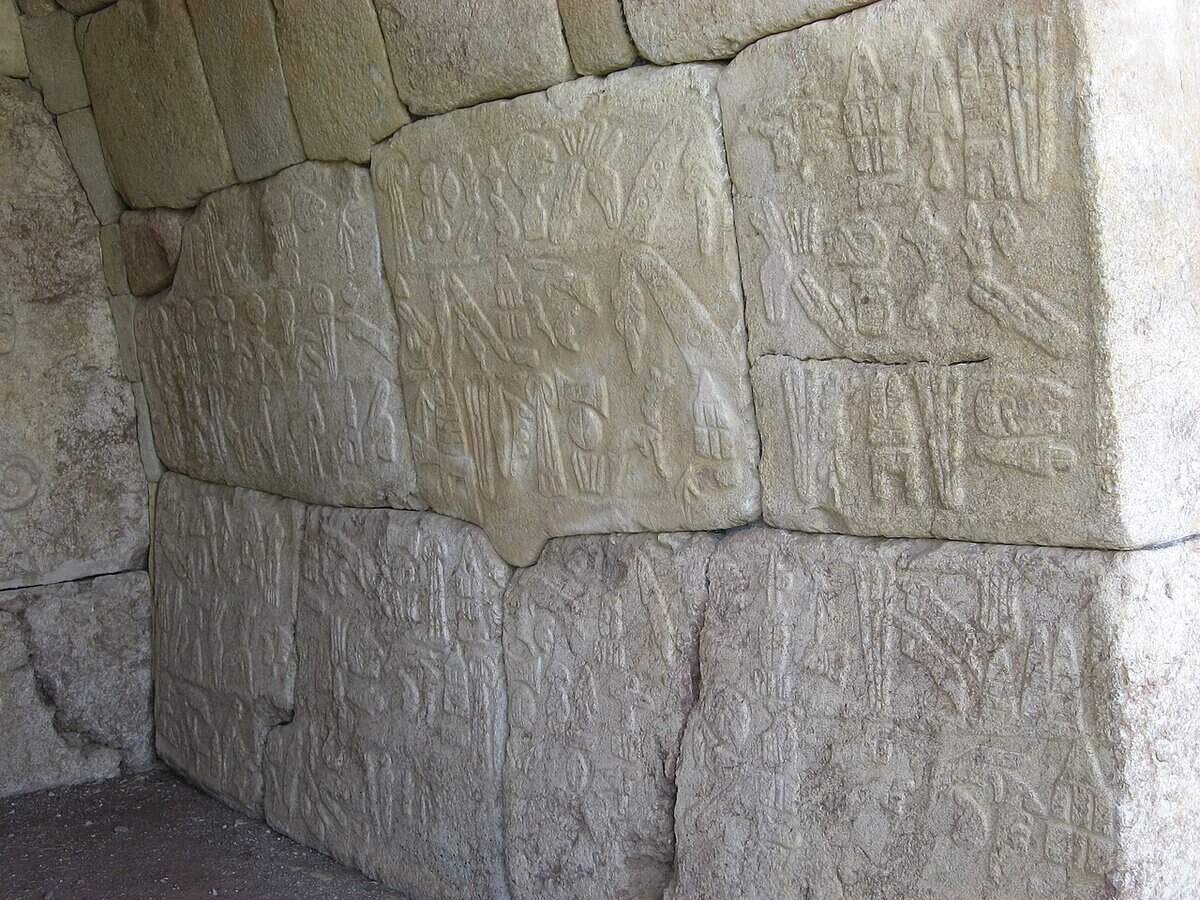
One of the most important discoveries at Hattusa is the large number of clay tablets found there. Archaeologists have uncovered thousands of these tablets, many written in cuneiform script.
They contain valuable information about the Hittite Empire, including laws, religious texts, letters, and treaties.
One famous example is a peace treaty between the Hittites and Egypt, which is one of the oldest known peace agreements in history.
These tablets show that the people of Hattusa had a well-organized system of writing and record keeping.
They also reveal details about daily life, beliefs, and relationships with other cultures. The tablets have been studied for many years and continue to provide new insights.
Without them, much of what we know about the Hittites would be lost. They are one of the greatest treasures found at the site.
4. It Had Impressive Gates and Symbols
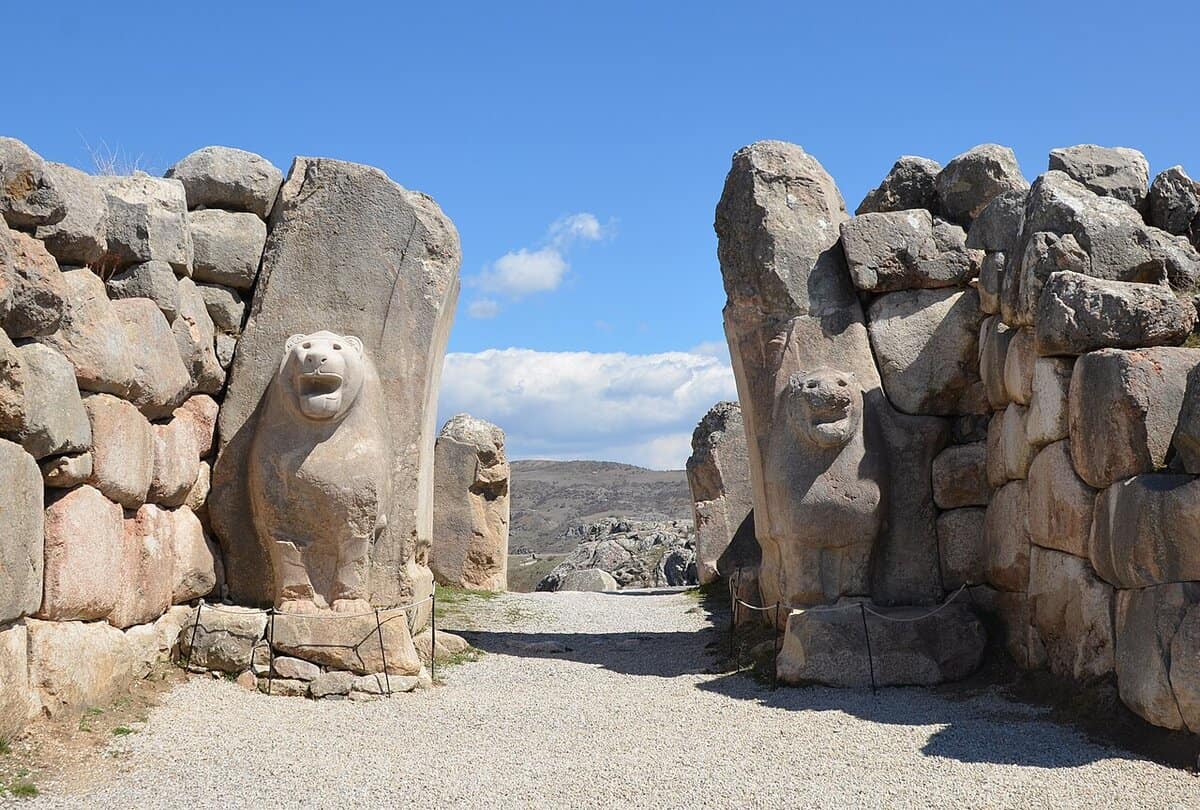
Hattusa is known for its impressive gates, each with unique designs and meanings. These gates were not only used for protection but also showed the power and identity of the city.
The Lion Gate is one of the most famous, with large carved lions placed on each side. Another important entrance is the King’s Gate, which features a figure believed to represent a god or a ruler.
These carvings were meant to protect the city and send a message to visitors. They showed strength, authority, and connection to the divine.
The gates were carefully built with large stone blocks and detailed artwork. Even today, they stand as powerful symbols of the city’s past.
These structures give us a glimpse into the beliefs and artistic skills of the Hittite people.
5. Religion Played a Major Role
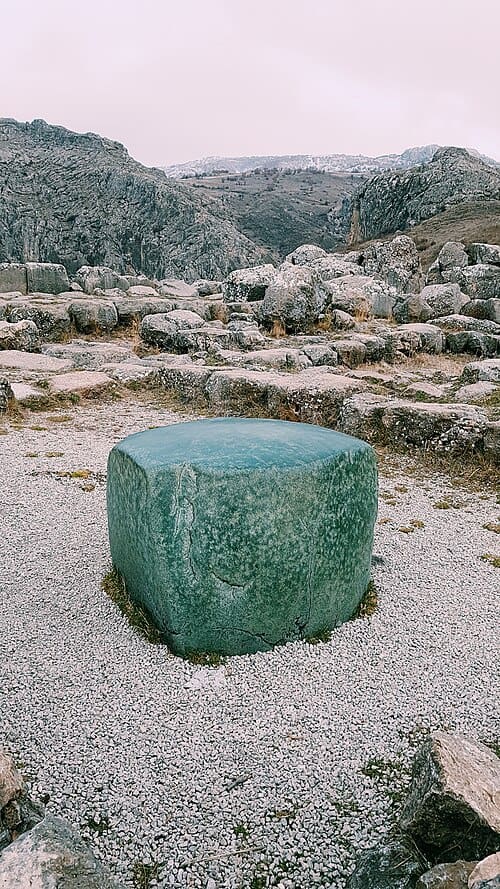
Religion was a central part of life in Hattusa. The city was filled with temples and sacred spaces where people worshipped many gods.
The Hittites believed in a large number of deities, often called the “thousand gods.” Each god had a role in nature, such as controlling the weather, crops, or health.
Priests and priestesses performed rituals to keep the gods happy and protect the city. Festivals and ceremonies were held regularly, bringing people together.
One important religious site near Hattusa is Yazilikaya, an open-air sanctuary with carved figures of gods on rock walls.
These carvings show how important religion was to the people. Their beliefs influenced their daily lives, decisions, and even politics.
The strong connection between religion and society made Hattusa a deeply spiritual place.
6. It Was Built in a Remote Location
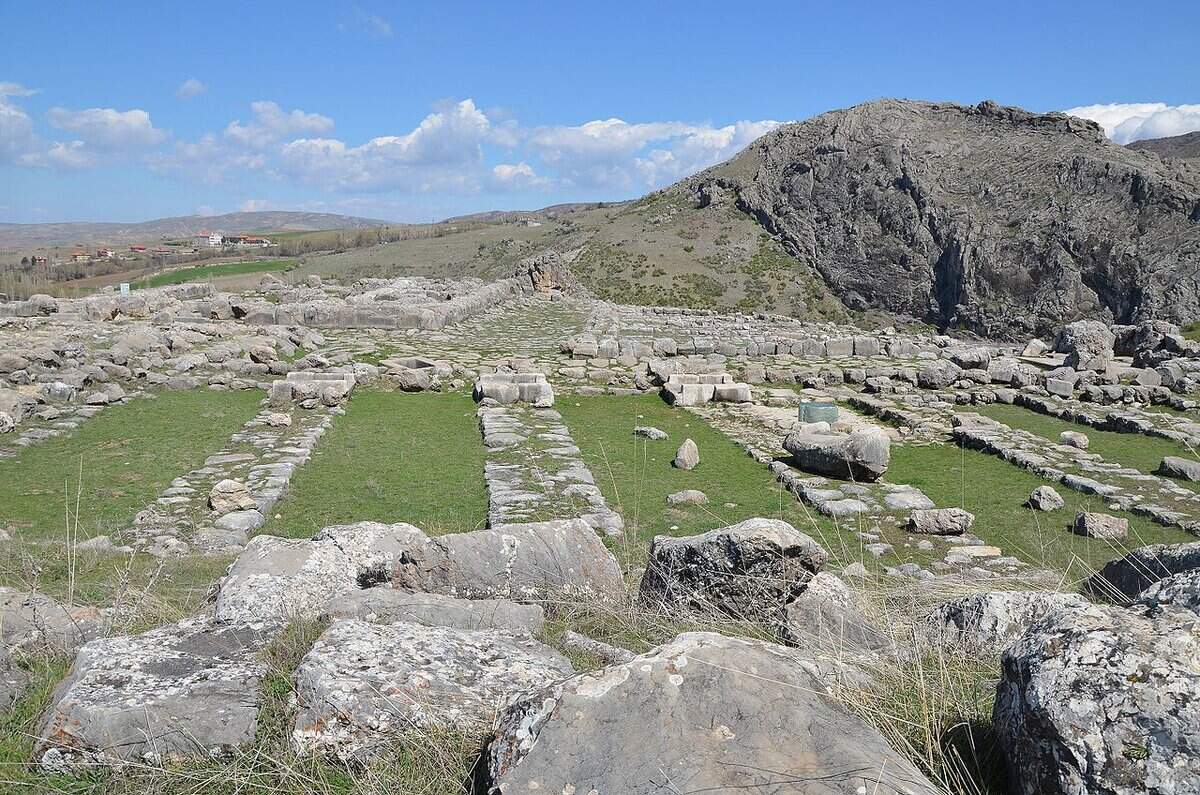
Hattusa’s location made it unique and somewhat isolated. It was built in a rugged area surrounded by hills, forests, and rocky land.
This made it harder for enemies to reach, but also more difficult for trade and travel. The people who lived there had to adapt to the environment and find ways to bring in resources.
Despite these challenges, the city thrived and became very powerful. Its remote position may have given it a sense of mystery to outsiders.
Some even described it as being at the edge of the known world. This location helped shape the identity of the city and its people.
It shows that even in difficult places, humans can build strong and successful communities.
7. It Was Suddenly Abandoned
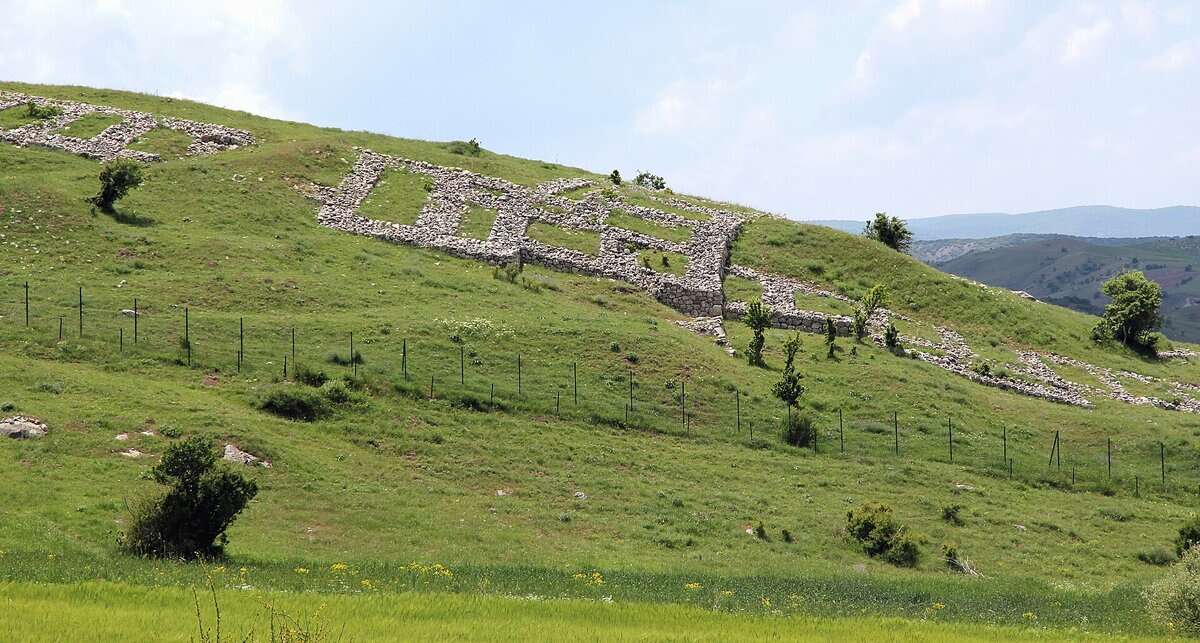
One of the biggest mysteries of Hattusa is its sudden abandonment. Around the 12th century BCE, the city was left empty, and no one knows exactly why.
Some experts believe it was due to invasion, possibly by groups known as the Sea Peoples. Others think natural disasters, climate change, or internal problems may have caused the collapse.
The fall of Hattusa marked the end of the Hittite Empire as a major power. The once great city was left to decay, and over time, it was forgotten.
This sudden end adds to the mystery and fascination of the site. It reminds us that even powerful civilizations can disappear quickly.
8. It Is Now a UNESCO World Heritage Site
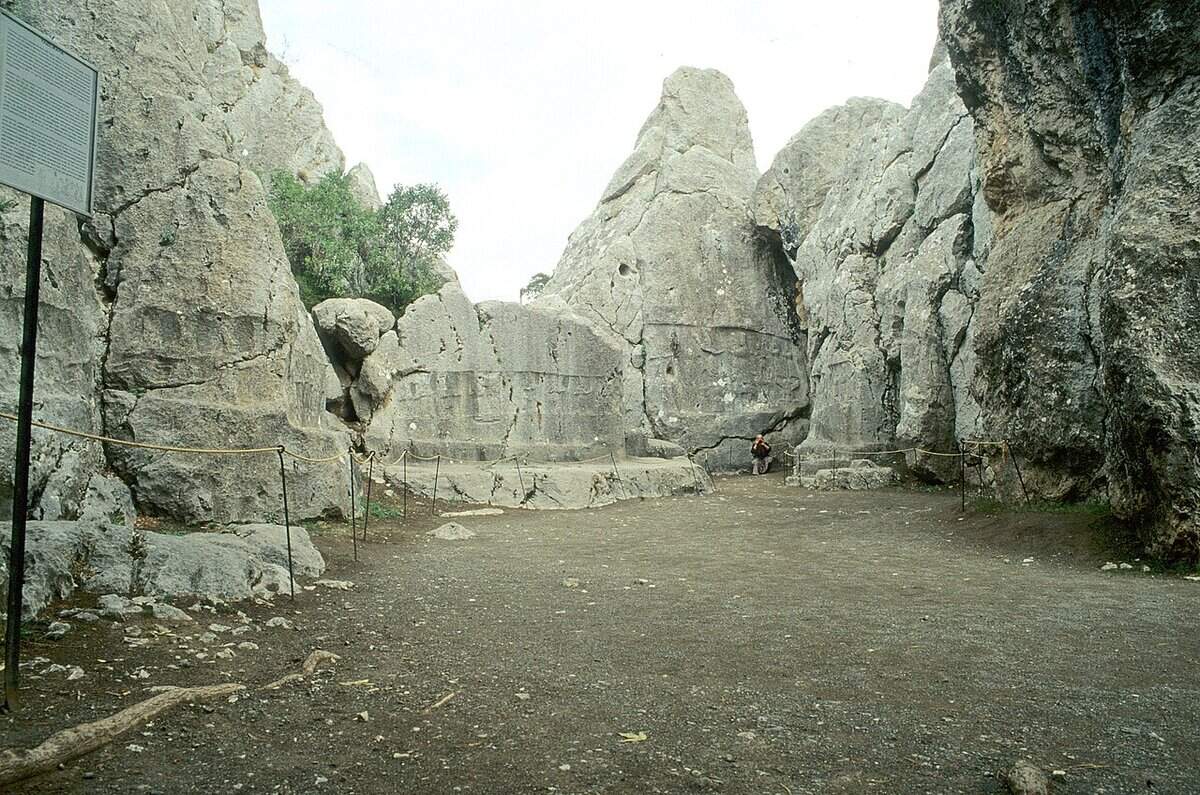
Today, Hattusa is recognized as an important historical site and is protected as a UNESCO World Heritage Site.
This status helps preserve the ruins and allows researchers to continue studying the area. Visitors can explore the remains of walls, gates, temples, and other structures.
The site offers a unique look into ancient history and the life of the Hittite people. Preservation efforts ensure that future generations can learn from and appreciate this remarkable city.
Hattusa’s recognition shows its importance not only to Turkey but to the world. It stands as a reminder of human achievement, culture, and the passage of time.

私は生まれたときから、常に神との強いつながりを感じていた。作家として、また指導者として、私の使命は、人々が最も暗い時代に愛と幸福と内なる強さを見つけるのを助けることである。