

Have you ever had a strange feeling that turned out to be true later? Or a moment where you felt unusually aware, calm, or deeply connected to your thoughts and emotions?
For thousands of years, different spiritual traditions believed humans had an inner sense beyond ordinary sight.
Many called this the “third eye,” a symbol connected to intuition, insight, dreams, and spiritual awareness.
In ancient cultures, certain herbs were believed to help quiet the mind, deepen meditation, and increase spiritual focus. These plants were often used in rituals, prayer, healing work, or moments of reflection.
People did not see these herbs as magical shortcuts. They believed the plants helped create the right mental and emotional state for deeper awareness.
Some traditions connected them to visions and dreams, while others believed they simply helped people feel more balanced and spiritually open.
Here are ten herbs that were traditionally believed to help awaken the “third eye” and strengthen inner perception.
1. Mugwort
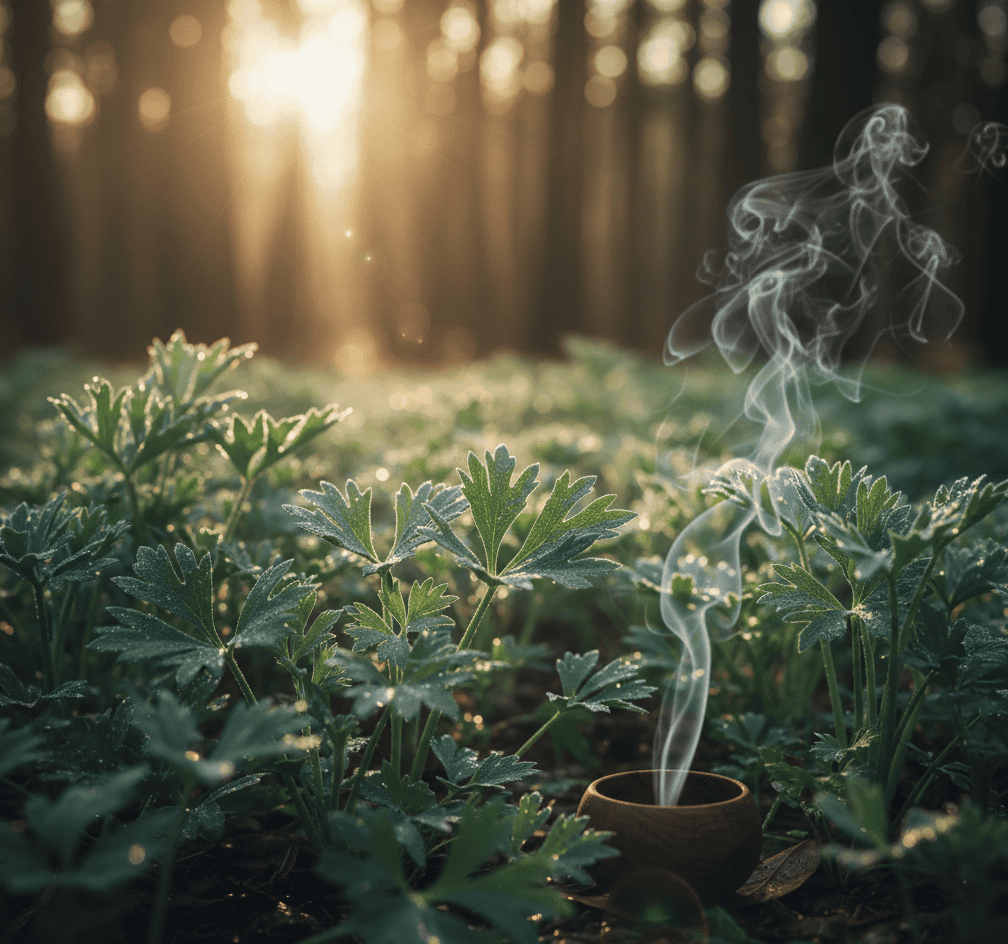
Mugwort has long been connected to dreams, intuition, and spiritual awareness in many traditions around the world.
People often burned mugwort as incense or placed it near their beds before sleep. It was believed to encourage vivid dreams and stronger intuition.
Some spiritual practitioners used it during meditation because they believed it helped quiet distractions and deepen inner focus.
Mugwort became associated with the idea of seeing beyond ordinary reality, especially through dreams and symbolic visions. Many also believed it strengthened awareness of subtle emotional energy around people and places.
In some traditions, travelers and spiritual seekers carried mugwort with them during journeys, believing it offered protection while also sharpening instinct and inner guidance during uncertain moments.
2. Blue Lotus

Blue Lotus was highly respected in ancient Egypt and often connected to spirituality, peace, and expanded awareness.
The flower appeared in sacred art and religious ceremonies, symbolizing rebirth and connection to higher understanding.
People believed blue lotus could help create calm mental states that supported meditation and reflection.
Its gentle relaxing qualities made it associated with spiritual openness and emotional clarity. Some traditions believed it helped people feel more connected to dreams, intuition, and symbolic thinking.
The flower’s connection to water and night also gave it a mysterious reputation, making it feel linked to hidden wisdom and the subconscious mind.
3. Lavender

Lavender is known for its calming scent, but many traditions also connected it to emotional balance and spiritual peace.
Lavender was often used in meditation spaces, baths, and rituals meant to clear mental stress.
People believed a calm mind was necessary for intuition and deeper awareness to grow naturally.
Because of this, lavender became associated with inner clarity, peaceful thought, and emotional openness. Its gentle scent was believed to help people feel spiritually centered during prayer or quiet reflection.
Some healers also believed lavender reduced emotional confusion, helping people separate fear and anxiety from true intuitive feelings and inner understanding.
4. Sage

Sage has been used in cleansing rituals for centuries in many spiritual traditions.
It was often burned to clear negative energy and create a balanced environment before prayer or meditation.
People believed mental clarity became easier when emotional heaviness and distractions were removed.
Sage became associated with purification, wisdom, and spiritual focus. Many traditions believed it helped prepare the mind for deeper awareness and meaningful spiritual experiences.
Its strong scent and cleansing symbolism made many people feel mentally refreshed, almost like opening a window inside the mind after emotional exhaustion.
5. Rosemary
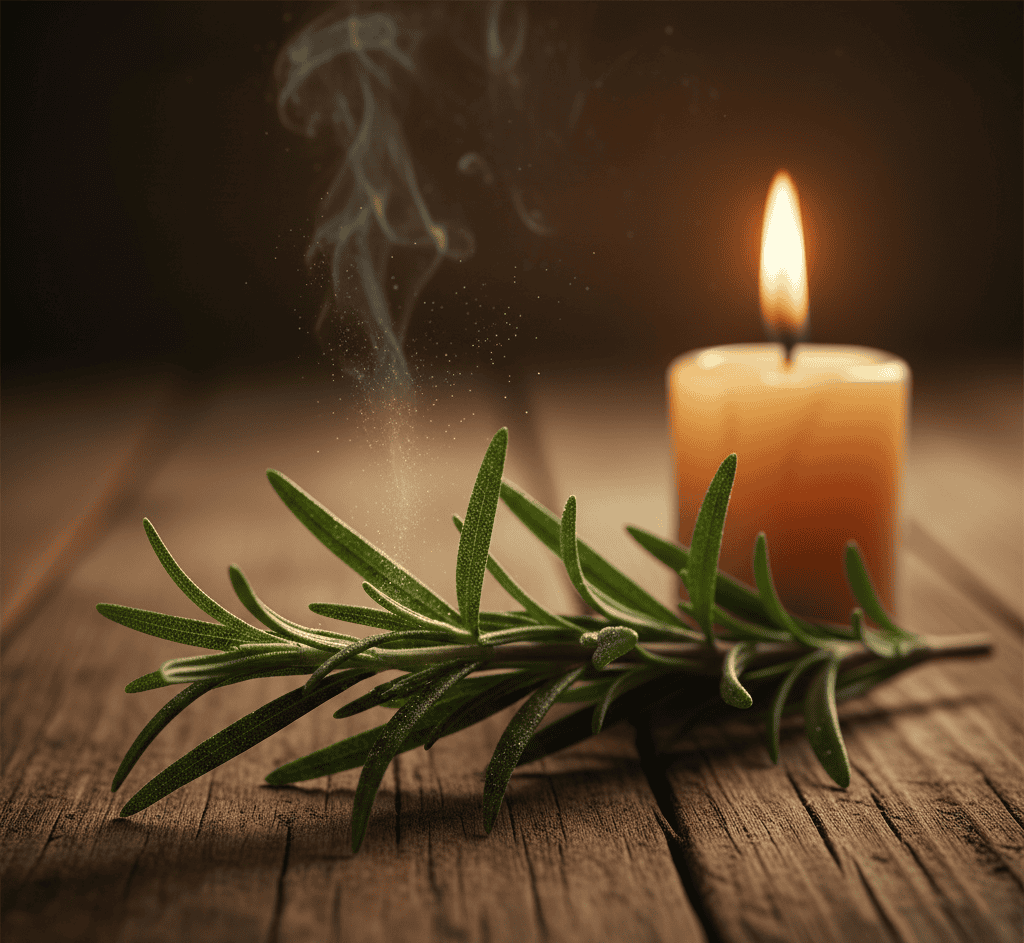
Rosemary has long been connected to memory, concentration, and mental clarity.
In older traditions, people believed rosemary sharpened the mind and strengthened focus during study, meditation, or spiritual practice.
It was sometimes burned or worn during rituals connected to remembrance and insight.
Rosemary became symbolic of mental awakening and clear thinking. Many believed it helped people feel more aware of their thoughts, emotions, and intuitive feelings.
Its refreshing aroma also created a sense of alertness that made spiritual reflection feel more focused, grounded, and emotionally balanced for many practitioners.
6. Jasmine
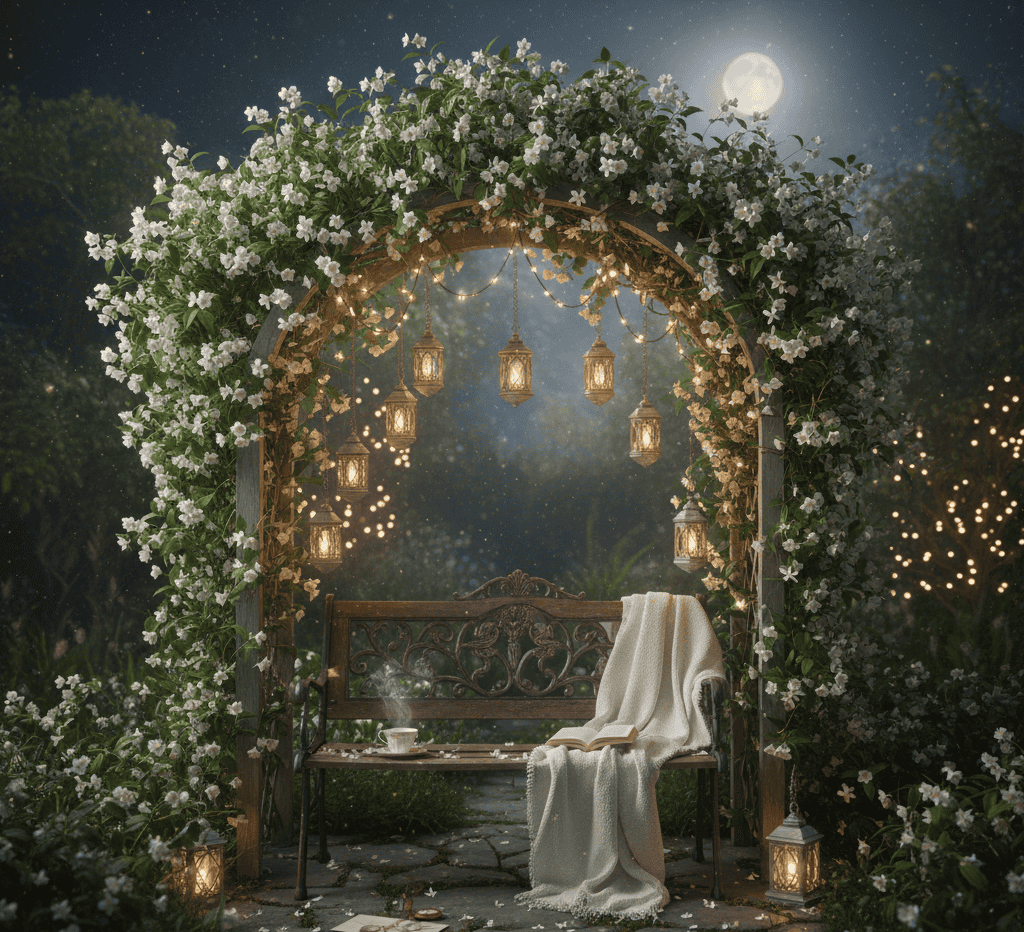
Jasmine is often associated with dreams, calmness, and emotional openness.
Its sweet scent was believed to relax the mind and create a peaceful emotional atmosphere.
Some traditions used jasmine during nighttime meditation or spiritual reflection because it was thought to encourage deeper intuition.
Jasmine became connected to gentle spiritual awareness and emotional sensitivity. People believed it helped quiet fear and create space for inner understanding.
Because jasmine blooms strongly at night, it also became linked to hidden thoughts, dreams, and spiritual insight that appears during quiet moments alone.
7. Peppermint
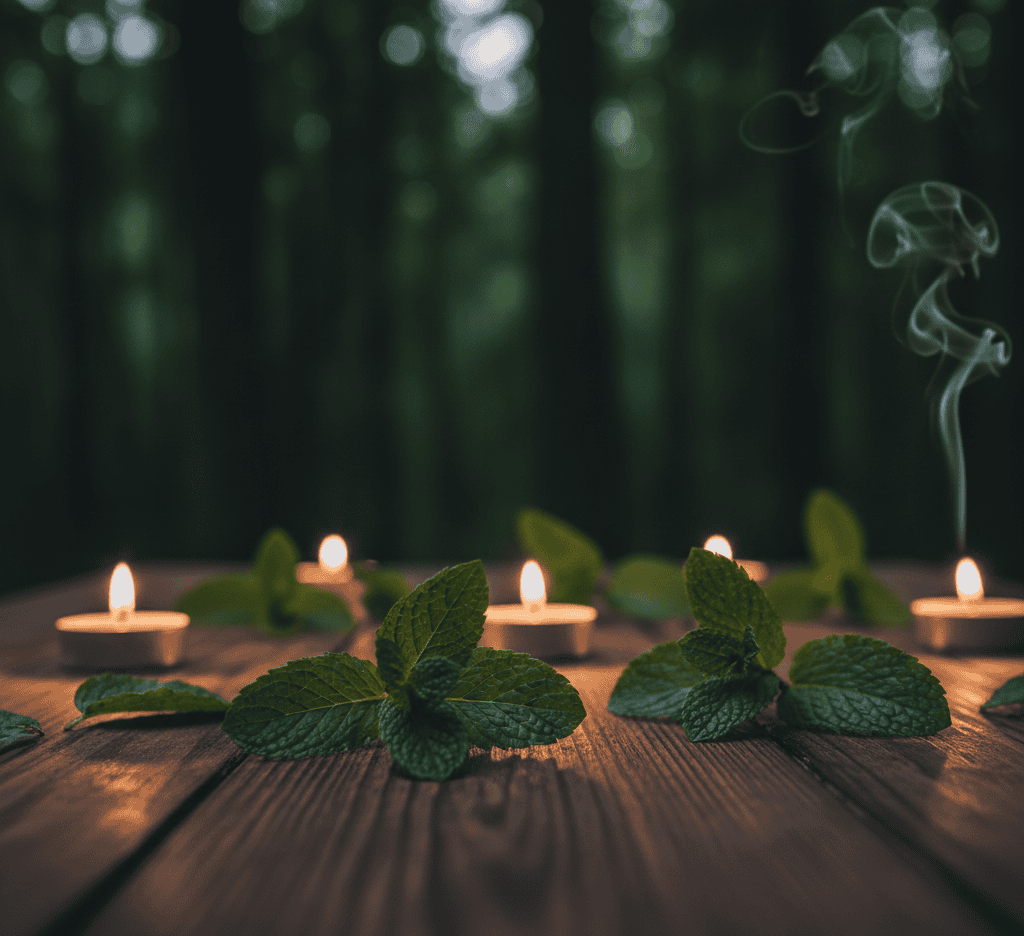
Peppermint is usually known for freshness and energy, but some traditions also connected it to mental awakening.
People believed peppermint helped clear mental fog and improve concentration during meditation or prayer.
Its strong scent created a feeling of alertness that many associated with sharper awareness.
Peppermint became symbolic of mental clarity and focused thought. Some believed it helped the mind stay awake and attentive during spiritual practices.
Its cooling sensation was also associated with renewal, helping people feel emotionally refreshed and mentally prepared for reflection, prayer, or deeper concentration.
8. Bay Laurel

Bay Laurel was connected to prophecy and spiritual insight in ancient Greece and Rome.
Priests and oracles sometimes used bay leaves during rituals connected to visions and divine messages.
The plant became associated with wisdom, inspiration, and hidden understanding.
Many believed bay laurel helped strengthen intuition and symbolic thinking. Its connection to prophecy made it one of the most respected spiritual herbs in the ancient world.
Some ancient traditions even believed sleeping near bay leaves could encourage symbolic dreams or messages connected to personal guidance and future events.
9. Chamomile
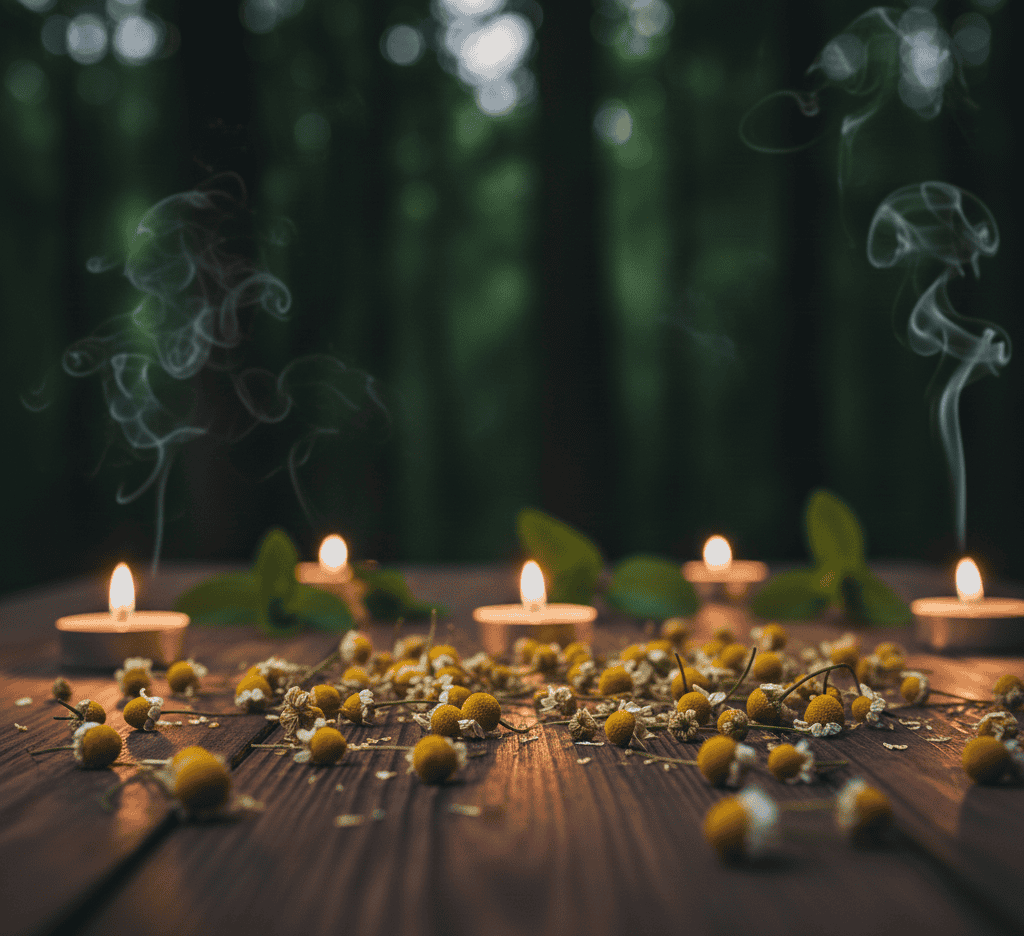
Chamomile is widely known for calming the body and mind, but it also became associated with spiritual peace.
People believed emotional calmness was important for intuition and inner awareness.
Chamomile was often used before sleep, meditation, or prayer to create relaxation and balance.
Its gentle nature made it symbolic of quiet wisdom and emotional healing. Many traditions believed inner clarity grows best in peaceful states of mind.
Its comforting qualities also made people feel emotionally safe, which many believed allowed deeper thoughts and intuitive feelings to surface more naturally.
10. Holy Basil
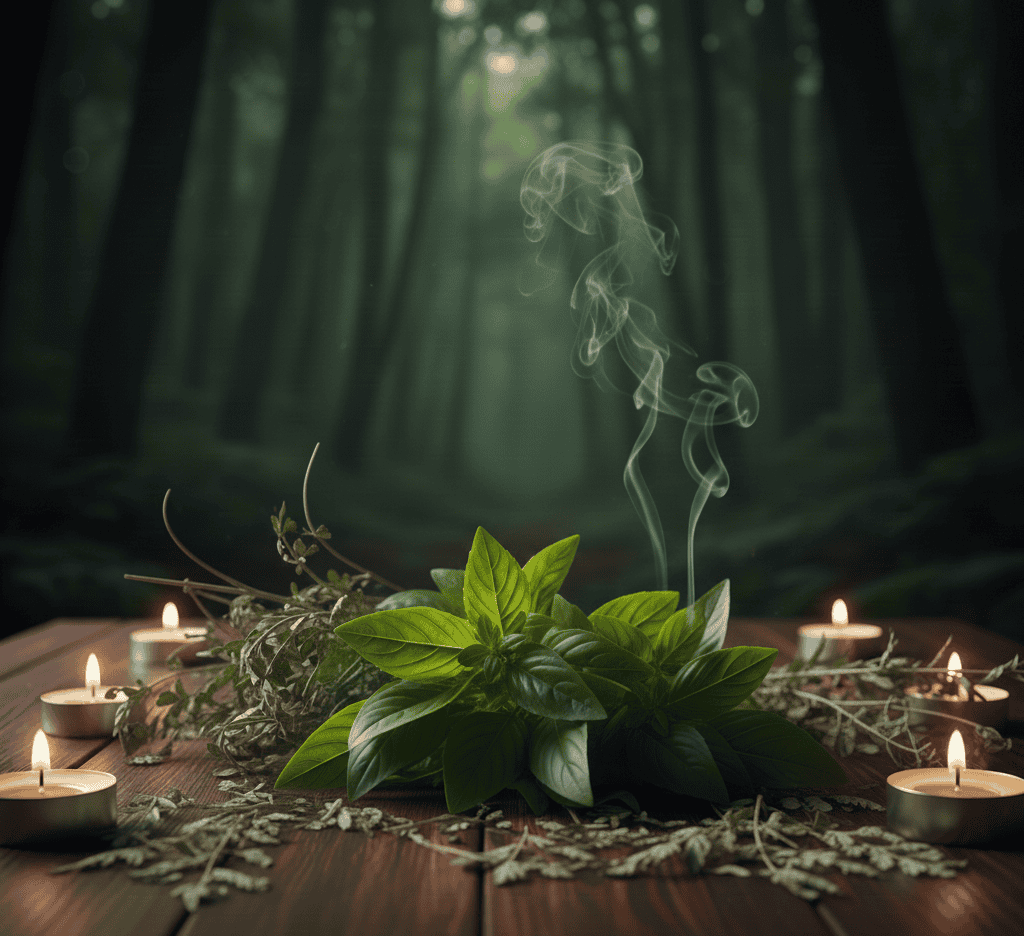
Holy Basil, also called tulsi, is deeply respected in spiritual traditions from India.
It is often associated with purification, devotion, and spiritual focus.
People believed holy basil helped balance emotions and strengthen concentration during meditation and prayer.
Its sacred reputation made it strongly connected to inner awareness and spiritual growth. Many believed it encouraged harmony between the mind, emotions, and deeper intuition.
In many homes, holy basil was treated almost like a living spiritual presence, symbolizing peace, protection, and emotional balance within daily life.

私は生まれたときから、常に神との強いつながりを感じていた。作家として、また指導者として、私の使命は、人々が最も暗い時代に愛と幸福と内なる強さを見つけるのを助けることである。