

People throw the word カルマ around like spiritual glitter. Someone cuts you off in traffic? “Karma will get them.” Your ex dates the person they told you not to worry about? “Just wait for karma.”
We’ve turned a profound ancient philosophy into the metaphysical equivalent of a revenge subscription service. But real karma is less about the universe dramatically tripping your enemies and more about how energy, actions, and consequences quietly shape our lives over time.
It doesn’t wear a cape, it doesn’t work on your schedule, and it definitely doesn’t take requests via angry text messages. To truly understand karma, we need to separate what it actually means from what social media memes 願い it meant.
Consider this your crash course in spiritual cause and effect.
1. Karma Is Not a Cosmic Hitman

Most people imagine karma as a moody bouncer standing outside the club of life, waiting to punch anyone who behaved badly in 2017. In reality, karma is not a supernatural revenge department with a clipboard of grudges.
The ancient idea is closer to gardening than punishment: you plant actions, and eventually something grows from them. If you spend years being dishonest, you cultivate a life where trust avoids you like an expired yogurt. If you practice kindness, you slowly build relationships that feel like warm soup.
The problem is that humans want instant results, preferably with dramatic background music. Karma, however, operates like a slow cooker—quiet, patient, and completely uninterested in your timeline.
2. Good Karma Doesn’t Mean a Problem-Free Life

There’s a popular myth that being a nice person should unlock a VIP pass to an easy existence, free of bad bosses and emotional chaos. Ancient teachings would laugh gently at this idea while handing you a cup of tea. Karma isn’t a reward system where you collect enough points to avoid inconvenience forever.
Sometimes challenges appear to teach skills your soul skipped like an irresponsible student. You can be generous, honest, and still step in a metaphorical puddle. The difference is that good karma shapes how you respond to those puddles—whether you scream at the sky or calmly change your shoes and keep walking like a mature earth creature.
3. Intent Matters More Than Dramatic Gestures

Buying your friend coffee because you love them carries different energy than buying coffee to later guilt-trip them into helping you move. Karma pays attention to motives the way grandmothers notice dust—quietly but thoroughly.
Ancient philosophers believed the heart behind an action writes the real receipt. This is terrible news for people who perform kindness like a public relations campaign. You can donate money, volunteer, and still generate questionable karma if inside you’re thinking, “Everyone better notice how saintly I am.”
Meanwhile, a small, sincere act done with zero audience can echo through life like a humble spiritual celebrity.
4. Karma Works Through Habits, Not Lightning Bolts
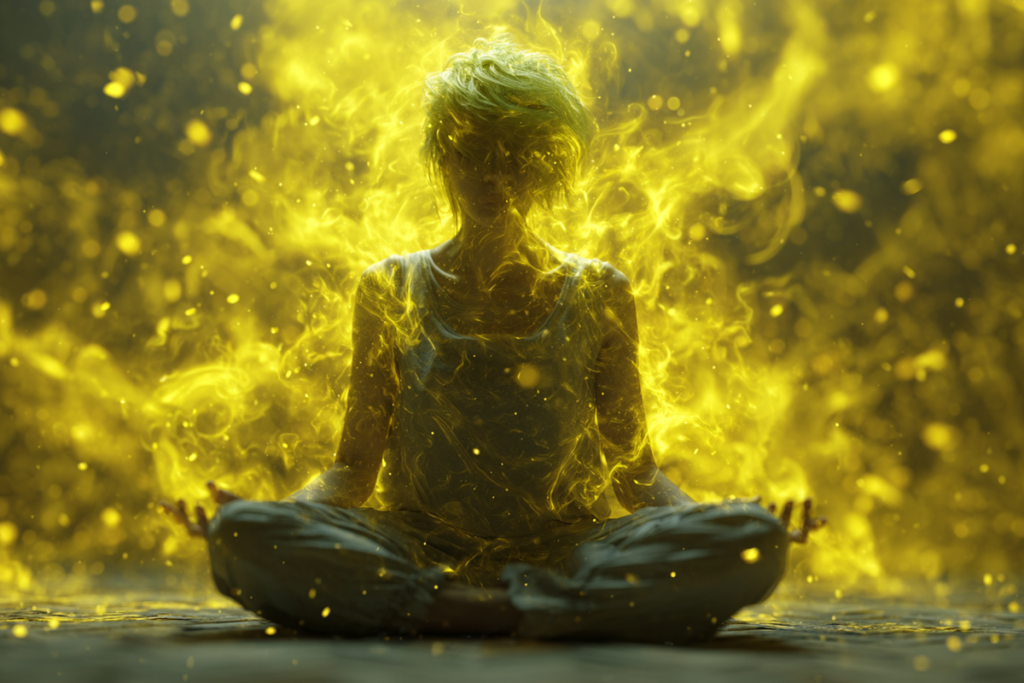
If karma were dramatic, every rude person would be chased by geese and every liar would immediately lose their Wi-Fi. Instead, it operates through patterns so ordinary we barely notice them. A habit of gossip creates a social circle that doesn’t trust anyone.
A habit of patience attracts calmer relationships. These shifts are so gradual they feel like normal life, which is exactly how karma sneaks around wearing sweatpants. Ancient texts describe karma as a wheel because actions roll forward and eventually return to the driveway of your experience. No thunder, no special effects—just the quiet math of behavior adding up over years.
5. Karma Is Not Fate’s Evil Twin

Another misunderstanding is that karma means everything is predestined and we’re just actors reading lines written by the universe’s moodiest screenwriter. In truth, karma is more like a choose-your-own-adventure book where some chapters are influenced by previous choices.
You still have free will, which is both empowering and slightly terrifying. The ancient view suggests we inherit certain themes, but we decide how to dance with them. Blaming karma for every inconvenience is like blaming your GPS for a road you personally chose to drive down while ignoring three warnings and a detour sign shaped like common sense.
6. Forgiveness Is a Karma Shortcut

Holding grudges feels powerful, like clutching a tiny emotional sword, but spiritually it’s closer to drinking expired milk and hoping someone else gets sick. Karma isn’t impressed by how long you can stay angry; it’s interested in how quickly you can learn.
Forgiveness doesn’t excuse bad behavior—it simply stops you from renting mental space to people who don’t deserve the square footage. Ancient teachers compared resentment to carrying hot coals while waiting to throw them later. The only guaranteed burn victim is you, standing there wondering why your hands hurt and why your soul smells like a barbecue of bitterness.
7. Karma Loves Responsibility More Than Excuses

Saying “that’s just how I am” is not a spiritual strategy; it’s a participation trophy for bad habits. Karma responds beautifully to accountability, the same way plants respond to water instead of complaints. When you admit mistakes and change direction, you essentially renegotiate your energetic contract with life.
Ancient traditions emphasize that awareness can rewrite outcomes. This is bad news for people who enjoy blaming childhood, Mercury retrograde, or their neighbor’s loud dog for everything. Karma nods politely at excuses and then continues calculating results based on what you actually する, not the speeches you give about doing better someday.
8. Karma Is Collective, Not Just Personal

We love imagining karma as a solo game where only our individual actions count, but ancient thinkers viewed it as a group project we never asked to join. Families, communities, and even countries create shared energetic weather.
If you benefit from unfair systems while pretending not to notice, congratulations—you’re participating in group karma wearing invisible slippers. This explains why good people can be affected by messy situations they didn’t personally create. The concept invites us to care about more than our own spiritual report card and to realize we’re all cooking in the same messy cosmic kitchen.
9. Karma Doesn’t Care About Your Reputation

You can look like a saint on the outside and still be energetically chaotic on the inside. Karma ignores branding the way cats ignore expensive toys. Ancient stories are full of humble heroes with terrible reputations and celebrated leaders secretly planting emotional weeds.
What matters is consistency between who you pretend to be and who you are when no one is watching—not even your Wi-Fi router. This is uncomfortable news for anyone who curates their personality like an Instagram grid. Karma prefers authenticity, even when it’s awkward and wearing mismatched socks.
10. Understanding Karma Means Relaxing a Little

Once you grasp that karma is about learning rather than punishment, life becomes less like a courtroom and more like a classroom with questionable cafeteria food. You stop waiting for villains to be struck by dramatic irony and start focusing on your own choices.
Ancient wisdom suggests that peace grows when we act well without obsessing over the scoreboard. The universe doesn’t need us to be perfect monks—just slightly kinder, a bit more honest, and occasionally willing to apologize without writing a speech.
Karma, in the end, is less about cosmic revenge and more about becoming the kind of human you wouldn’t mind meeting in a long elevator ride.

Lover of good music, reading, astrology and making memories with friends and spreading positive vibes! 🎶✨I aim to inspire others to find meaning and purpose through a deeper understanding of the universe’s energies.