

The kitchen has always been one of the most magical places in a home.
Long before people could buy special crystals, ritual candles, or beautifully decorated spell books, they already had everything they needed for a little folk magic.
Salt, bread, apples, garlic, herbs, and ordinary cooking tools all carried special meanings.
In many European traditions, the kitchen was more than a place to prepare meals.
It was where families gathered, food was preserved, and household customs passed from one generation to another.
Some people believed certain ingredients could protect a home from bad luck.
Others used familiar foods in rituals connected with love, prosperity, and the future.
A loaf of bread could symbolize abundance. A sprig of rosemary might represent protection. Even an apple peel could supposedly reveal something about a future romance.
Many of these customs have faded from everyday life, while others survive in modern folk magic.
Here are ten forgotten kitchen spells inspired by European traditions that are surprisingly easy to bring back.
1. The Bread Blessing for an Abundant Home
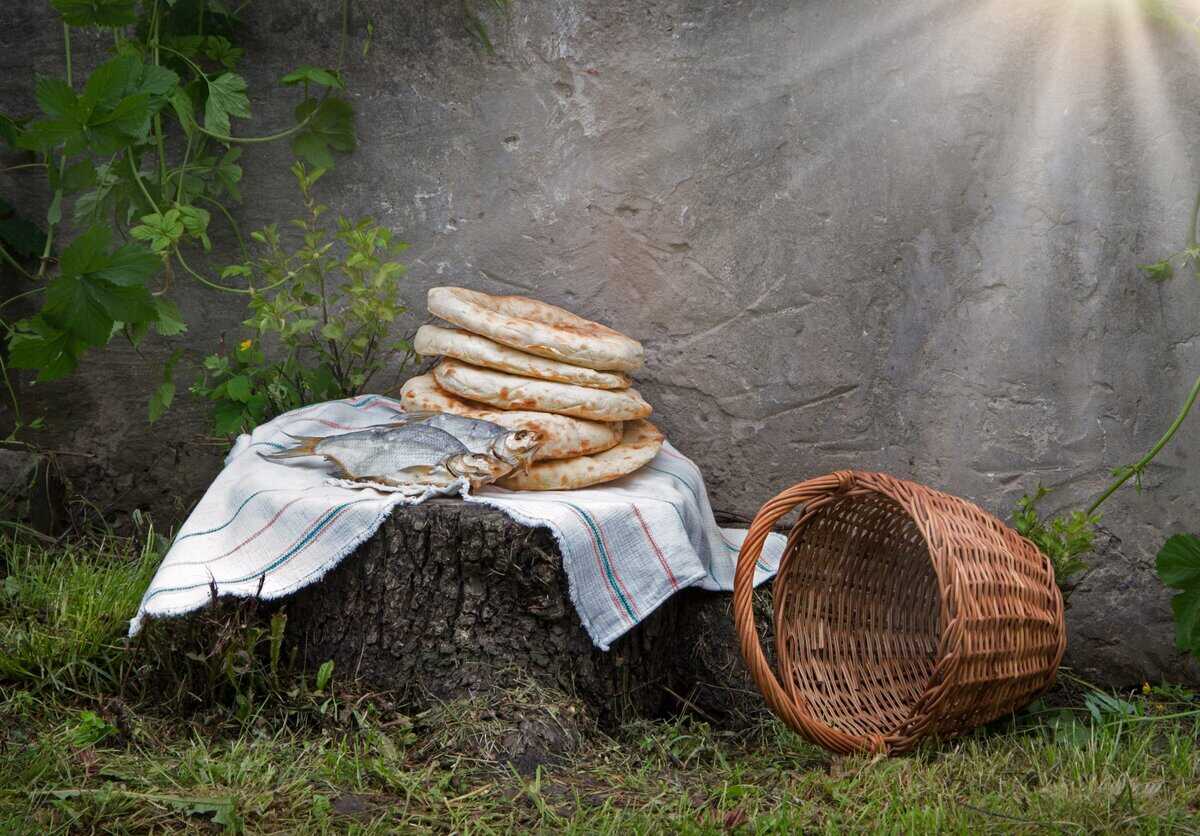
Bread was one of the most important foods in traditional European households.
It represented nourishment, survival, and the work required to keep a family fed.
That is why bread became connected with blessings, hospitality, and prosperity.
In many communities, people treated bread with special respect. Wasting it was considered wrong, and offering bread to a guest could symbolize welcome and goodwill.
For a simple bread blessing, place a fresh loaf on your kitchen table. Before cutting it, think about three things you are grateful to have.
Perhaps you have a comfortable home. Maybe you are thankful for the people who share meals with you.
Or perhaps you simply appreciate having enough food for another day. Say a short blessing for peace and abundance.
Then share the bread as part of an ordinary meal. The loaf represents everything that helps a household feel secure.
And the act of sharing reminds us that prosperity becomes even more meaningful when it can be enjoyed together.
2. The Salt Pinch Spell for Keeping Bad Luck Away
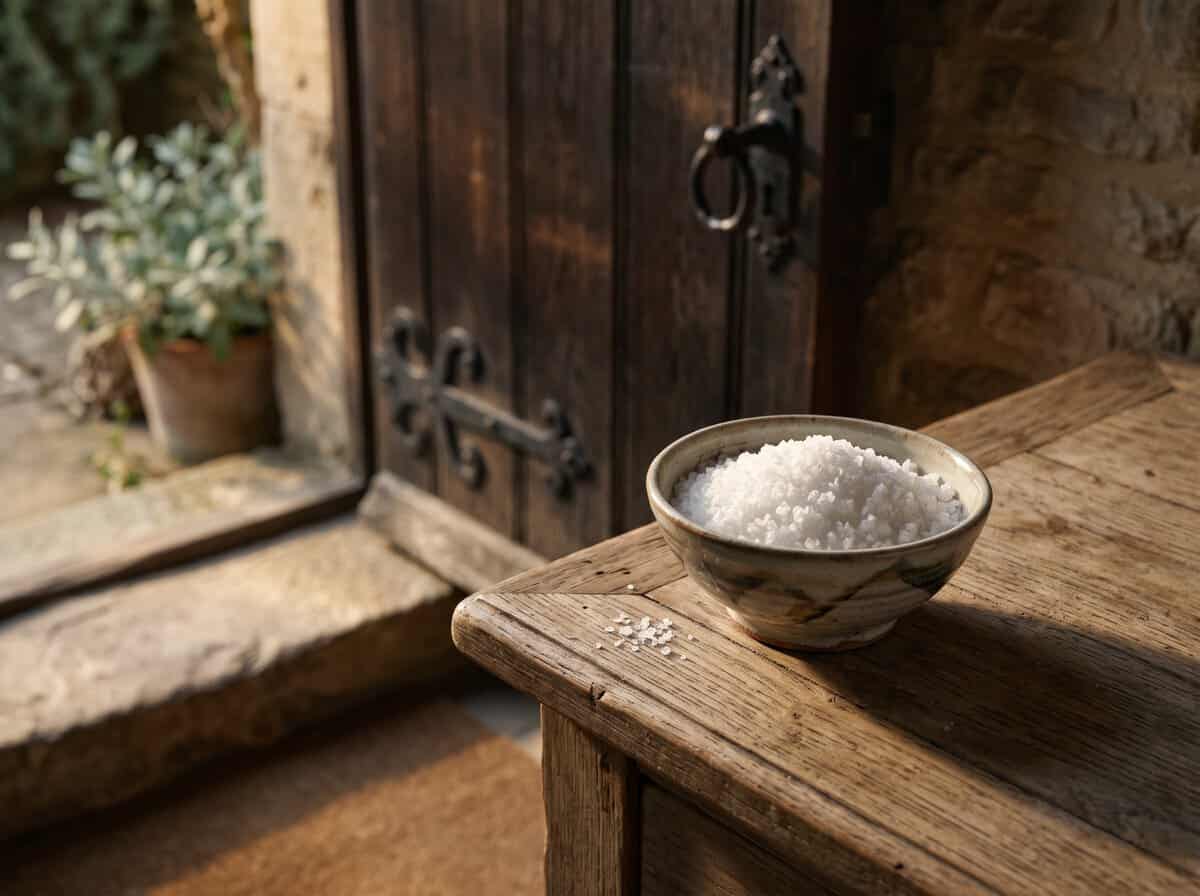
Salt has a long history in European folk beliefs. It was valued for preserving food and became associated with purity, protection, and good fortune.
But there was also a famous superstition. Spilling salt was believed to bring bad luck.
Fortunately, people had a simple way to reverse it. They threw a pinch of salt over the left shoulder.
According to a popular explanation, the gesture was meant to drive away a harmful spirit believed to be lurking behind them.
For a modern version, take a tiny pinch of salt and gently toss it backward over your left shoulder, away from food and onto an easy-to-clean surface.
Think about something unfortunate that happened recently. Maybe you made an embarrassing mistake.
Perhaps a plan did not work out. Or maybe you have simply had one of those days when everything seems to go wrong.
As you release the salt, imagine leaving that frustration behind. Clean up afterward.
The ritual carries a simple message. One unlucky moment does not have to decide what happens next.
3. The Apple Peel Spell for Discovering Future Love

This is one of the most charming romantic customs from European folklore.
In parts of Britain and Ireland, apple peels were used in traditional love divination games.
The practice became especially associated with autumn celebrations and Halloween.
According to the custom, a person would peel an apple in one long strip. Then they would toss the peel over their shoulder.
The shape it formed on the ground was supposed to resemble the first letter of a future spouse’s name.
Naturally, the results required a little imagination. For a playful version, carefully peel an apple.
Try to keep the peel in one long piece. Then toss it gently over your shoulder onto a clean surface.
Look at the shape. Does it resemble a letter? Maybe it looks nothing like one.
That is part of the fun. The ritual is best enjoyed as a traditional game rather than a certain prediction.
And the apple does not need to go to waste. You can still enjoy it afterward.
4. The Rosemary Kitchen Blessing for Protection

Rosemary has been associated with remembrance, loyalty, and protection in European traditions for centuries.
It appeared in weddings, funerals, and household customs. Its strong fragrance also made it a familiar ingredient in traditional cooking.
That combination makes rosemary a natural choice for kitchen magic. Take a fresh rosemary sprig and place it in a small vase or bowl on your kitchen table.
Beside it, write down one quality you want your home to have. Perhaps you choose peace.
Maybe you want stronger family connections. Or perhaps you hope for more patience during stressful days.
Read the intention quietly. Then leave the rosemary on the table for the evening.
The herb represents remembrance and protection. Every time you notice it, think about the atmosphere you want to create.
A peaceful home is not built through one enormous gesture. Sometimes it grows through small habits repeated every day.
5. The Garlic Charm for Warding Off Harm
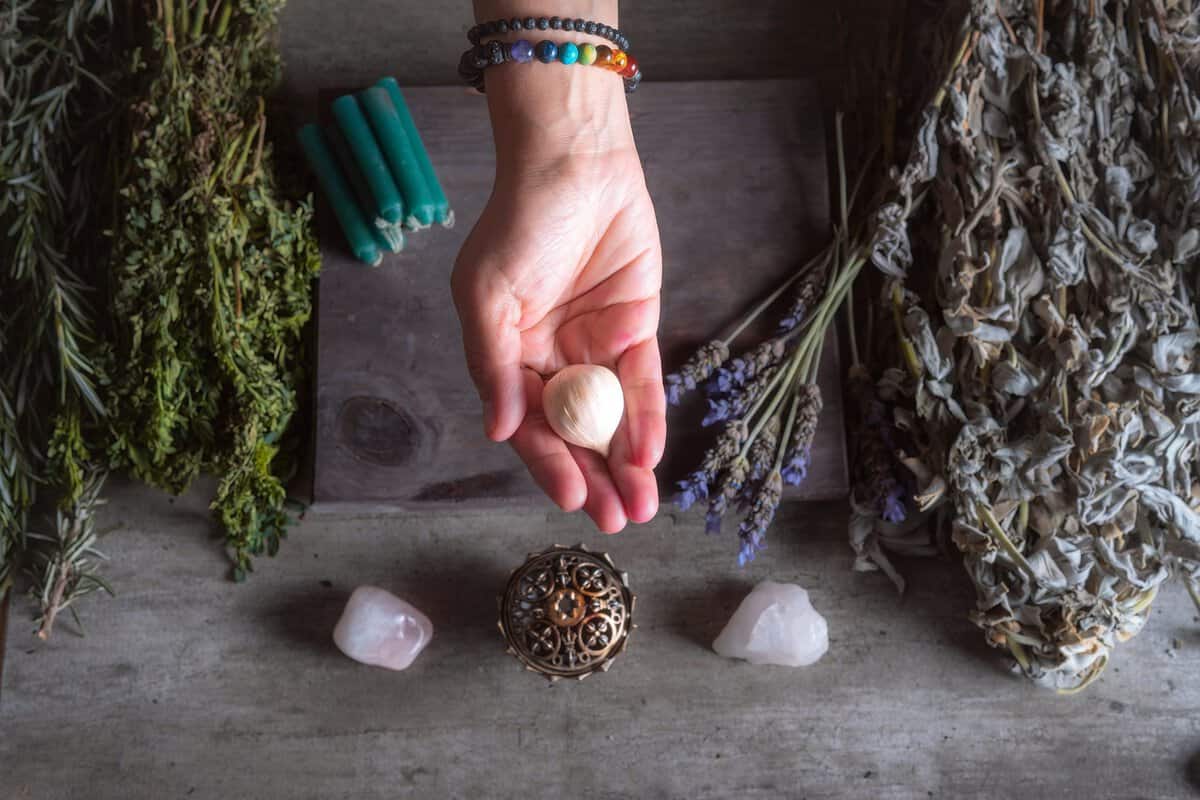
Garlic has one of the most fascinating reputations in European folklore.
It was used in food, traditional remedies, and protective customs.
In parts of Eastern and Southeastern Europe, garlic became especially famous for its supposed ability to keep harmful supernatural beings away.
Stories about vampires helped make this belief popular around the world.
But garlic’s protective reputation existed in a wider range of folk traditions.
For a simple symbolic charm, place a whole garlic bulb in a small decorative bowl.
Set it somewhere dry in your kitchen. Then think about what protection means to you.
Perhaps you want to create healthier boundaries. Maybe you want your home to feel calmer.
Or perhaps you are trying to stop bringing everyday worries into your private space.
The garlic represents the old belief that certain ordinary plants could guard a household.
There is no need to hang it around every doorway or perform an elaborate ceremony.
Sometimes one familiar object is enough to remind you that your home deserves care and attention.
6. The Bay Leaf Wish for Success

Bay laurel has a long connection with victory. In ancient Greece and Rome, laurel wreaths were used to honor achievements and important figures.
Over time, bay leaves also became popular in modern folk magic involving success, prosperity, and wishes.
For this ritual, take one dried bay leaf and place it on a small plate. Write your goal on a separate piece of paper.
Maybe you want to improve a skill. Perhaps you hope to complete an important project.
Or maybe you are working toward a personal achievement that has taken longer than expected.
Place the paper beneath the bay leaf. Then write down one practical step you can take toward your goal.
Keep the note somewhere you will see it. The bay leaf represents success.
The written step represents your willingness to work toward it. There is no need to burn the leaf.
Its symbolism is already enough for a meaningful ritual. And sometimes the best wish is one that inspires you to do something useful.
7. The Cinnamon and Coin Spell for Prosperity

Cinnamon has become a familiar ingredient in modern prosperity rituals.
Its warm fragrance is associated with sweetness, comfort, and abundance.
Coins, meanwhile, have appeared in many European customs connected with luck and wealth.
Together, they create a simple kitchen ritual. Place a small cinnamon stick beside three coins on a plate.
Write down one financial goal you would like to achieve. Perhaps you want to save for something important.
Maybe you hope to become more organized with your spending.
Or perhaps you want to feel more secure about the future. Place the note beneath the plate.
Leave the arrangement on your kitchen table for the evening. The cinnamon represents the sweetness of prosperity.
The coins represent material security. But the most important part comes afterward.
Choose one small action that supports your goal. Maybe you begin saving a little money.
Perhaps you review your spending. Or maybe you start learning a skill that could create new opportunities.
The ritual symbolizes abundance, while your actions help give that intention a place in everyday life.
8. The Eggshell Charm for New Beginnings

Eggs have been powerful symbols of life and renewal in European traditions for centuries.
They appear in spring celebrations, Easter customs, and folk beliefs connected with fertility and protection.
The shell is especially interesting. It protects something growing inside.
But eventually, it must break for new life to emerge. That makes eggshells a beautiful symbol for fresh beginnings.
For this ritual, use a clean, completely dried eggshell from an egg already used in cooking.
Place it on a small plate. Beside it, write down one change you want to welcome.
Perhaps you are beginning a new routine. Maybe you want to leave an old habit behind.
Or perhaps you are ready to try something that once frightened you. Look at the shell and think about its meaning.
Protection is valuable. But sometimes growth requires leaving a familiar place.
When you finish, dispose of the shell safely. The ritual reminds you that a new beginning does not always arrive without uncertainty.
Sometimes the first step is simply being willing to change.
9. The Apple and Honey Blessing for Sweetness
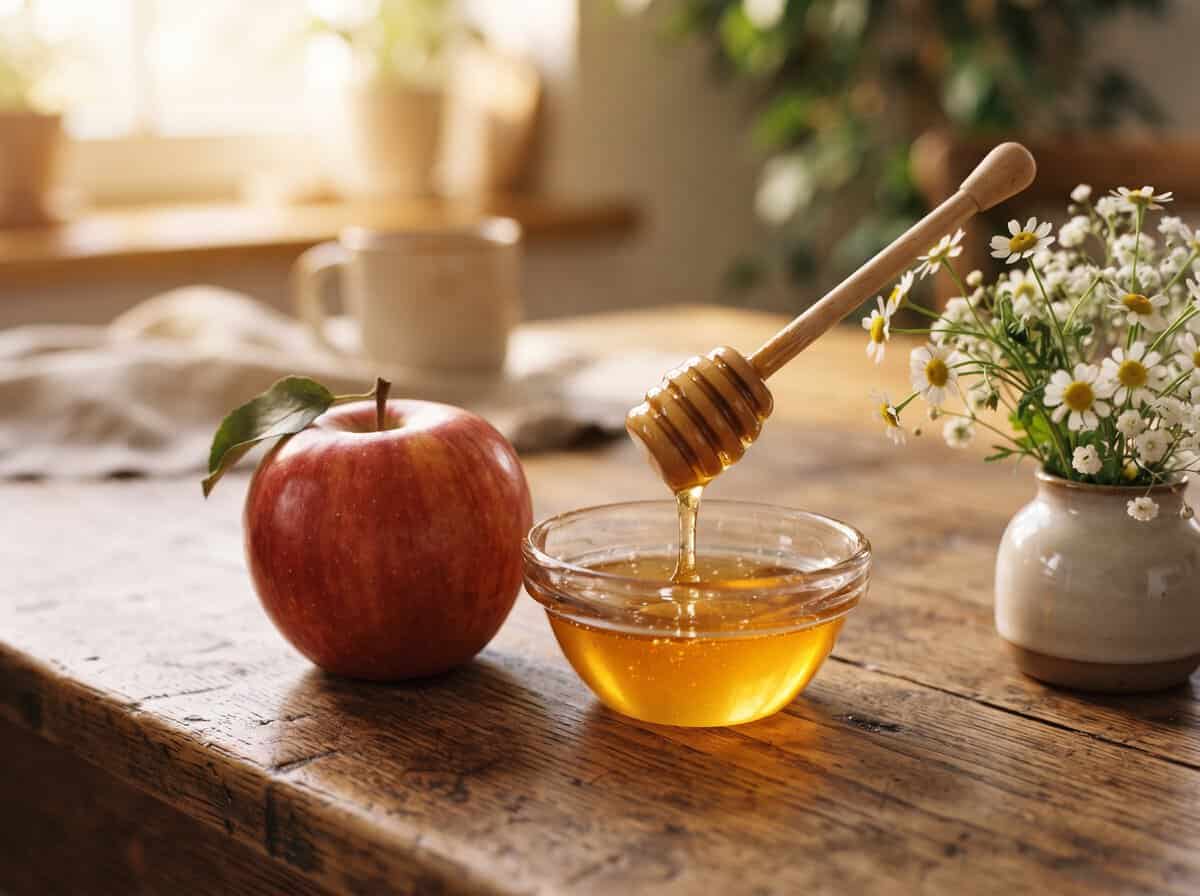
Apples and honey have long been associated with sweetness, nourishment, and good fortune in different European and religious traditions.
In Jewish Rosh Hashanah celebrations, for example, apples dipped in honey express the hope for a sweet new year.
That is a specific religious custom rather than a general European folk spell.
Still, the symbolism of sweetness has inspired many modern kitchen rituals.
For a simple blessing, place an apple and a small dish of honey on your table.
Think about one area of life where you would welcome more happiness.
Maybe you want warmer family relationships. Perhaps you hope for more enjoyable conversations.
Or maybe you simply want to appreciate ordinary moments more often.
Say a short intention for kindness and sweetness. Then enjoy the apple with a little honey, if it is suitable for you.
The ritual is not about expecting every day to become perfect. It is about remembering to welcome pleasant moments when they arrive.
Life can be complicated. A little sweetness still deserves attention.
10. The Kitchen Table Gratitude Spell for Household Luck
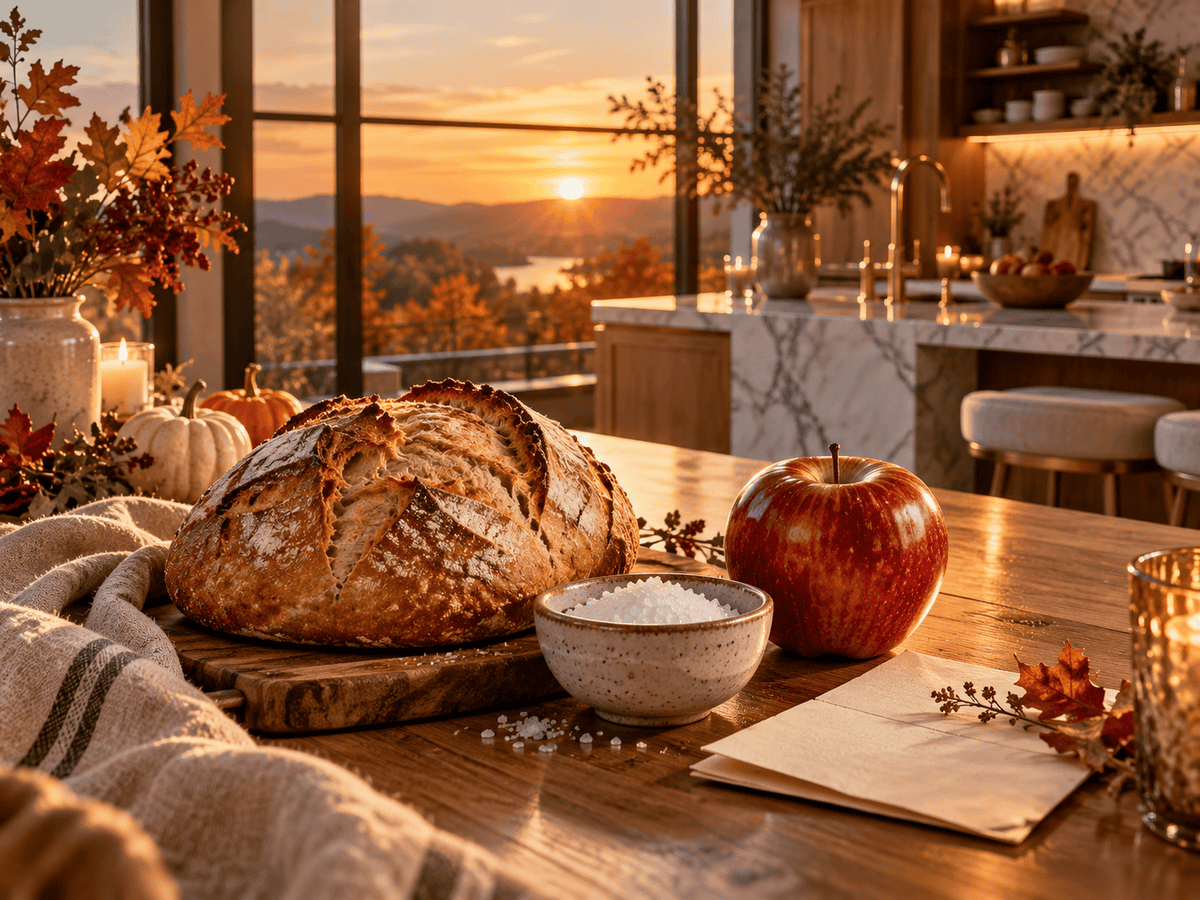
Not every traditional household blessing required a special ingredient.
Sometimes the most meaningful part was simply gathering around a table.
In many European homes, meals were accompanied by prayers, blessings, or expressions of gratitude.
These customs helped connect food with protection, community, and the hope for continued abundance.
For this final ritual, clear a small space on your kitchen table. Place three ordinary objects there.
A piece of bread to represent nourishment. A small bowl of salt to represent protection.
And an apple to represent abundance. Sit quietly for a moment. Think about three things your home has given you recently.
Perhaps it offered comfort after a difficult day. Maybe it provided a place to laugh with someone you love.
Or perhaps it simply gave you somewhere peaceful to rest. Then write down one thing you would like to bring into your home.
More patience. More laughter. More gratitude.
Leave the arrangement together for a short time before returning the usable food to the kitchen and discarding the display salt.
This simple ritual brings together some of the oldest symbols of European household life.
Bread for nourishment. Salt for protection. Fruit for abundance.
And a table where people can gather. The magic of the kitchen was never only about mysterious ingredients.
It was also about the everyday work of making a home feel safe, welcoming, and full of life.

私は生まれたときから、常に神との強いつながりを感じていた。作家として、また指導者として、私の使命は、人々が最も暗い時代に愛と幸福と内なる強さを見つけるのを助けることである。