
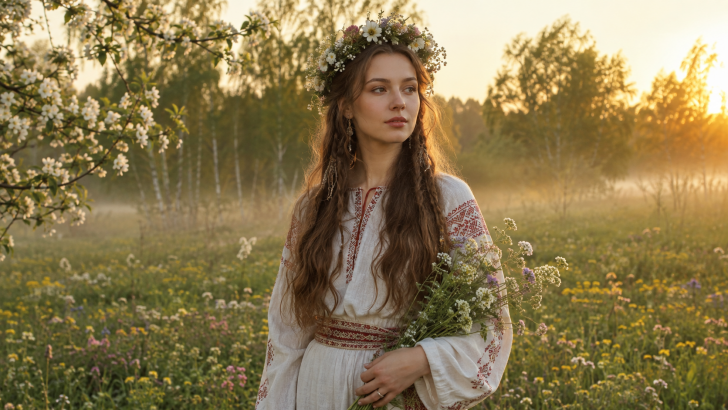
Love, beauty, harmony, and the joy of spring have inspired countless myths throughout history.
Among Slavic traditions, few figures are as fascinating as Lada, a goddess often associated with romance, fertility, beauty, and peaceful relationships.
She was connected with harmony between people, the renewal of nature, and the happiness found within family and community.
Unlike fierce gods of war or powerful storm deities, Lada represented a softer form of divine energy.
Her influence was believed to appear in blooming flowers, joyful celebrations, marriage ceremonies, and the arrival of spring.
Because many Slavic myths survived through oral traditions rather than written texts, details about Lada vary between regions.
Still, her symbolism remains powerful. Here are eight fascinating facts about Lada, the Slavic goddess of love and beauty.
1. Lada Was Associated With Love and Harmony
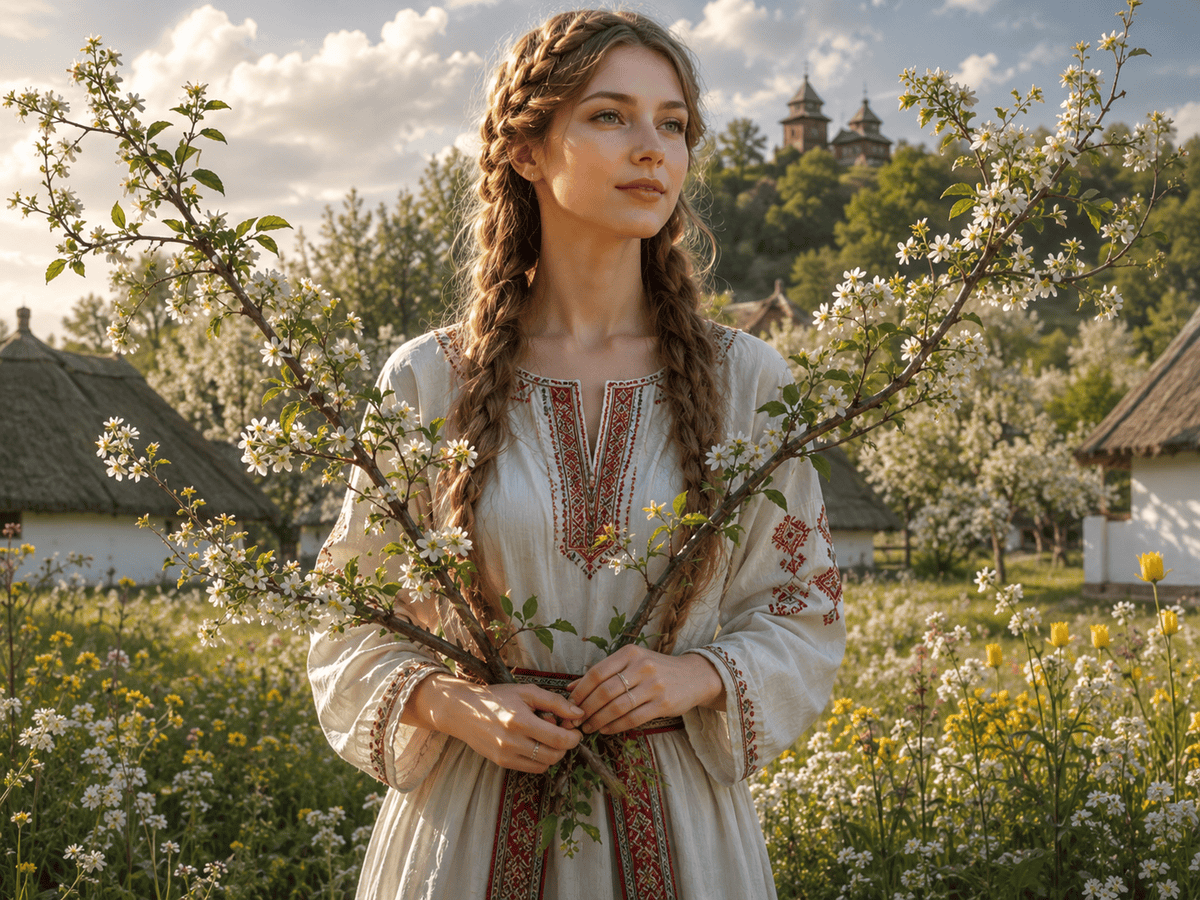
The most famous connection with Lada is her association with love.
She was often described as a goddess who represented affection, beauty, harmony, and emotional connection between people.
For ancient communities, love was not only a romantic feeling. It was also the foundation of family, cooperation, and social balance.
A peaceful household and strong relationships were essential for survival. Lada symbolized these positive forces.
She represented the happiness found in companionship and the bonds that connected communities.
Her energy was believed to encourage kindness, understanding, and unity.
Because of these qualities, she became associated with the ideal of peaceful relationships and a harmonious life.
2. She Was Connected With Beauty and Femininity
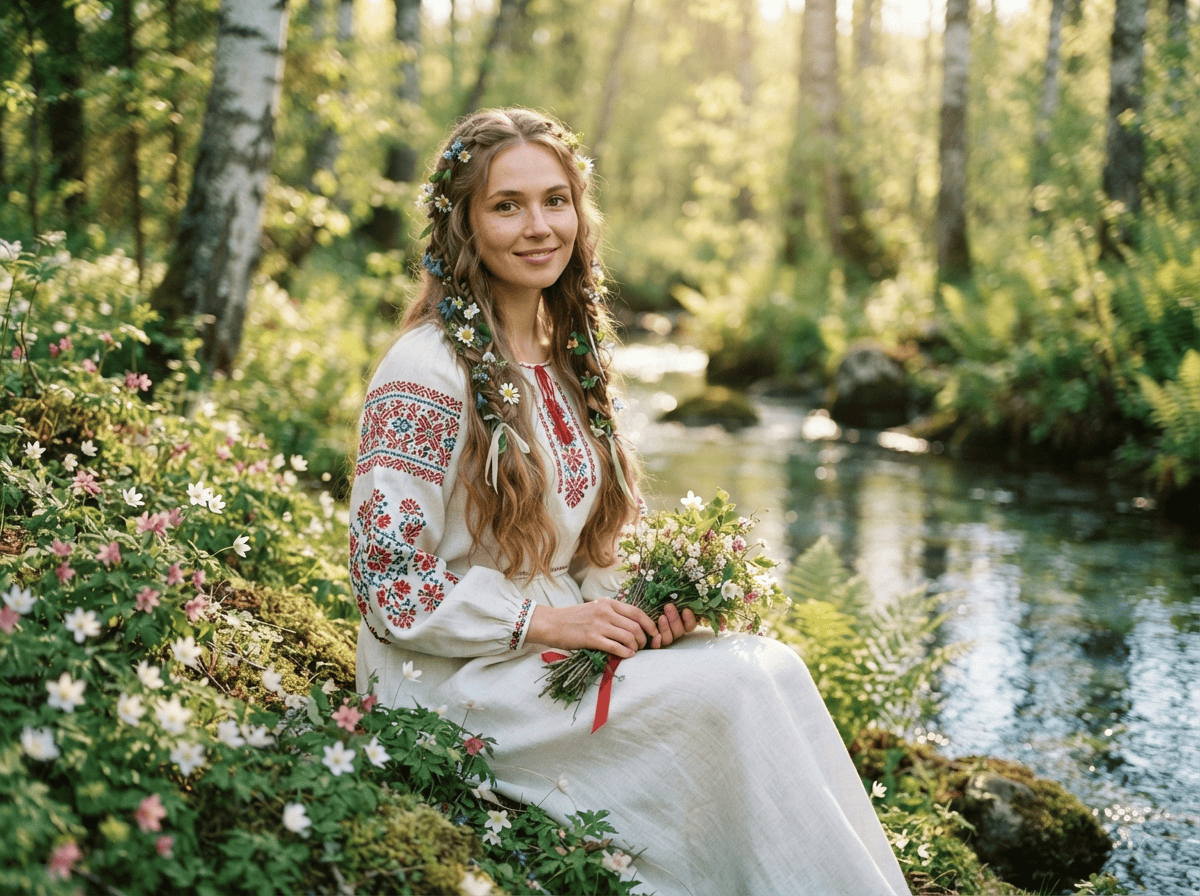
Lada was often portrayed as a symbol of feminine grace and beauty.
Her appearance in later traditions reflected ideals of elegance, kindness, and charm. However, her beauty was not only physical.
She represented inner qualities such as compassion, gentleness, and emotional warmth.
Many ancient cultures viewed beauty as a reflection of harmony within the natural and spiritual world.
A beautiful person was not simply someone with an attractive appearance but someone who carried balance and kindness.
She represented the belief that true attractiveness came from a combination of appearance, character, and the ability to create peace around oneself.
3. Lada Was Linked With Spring and Renewal
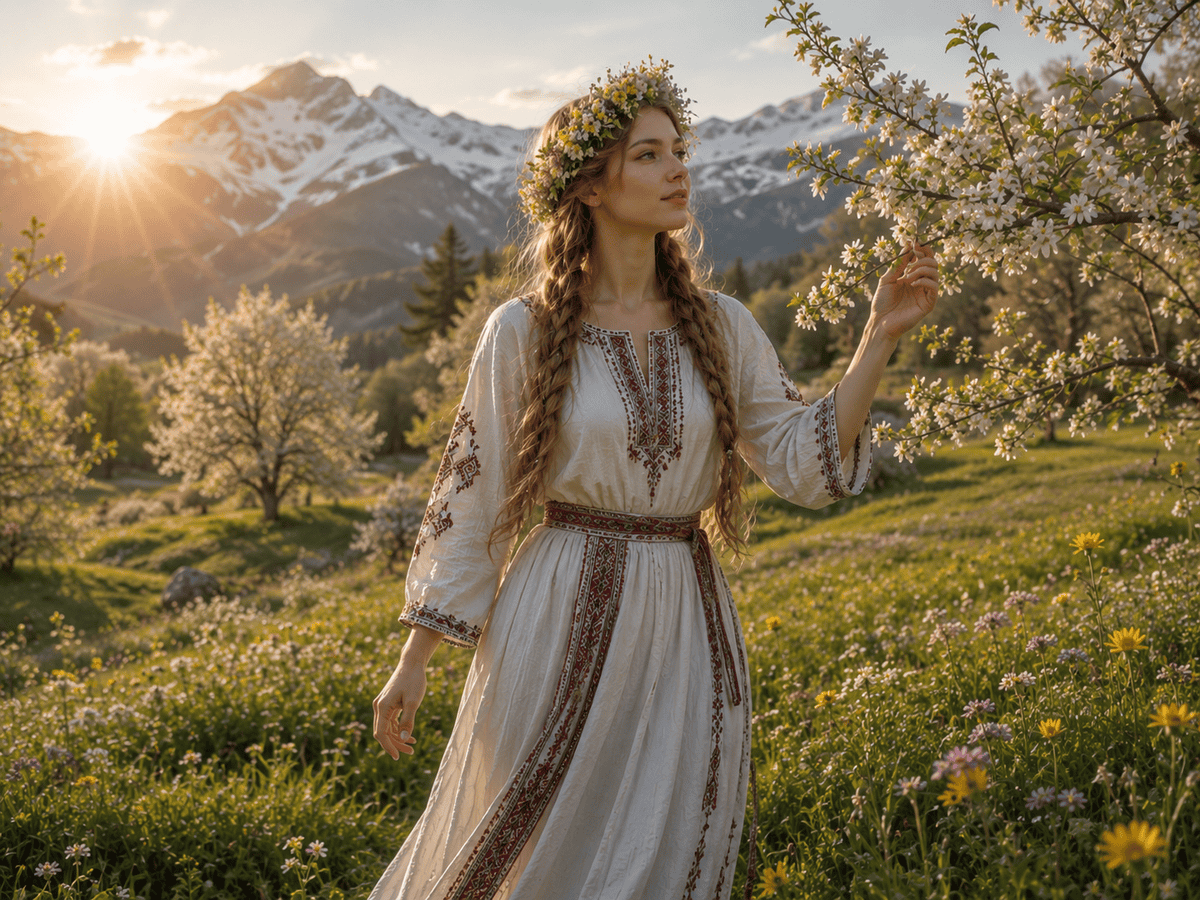
Spring played an important role in Slavic traditions because it marked the return of life after the cold months.
Flowers bloomed, animals became active again, and fields prepared for new growth.
Because of her connection with love and fertility, Lada became associated with this season of renewal.
The arrival of spring reflected many qualities connected with her symbolism.
Nature seemed to awaken, relationships were celebrated, and communities looked forward to abundance.
Some later traditions connected songs and dances performed during spring celebrations with honoring Lada.
Although specific historical practices remain uncertain, the connection between the goddess and seasonal renewal became an important part of her legacy.
4. She Was Sometimes Linked With Marriage and Family
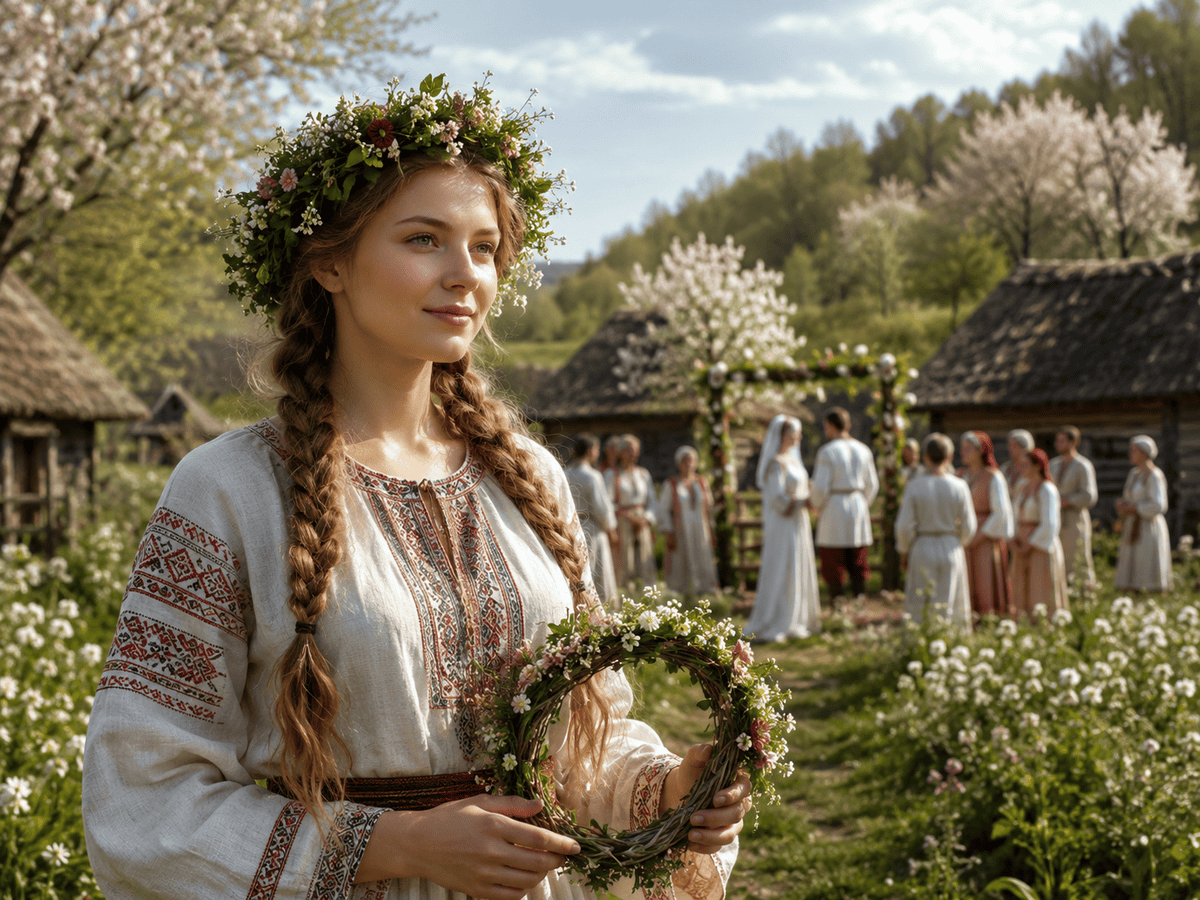
Marriage was an important social institution in ancient Slavic communities.
A successful union represented not only romantic love but also family strength and future generations.
Because Lada represented harmony and affection, she was sometimes connected with marriage traditions.
Her influence represented qualities needed for a lasting partnership, including loyalty, patience, and understanding.
In some folklore traditions, young women called upon figures like Lada while hoping for love, happiness, and a good marriage.
Whether through songs, celebrations, or stories, her name became connected with the hopes people carried for meaningful relationships.
5. Lada Was Sometimes Compared With Other Love Goddesses
Because many cultures have their own figures representing love and beauty, Lada is sometimes compared with goddesses from other mythologies.
Her qualities have been compared to Greek Aphrodite or Roman Venus because of their shared associations with beauty and romance.
However, Lada’s symbolism developed within a very different cultural environment.
Unlike Mediterranean love goddesses who often appeared in dramatic myths involving gods and heroes, Lada was more closely connected with harmony, seasonal traditions, and everyday happiness.
These comparisons help modern audiences understand her role, but she remains a uniquely Slavic figure with her own symbolic meaning.
6. Some Traditions Connected Lada With Fertility and Abundance
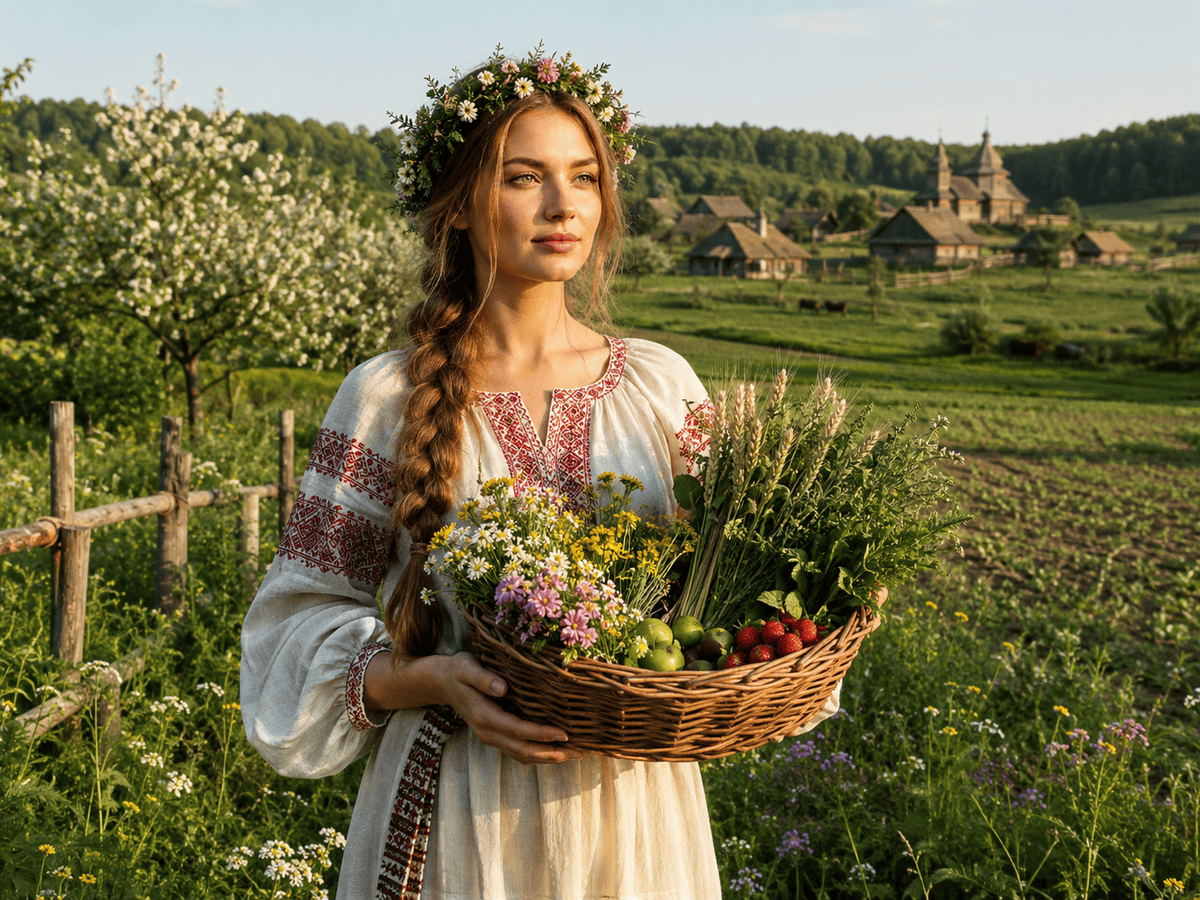
Love and fertility were often closely connected in ancient agricultural societies.
A thriving family and successful harvest were both seen as signs of blessing and prosperity.
Because Lada represented love, beauty, and renewal, some traditions also connected her with fertility.
This connection reflected the broader belief that all forms of growth came from the same life-giving forces.
A blooming field, a growing family, and a loving relationship were all expressions of abundance. Lada represented the joyful side of creation and the continuation of life.
Her symbolism reminded people that happiness and prosperity were often connected with harmony between humans and nature.
7. Lada’s Historical Existence Is Still Debated
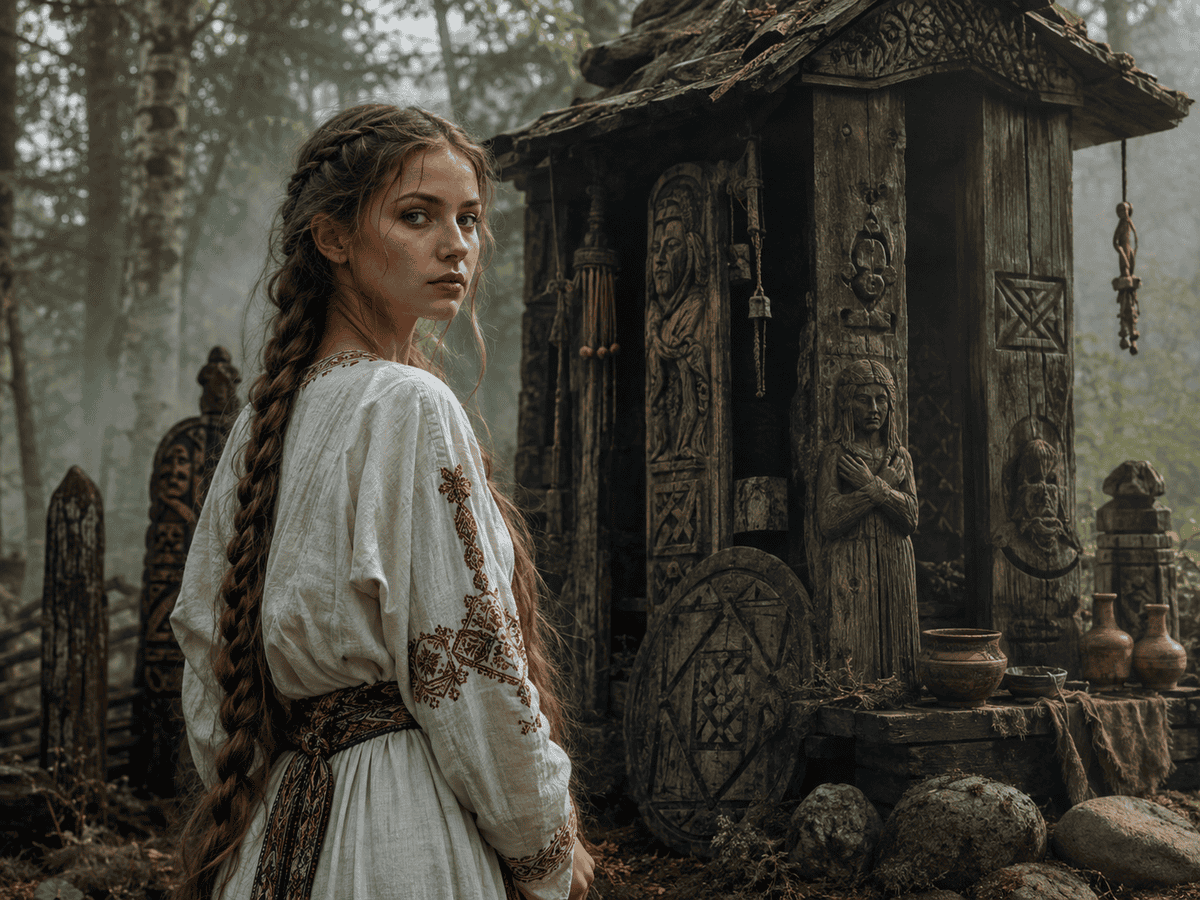
One of the most interesting aspects of Lada is that scholars continue to discuss her origins.
Unlike major Slavic deities such as Perun or Veles, Lada does not appear clearly in many early medieval sources.
Some researchers believe she was a genuine ancient goddess whose traditions survived through folklore.
Others suggest that some references to Lada may have developed from later interpretations, songs, or misunderstandings.
This uncertainty makes her mythology especially fascinating. It shows how traditions change over time and how legends can continue even when written evidence is limited.
Whether viewed as an ancient goddess or a later folkloric figure, Lada remains an important symbol of Slavic ideas about love and beauty.
8. Lada Remains a Symbol of Love, Peace, and Joy
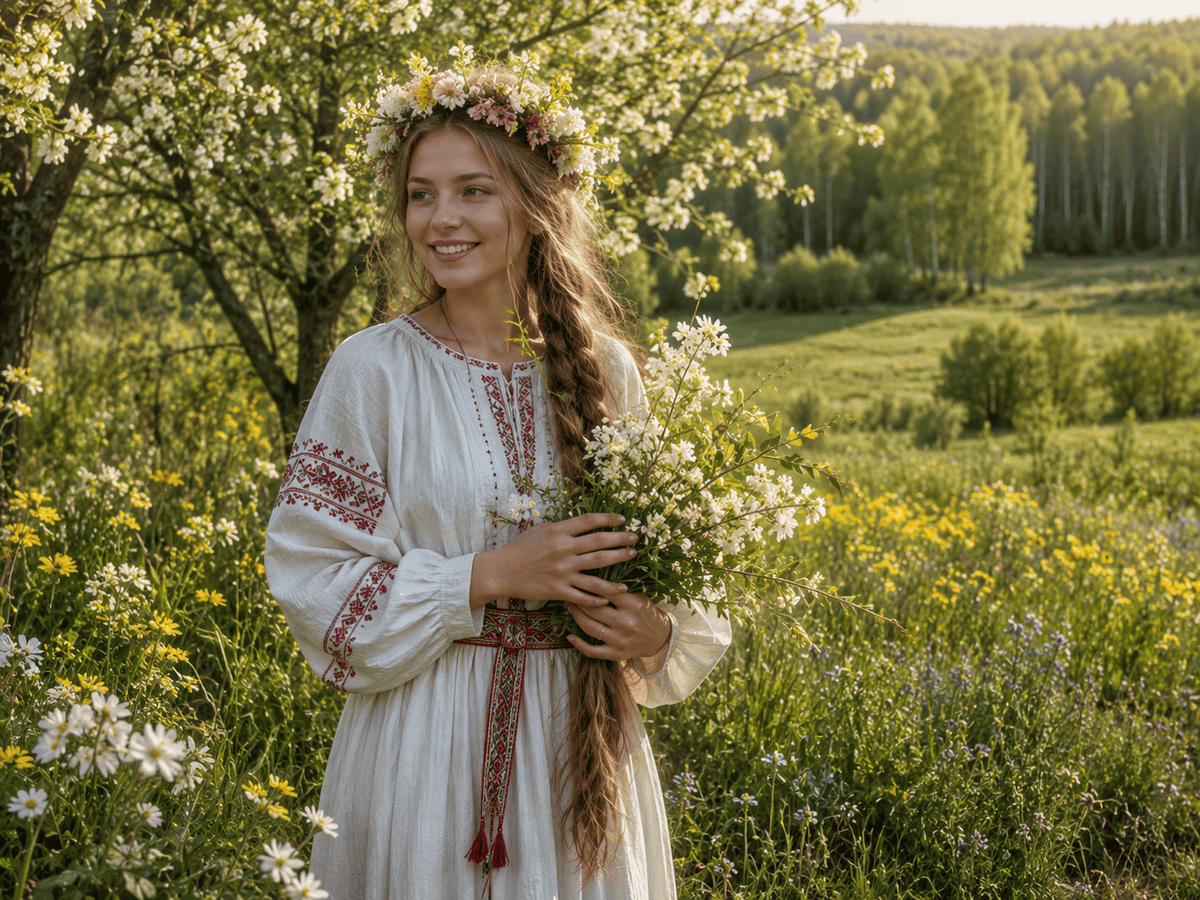
Today, Lada continues to inspire interest among people fascinated by Slavic mythology and ancient traditions.
Her symbolism focuses on themes that remain meaningful across cultures. Love, beauty, harmony, and the celebration of life are universal ideas.
Unlike gods associated with destruction or conflict, Lada represents the gentle forces that hold communities together.
She reminds people that kindness, affection, and emotional connection have always been powerful parts of human existence.
Her connection with spring and renewal also gives her a timeless message.
Just as nature returns after winter, relationships and happiness can grow again after difficult periods.
Through folklore and modern interpretations, Lada continues to represent the beauty of love and the harmony found within the world around us.

私は生まれたときから、常に神との強いつながりを感じていた。作家として、また指導者として、私の使命は、人々が最も暗い時代に愛と幸福と内なる強さを見つけるのを助けることである。