
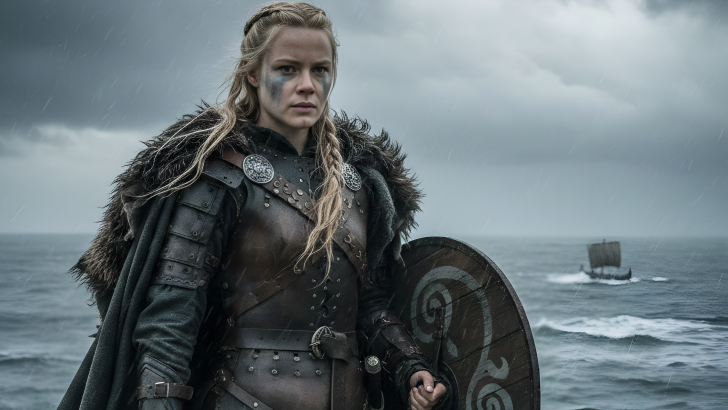
The Viking Age is often remembered for fierce warriors, daring voyages, and legendary heroes, but some of the most fascinating figures come from stories that blend history and legend.
Among them stands Lagertha, a fearless shieldmaiden whose name has survived for centuries through chronicles, folklore, and modern retellings.
She was described as a warrior, a leader, and a woman who refused to accept the limits placed on her by society.
Whether every detail of her life is historically accurate or partly legendary, her story reflects the strength and independence admired in Norse culture.
From the battlefield to positions of power, Lagertha represents courage, loyalty, and determination.
The following facts explore the many sides of this remarkable woman and explain why her story continues to capture attention today.
1. A Legendary Shieldmaiden Who Fought Like a Warrior
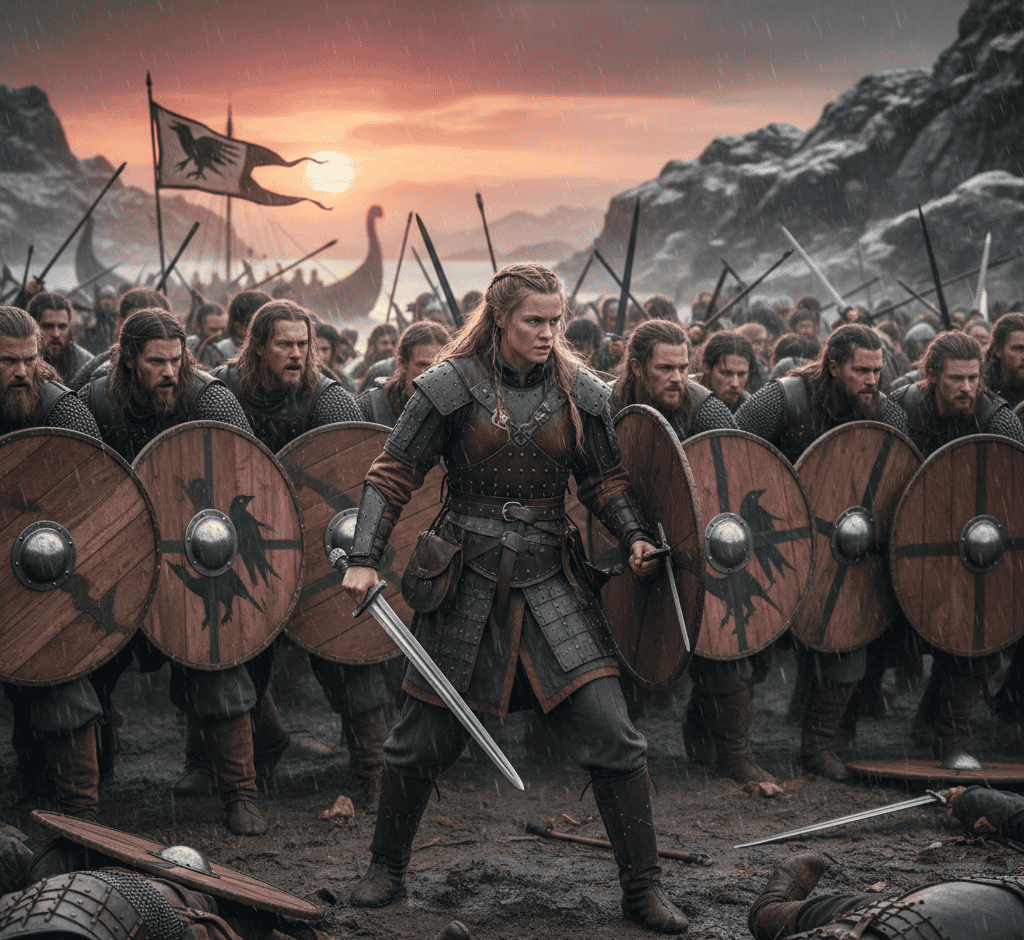
Lagertha is best known as a shieldmaiden, a woman who fought alongside men in battle.
According to the Danish historian Saxo Grammaticus, she was one of several women who dressed as warriors and helped defend their people during a conflict.
Her bravery and skill in combat impressed many, especially the famous Viking leader Ragnar.
The idea of women fighting was unusual in many cultures, but Norse stories often mention strong and independent women.
Whether Lagertha was a real historical person or a symbolic character, her story reflects the Vikings’ respect for courage and strength.
Her image as a fearless fighter has made her one of the most famous female warriors in legend and popular culture.
2. She Played a Key Role in Ragnar’s Success
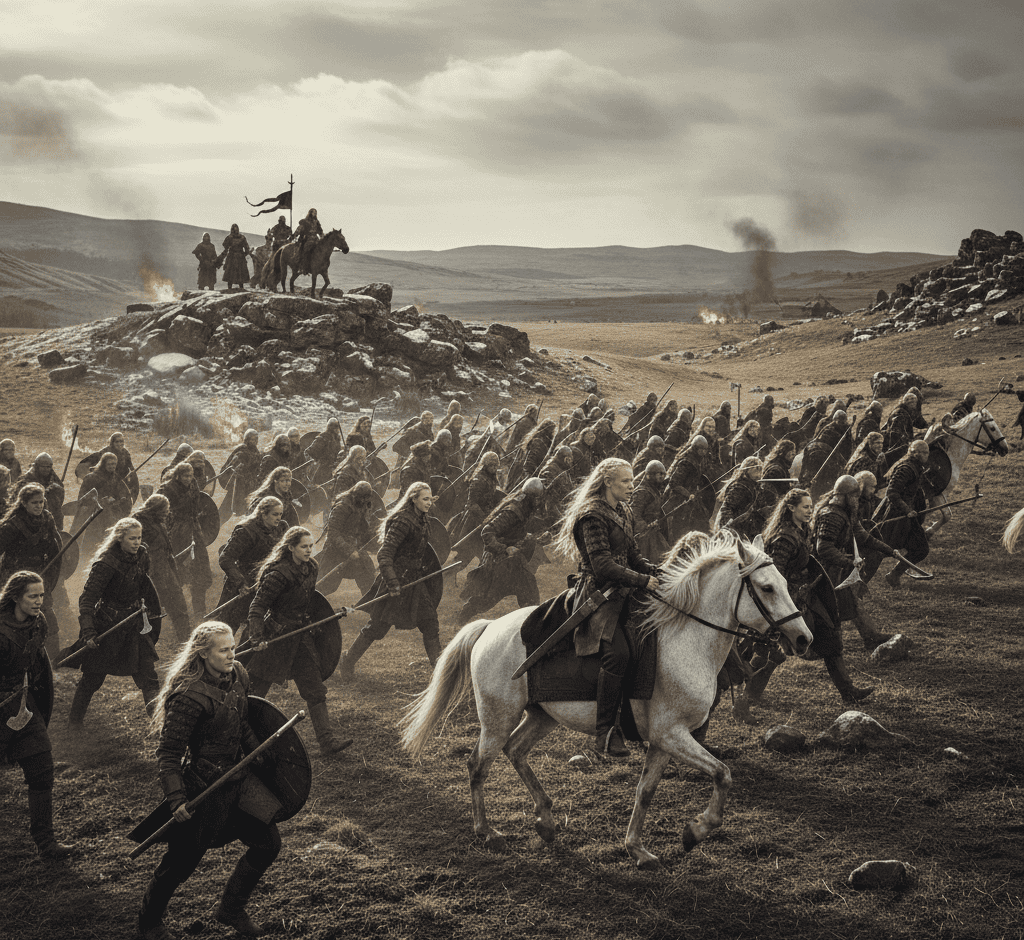
One of the most important parts of Lagertha’s story is her connection to Ragnar.
When Ragnar needed help reclaiming his position and defeating his enemies, Lagertha answered his call and brought warriors with her.
During the battle, her actions helped turn the tide and secure victory. Some stories describe her attacking from the side and surprising the enemy, showing both bravery and strategic thinking.
Ragnar admired her strength and leadership, which later led to their marriage.
This part of the legend highlights that Lagertha was not only a fighter but also a valuable ally and commander.
Her role in Ragnar’s success shows that her influence went beyond personal bravery and extended to military leadership.
3. A Marriage Built on Strength and Independence
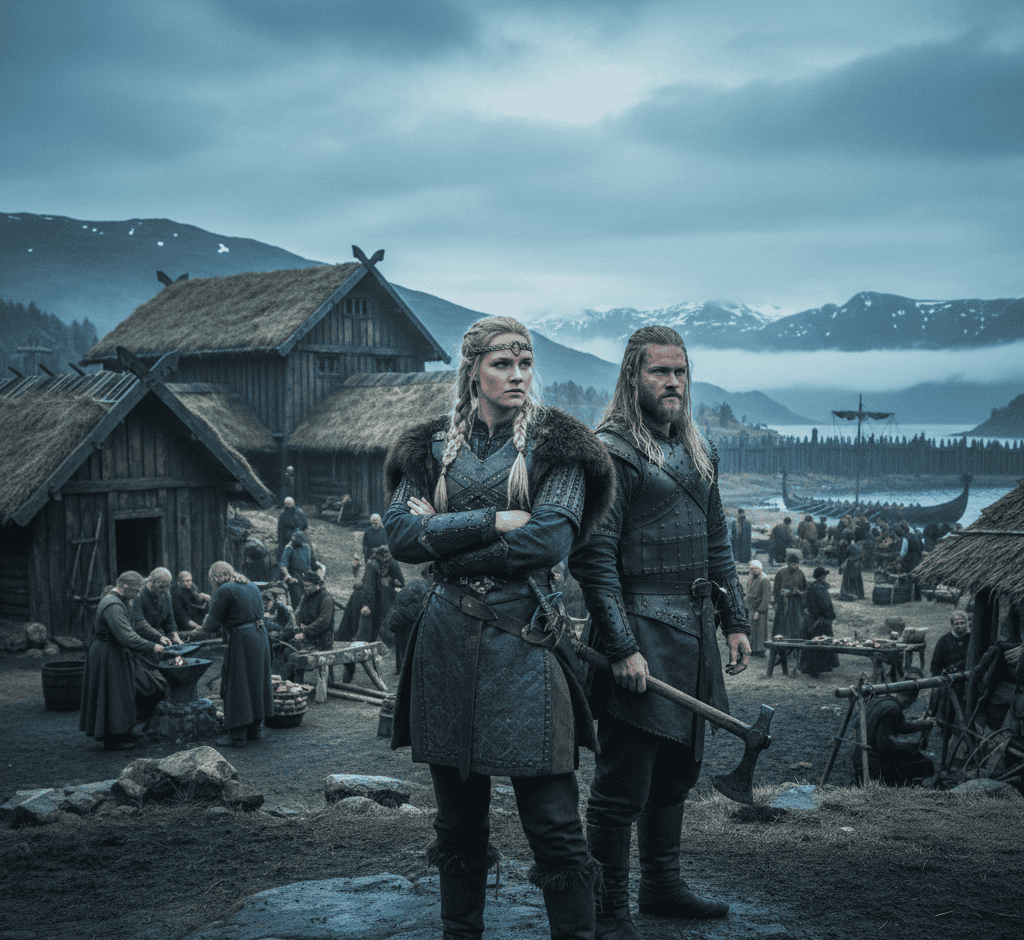
After fighting together, Lagertha and Ragnar were said to have married. However, their relationship was not a traditional one based on obedience or dependence.
Lagertha was described as strong-willed and independent, qualities that defined her character throughout her story.
In some versions of the legend, Ragnar later left her to marry another woman of higher status.
Instead of fading into the background, Lagertha returned to her homeland and continued to build her own power and reputation.
This part of her story shows that her identity was not tied to her husband’s position.
She remained a strong leader and warrior in her own right, reflecting the Norse admiration for personal strength and resilience.
4. She Became a Ruler in Her Own Right
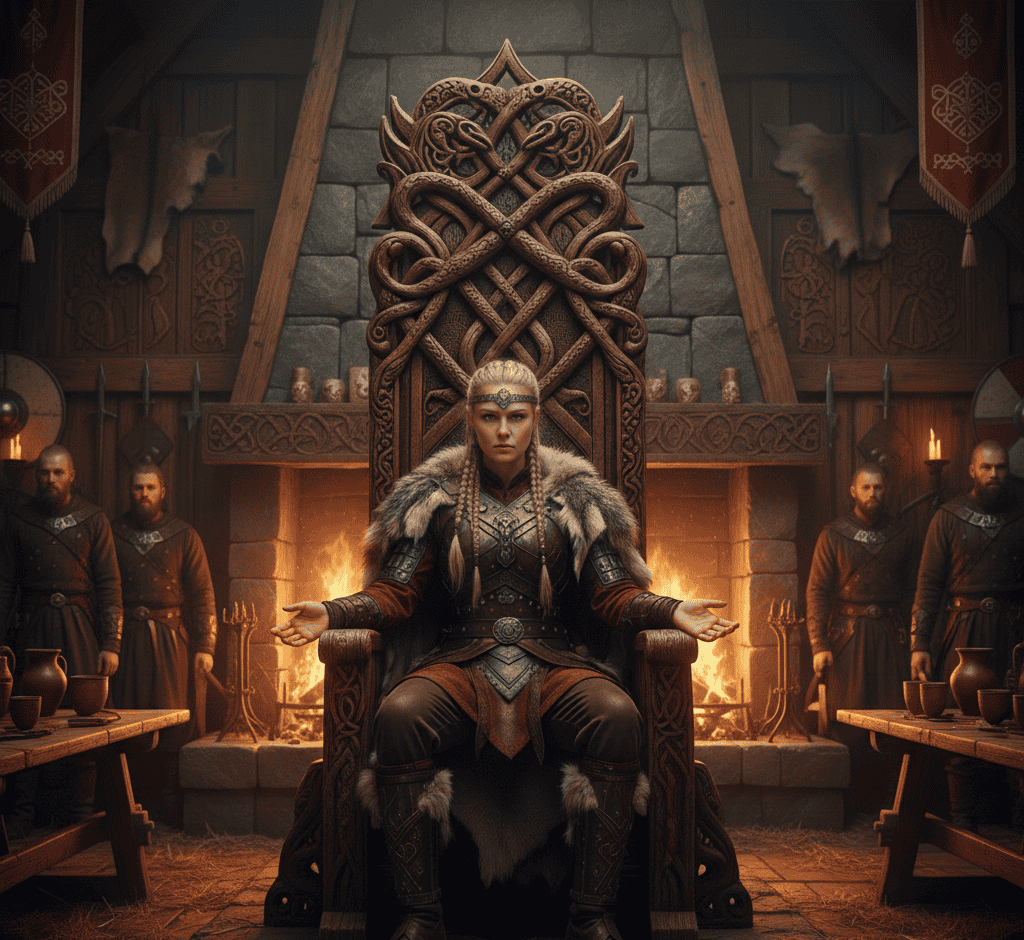
After her separation from Ragnar, Lagertha did not disappear from history or legend. Instead, she returned home and eventually became a ruler.
Saxo Grammaticus describes her as governing her lands with confidence and authority.
This detail is important because it shows that her leadership abilities were recognized beyond the battlefield.
Viking society allowed some women to hold property and power, and Lagertha’s story represents this possibility at its strongest level.
As a ruler, she was responsible for protecting her people, managing resources, and maintaining order.
Her transition from warrior to leader adds another layer to her character and shows that her strength was not limited to combat alone.
5. A Clever and Strategic Mind
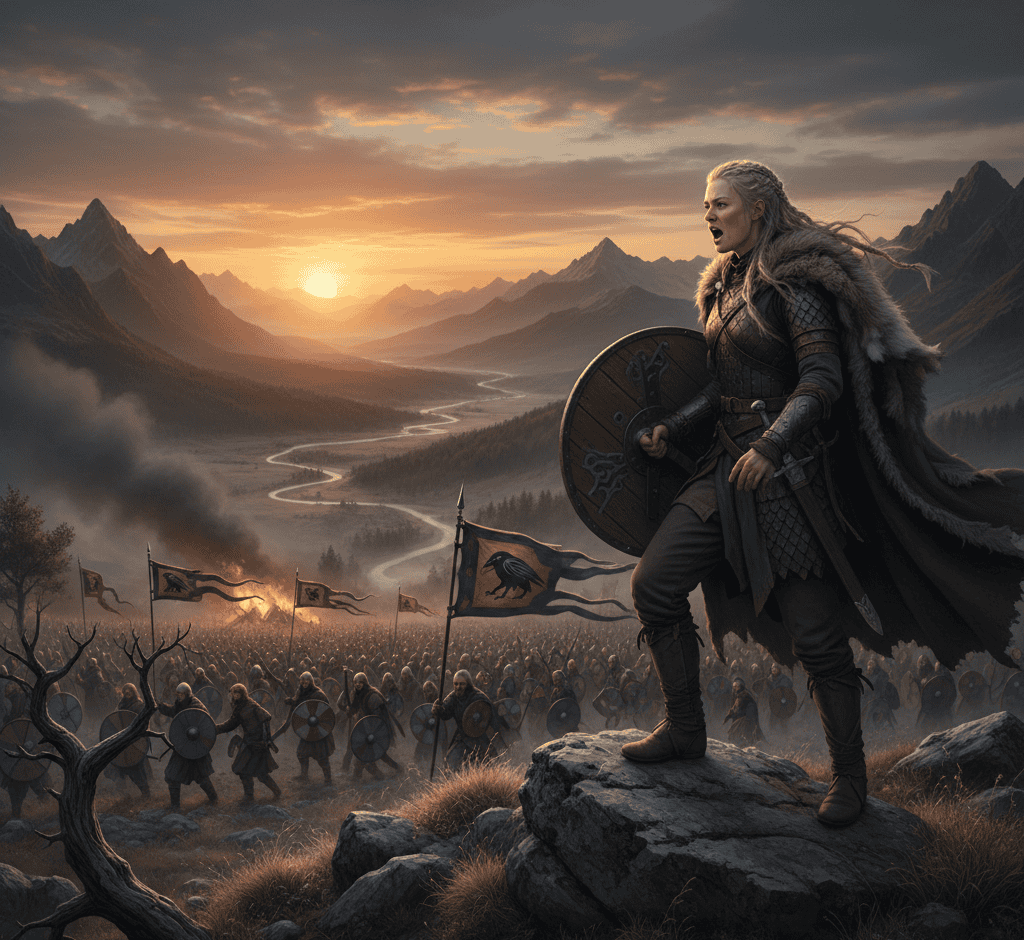
Lagertha was not only brave but also intelligent and strategic. One famous story tells how she used an unexpected tactic during a battle by leading an attack from the rear, catching the enemy off guard.
This move helped secure victory and demonstrated her ability to think quickly under pressure.
Viking success often depended on clever planning as much as physical strength, and Lagertha’s actions fit this tradition.
Her reputation as a tactician adds depth to her legend and shows that she was respected for her mind as well as her courage.
This combination of intelligence and bravery helped build her lasting reputation as a complete and capable leader.
6. Her Story Was Recorded by Medieval Historians
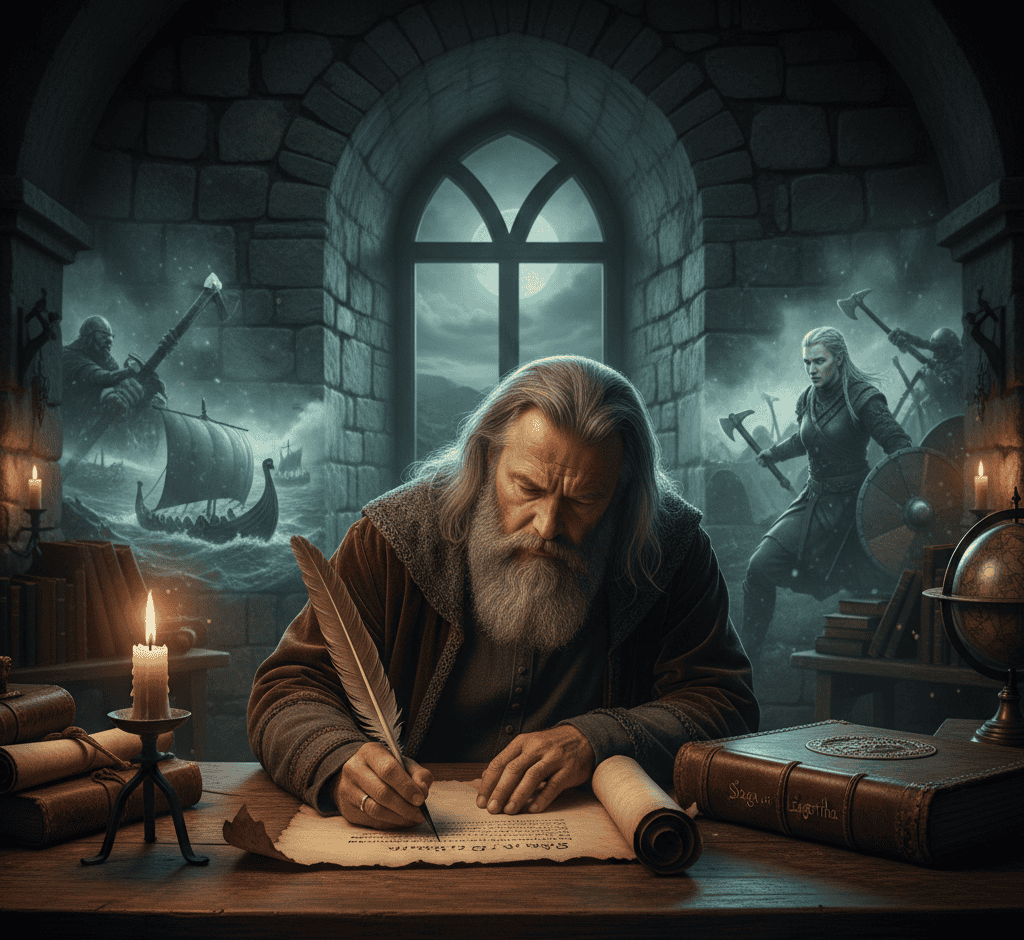
Most of what we know about Lagertha comes from the writings of Saxo Grammaticus, a Danish historian from the twelfth century.
In his work Gesta Danorum, he collected stories about Denmark’s early heroes and rulers.
While his writings mixed history with legend, they helped preserve the story of Lagertha for future generations.
Because the events were recorded long after they were said to have happened, historians debate how much is factual.
Still, the inclusion of her story in such an important work shows that her legend was widely known and respected. Without Saxo’s writing, the name Lagertha might have been lost to time.
7. A Symbol of Strong Women in Norse Culture
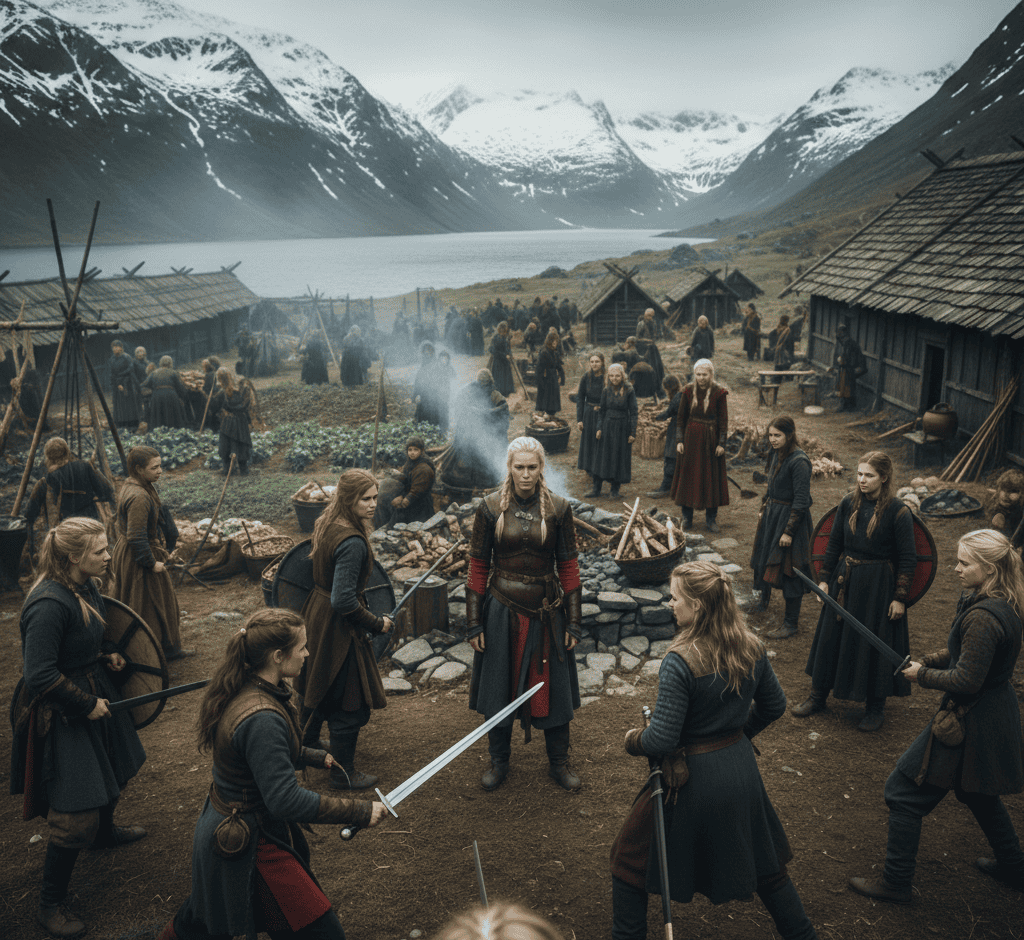
Whether she was a real person or a legendary figure, Lagertha represents the powerful role women could hold in Norse stories.
Viking women were often portrayed as strong, independent, and capable of managing homes, property, and even defense when needed.
The shieldmaiden figure became a symbol of courage and determination. Lagertha stands out because her story combines many roles, including warrior, wife, leader, and ruler.
She reflects the cultural respect for strength and loyalty rather than strict gender limits.
Today, her legend continues to inspire interest in the lives and possibilities of women in the Viking world and the values that shaped their society.
8. Her Legacy Lives On in Modern Culture
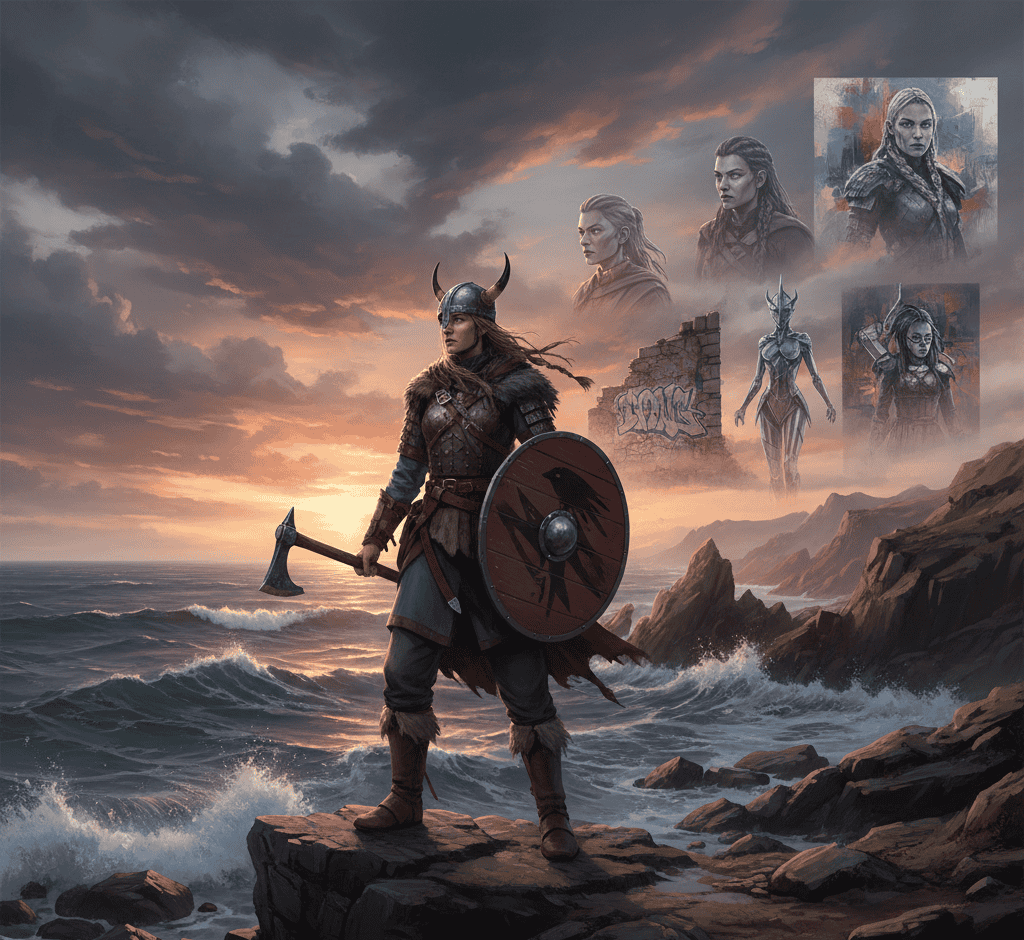
Lagertha’s story did not end in medieval writings. In recent years, she has become widely known through books, films, and television series.
Modern portrayals have brought her character to a global audience and helped renew interest in Viking history and mythology.
While these versions often add dramatic elements, they keep the core image of a brave and independent woman.
Her popularity today shows how powerful her story remains and how strongly people connect with characters who show courage and determination.
Lagertha’s lasting legacy proves that legendary figures can continue to inspire long after their stories were first told, keeping the spirit of the Viking Age alive.

私は生まれたときから、常に神との強いつながりを感じていた。作家として、また指導者として、私の使命は、人々が最も暗い時代に愛と幸福と内なる強さを見つけるのを助けることである。