
Across history, people told stories about caves, lakes, volcanoes, and mysterious ruins that were said to lead directly into realms of darkness, death, or lost souls.
These legends often began in places that felt dangerous or impossible to understand. Deep pits released poisonous gases.
Volcanoes exploded with fire. Strange sounds echoed from underground caverns. To ancient people, locations like these felt supernatural and frightening.
Over time, myths transformed these places into legendary gateways to hell, the underworld, or worlds hidden beneath human reality.
Here are eight famous places that folklore and mythology are connected to entrances into the realm of the dead.
1. The Gates of Hades in Greece
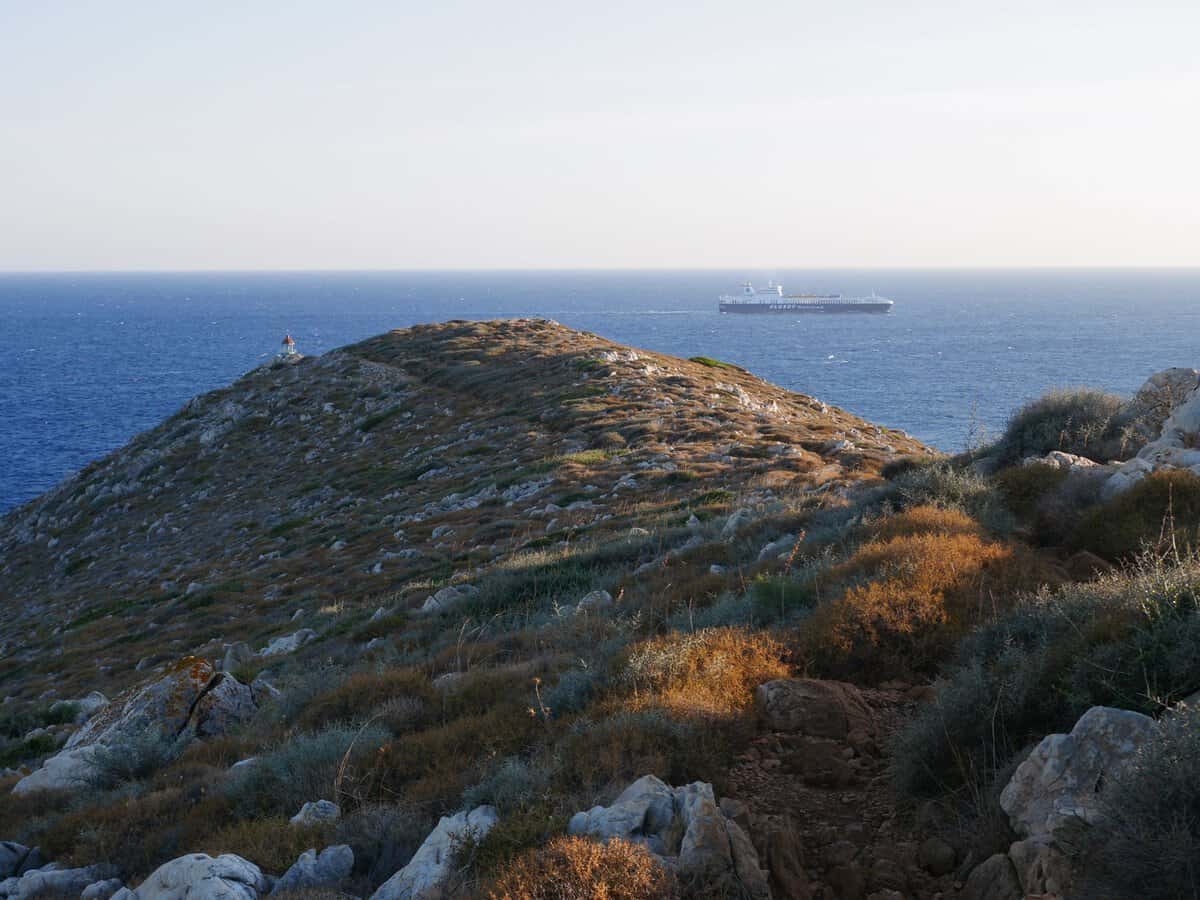
Hades was believed by the ancient Greeks to exist beneath the earth, and several locations in Greece were thought to be entrances into this dark realm.
One famous example was a cave system near Cape Tainaron, where people believed souls could pass into the underworld after death.
The deep caves, darkness, and strange atmosphere made the place feel terrifying and mysterious.
Ancient visitors often described these locations with fear because they seemed separated from the normal world above.
For the Greeks, entering such places symbolized crossing the boundary between life and death itself, where ordinary humans no longer fully belonged.
The silence and darkness inside these caves likely made people feel emotionally overwhelmed and spiritually uneasy for generations.
2. The Volcanic Entrance Beneath Mount Etna
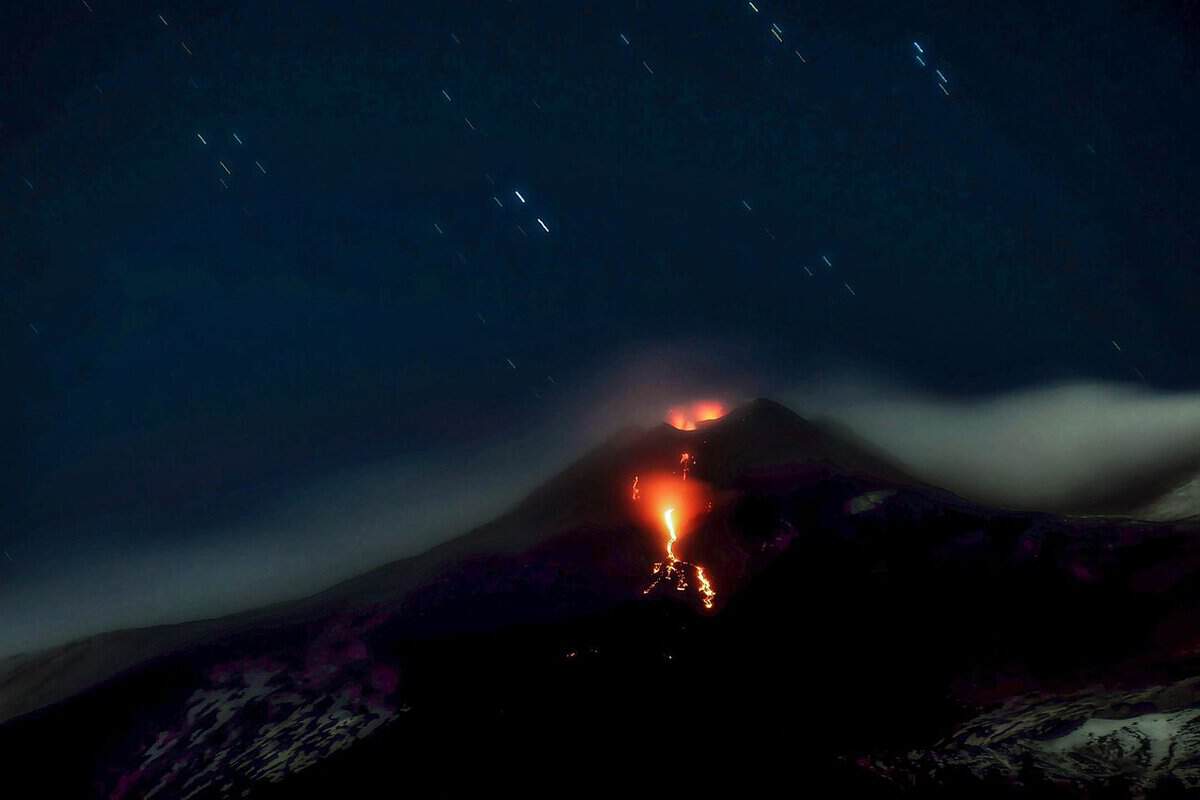
Mount Etna became connected to underworld legends because of its violent eruptions and terrifying rivers of lava.
Ancient people could not fully explain volcanic activity, so many believed enormous supernatural forces lived beneath the mountain.
In some myths, the fires below Etna were linked to imprisoned giants or hidden entrances into hell itself.
The roaring sounds, smoke, and glowing lava created a terrifying image of the earth opening from below.
To ancient societies, volcanoes felt like proof that another dangerous world existed underneath the surface of ordinary human life.
Many believed the mountain itself breathed with the anger of supernatural beings trapped beneath the earth for eternity.
3. Lake Avernus in Ancient Rome
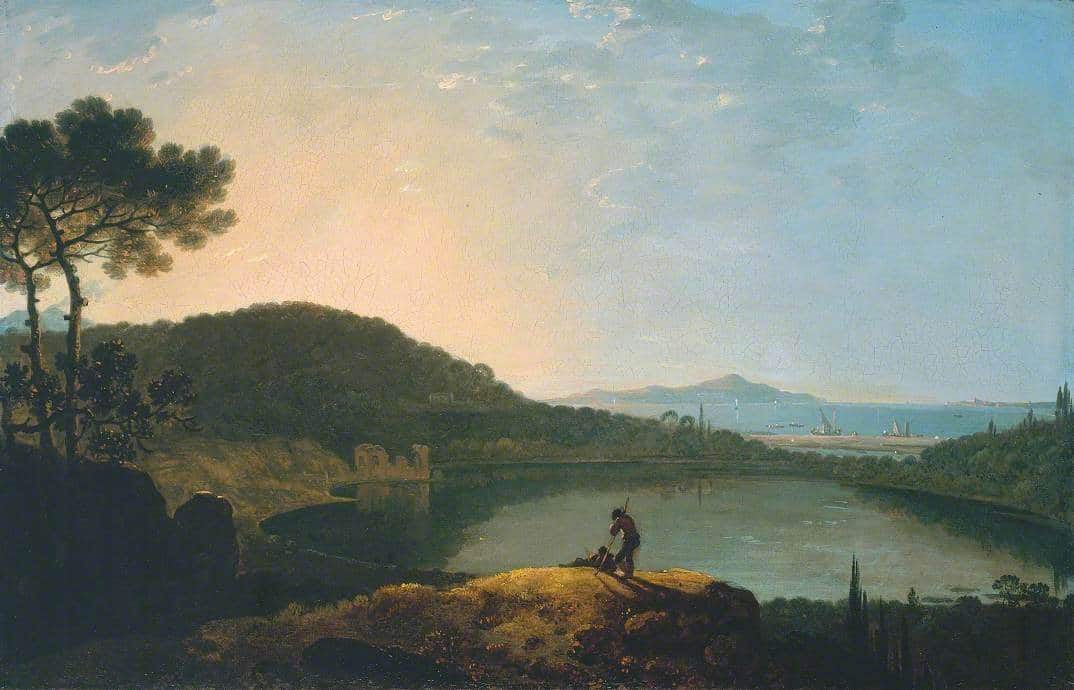
Lake Avernus was feared in ancient Roman mythology because of its dark appearance and strange natural gases rising from the water.
The Romans believed this lake was one of the entrances to the underworld.
Birds flying too close were sometimes said to die from toxic fumes, which only strengthened the terrifying legends surrounding the area.
Its quiet atmosphere and dark waters made it feel separated from ordinary reality.
Ancient writers described the lake as a place where the living could potentially cross into the realm of the dead through hidden spiritual pathways.
The unsettling stillness surrounding the lake likely made visitors imagine unseen spirits waiting beneath the dark water below.
4. The Underworld Cave of Actun Tunichil Muknal
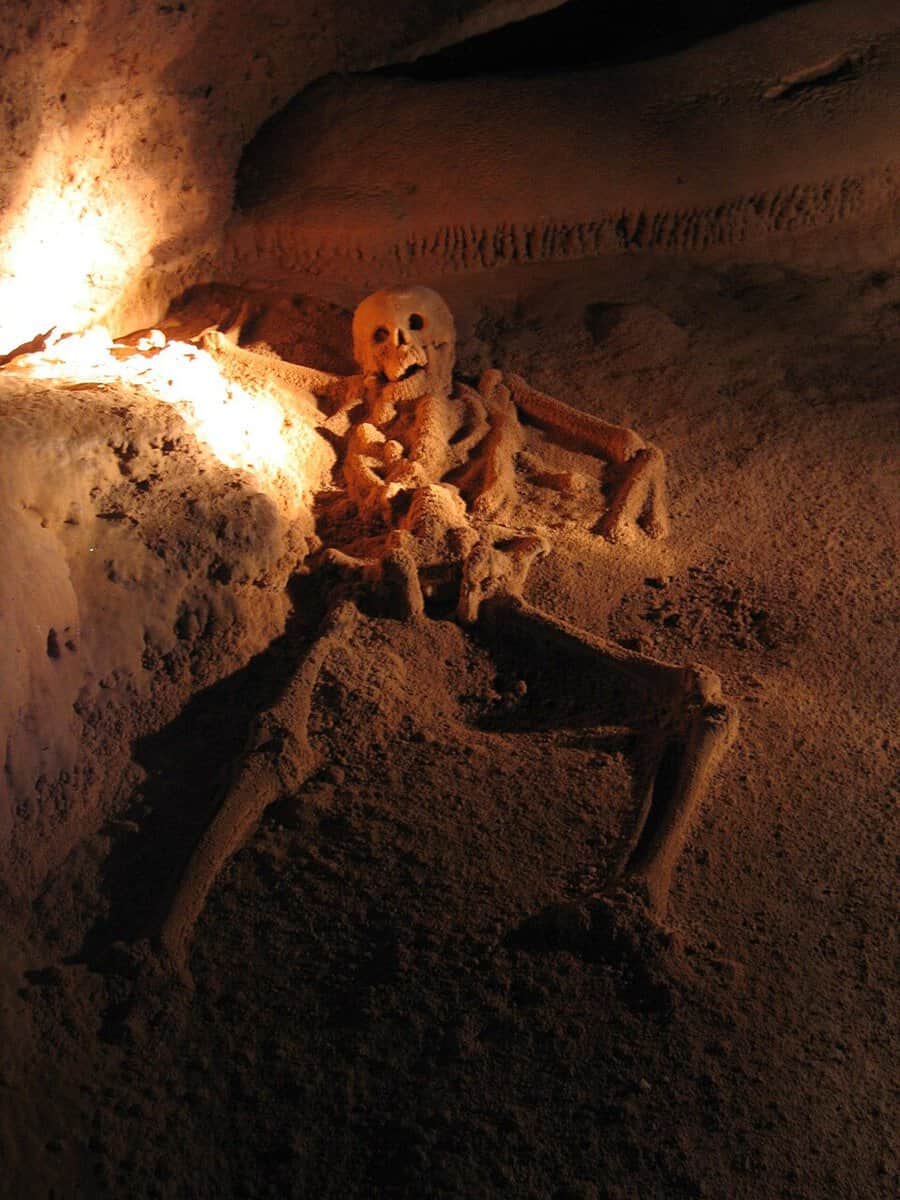
Actun Tunichil Muknal was considered sacred by the ancient Maya and closely connected to the underworld known as Xibalba.
This massive cave system contains dark chambers, underground rivers, and ancient human remains discovered deep inside its tunnels.
To the Maya, caves represented openings into spiritual realms beneath the earth.
The frightening darkness and difficult passageways created a powerful feeling of entering another world entirely.
Ceremonies performed there reflected beliefs about death, sacrifice, and communication with supernatural forces hidden below the human world.
The deeper people traveled into the cave, the more disconnected they likely felt from ordinary life and sunlight above.
5. Houska Castle and the “Bottomless Pit”
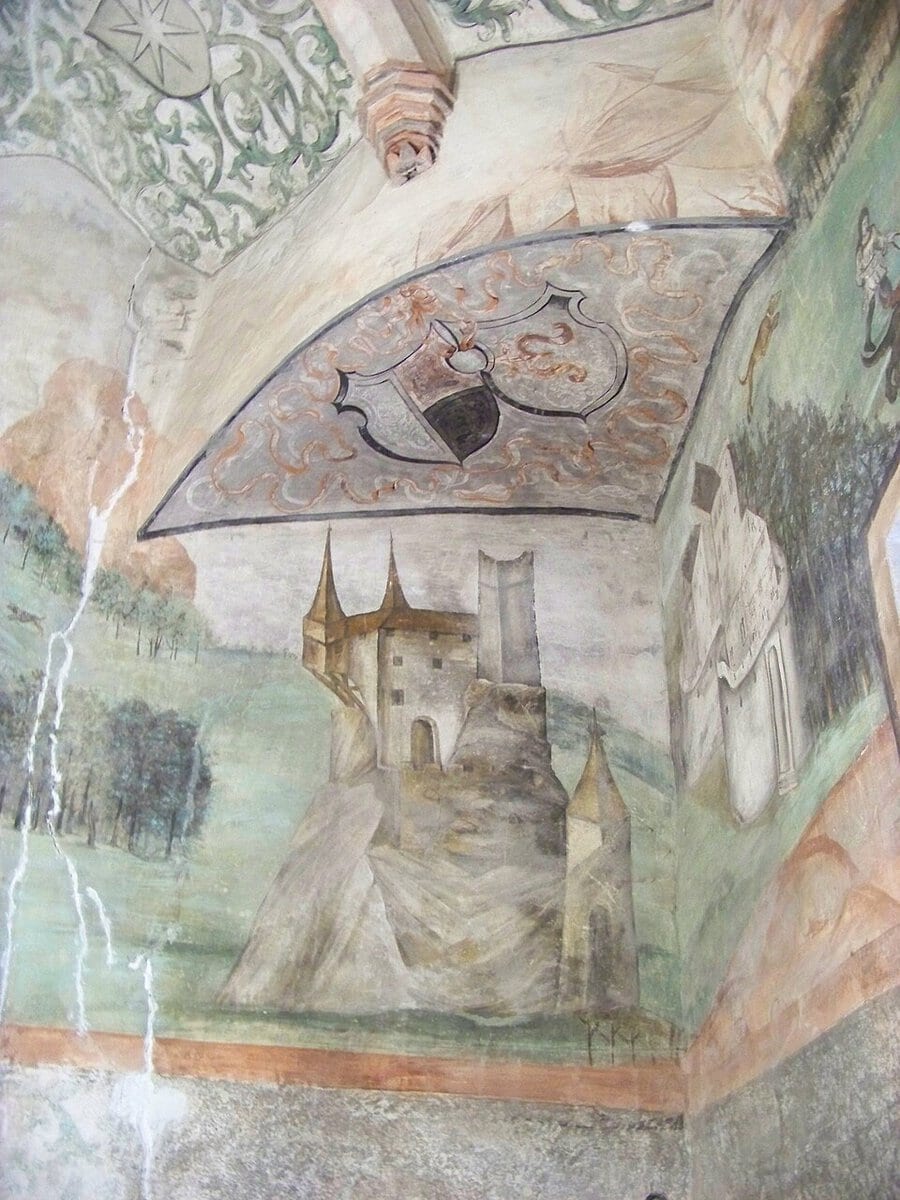
Houska Castle became famous through legends claiming it was built over a gateway to hell.
According to folklore, a deep pit beneath the castle emitted strange sounds and terrifying visions.
Stories claimed creatures emerged from the opening before the castle was constructed to seal it.
The isolated location and unusual architecture added to the mystery surrounding the site.
Whether true or not, the legends reflect how people often connected unexplained places with fears about evil forces hidden beneath the earth waiting to escape.
The castle’s strange atmosphere still attracts visitors fascinated by stories of darkness, supernatural fear, and hidden worlds below humanity.
6. The Fiery Crater Known as the Door to Hell
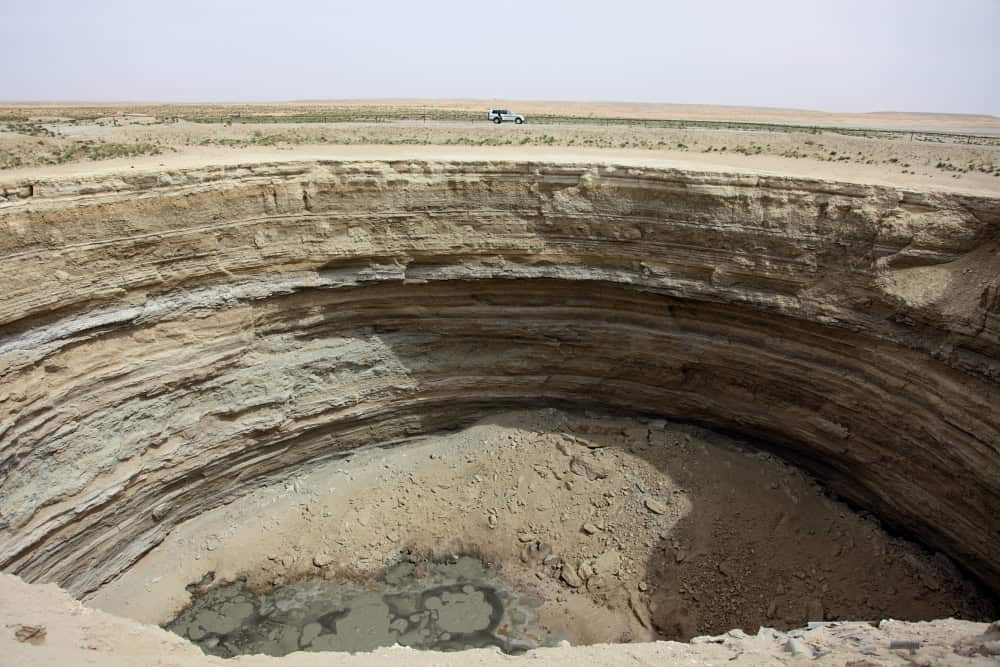
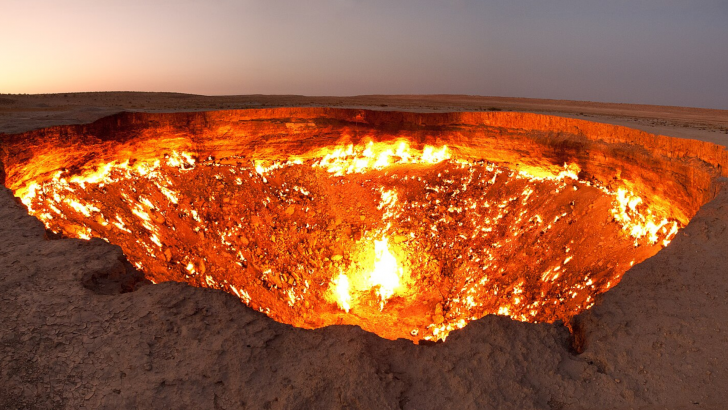
Darvaza Gas Crater is sometimes called the “Door to Hell” because of the enormous fire burning continuously inside the crater.
Although modern science explains it as a gas fire accident, the sight feels almost supernatural.
Flames rise endlessly from a giant opening in the ground surrounded by darkness and desert emptiness.
For many people, it resembles ancient descriptions of a fiery underworld hidden beneath the earth’s surface.
Its terrifying appearance shows why humans throughout history connected fire, darkness, and deep openings in the ground with legends about hell and punishment.
Standing near the crater likely feels surreal, as if the earth itself has opened to reveal endless fire below.
7. Fengdu, the Ghost City of China
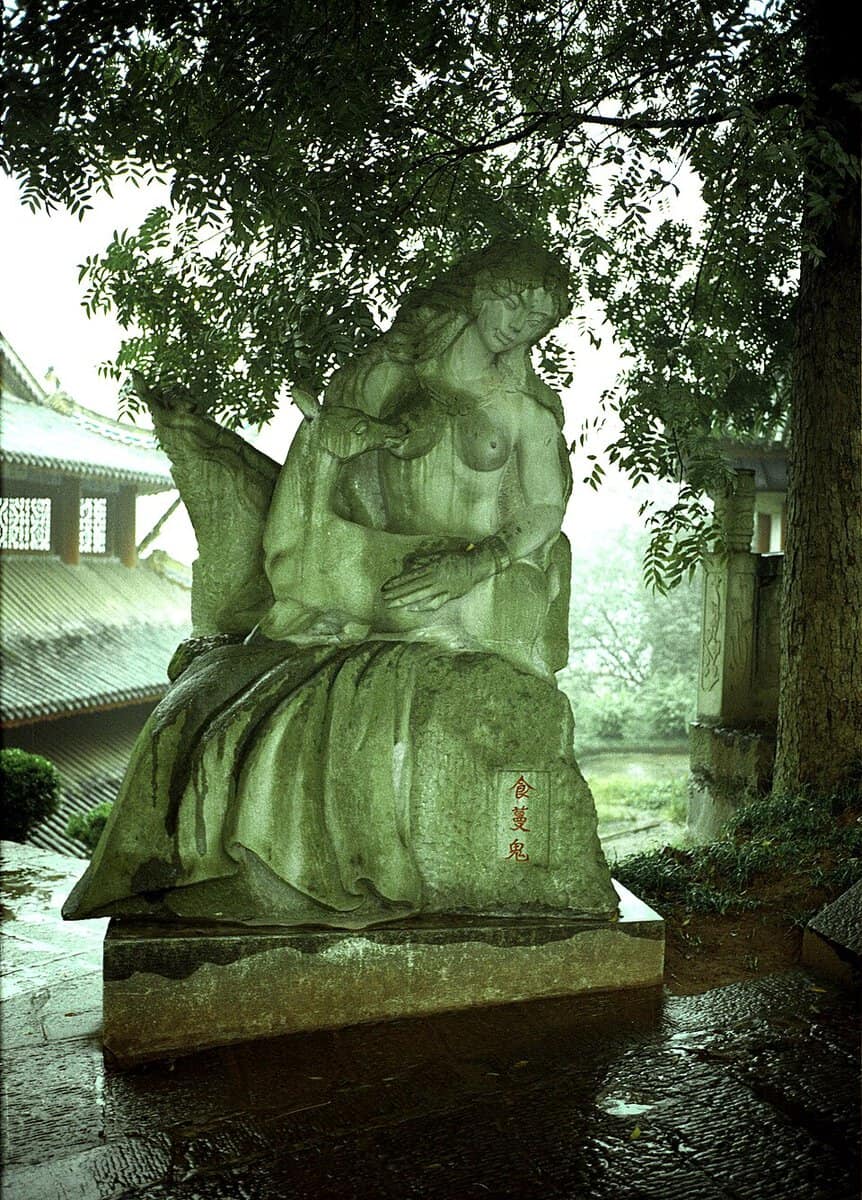
Fengdu Ghost City became famous in Chinese folklore as a symbolic entrance into the world of spirits and the dead.
Ancient traditions connected the city with judgment after death and spiritual testing in the afterlife.
The site contains statues, temples, and terrifying imagery connected to punishment and wandering souls.
Visitors walk through symbolic paths meant to represent the soul’s journey after death.
The atmosphere combines mythology, religion, and fear of the unknown in ways that still fascinate people today.
Many legends describe the city as a place where spirits are judged before entering deeper realms beyond the human world.
8. The Cenotes Linked to the Maya Underworld
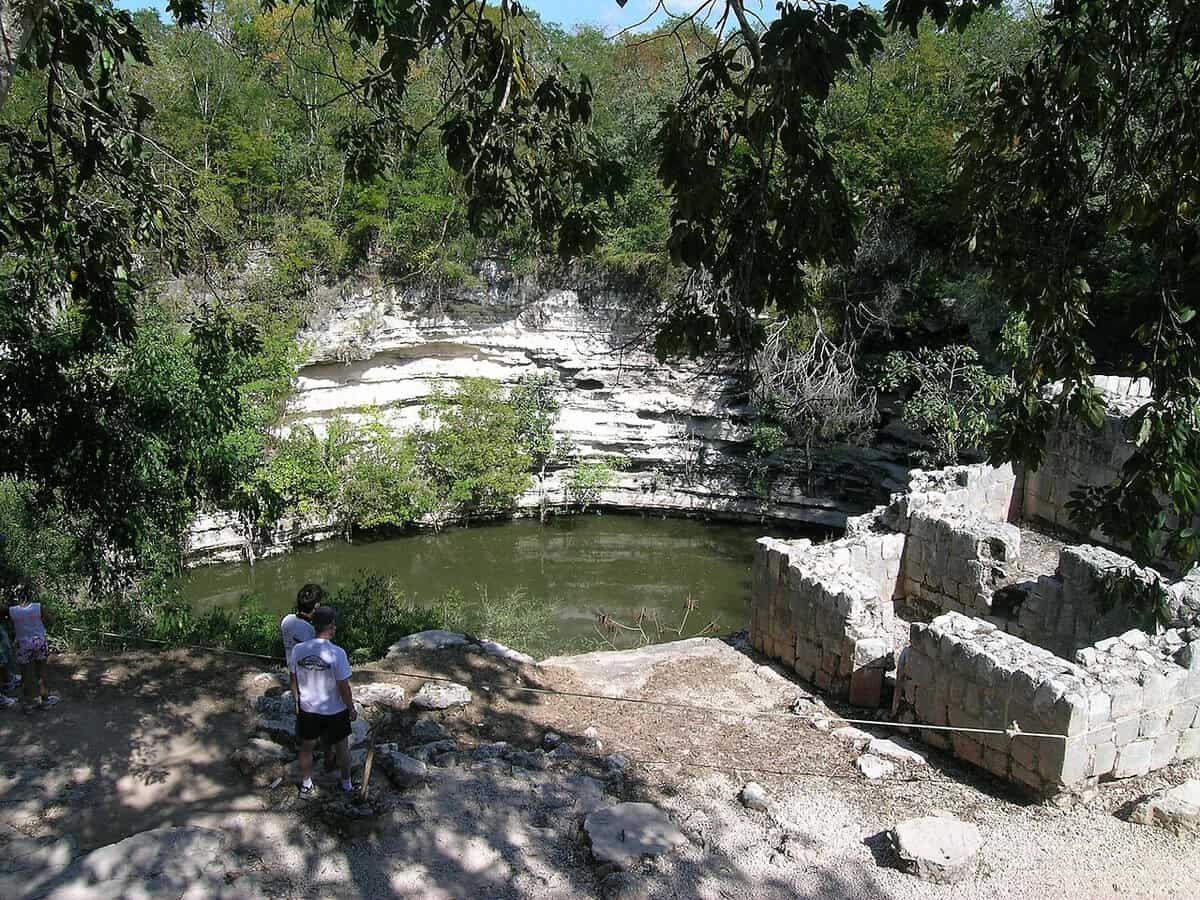
The ancient Maya believed certain cenotes, or natural sinkholes filled with water, connected directly to Xibalba, the underworld realm of spirits and death.
These deep openings appeared mysterious because they descended far beneath the earth into darkness and hidden water systems.
Some cenotes were used for rituals and sacred ceremonies connected to gods and the afterlife.
The still water and deep shadows created an atmosphere filled with mystery and spiritual fear.
For the Maya, these places represented boundaries between ordinary life and hidden supernatural worlds existing beneath human understanding and physical reality.
The silent depths of the cenotes likely made them feel like endless openings into another terrifying and sacred dimension.

私は生まれたときから、常に神との強いつながりを感じていた。作家として、また指導者として、私の使命は、人々が最も暗い時代に愛と幸福と内なる強さを見つけるのを助けることである。