
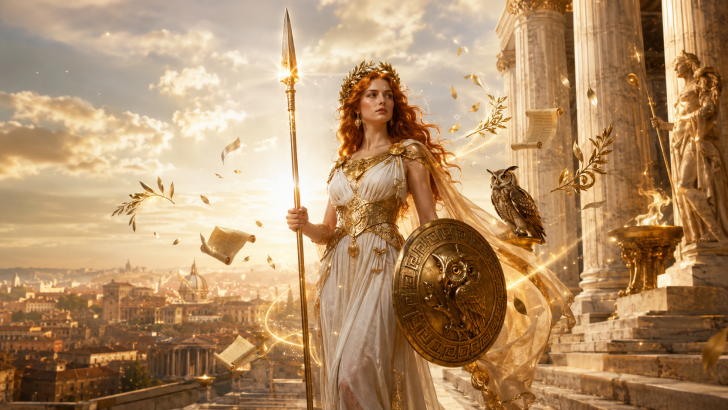
While many Roman gods were associated with war, power, or nature, Minerva stood out because of her connection to wisdom, knowledge, strategy, and skilled craftsmanship.
She was admired not only by rulers and scholars but also by artists, teachers, builders, and everyday citizens who valued intelligence and learning.
Minerva played an important role in Roman religion and culture for centuries.
Her influence extended far beyond books and education. She was associated with practical wisdom, creative talents, military strategy, and the pursuit of excellence in many areas of life.
Because of these qualities, Minerva became one of the most honored goddesses in the Roman world.
Here are ten fascinating facts about Minerva, the Roman goddess of wisdom.
1. She Was the Goddess of Wisdom
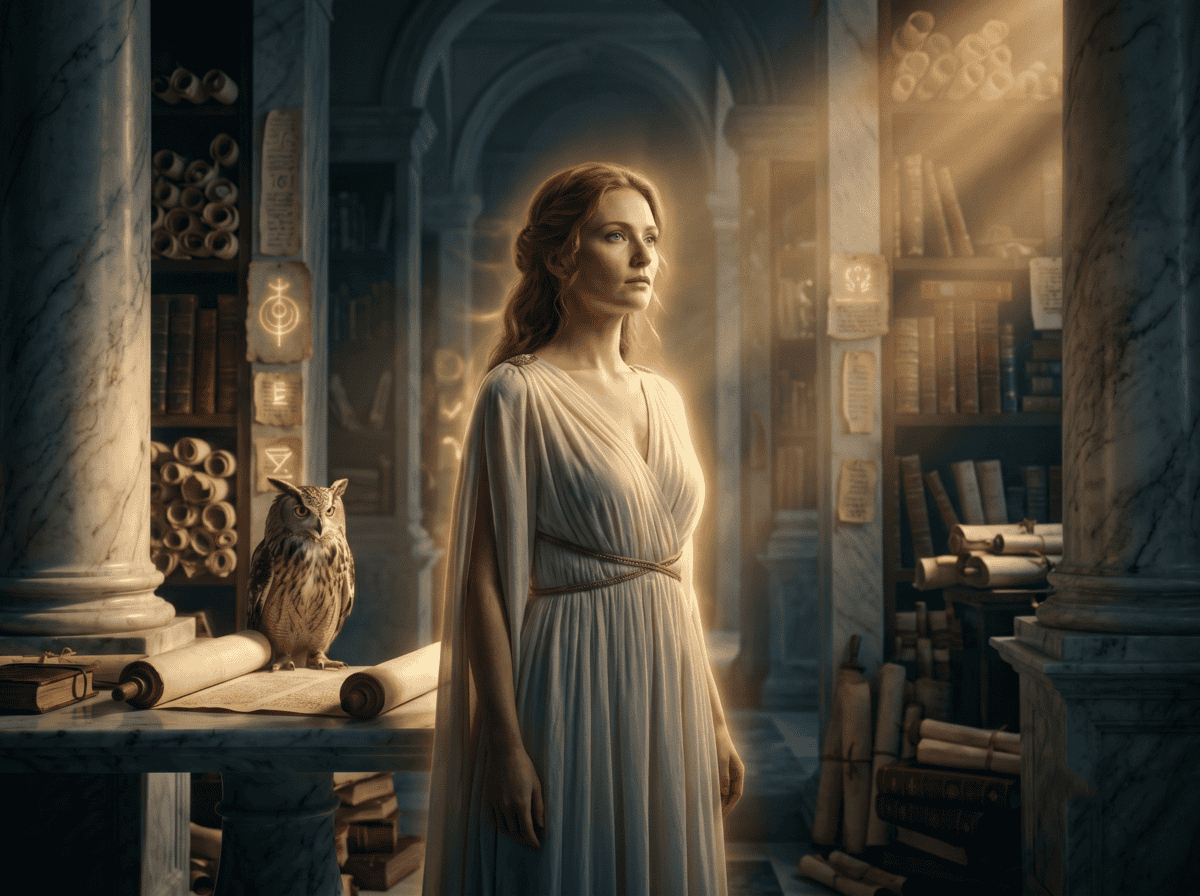
Minerva was best known as the goddess of wisdom. The Romans saw her as a source of intelligence.
Unlike gods associated primarily with physical strength, Minerva represented the power of the mind.
People often looked to her as a symbol of learning and understanding.
Her wisdom was believed to help individuals navigate challenges and make better choices.
Because wisdom was valued in government, education, and daily life, Minerva held an important place within Roman society.
Her influence encouraged people to think carefully before acting and to seek knowledge throughout life.
2. She Was Part of Rome’s Most Important Divine Trio

Minerva belonged to the Capitoline Triad, the three most important deities in the Roman religion.
The triad included Jupiter, Juno, and Minerva. Together, these gods were honored as protectors of Rome and its people.
Being included in this powerful group shows how highly Minerva was regarded.
She was not considered a minor deity but one of the central figures of Roman worship.
Her presence alongside Jupiter and Juno elevated her status throughout the empire.
This position helped ensure that her influence remained strong for generations.
3. She Was Associated With Skilled Crafts
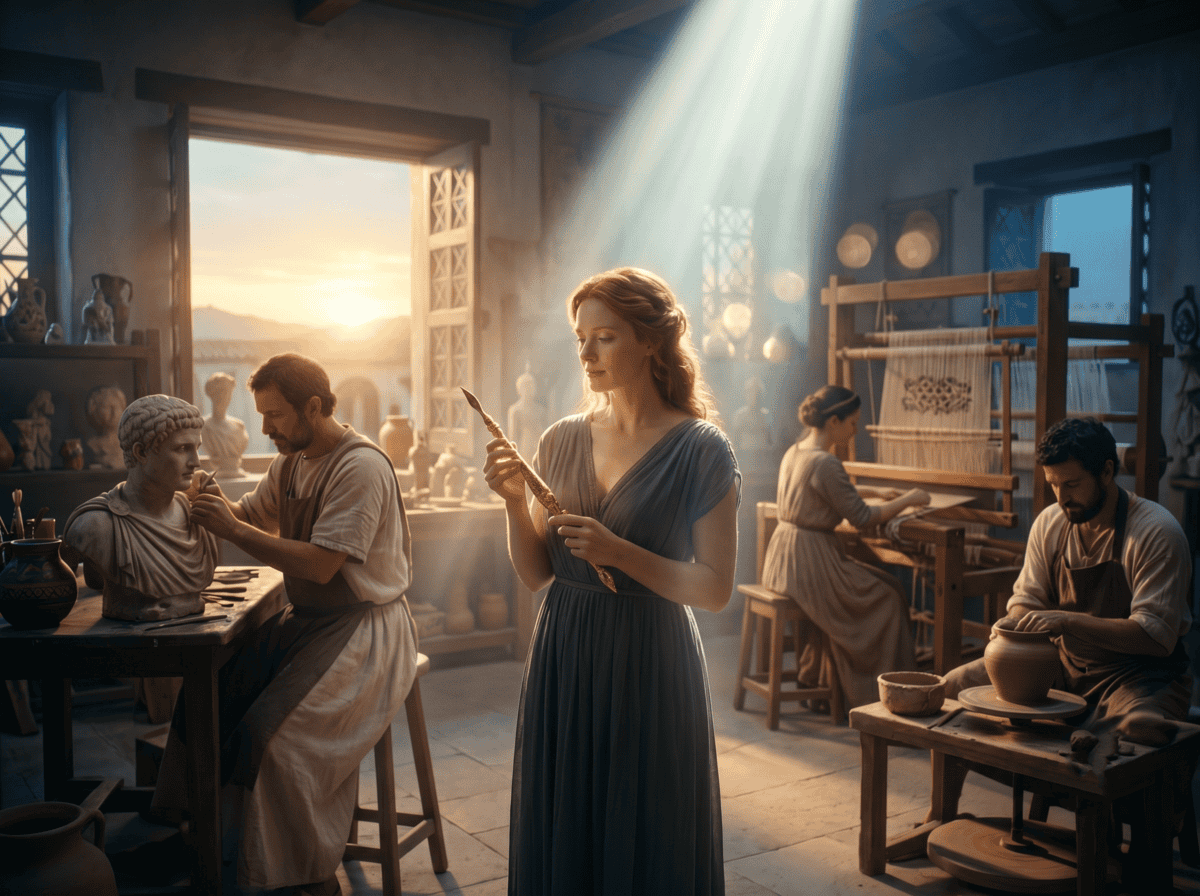
Minerva was closely connected to craftsmanship and skilled work.
Artists, sculptors, weavers, builders, and artisans often viewed her as their patron goddess.
The Romans admired creativity, precision, and technical skill. These qualities were believed to reflect Minerva’s influence.
People prayed to her for success in their work and for the ability to master difficult crafts.
Her association with craftsmanship highlights the Roman belief that intelligence and creativity often work together.
She became a symbol of excellence in both artistic and practical pursuits.
4. She Was Linked to Strategic Warfare
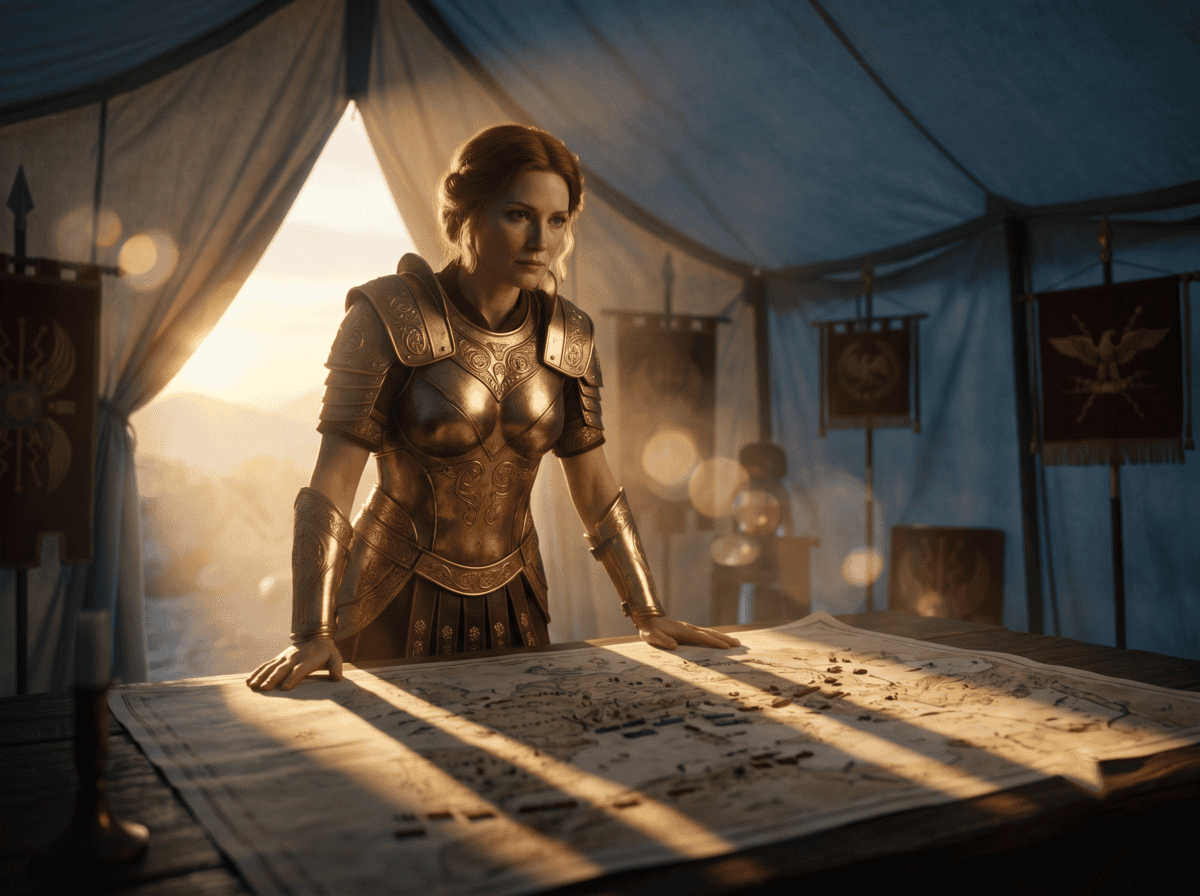
Although Minerva was associated with war, her role differed from that of Mars, the Roman god of battle.
Mars represented military power and combat. Minerva represented strategy, planning, and disciplined thinking.
She embodied the wisdom needed to achieve victory, not brute force alone.
This distinction made her especially important to leaders and commanders.
The Romans understood that successful campaigns required intelligence as well as courage.
Minerva’s connection to strategic warfare reinforced her reputation as a goddess of wisdom applied to real-world situations.
5. She Was Inspired by the Greek Goddess Athena
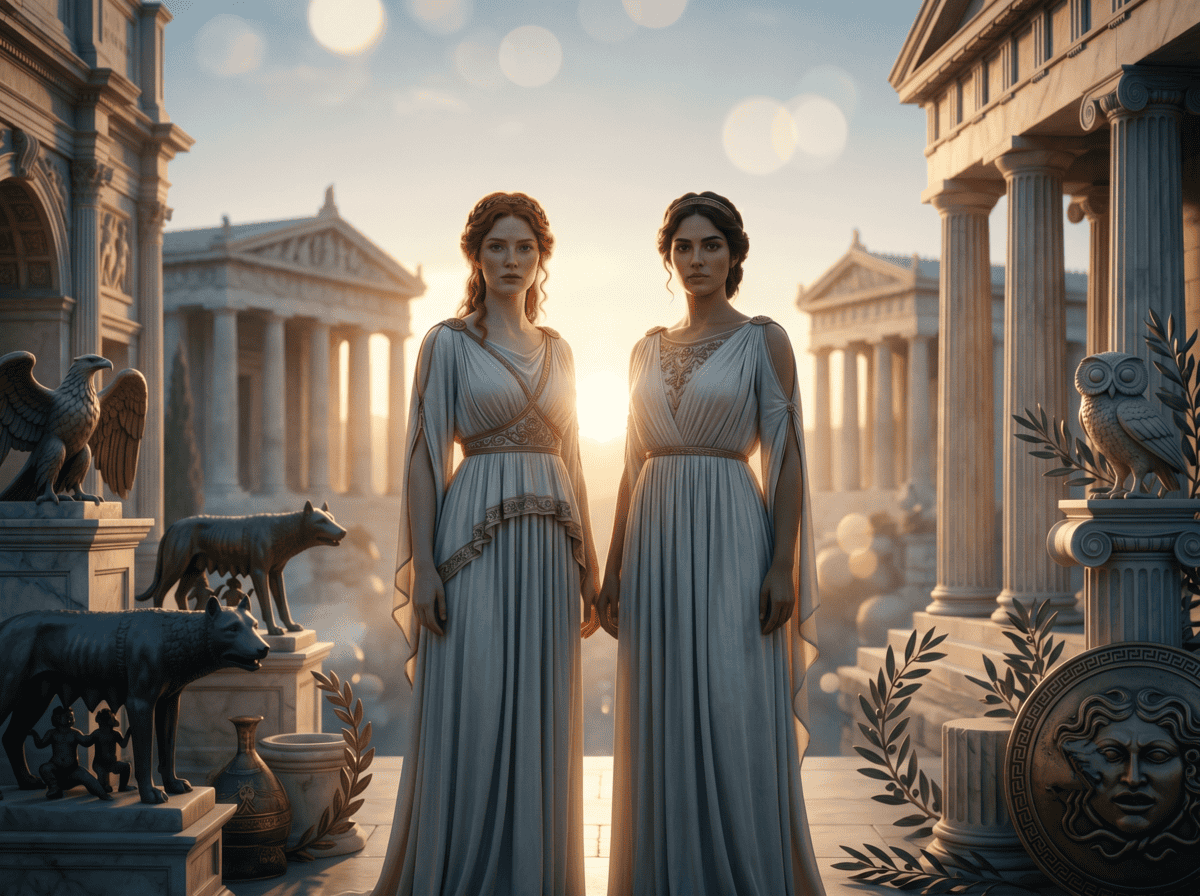
Minerva shares many similarities with the Greek goddess Athena.
As Roman culture interacted with Greek traditions, many stories and attributes became connected.
Both goddesses were associated with wisdom, strategy, craftsmanship, and learning.
However, the Romans adapted these ideas to fit their own religious beliefs and cultural values.
Over time, Minerva developed a distinct identity within Roman mythology.
Her popularity demonstrates how Roman religion often blended influences from different cultures while creating something uniquely Roman.
6. Owls Became One of Her Most Famous Symbols
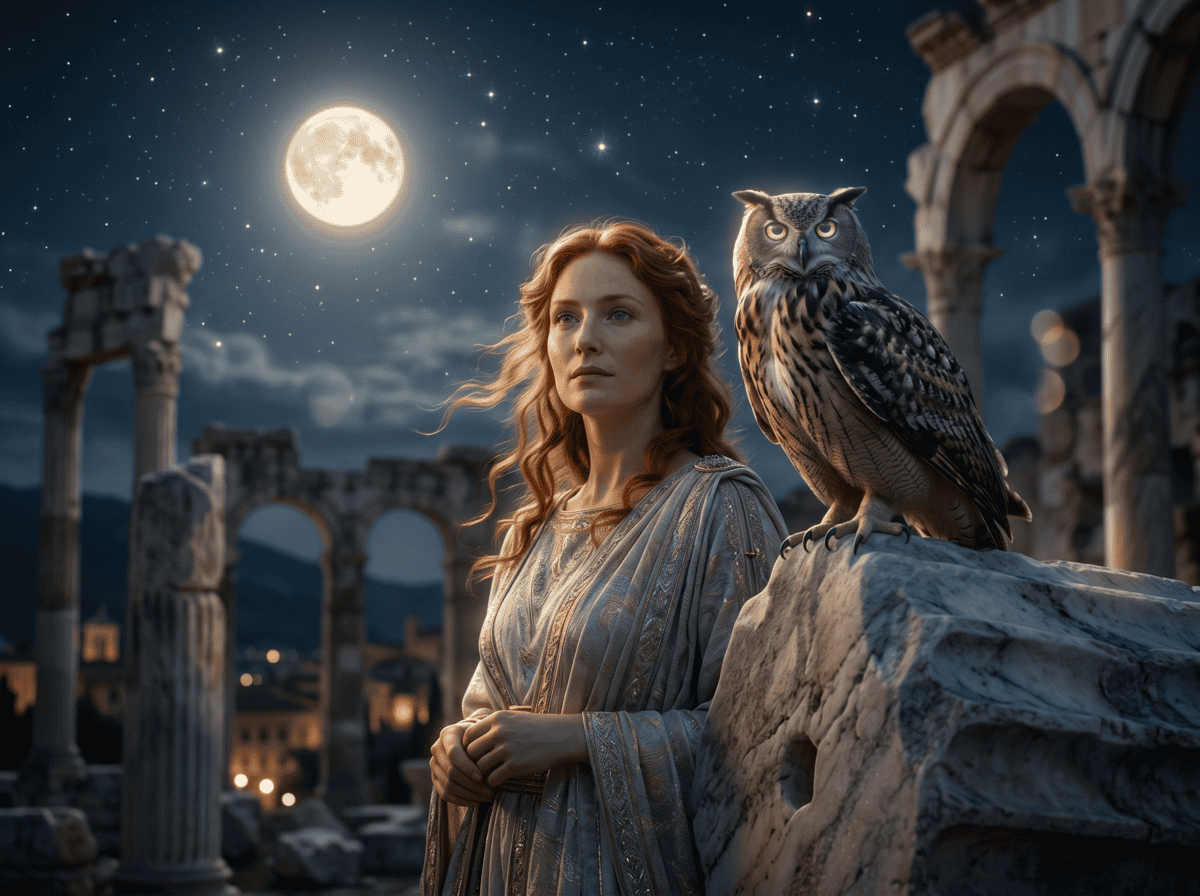
One of the animals most commonly associated with Minerva was the owl.
Because owls were viewed as observant and wise creatures, they became natural symbols of knowledge and understanding.
The owl’s ability to see in darkness made it an especially powerful image. It represented insight and the ability to perceive things others miss.
Artwork and later traditions frequently paired Minerva with an owl.
Even today, owls remain widely recognized symbols of wisdom because of this ancient connection.
The association helped strengthen Minerva’s identity as a goddess of intelligence and learning.
7. She Had a Major Festival Called Quinquatria
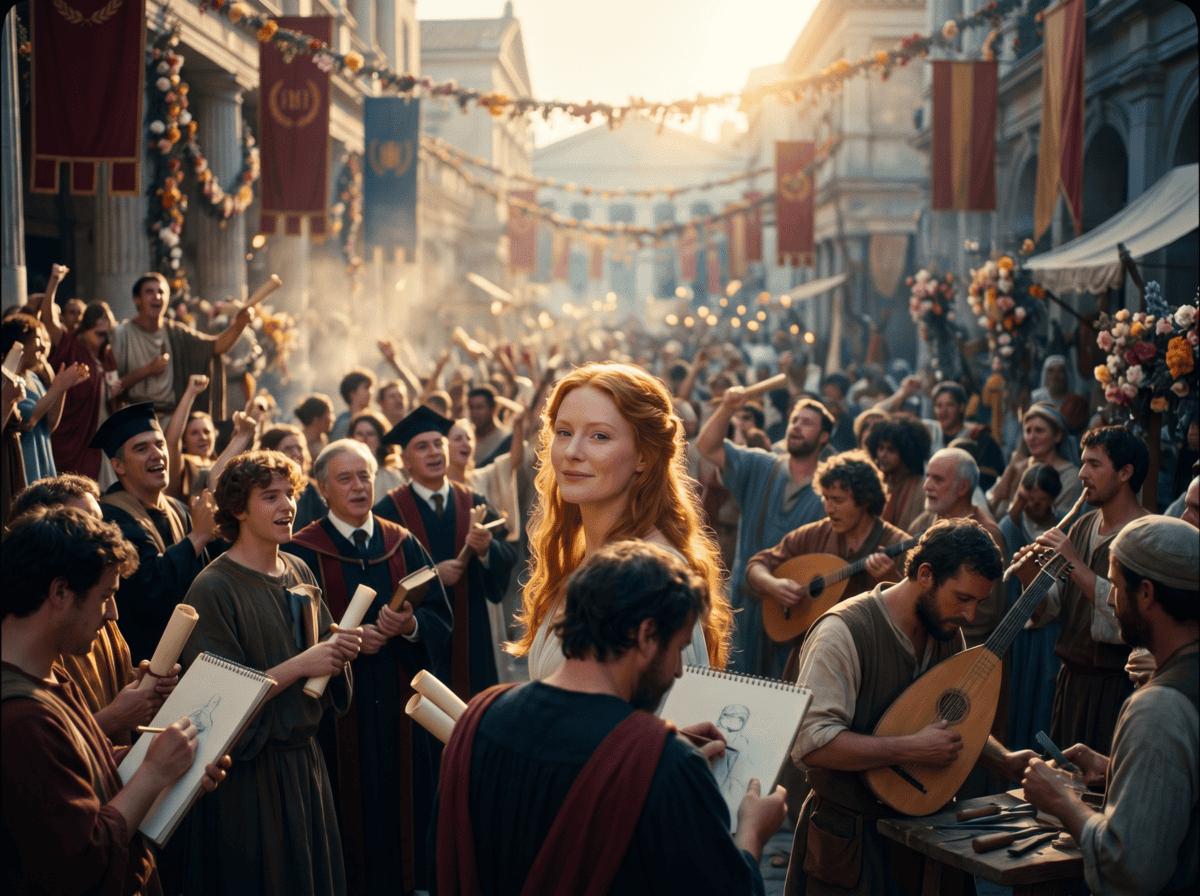
One of the most important celebrations dedicated to Minerva was the festival of Quinquatria.
This event lasted several days and included religious ceremonies, public gatherings, and festivities.
Artists, students, teachers, and craftspeople often participated in the celebrations.
The festival highlighted Minerva’s connection to education and skilled work.
It also demonstrated her importance within Roman society. Large numbers of people honored her during these annual observances.
The popularity of Quinquatria reflects how deeply her influence extended into everyday Roman life.
8. Students and Scholars Honored Her

Because Minerva was associated with wisdom and learning, students frequently viewed her as a special protector.
Teachers, philosophers, writers, and scholars also respected her.
Education played an important role in Roman society, especially among the upper classes.
Minerva became a symbol of intellectual achievement and lifelong learning.
Many people sought her favor when pursuing knowledge or preparing for important studies.
Her connection to education made her particularly relevant to anyone seeking personal growth through learning and discipline.
9. She Represented Both Knowledge and Practical Skills

Minerva’s wisdom was not limited to abstract ideas. She also represented practical knowledge and useful skills.
The Romans admired people who could apply intelligence to real situations.
Whether designing buildings, crafting tools, solving problems, or governing effectively, practical wisdom was highly valued.
Minerva embodied this balance between knowledge and action. This practical aspect contributed greatly to her popularity.
Her symbolism reminded people that learning becomes most powerful when it is applied in meaningful ways.
10. Her Legacy Continues Today

Although ancient Roman religion eventually faded, Minerva’s influence survived.
Her name and symbols continue to appear in literature, education, art, and popular culture.
Many schools, universities, libraries, and academic organizations have adopted her image as a symbol of wisdom.
Artists and writers still draw inspiration from her stories. The owl remains one of the most recognizable symbols of knowledge in the modern world.
Minerva’s lasting legacy demonstrates the timeless value people place on wisdom, learning, creativity, and thoughtful leadership.
Her story continues to inspire those who believe that knowledge is one of humanity’s greatest strengths.

私は生まれたときから、常に神との強いつながりを感じていた。作家として、また指導者として、私の使命は、人々が最も暗い時代に愛と幸福と内なる強さを見つけるのを助けることである。