

The Monster Study is one of the most disturbing experiments in psychological history. It was carried out in 1939 by researchers from the University of Iowa.
The study focused on children in an orphanage and aimed to understand how speech problems, especially stuttering, develop.
While the goal may have sounded scientific, the methods used were harmful and unethical.
The children were divided into groups and treated very differently, with some receiving negative and discouraging feedback about their speech.
Over time, this caused emotional harm and long-lasting effects. The study remained hidden for many years, and when it became public, it shocked many people.
Today, it is remembered as a warning about the dangers of unethical research. Here are eight important things to know about the Monster Study.
1. It Was Designed to Study Stuttering

The main goal of the study was to understand what causes stuttering. At the time, some researchers believed that stuttering was not just physical but could be influenced by the environment and feedback.
The experiment tried to test this idea by observing how children reacted to different types of comments about their speech.
Some children were told they spoke well, while others were criticized and made to feel insecure. The researchers wanted to see if negative feedback could create speech problems.
This idea may sound simple, but it had serious consequences. The study showed that words and treatment can deeply affect how people feel and behave.
It also revealed how sensitive children are to criticism, especially when it comes from authority figures.
2. The Subjects Were Vulnerable Children

The study was conducted on orphan children, which made the situation even more troubling. These children did not have parents to protect them or speak on their behalf.
They relied on caregivers and authority figures for support and trust. Because of this, they were especially vulnerable to emotional harm.
Using them in such an experiment is now considered highly unethical. Today, research rules strictly protect vulnerable groups, especially children.
The choice to use orphans shows how different research standards were in the past. It also highlights the importance of consent and protection in modern science.
3. Negative Labels Caused Real Harm

One group of children was repeatedly told that they had speech problems, even if they did not. They were corrected harshly, interrupted, and made to feel embarrassed.
Over time, some of these children began to develop real speech issues. Others became anxious, quiet, or afraid to speak at all.
This shows how powerful negative words can be, especially during childhood. The study proved that emotional pressure and criticism can create problems rather than solve them.
It is a clear example of how harmful labeling can affect a person’s confidence and behavior for years.
4. The Study Was Kept Secret for Years

After the experiment ended, the results were not widely shared. The researchers knew the methods were questionable, and they avoided attention.
For many years, the study remained hidden from the public. It was only later discovered and brought to light by journalists and historians.
When people learned about it, there was strong criticism and concern. The secrecy surrounding the study made it even more disturbing.
It showed that researchers were aware that what they did was wrong. This secrecy delayed justice and recognition for those who were affected.
5. It Led to Long-Term Emotional Effects

Many of the children involved in the study experienced lasting emotional damage. Some struggled with confidence, communication, and anxiety even as adults.
The negative treatment they received stayed with them for years. This highlights how early experiences can shape a person’s future.
Emotional harm is not always visible right away, but it can have strong and lasting effects. The Monster Study became a powerful example of why ethical treatment is essential in research.
It reminds us that people are not just subjects, but individuals with feelings and futures.
6. It Changed Rules for Psychological Research

The exposure of the Monster Study helped push for stronger ethical standards in research. Today, studies involving humans must follow strict guidelines to protect participants.
Researchers must get informed consent, avoid harm, and treat participants with respect. Special care is taken when working with children or vulnerable groups.
The lessons learned from this study helped shape these modern rules. It showed that scientific curiosity should never come at the cost of human well-being.
This change is one of the few positive outcomes from an otherwise harmful event.
7. The Name “Monster Study” Reflects Its Reputation
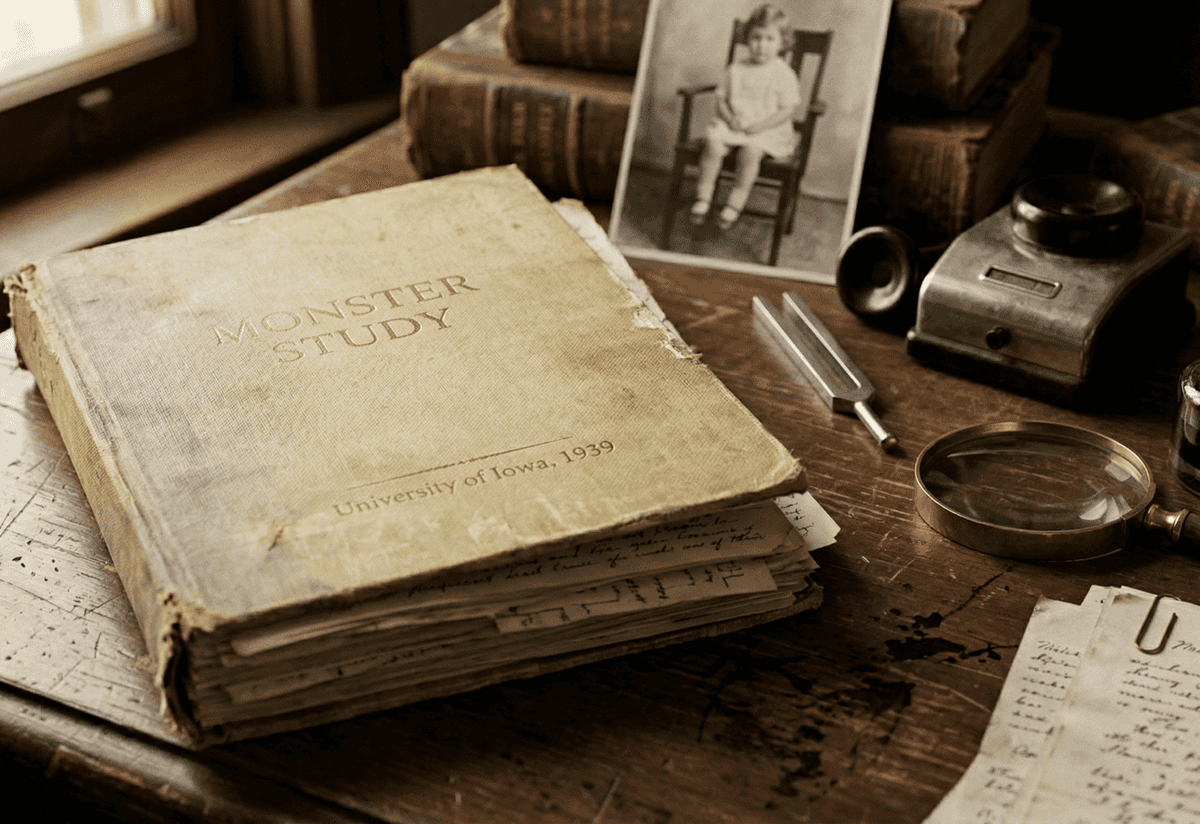
The experiment was not originally called the Monster Study. The name came later, used by critics who were shocked by the methods and effects.
It reflects how people view the study today, not just as a mistake, but as something deeply wrong. The name captures the emotional reaction people have when they learn about it.
It serves as a reminder of how harmful actions can damage trust in science. The label has stayed over time, becoming a symbol of unethical research practices.
8. It Remains a Warning for the Future

Today, the Monster Study is often discussed in psychology classes as a warning. It shows what can happen when researchers ignore ethics and focus only on results.
The study teaches the importance of compassion, responsibility, and respect. It reminds us that knowledge should never come from harming others.
By learning about this event, future researchers can avoid repeating the same mistakes. The story continues to be important because it highlights both the power and the danger of scientific research.

私は生まれたときから、常に神との強いつながりを感じていた。作家として、また指導者として、私の使命は、人々が最も暗い時代に愛と幸福と内なる強さを見つけるのを助けることである。