

Different cultures and mythologies have crafted unique stories about the very first woman – how she came into being, what she represented, and her role in shaping humanity.
These stories are reflections of how societies understood fertility and the divine.
Exploring these diverse myths allows us a glimpse into the collective imagination of our ancestors and how they viewed women’s place in the universe.
The Bible’s Eve

In the Bible, Eve is famously known as the first woman created by God.
According to Genesis, God formed her from one of Adam’s ribs, symbolizing companionship and connection.
She’s the mother of all humanity, and the origin of sin on earth, after her temptation by the serpent led to the fall.
The myth of Eve is loaded with themes of temptation and the complex role of women in the divine plan.
She’s both a nurturing mother and a figure of curiosity and rebellion. Over centuries, her story has influenced countless cultural attitudes towards women and morality.
Despite the tragic elements, Eve remains a powerful symbol of human beginnings and the complicated nature of 自由意志.
Pandora in Greek Mythology
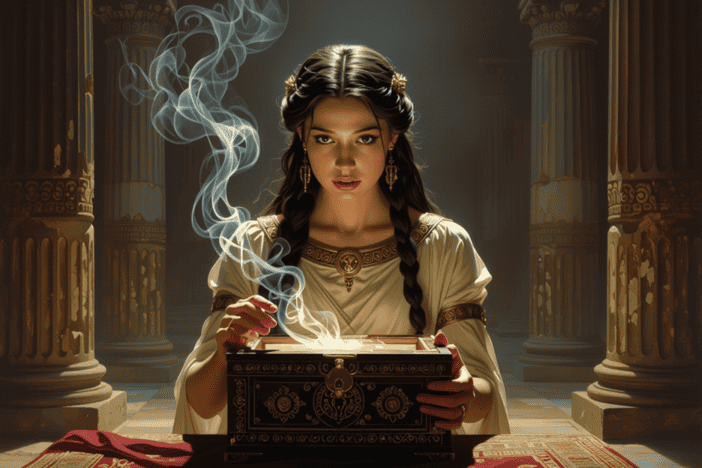
Pandora is the first woman crafted by the gods in Greek mythology.
Created by Hephaestus and endowed with gifts from the gods, Pandora was meant to be a beautiful, curious, and somewhat mischievous figure.
She’s famously associated with the box that unleashed all evils into the world when she opened it out of curiosity.
Her myth symbolizes the birth of human suffering but also hope, since she managed to close the box shut before hope could come out.
She embodies the complexities of femininity – both nurturing and dangerous, innocent and inquisitive.
Her story reveals ancient Greek attitudes about women and the duality of human nature, making her a compelling, layered figure.
Hindu Mythology

In Hindu mythology, the first woman isn’t necessarily a single figure but often linked to divine principles.
Savitri, for instance, is a goddess embodying the sun’s energy, fertility, and life force.
Some versions of Hindu creation talk about the first woman emerging from divine consciousness or from cosmic sacrifice.
She’s meant to symbolize the interconnectedness of life and the universe. She’s seen as a symbol of fertility and the vital energy that sustains all living beings.
These myths emphasize the divine nature of femininity, portraying women as creators and life-givers, deeply woven into the fabric of the cosmos itself.
The Creator Woman in Chinese Mythology
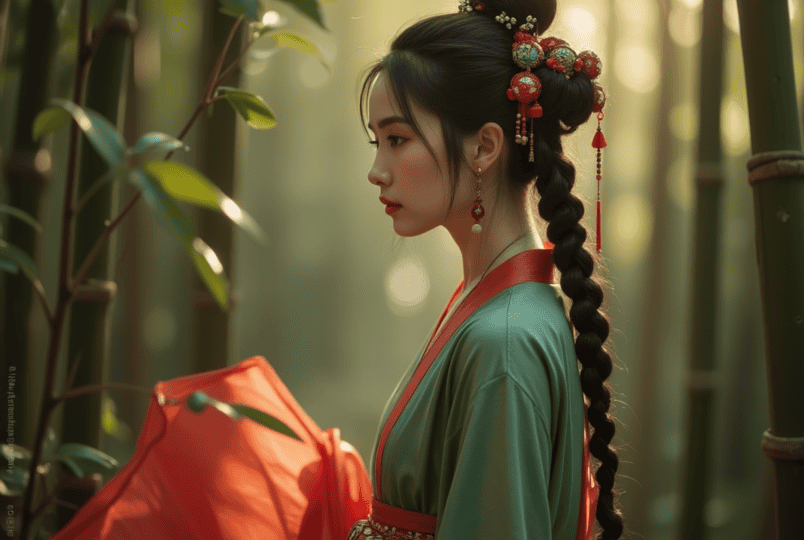
In Chinese mythology, Nüwa is revered as the goddess who shaped humanity from the yellow clay. According to legend, she modeled the first humans by hand, giving them form and life.
Nüwa also repaired the sky after a catastrophic flood, which emphasizes her nurturing and protective qualities.
She’s considered the first woman because she is directly involved in creating and caring for mankind.
Her myth highlights themes of craftsmanship, divine intervention, and the nurturing aspect of femininity.
Her story underscores the fact that women are integral to the world’s survival and stability. She’s a mother figure and a protector.
Isis in Egyptian Mythology
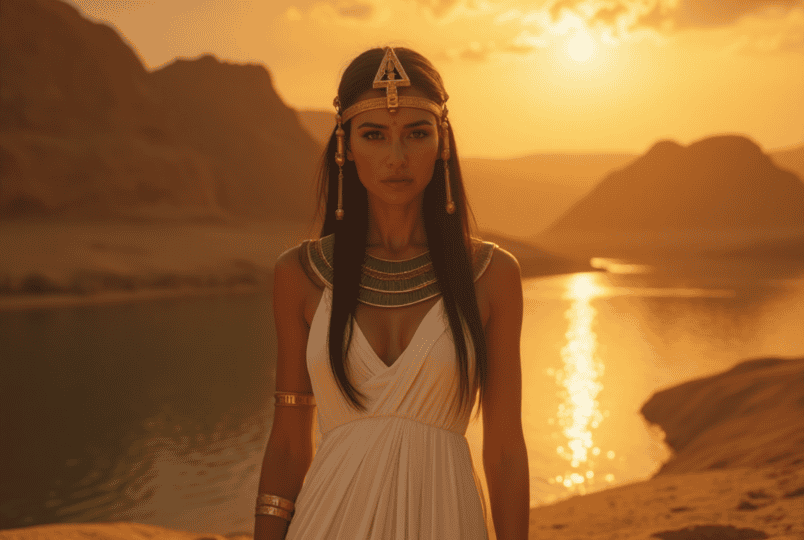
In Egyptian mythology, Isis is one of the best-known deities, linked to motherhood and magic.
Some stories say she was born from chaos, and some that she came to be from the mud of the Nile. The latter highlights her primal connection to the natural world.
Isis is known for her powerful magic – resurrecting her husband Osiris and protecting her son Horus.
She’s seen as the ultimate mother figure, 哺育 and fiercely 保護.
Her myth highlights the importance of family and feminine power. In many ways, she embodies the ideal of the nurturing goddess who sustains life and preserves order.
She’s a timeless symbol of female strength and divine femininity.
Izanami in Japanese Mythology
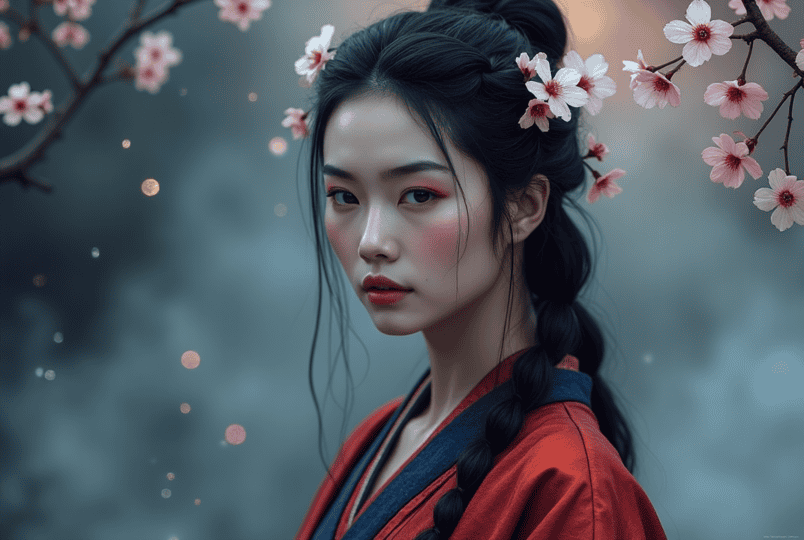
Izanami is a key figure in Japanese creation myths, working alongside her husband, Izanagi, to create the Japanese islands and numerous deities.
She’s a goddess of both creation and death, embodying the cycle of life and decay.
According to legend, she gave birth to the islands and gods, shaping the very land and spiritual landscape of Japan.
Her story is a mix of tragedy and the profound power of female creativity.
Izanami’s myth is meant to remind us of the vital role women play in shaping the world – not just physically but spiritually.
The Zulu First Woman
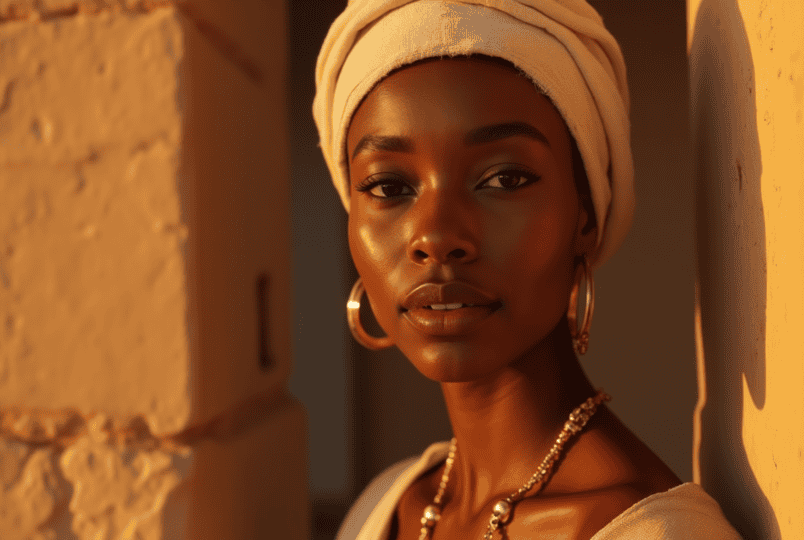
In Zulu mythology, Unkulunkulu is the creator god who made the world and humanity.
His daughter, the first woman, was created from mud, which symbolizes her close connection to the land.
She’s often seen as a mother figure, responsible for populating and nurturing humanity.
Her story highlights the importance of the earth as the source of life as well as women’s life-giving role.
The first woman is likened to the earth itself in this way, emphasizing the fact that both give and sustain life.
This story celebrates the divine act of creation and underscores women’s vital role in the ongoing cycle of life and survival.
The First Woman of the Arctic

In Inuit mythology, the first woman is associated with the Tupilak – spirits or beings created from earth.
She’s a vital figure who helped populate the world and teach humans how to survive in the harsh Arctic environment.
She embodies the wisdom and resilience needed to endure the cold wilderness.
Her story reflects the importance of adaptation and the spiritual connection to nature. She’s a teacher and a protector.
The first Inuit woman is a symbol of the enduring spirit of life in the Arctic, highlighting women’s crucial part in survival and cultural continuity.

A little Aquarius, devoted to writing and embroidery. Through my writing, I hope to empower readers to align with their true selves and navigate life’s mysteries with confidence.