

In many Native American traditions, wolves are seen as powerful and meaningful animals that carry deep symbolic value.
These stories are not all the same because different tribes have their own beliefs, teachings, and ways of understanding nature.
However, across many traditions, wolves often appear as guides, teachers, or protectors.
They are not viewed as negative or dangerous, but as intelligent, social, and deeply connected to the natural world.
Wolves live in strong family groups, communicate clearly, and move with awareness, which makes them meaningful symbols for human behavior.
In storytelling, animals are often used to reflect human qualities, lessons, and life patterns. Wolves, in particular, are connected with instinct, loyalty, survival, and awareness.
These stories are not meant to be taken literally, but as ways of understanding life through nature.
In this article, we explore how wolves are described as spiritual guides in different Native American stories and what lessons they symbolically represent.
1. Wolves as Teachers of Loyalty and Family

In many Native American stories, wolves are seen as strong symbols of loyalty and family connection.
They live in packs where each member has a role, and they rely on one another for survival.
Because of this, wolves are often used in storytelling to teach the importance of community, trust, and responsibility.
Stories describe wolves caring for their young, protecting their group, and working together to find food.
These actions are seen as examples of human behavior, showing that strength does not come from being alone but from supporting others.
As spiritual guides, wolves remind people to value their relationships and stay connected to their family or community.
They represent the idea that cooperation and loyalty create stability and balance in life.
These lessons are not only about physical survival, but also emotional support and belonging, which are important in many traditional teachings.
2. Wolves as Guides of Instinct and Awareness
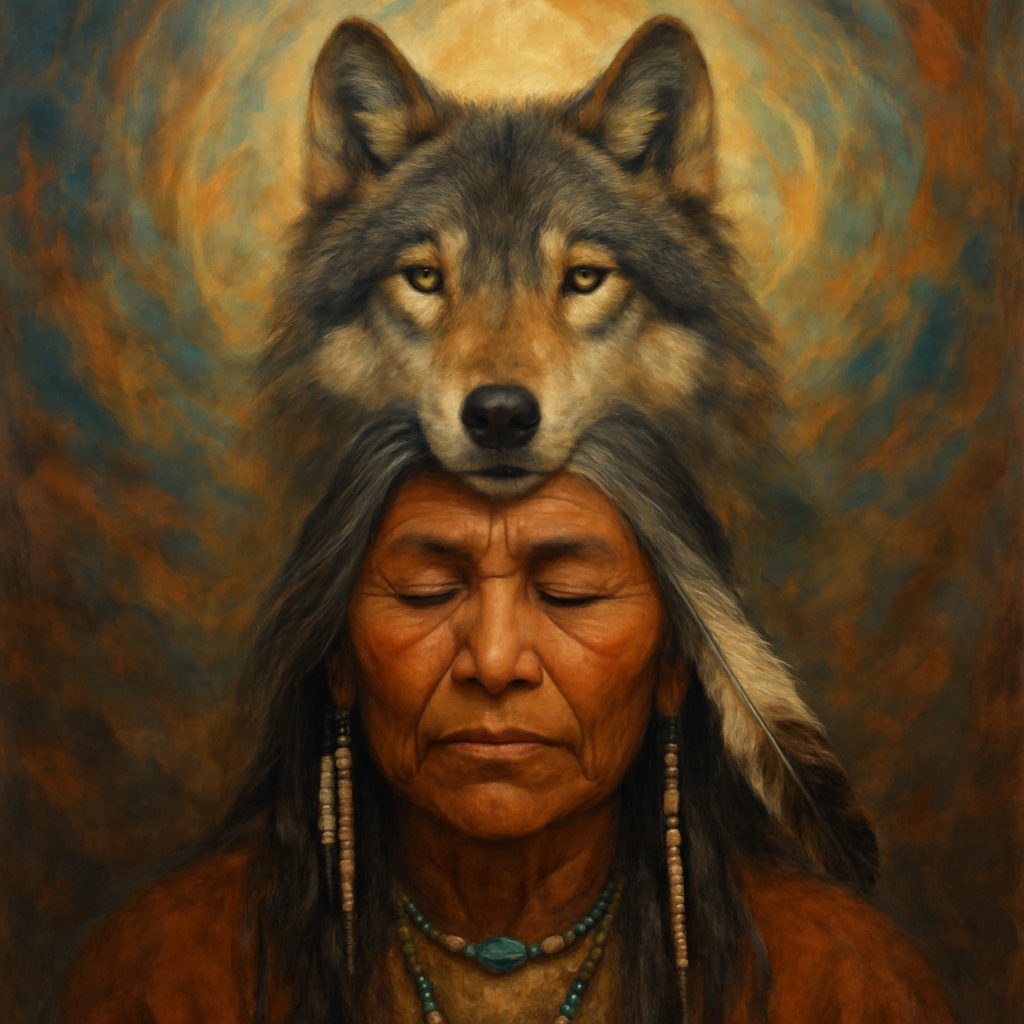
Wolves are also often seen as symbols of strong instinct and awareness. In stories, they are described as animals that move carefully, observe their surroundings, and respond quickly when needed.
This makes them powerful symbols of inner guidance. As spiritual guides, wolves represent the ability to trust one’s instincts and pay attention to subtle signs in the environment.
Many teachings encourage people to listen to their inner voice, just as wolves rely on their senses to survive.
This does not mean acting without thought, but rather being aware and balanced between instinct and understanding.
Wolves show that awareness is not only about seeing what is obvious, but also noticing what is quiet or hidden.
This lesson is often used to teach mindfulness, presence, and the importance of being connected to the natural world.
3. Wolves as Symbols of Freedom and Independence

In some Native American traditions, wolves are also connected to freedom and independence.
While they live in groups, they are also capable of moving alone and surviving through their own strength and awareness.
This balance between connection and independence makes them powerful symbols in storytelling.
Wolves are not controlled or domesticated, which gives them a sense of natural freedom. As spiritual guides, they remind people to stay true to themselves and not lose their identity within a group.
They represent the idea that it is possible to belong and still remain independent in thought and action.
This lesson encourages personal strength and self-awareness while still respecting community. It shows that true balance comes from understanding both connection and individuality.
4. Wolves as Protectors and Guardians
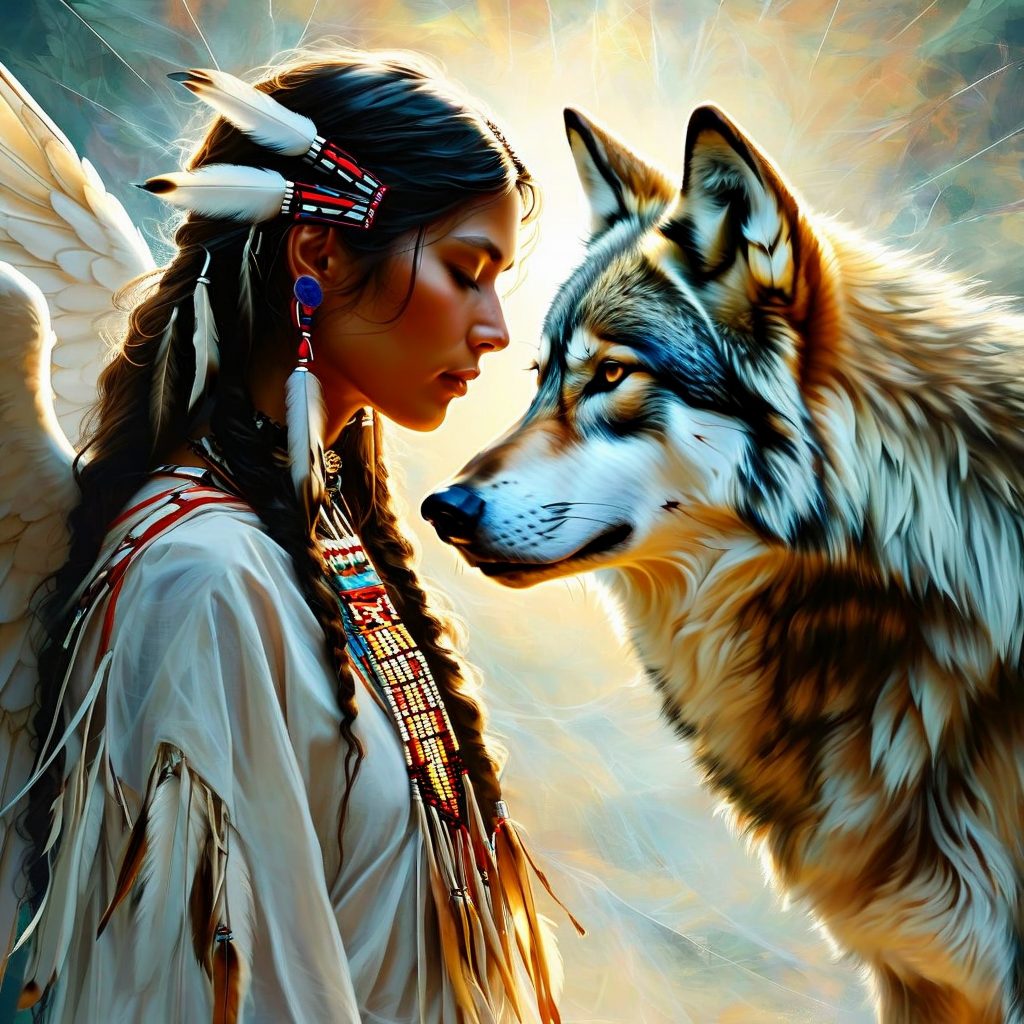
Wolves are often described as protectors in Native American stories, especially when it comes to their pack.
They are alert, responsive, and willing to defend their group when needed. Because of this, they are seen as guardians in a symbolic sense.
As spiritual guides, wolves represent protection, not only physically but also emotionally and spiritually.
They remind people to protect what is important, including relationships, values, and personal boundaries.
Stories often show wolves sensing danger early and responding with awareness rather than fear. This teaches the importance of being prepared and attentive.
The idea of the wolf as a guardian is not about aggression, but about responsibility and care for others. It reflects the idea that strength can be used to protect and maintain balance rather than to dominate.
5. Wolves as Symbols of Communication and Connection
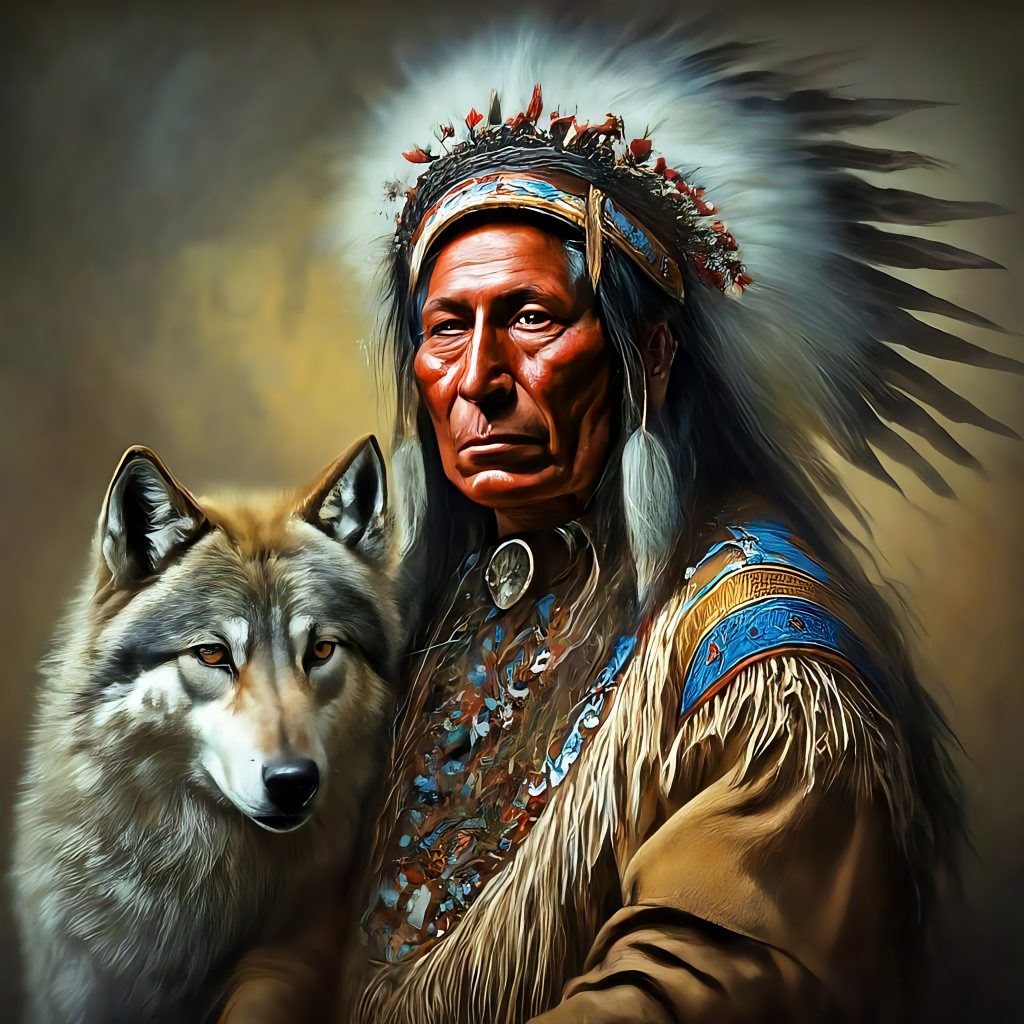
Another important meaning of wolves in Native American stories is their connection to communication.
Wolves use sounds, body language, and group behavior to communicate clearly within their pack. Their howls are especially symbolic, often representing connection across distance.
In storytelling, this is seen as a reminder of the importance of clear and honest communication among people.
As spiritual guides, wolves symbolize the need to express thoughts and emotions in a way that maintains connection and understanding.
They also represent listening, as communication is not only about speaking but also about hearing others.
This lesson encourages balance between expression and awareness. It shows that strong relationships depend on both clear communication and mutual understanding.
6. Wolves as Symbols of Survival and Adaptation
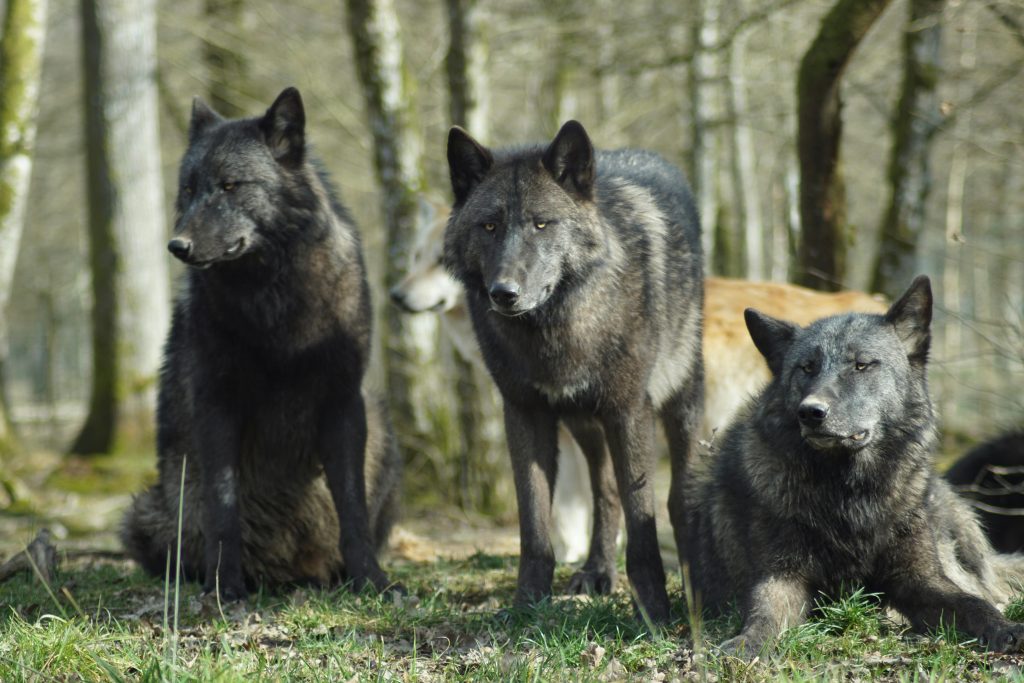
Wolves are also powerful symbols of survival and adaptability in Native American traditions.
They can live in different environments and adjust to changing conditions. This ability to adapt makes them important figures in stories about resilience and endurance.
As spiritual guides, wolves represent the strength to continue through challenges and to adjust when situations change.
They show that survival is not only about strength, but also about flexibility and awareness.
This lesson is often used to teach that life is always changing, and that people must learn to adapt rather than resist every change.
Wolves symbolize persistence, patience, and the ability to move forward even in difficult circumstances.
7. Wolves as Reflectors of Inner Strength
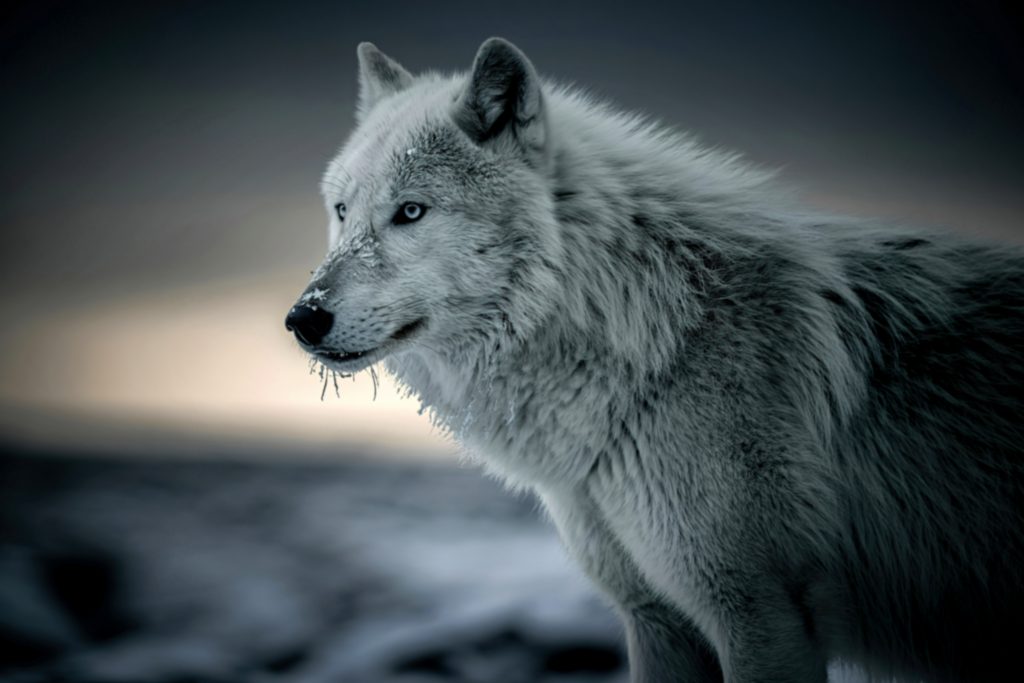
Finally, wolves are often seen as reflections of inner strength and personal power. In many stories, they are not loud or showy animals, but they carry quiet confidence and steady presence.
This makes them symbols of inner resilience rather than outward dominance. As spiritual guides, wolves remind people that strength does not always need to be visible or aggressive.
It can exist in calm awareness, patience, and quiet determination. This lesson encourages people to trust their own abilities and remain grounded in who they are.
Wolves represent a form of strength that is balanced, thoughtful, and deeply connected to both instinct and understanding.

私は生まれたときから、常に神との強いつながりを感じていた。作家として、また指導者として、私の使命は、人々が最も暗い時代に愛と幸福と内なる強さを見つけるのを助けることである。