

Many old fae tales are full of complex folklore. Many of them serve as warnings to explain oddities, provide a sense of safety, or indirectly encourage people to exercise caution.
A fascinating thing about fae folklore is that the folklore is very specific in the way that it provides warnings; the emphasis is on individual rules of conduct rather than on monsters that could hurt someone.
The rules that were established in the folklore of the fae remain true today, even though many have forgotten about them. Here are some old fae warnings we should still think about.
1. Never Thank the Fae Directly
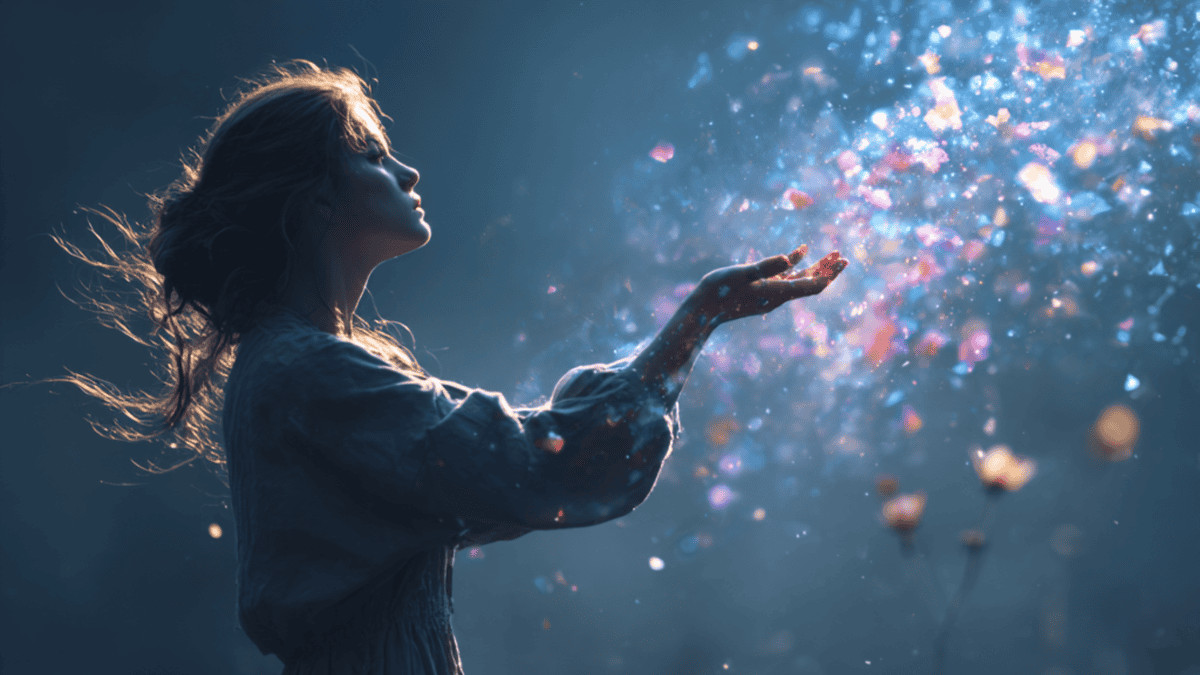
Long ago, it was believed that if you said “thank you” to the fae, it could create a debt or connection with the fae. This was thought to create a formal exchange between you and the fae.
People in ancient times understood that language had weight and consequences for both the individual who spoke it and the recipient.
Some people today avoid using formal or overly formal language in emotionally charged situations, but do not understand why or do not make the connection between the two.
This warning also serves as a reminder to be more cautious about accepting gifts too easily. It is possible that not all acts of kindness are meant to be kindness.
2. Avoid Lonely Paths at Twilight

Twilight has often been referred to as a dangerous time in fae lore. Many fae traditions view twilight as being between two opposite times of the day, day and night, at a point where the rules of the day and the rules of the night are less defined.
People believed that lonely roads, forests, or fields became unpredictable places during twilight. The warning of walking alone on roads, forests, or fields during this time may also reflect the practical dangers of decreased visibility during twilight.
The stories about walking alone on lonely paths at twilight are quite emotional, but they do not refer to evil as much as they refer to the unpredictable nature of things. It was seen as unknown. Even now, there are places that seem different at nighttime after daylight goes away.
3. Never Follow Music You Cannot Explain

Old stories warned against following music you can’t trace at night. Music from the fae can sound nice, but it can pull you off your safe path or make it impossible for you to keep track of time.
This warning could indicate how easily humans can be influenced by emotions and their surroundings. Modern horror stories also use sounds that cannot be traced.
4. Be Careful With Promises Near Water

Streams, wells, and lakes are common in faerie stories. There was a belief that a promise made near water has importance. Water reflects, holds emotion, and hides things underneath.
Some faerie stories say that when you make a careless promise by a river, you have made the promise in front of an eager audience.
The symbolism remains alive. Water represents emotions and things unknown, and many people feel strange around quiet bodies of water.
5. Never Eat Food in Strange Places

One of the oldest faerie definitions says that if you eat food in an unfamiliar location, you have the potential to become spiritually/emotionally trapped in another world.
Food represents trust, acceptance, and belonging. When you accept food, you accept your connection to that person (and they accept their connection to you).
The second warning is about how the ancients saw hospitality as a powerful act, not something casual. Even today, we can become emotionally close to each other very quickly by sharing meals.
6. Do Not Mock What You Do Not Understand

Fae stories typically punished arrogance more than fear; usually, when characters mocked a strange tradition, an unfamiliar place, or a local belief, they were punished in some way.
The warning urged a humble approach to that which is beyond human comprehension. This idea has modern implications as well; many people regret that they have made fun of something a little strange or unexplainable too quickly.
7. Keep Iron Close in Unfamiliar Places

Many fae stories mention carrying little iron items (e.g., horseshoes, iron pins) for protection while traveling or sleeping.
Many historians believe that iron represented humans’ technological advancements, or their way of staying stable in the face of unpredictable forces of nature.
What is interesting is that many people still carry protective objects without fully knowing why. Small items that we give ourselves as protection create a sense of emotional comfort during times of uncertainty.
Fae stories show us how strongly humans associate a sense of safety with a physical object.
8. Pay Attention to Repeating Dreams

Ancient traditions often saw recurring dreams as an indication of emotional imbalance, a warning, or disturbance due to the influence of the fae.
Dreams are the avenue of expression of our ignored fears and desires while awake; therefore, ancient people took unusual dreams seriously and believed they warranted some form of attention, rather than dismissal.
The stories provided insight regarding self-awareness through symbolism, even before modern therapy existed, which is still being explored today through the field of psychology.
9. Never Stay Too Long in Beautiful Places

Many fae stories warned of places that felt “too perfect.” Often, beautiful forests, gardens, or hidden clearings were viewed as emotionally dangerous because they made it easy for someone to lose track of time.
This warning illustrates that when we become completely enwrapped in pleasure, fantasy, or getaway, we will connect less with reality.
Ancient people understood that beautiful places could skew our judgment in a way that fear might.
10. Trust Sudden Feelings of Discomfort

One of the oldest fae warnings is quite simple: If something suddenly feels wrong, leave. Fae stories described many instances where people ignored their gut feelings and suffered some form of hardship or confusion.
This warning reflected a strong belief in one’s intuition and physical awareness. Ancient cultures believed a person’s body would notice danger before their conscious mind could understand it in complete clarity.
Modern psychology clearly supports the notion that our unconscious recognizes and interprets patterns and issues that we do not see or know. This lesson has survived because it continues to feel true.

Born and raised in Bosnia and Herzegovina. Ever since I was a little girl, my imagination knew no bounds. I remember vividly how I’d scribble down short stories, each page bursting with adventures and characters conjured up from the whimsy of my mind. These stories weren’t just for me; they were my way of connecting with my friends, offering them a slice of my fantasy world during our playtimes. The joy and excitement on their faces as we dived into my fictional realms motivated me to keep writing. This early passion for storytelling naturally evolved into my pursuit of writing, turning a childhood hobby into a fulfilling career.