
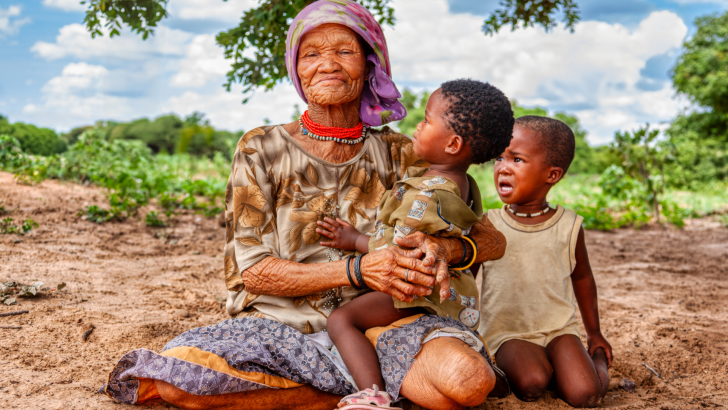
The Khoisan are often considered among the oldest human populations on Earth. They have lived in southern Africa for tens of thousands of years, long before many other groups formed.
Their history, language, and lifestyle offer important clues about early human life. Scientists study the Khoisan to better understand human origins, migration, and survival.
Their traditions, connection to nature, and unique way of life have remained strong despite many changes over time.
However, their story is not only about the past. The Khoisan people continue to live today, protecting their culture and identity.
Here are ten truths about the Khoisan people and why they are so important in understanding human history.
1. They Are Among the Oldest Human Populations
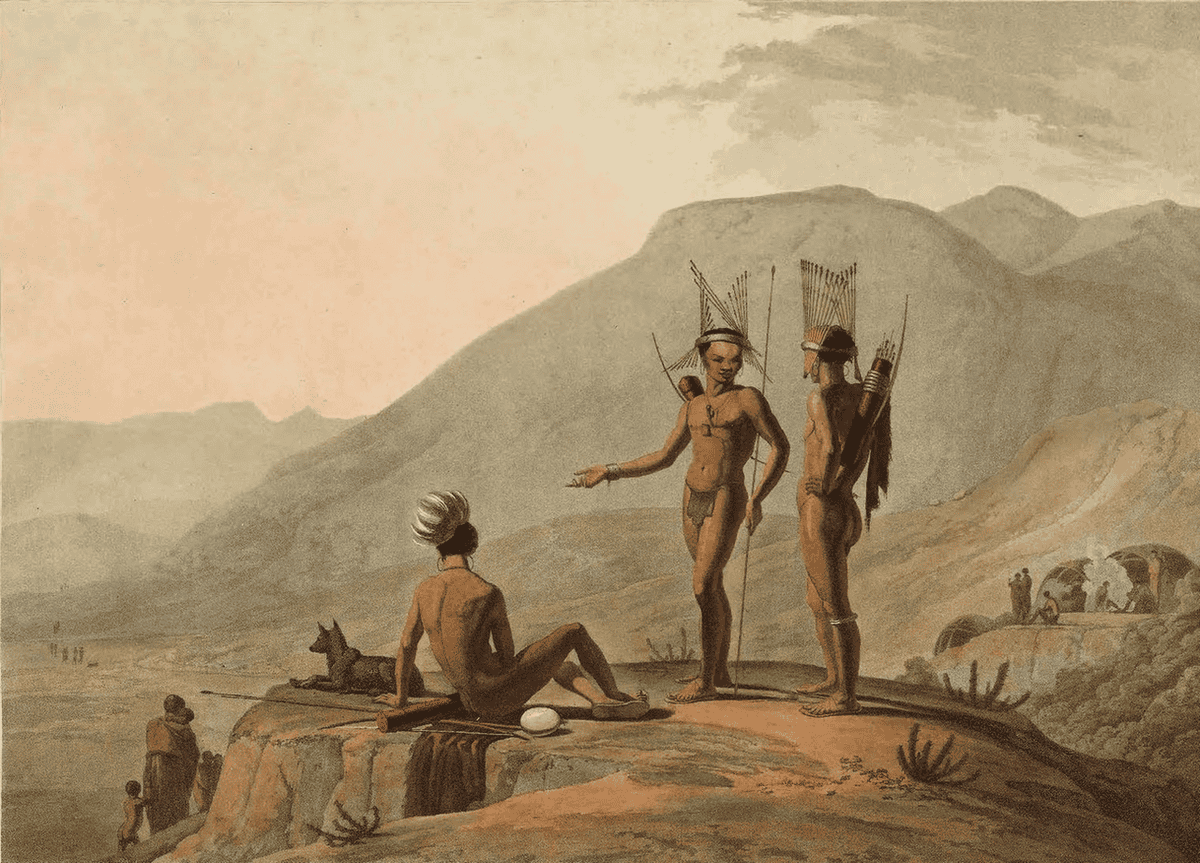
The Khoisan people are believed to be one of the oldest continuous human populations in the world.
Genetic studies show that their ancestry goes back tens of thousands of years, possibly longer than most other groups alive today.
This means their lineage can help scientists understand what early humans were like. Their DNA contains clues about how humans evolved and spread across the planet.
Because of this, researchers often study the Khoisan to learn about early human life. Their long history shows how humans survived in different environments over time.
This does not mean they are “primitive,” but rather that they have preserved ancient genetic lines.
Their existence is a living connection to humanity’s deep past, making them extremely important for both science and history.
2. They Lived as Hunter-Gatherers
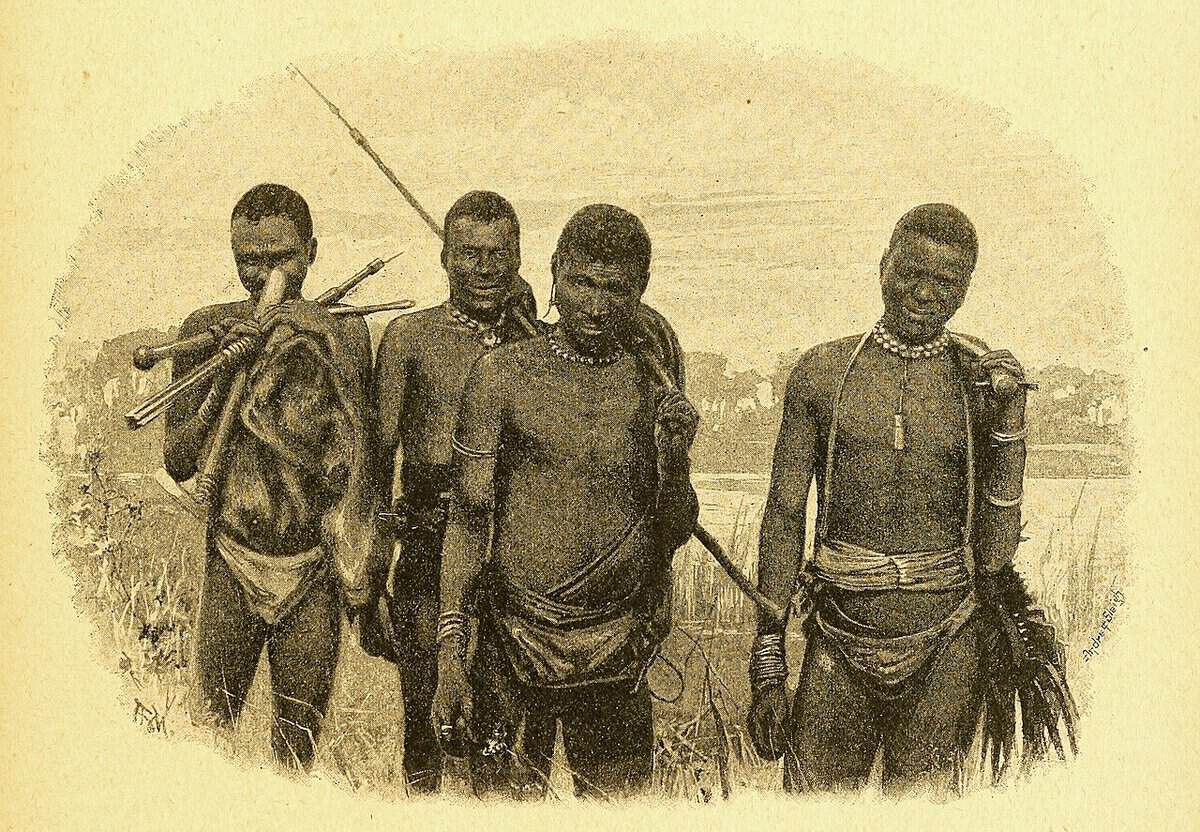
For most of their history, the Khoisan lived as hunter-gatherers. This means they survived by hunting animals and gathering plants, fruits, and roots.
They did not rely on farming or large settlements. Instead, they moved from place to place depending on the seasons and available food.
This lifestyle required deep knowledge of the land, animals, and weather patterns. They knew how to track animals, find water, and use plants for food and medicine.
Their way of life was balanced with nature, taking only what was needed. Even today, some Khoisan communities still practice parts of this lifestyle.
Their knowledge shows how humans can live sustainably and adapt to harsh environments.
3. Their Languages Use Click Sounds
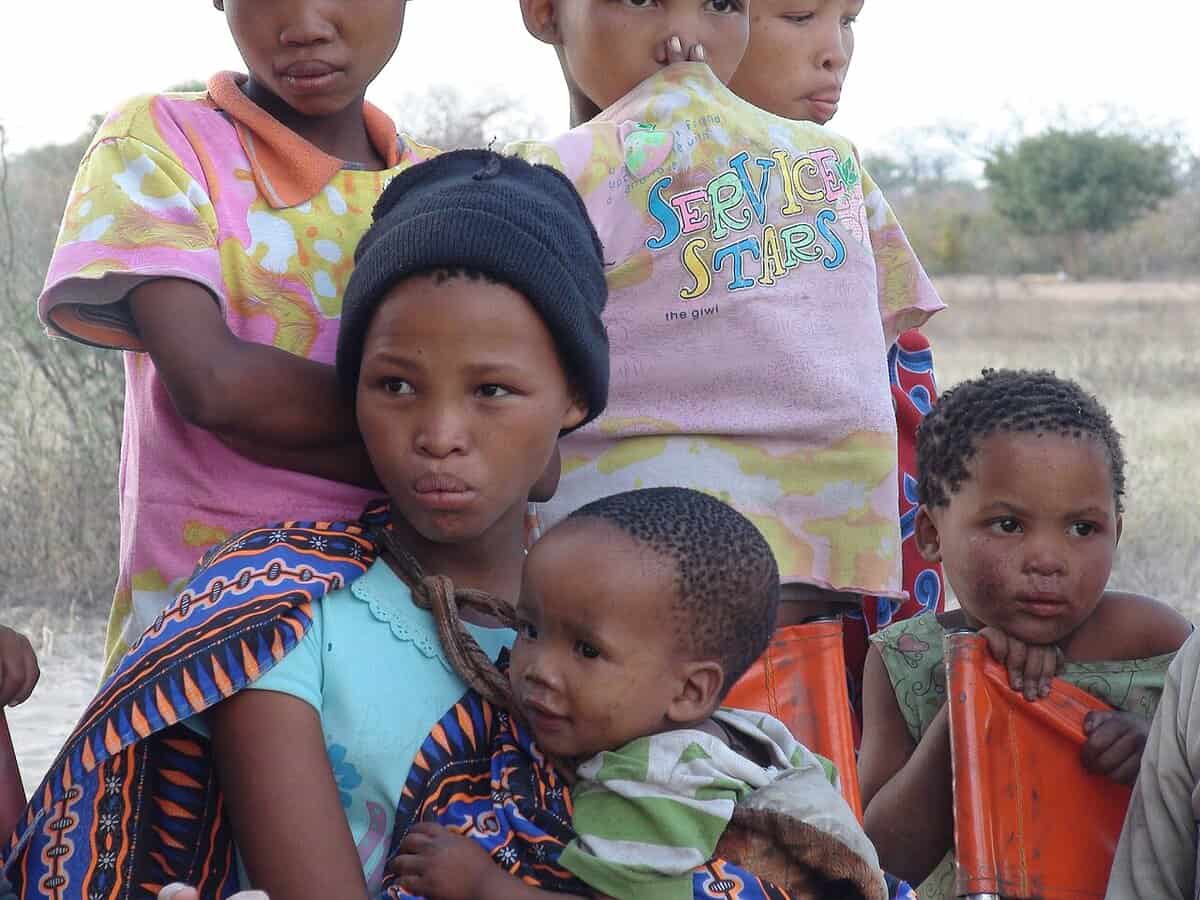
Khoisan languages are famous for their unique click sounds. These clicks are made using the tongue and are part of everyday speech.
There are different types of clicks, each with its own meaning. This makes their languages very different from most others in the world.
Linguists study these languages to understand how human speech developed over time. The click sounds may be among the oldest forms of spoken communication.
Learning these languages is not easy for outsiders, but they are an important part of Khoisan identity.
Language carries culture, history, and knowledge, so preserving it is very important. These sounds make Khoisan languages truly special and valuable.
4. They Have Deep Knowledge of Nature
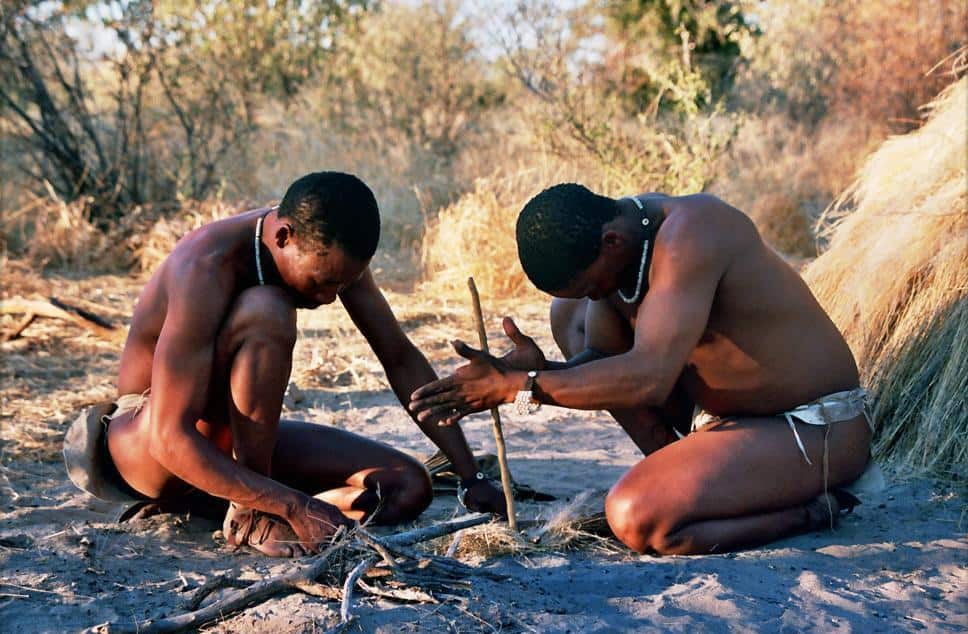
The Khoisan people are known for their deep understanding of nature. They know how to survive in dry and difficult environments, such as deserts and savannas.
They can find water in hidden places, track animals over long distances, and recognize useful plants. This knowledge has been passed down through generations.
It is based on observation, experience, and respect for the environment. They also use plants for healing, showing advanced knowledge of natural medicine.
Their connection to nature is not just practical but also spiritual. They see themselves as part of the natural world, not separate from it.
5. Their Rock Art Is Thousands of Years Old
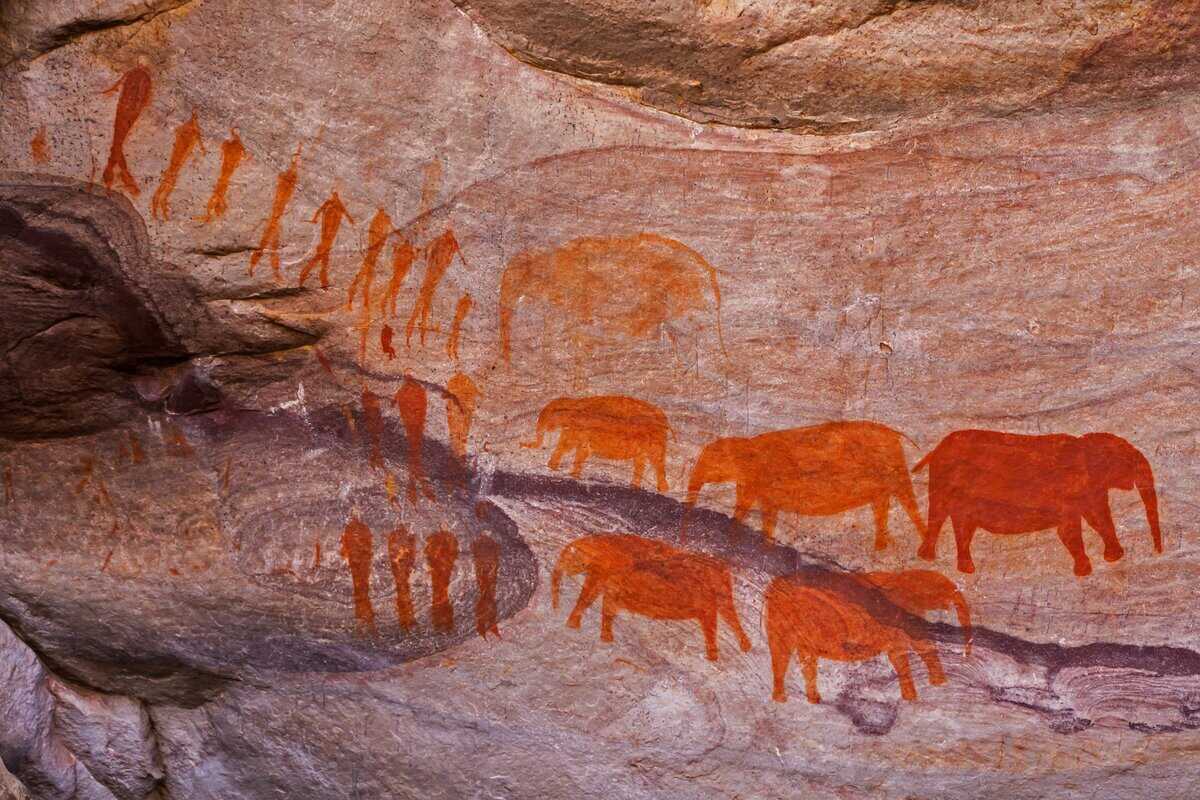
The Khoisan created rock art that can still be seen today in southern Africa. These paintings and carvings show animals, people, and scenes from daily life.
Some of this art is thousands of years old, making it an important part of human history. The images often have spiritual meaning, not just artistic value.
They may show hunting scenes, rituals, or visions experienced by shamans. Researchers study this art to understand the beliefs and lives of early humans.
The detail and skill in the artwork show creativity and deep cultural expression. This rock art is one of the oldest forms of storytelling, preserving history without written language.
6. They Faced Displacement and Hardship
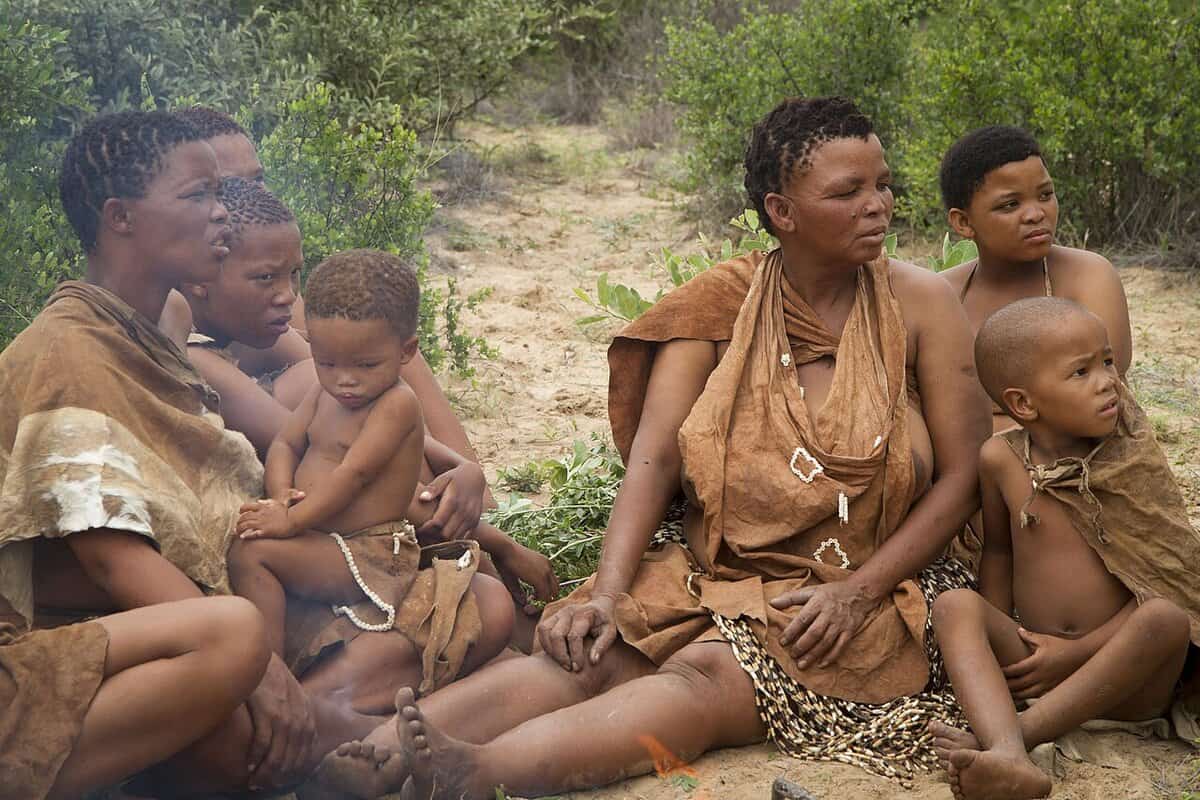
Over time, the Khoisan people faced many challenges. As other groups moved into southern Africa, they lost land and resources.
Later, European colonization made their situation even harder. Many were forced off their land or pushed into difficult conditions.
Their traditional way of life became harder to maintain. Some communities were separated or lost parts of their culture.
Despite these struggles, the Khoisan people have continued to survive and protect their identity.
Their history includes both strength and hardship. Understanding this part of their story is important to recognize the impact of colonization and change.
7. They Have Rich Spiritual Traditions
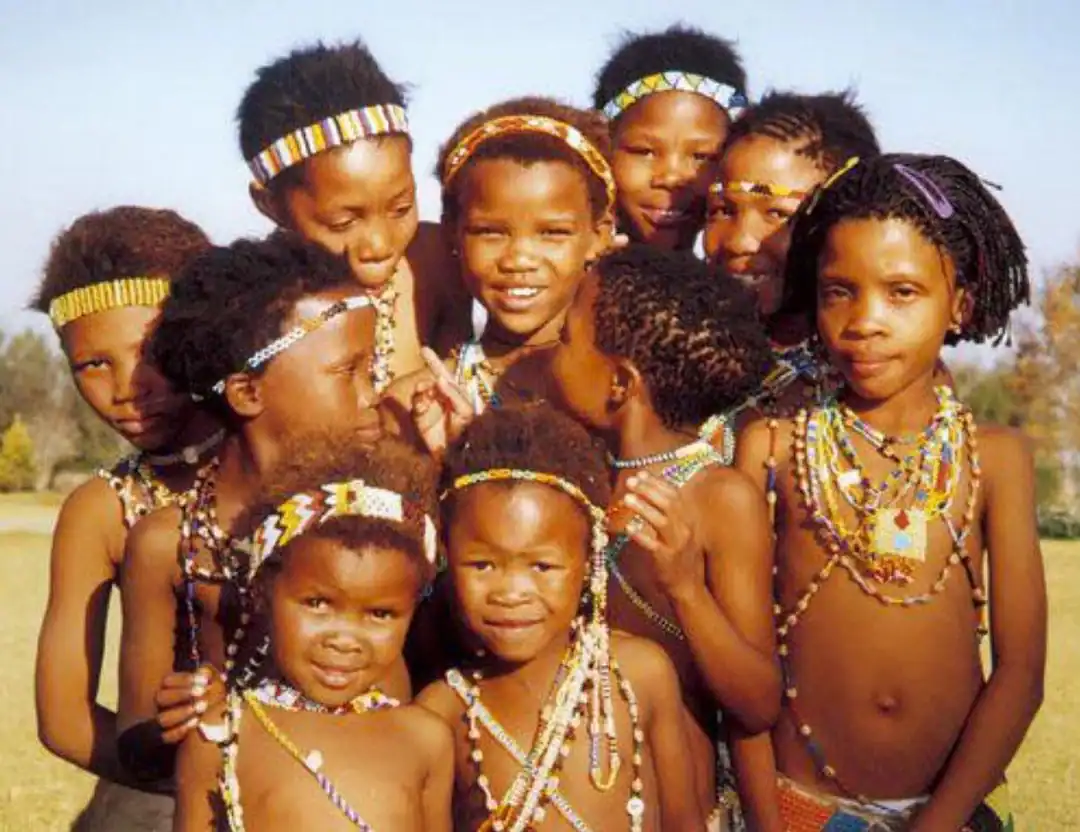
The Khoisan people have deep spiritual beliefs connected to nature. They believe in a spiritual world that exists alongside the physical one.
Shamans play an important role in their communities. They perform healing rituals, enter trance states, and connect with the spirit world.
These practices are often linked to music, dance, and storytelling. Their spirituality focuses on balance, healing, and connection.
Animals, land, and ancestors all have meaning in their beliefs. These traditions have been passed down through generations and remain an important part of their culture.
Their spiritual life shows a strong connection between humans and the natural world.
8. Their Culture Is Passed Down Orally
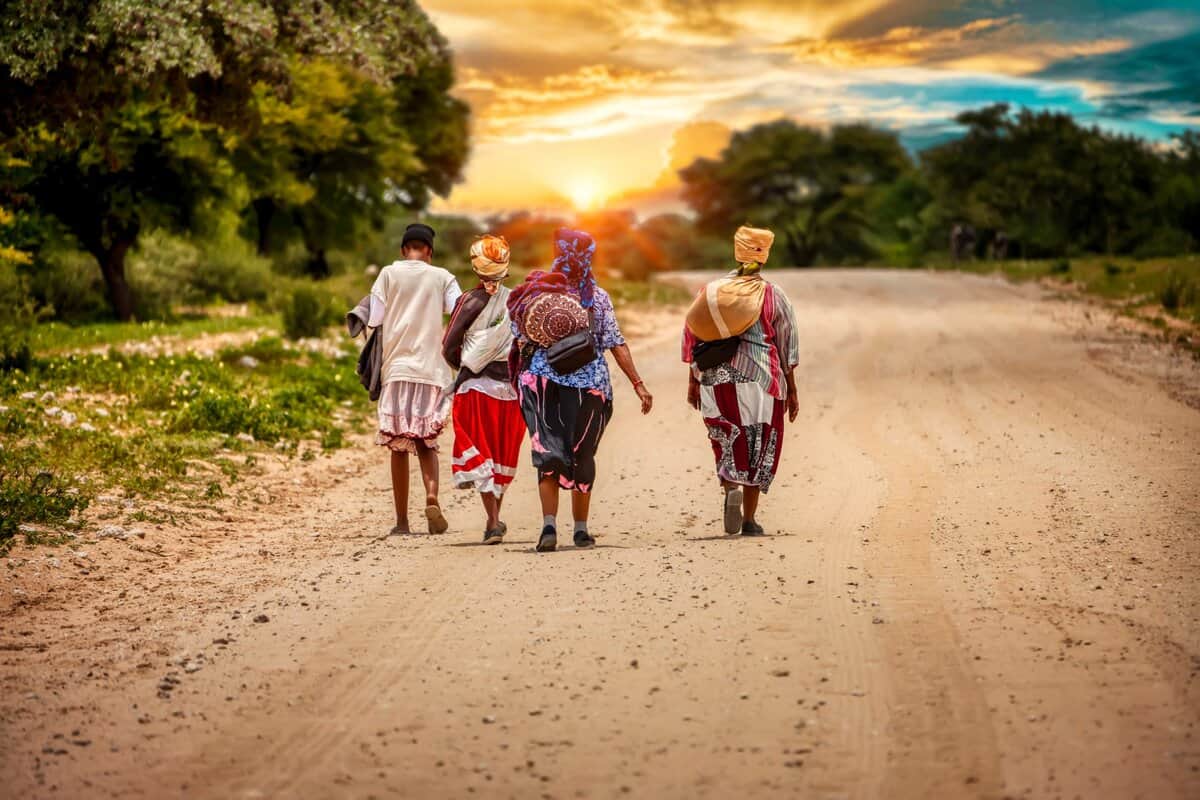
The Khoisan people traditionally pass down knowledge through spoken stories. They did not rely on written language but used storytelling to teach history, values, and survival skills.
Elders share stories with younger generations, keeping their culture alive. These stories often include lessons about nature, behavior, and community life.
Oral tradition allows culture to adapt while still preserving important ideas. It also creates strong bonds within the community.
This method of learning has worked for thousands of years. It shows that knowledge does not need to be written to be meaningful and lasting.
9. They Continue to Live Today
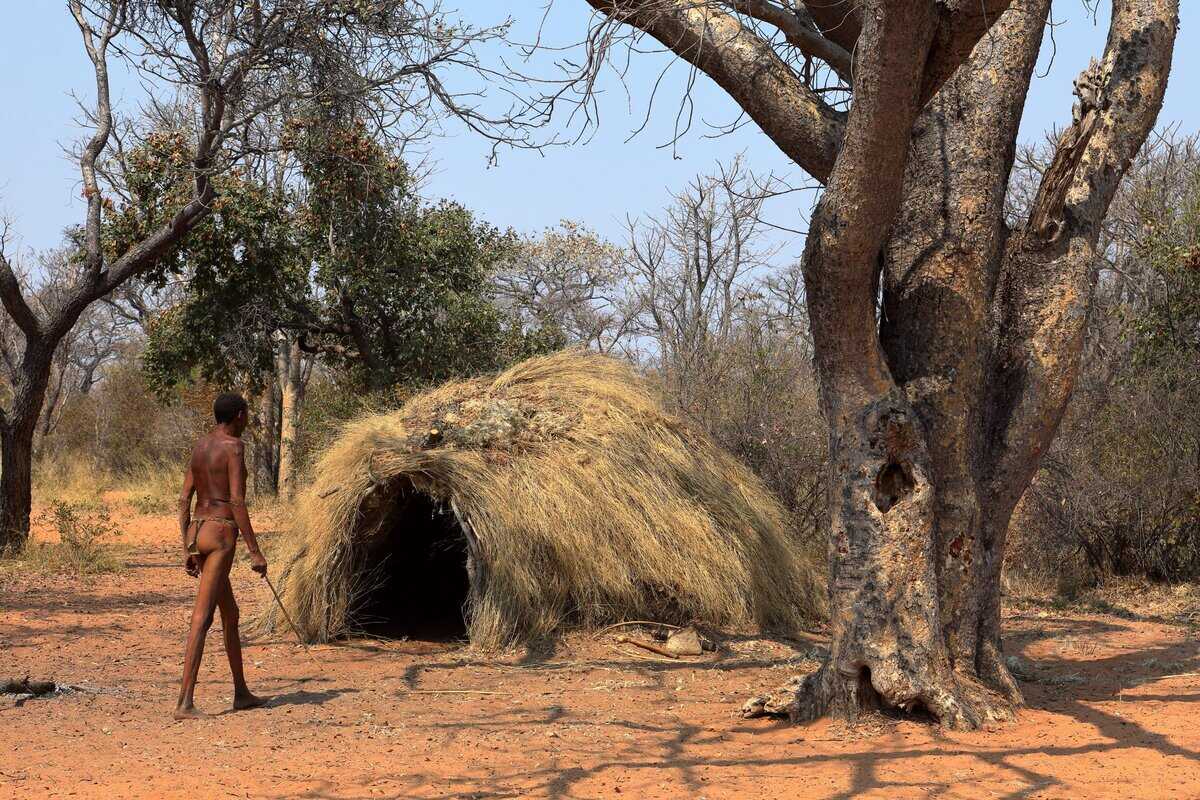
The Khoisan people are not just part of history. They still live today in countries like Namibia, Botswana, and South Africa.
Many communities are working to protect their language, land, and traditions. Some have adapted to modern life while still keeping parts of their culture.
Others continue traditional practices. Their presence today reminds us that ancient cultures are still alive.
Supporting their rights and recognizing their history is important. They face challenges, but they also show resilience and strength.
The Khoisan people continue to be an important part of the world’s cultural diversity.
10. They Help Us Understand Human Origins
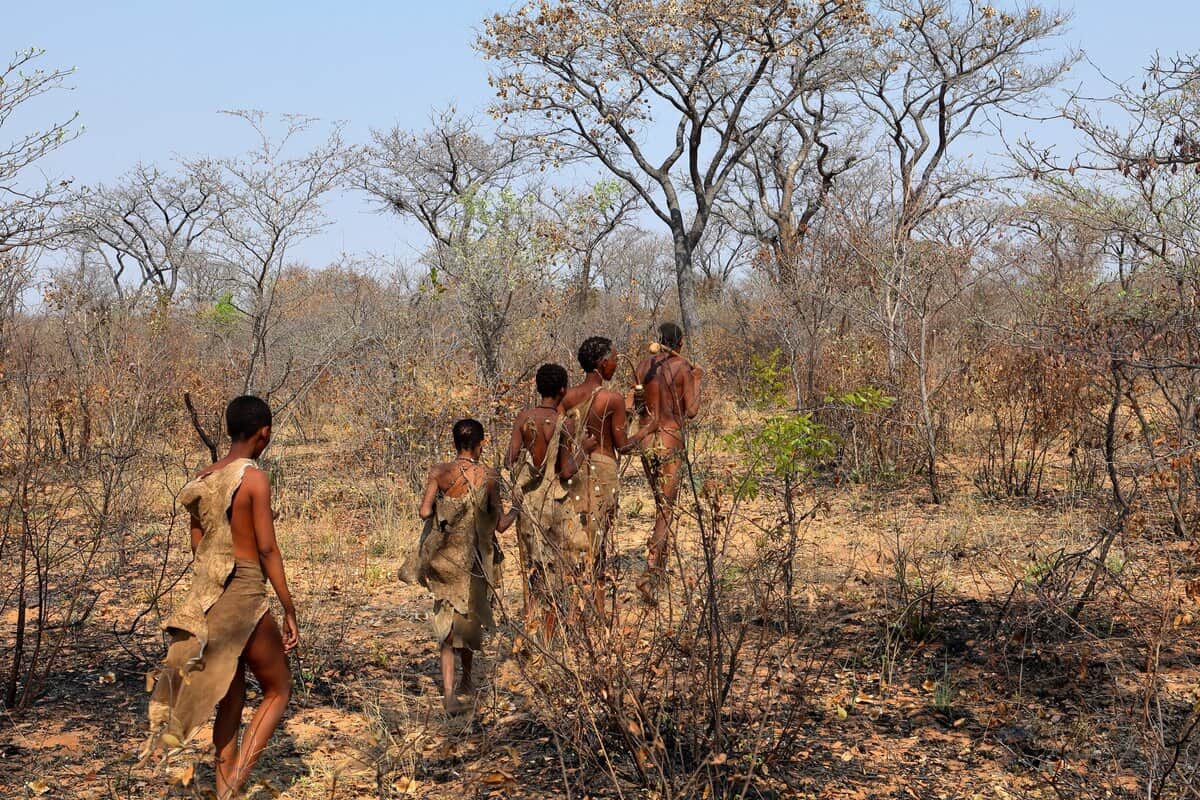
The Khoisan people play a key role in understanding human origins. Their genetic history provides valuable information about early humans and how they spread across the world.
Scientists study their DNA to learn about migration patterns and evolution. Their lifestyle and traditions also give insight into how early humans lived.
By studying the Khoisan, researchers can connect the past with the present. This helps answer important questions about where we come from.
Their importance goes beyond their own culture, as they contribute to global knowledge.
The Khoisan people are a living link to humanity’s beginnings, making them one of the most important groups in human history.

私は生まれたときから、常に神との強いつながりを感じていた。作家として、また指導者として、私の使命は、人々が最も暗い時代に愛と幸福と内なる強さを見つけるのを助けることである。