
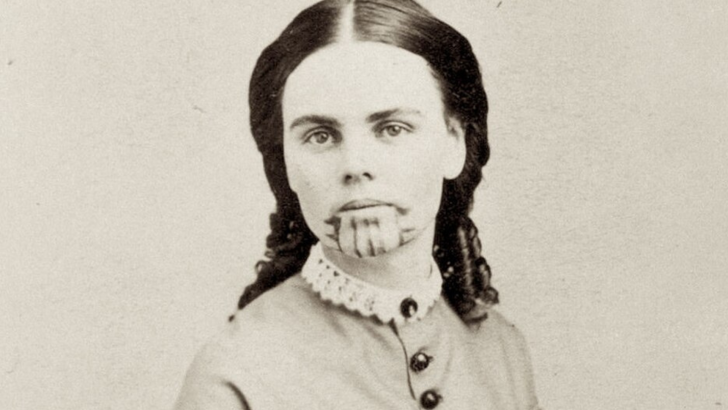
Olive Oatman is one of the most fascinating figures from the American frontier. Her story is both tragic and surprising, filled with danger, survival, and cultural change.
She became widely known for the blue tattoo on her chin, which made her instantly recognizable.
As a young girl, Olive was captured during a violent attack and later lived among Native American tribes for several years.
Instead of being forgotten, she returned to American society and shared her story, becoming famous in the process.
Her tattoo became a symbol of her experience and sparked curiosity wherever she went. Some saw it as a mark of suffering, while others saw it as a sign of strength and survival.
Here are ten things about Olive Oatman and the meaning behind her famous blue tattoo.
1. She Was Captured as a Child
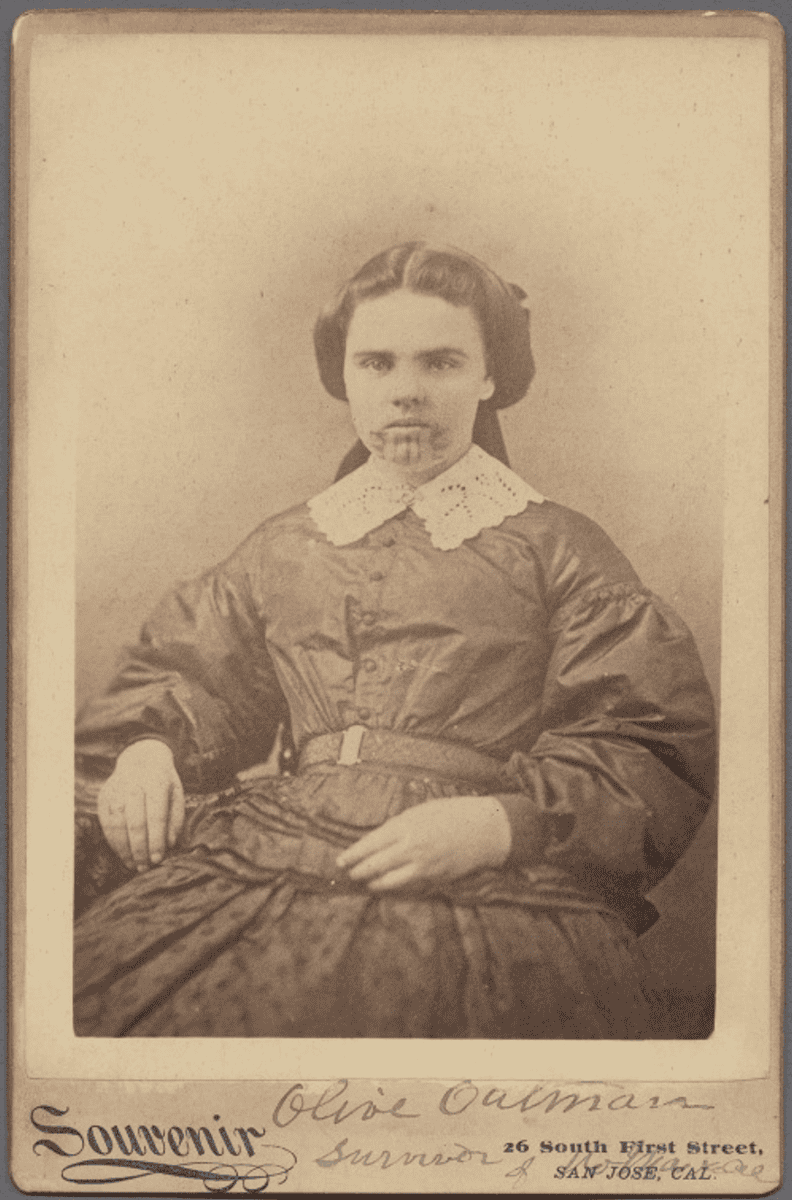
Olive Oatman was only a teenager when her life changed forever. In 1851, her family was attacked while traveling through the American West.
Most of her family members were killed, and Olive and her younger sister were taken captive. This traumatic event marked the beginning of a completely different life for her.
Being taken at such a young age meant she had to adapt quickly to survive. She was separated from everything she knew, including her home, culture, and language.
Despite the fear and loss, Olive showed strength and resilience. Her early capture shaped her future and played a major role in the story that would later make her famous.
2. She Lived with Different Tribes
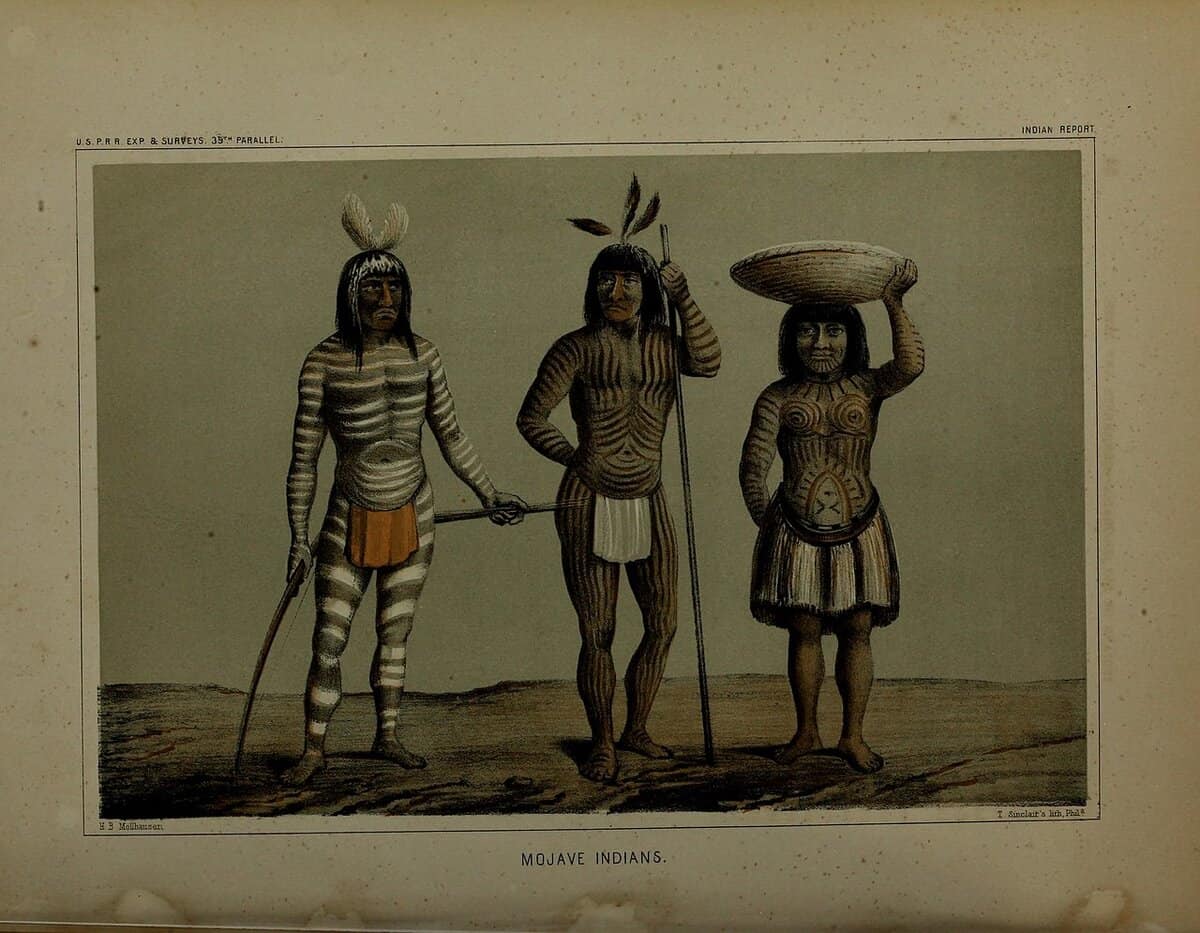
After being captured, Olive first lived with one group before being traded to the Mojave people. Her time with the Mojave was very different from her earlier experiences.
They treated her more like a member of the community rather than a prisoner. She learned their language, customs, and daily way of life.
Over time, she became part of their society and adapted to their culture. This period of her life was important because it showed her ability to adjust and survive in a completely new environment.
Her experience with different tribes shaped her identity and influenced how she later told her story.
3. The Blue Tattoo Had Cultural Meaning
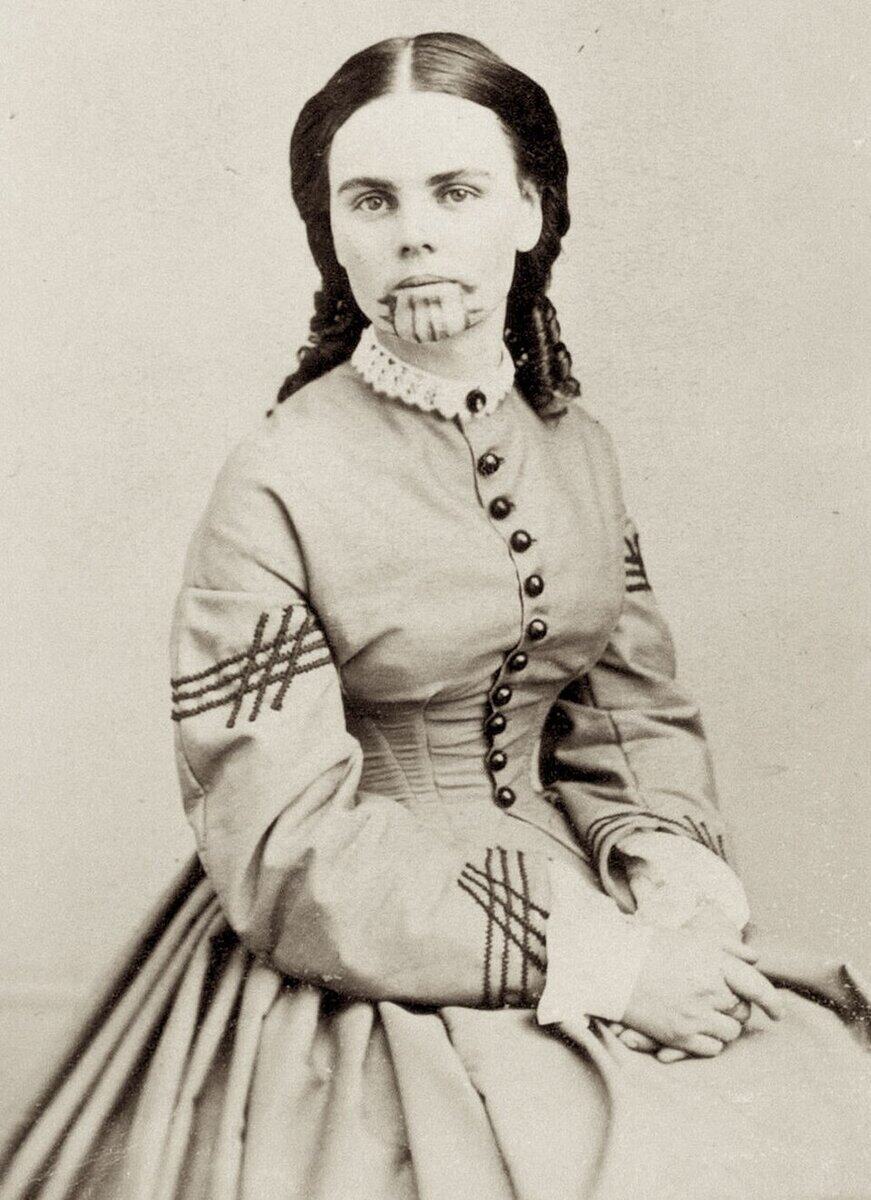
The blue tattoo on Olive’s chin was not random. It had deep cultural meaning among the Mojave people.
The tattoo was given to her as part of a traditional practice. It symbolized belonging and identity within the tribe.
For the Mojave, such tattoos were also believed to help guide the spirit in the afterlife. This means the tattoo was not meant as punishment but as acceptance.
Olive later explained that the tattoo was important to the people she lived with. Understanding this helps change how we see her story.
It shows that her time with the tribe included moments of connection, not just hardship.
4. Her Sister Did Not Survive
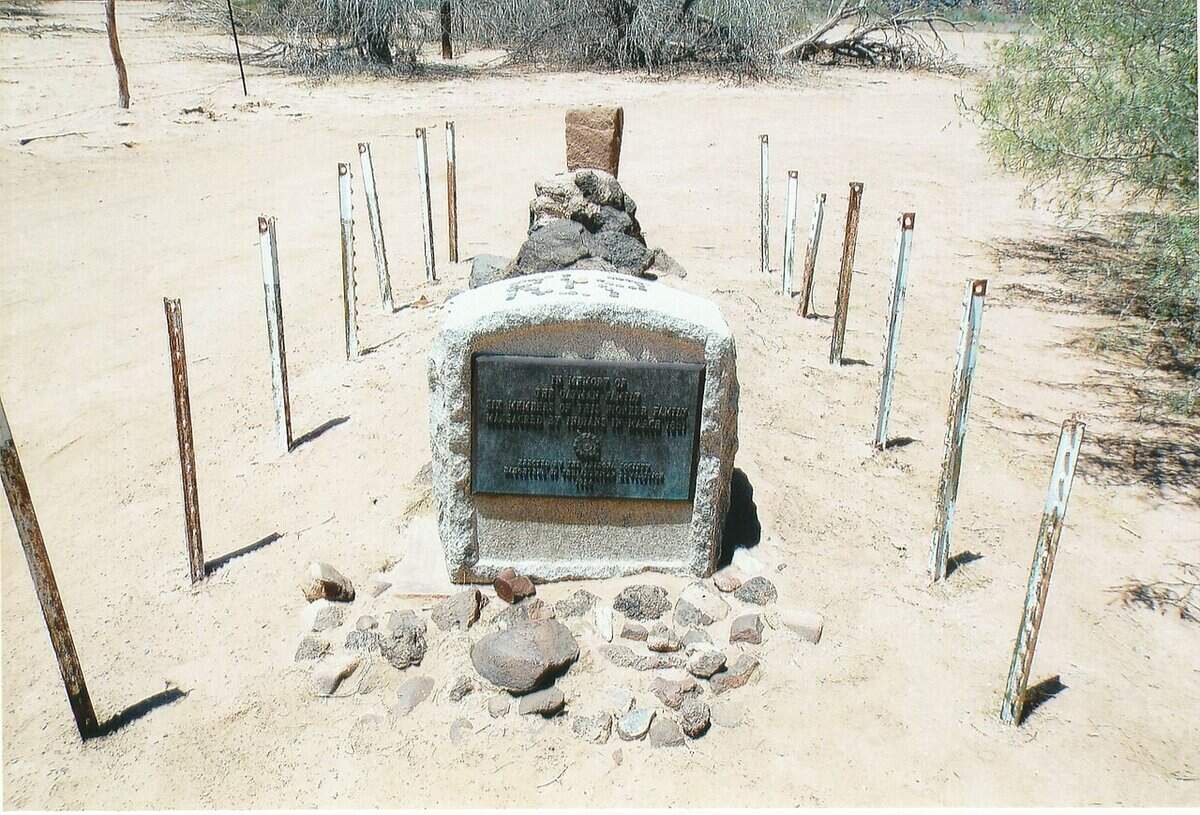
Olive’s younger sister, Mary Ann, was also captured during the attack. Sadly, she did not survive their time in captivity.
She died due to hunger and harsh conditions before Olive was traded to the Mojave. This loss deeply affected Olive and stayed with her for the rest of her life.
Losing her sister made her situation even more painful and lonely. It also strengthened her will to survive.
Her sister’s death is an important part of the story because it highlights the harsh reality of frontier life and captivity. It reminds us that Olive’s survival came at a great personal cost.
5. She Was Eventually Rescued
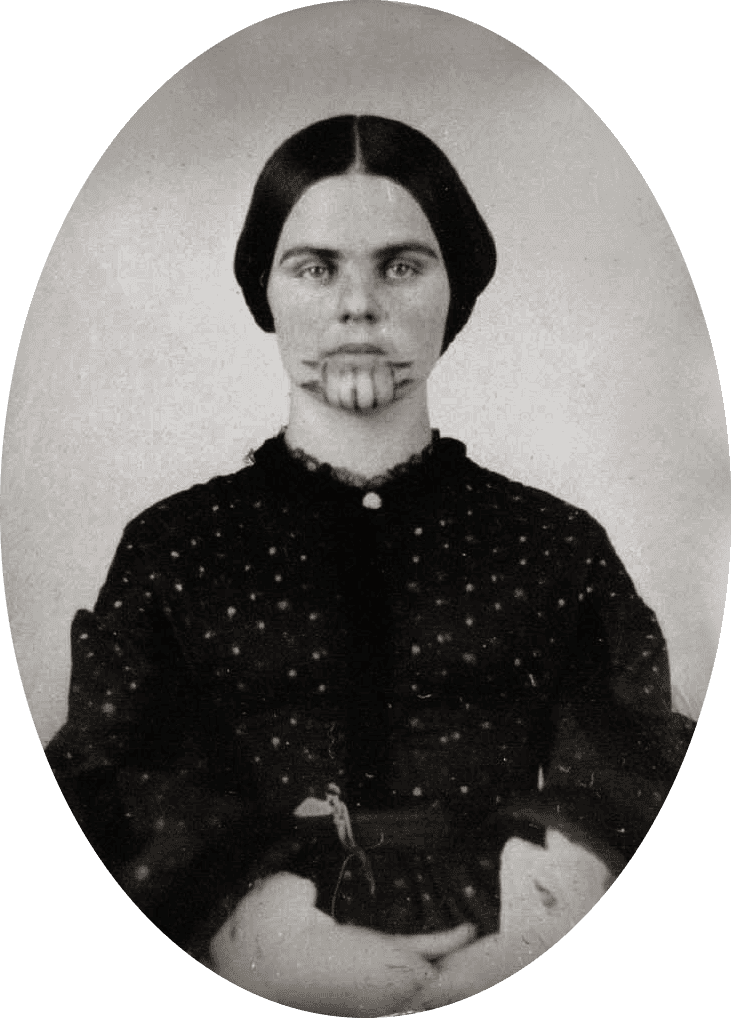
After several years, Olive was returned to American settlers. Reports of a white woman living with the Mojave reached authorities, and efforts were made to bring her back.
When she was rescued, she had to readjust to a world she had left behind as a child. Her return was not easy, as she had changed in many ways.
People were fascinated by her story and her appearance, especially the tattoo. She suddenly became a public figure.
Her rescue marked the end of one chapter and the beginning of another. It showed how survival can lead to unexpected paths in life.
6. She Became Famous Across America
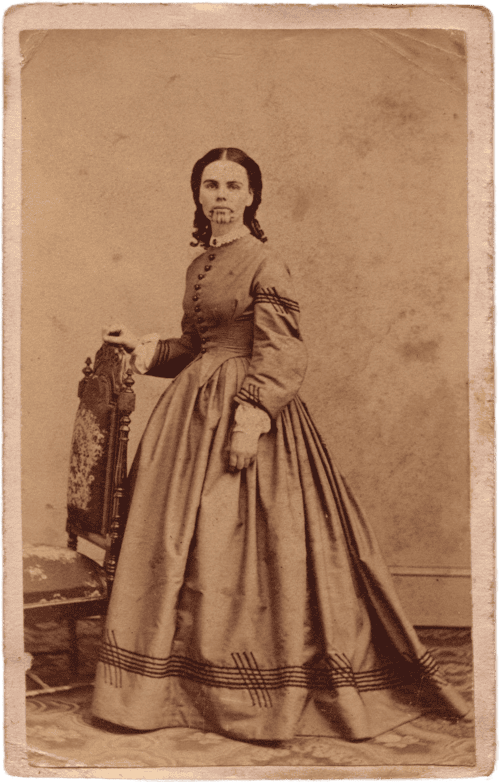
After returning, Olive Oatman quickly became well known. Her story was shared in newspapers, books, and public talks.
People were curious about her time with Native Americans and the meaning of her tattoo.
She often spoke about her experiences, becoming one of the first women of her time to gain fame through storytelling.
Her image, especially the blue tattoo, made her unforgettable. This fame brought both attention and pressure, as people expected her to represent a dramatic story of survival.
Her ability to speak and share her journey helped shape how others understood life on the frontier.
7. The Tattoo Made Her Stand Out
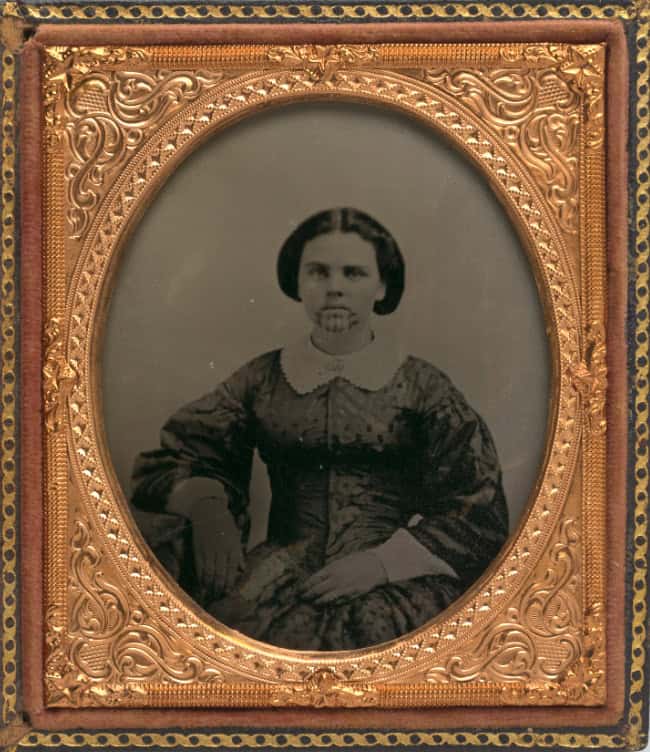
The blue tattoo on Olive’s chin made her instantly recognizable. At a time when appearance was closely tied to identity, her tattoo set her apart from others.
Some people saw it as strange or shocking, while others viewed it as a symbol of strength. It became a key part of her identity in the public eye.
Even when she tried to live a normal life, the tattoo reminded people of her past. This attention could be both positive and difficult.
It showed how one physical mark could carry deep meaning and shape how others see a person.
8. Her Story Was Sometimes Changed
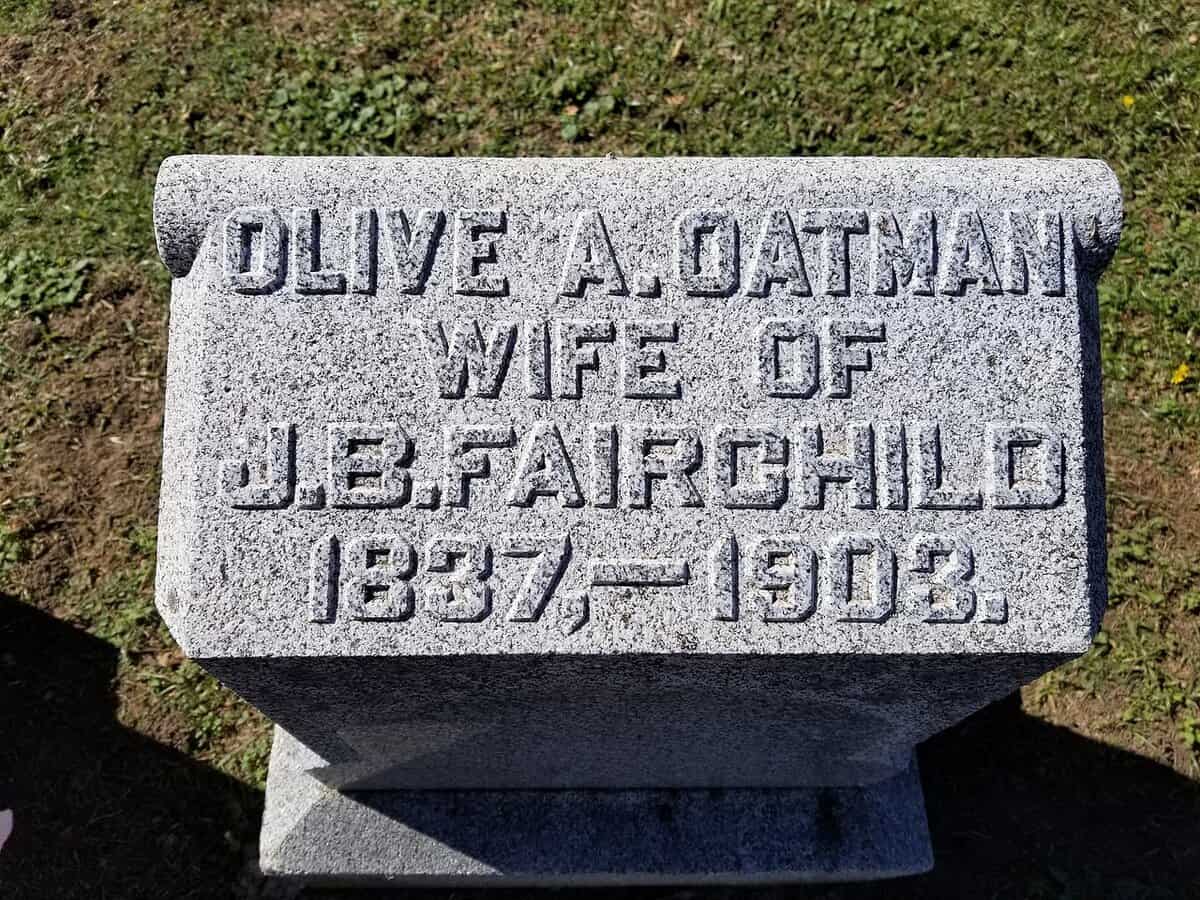
Over time, parts of Olive’s story were told in different ways. Some versions made her experience seem more dramatic or negative than it may have been.
In reality, her life with the Mojave was complex and included both challenges and acceptance. Stories were sometimes adjusted to match what audiences expected or wanted to hear.
This means that not everything told about her life is completely accurate. Historians continue to study her story to understand what truly happened.
This shows how history can be shaped by storytelling and how important it is to look at facts carefully.
9. She Lived a Quiet Life Later

After her years of fame, Olive chose to live a quieter life. She married and moved away from the public spotlight.
Although her past remained well known, she focused on building a peaceful future. This change shows her desire to move forward and leave behind all the attention.
Despite her efforts, her story continued to be remembered and shared. Her later life reflects the idea that people can rebuild and find stability even after difficult experiences.
It also shows that fame does not always bring happiness or comfort.
10. Her Story Still Inspires Today
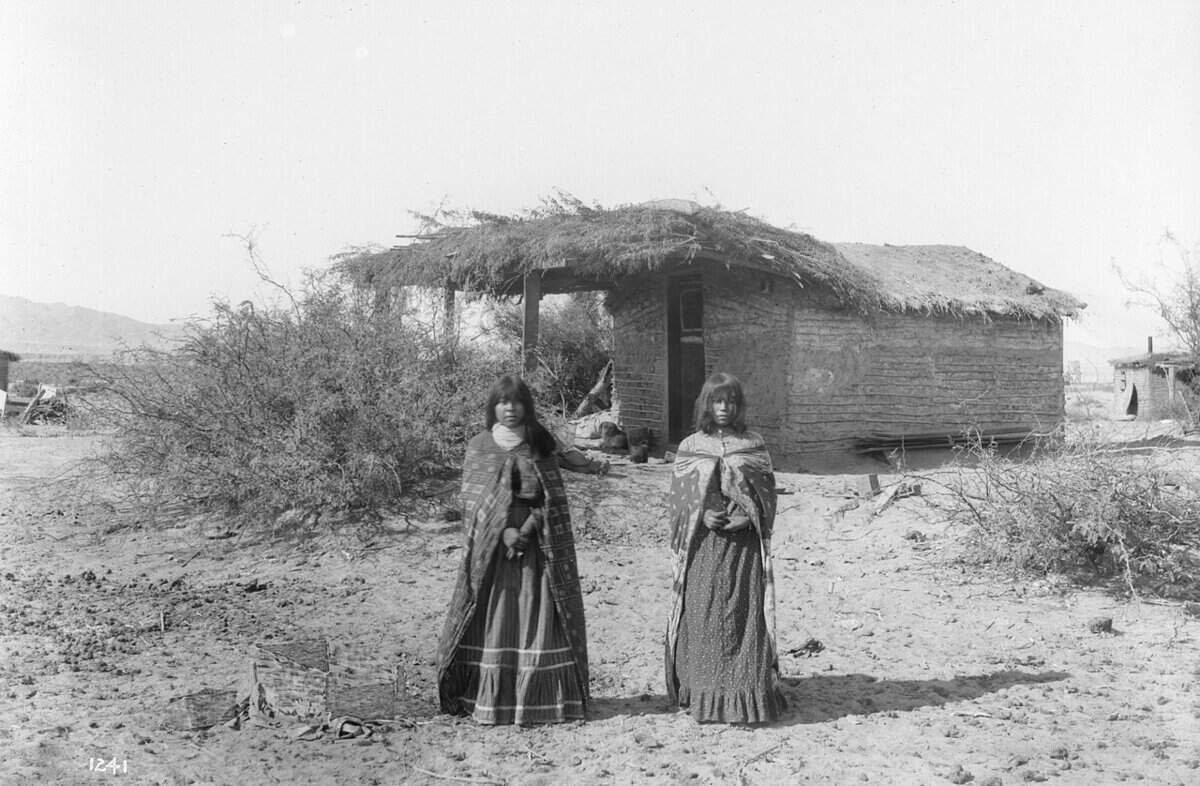
Today, Olive Oatman’s story continues to inspire people. It is a story of survival, strength, and identity.
Her life shows how a person can endure extreme hardship and still move forward.
The blue tattoo remains a powerful symbol, reminding people of her journey and the culture she lived with.
Historians, writers, and readers still explore her story to understand the past. Olive’s experience encourages people to think about resilience.
Her story remains an important part of American history and continues to capture interest even today.

私は生まれたときから、常に神との強いつながりを感じていた。作家として、また指導者として、私の使命は、人々が最も暗い時代に愛と幸福と内なる強さを見つけるのを助けることである。