
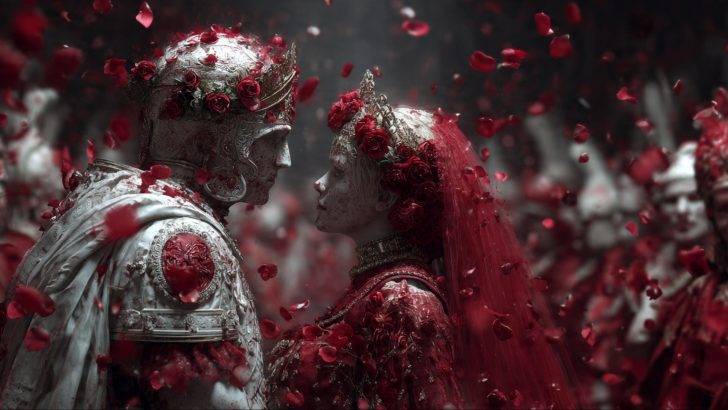
The roots of Valentine’s Day run deeper than most of us realize – and it goes beyond chocolate and cupid.
It’s a story that dates back to ancient festivals that involved fertility rites and sacrifices.
Over centuries, it morphed from a pagan celebration into a Christian holiday, but the core ideas of love and connection stayed.
So, come February 14, we’ll all put aside our monotheistic beliefs and, once more, join the pagan celebration of worldly love!
1. Lupercalia
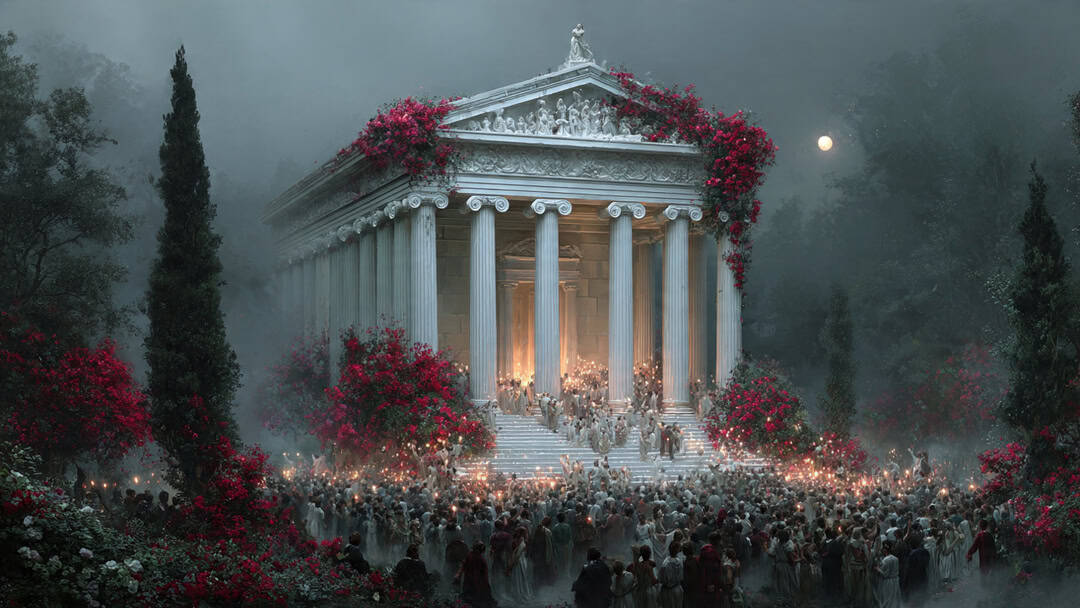
Every February 15, the Romans threw a wild festival called Lupercalia. It was a big fertility ritual, dedicated to Lupercus, the god of fertility, wolves, and agriculture.
His priests ran around wearing goat skins and sacrificing animals – and these were the family-friendly parts of the festival!
The whole thing was super intense, and the core idea was that these rituals would boost fertility and promote healthy crops.
People also feasted and danced, and matchmaking was also a huge part of it.
Young men and women would pair off, often randomly, hoping to find love or at least have a good time.
It was a party with a purpose: fertility, renewal, love.
2. Symbols of the Ancient Festival
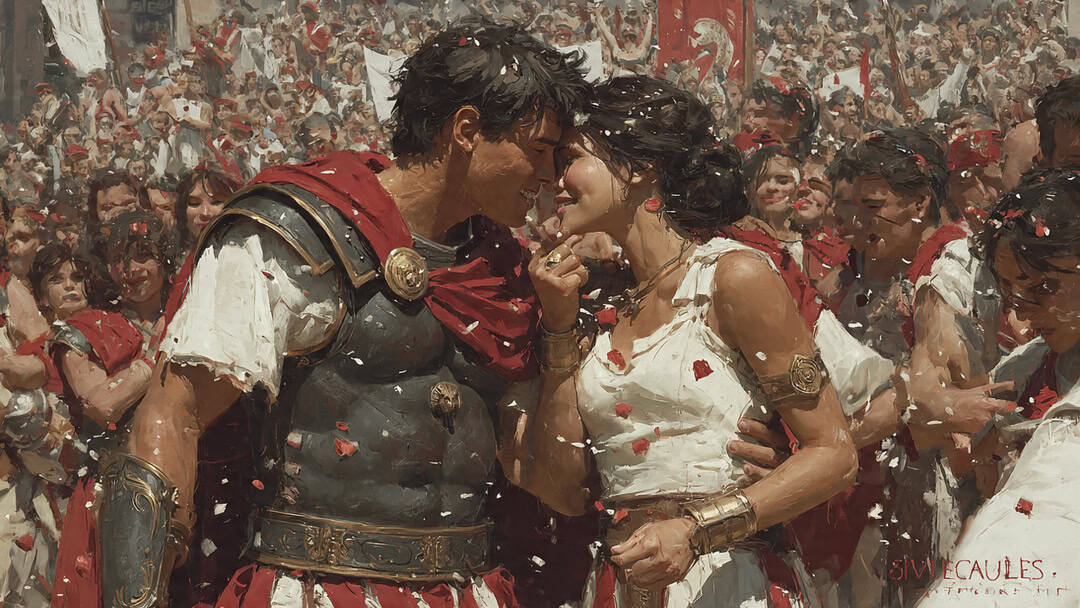
During Lupercalia, certain symbols and objects stood out.
For instance, goats were everywhere, as they represented fertility and strength. Their hides were used in rituals, and their blood and sacrifice were seen as sacred.
Even whips made from goat hide were believed to bring prosperity, well-being, and fertility.
その一方で notes and tokens of love were exchanged among participants freely, which is especially reminiscent of the modern Valentine’s Day.
The matchmaking was a game of chance during the festival rather than a formal courtship.
To Roman men and women, this was a unique chance to enjoy themselves freely without the fear of social scrutiny.
All these symbols and rituals created a lively, chaotic celebration of love.
3. Christianization
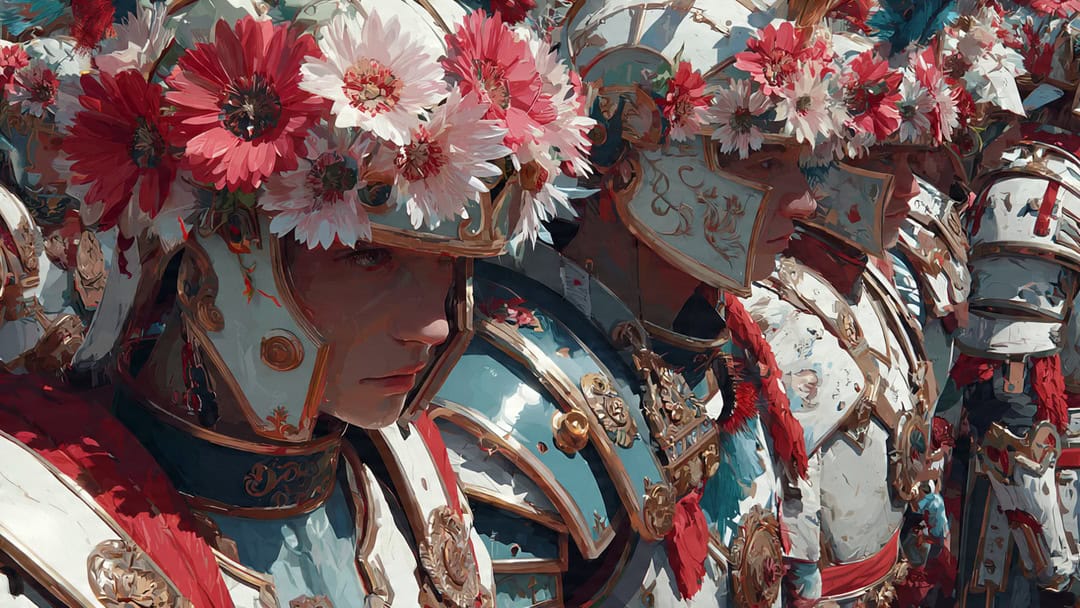
As Christianity spread across the Roman Empire, the church needed to ban pagan festivals like Lupercalia.
So, they started replacing these massive festivals with Christian holidays, marking them as days devoted to particular saints.
Around the 5th century, Lupercalia’s date, February 15, was gradually swept out for the Feast of Saint Valentine’s Day.
The church wanted to redirect the focus from fertility rites to Christian virtues like love and sacrifice.
Over time, the pagan rituals faded, but the idea of celebrating love and affection lingered, taking a new, more intimate and romantic form.
4. Who Was St. Valentine?

The most popular legend about St. Valentine mentions him as a Christian priest who defied Roman laws.
Emperor Claudius II had banned marriages because he thought single men made better soldiers. Priest Valentine secretly married couples anyway, risking his life for love.
When he was caught, he was executed around February 14.
Over the centuries, he became a symbol of love, inspiring stories of devotion.
His story resonated because it included romance, bravery, and faith – values that are positively timeless.
This legend helped transform Valentine’s Day from a pagan fertility festival into a day that honors the enduring power of love.
5. The Persistence of the Love Festival
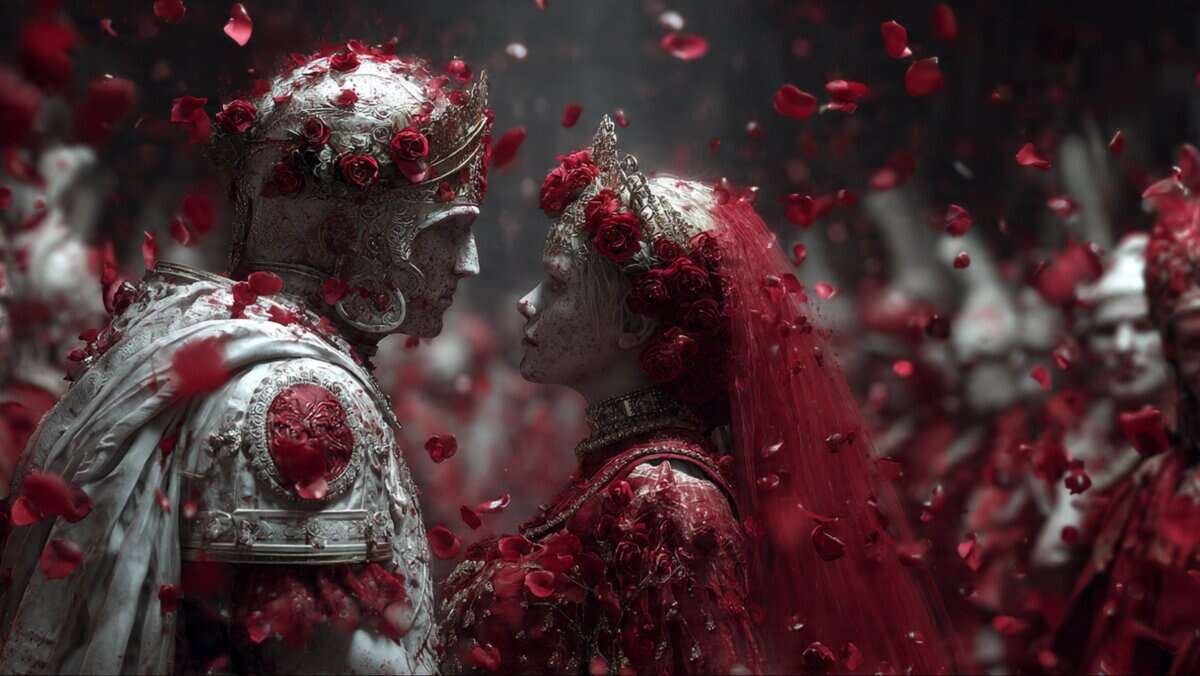
Despite efforts by the church to erase pagan elements, the romantic spirit of Lupercalia didn’t disappear.
Over time, the focus shifted from fertility rites to personal love stories.
Folk customs, such as exchanging handwritten notes and love tokens, kept the flame alive.
By the Middle Ages, the day became associated with courtly love, especially among the aristocracy.
The idea of love and matchmaking persisted, even as the celebration became more private and less ritualistic.
While modern Valentine’s Day is more commercial, the core idea of celebrating romantic love remains unchanged.
6. Lupercalia vs. Valentine’s Day
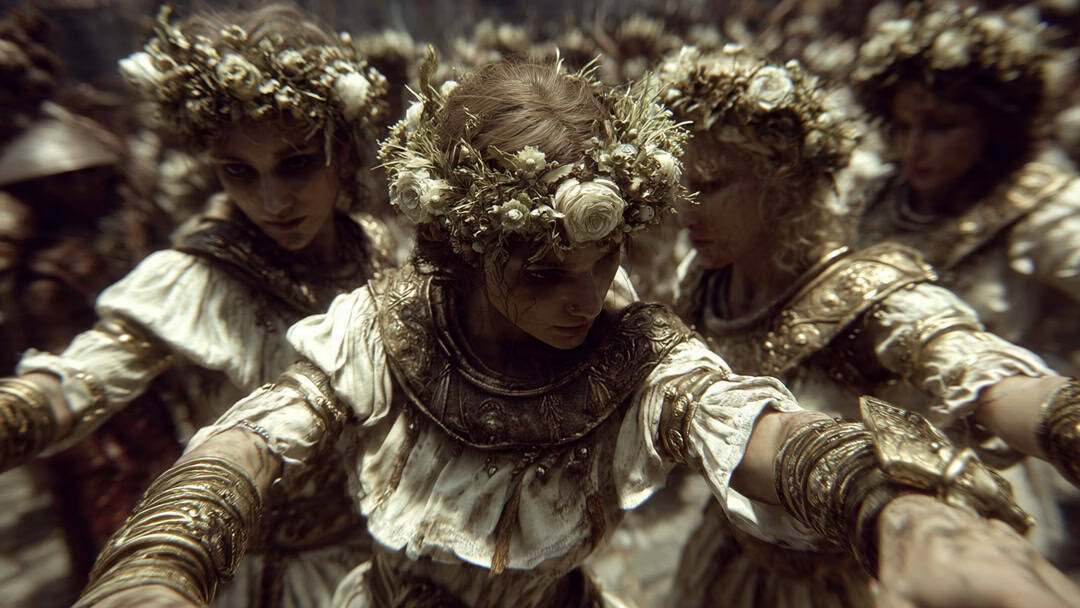
Back in Roman times, Lupercalia was a community festival, much like all others. The focus was on fertility and community bonding.
It involved sacrifices and fertility rites designed to promote growth and renewal.
Today, however, Valentine’s Day is all about expressing personal affection through words and gifts.
The communal, ritualistic vibe has been replaced by meaningful private moments.
The symbols have changed, too – from goats to hearts, Cupid, and love letters.
While the essence of love and coupling remains, the spirit of the celebration has become more individualized and consumerist.
7. Why February 14?
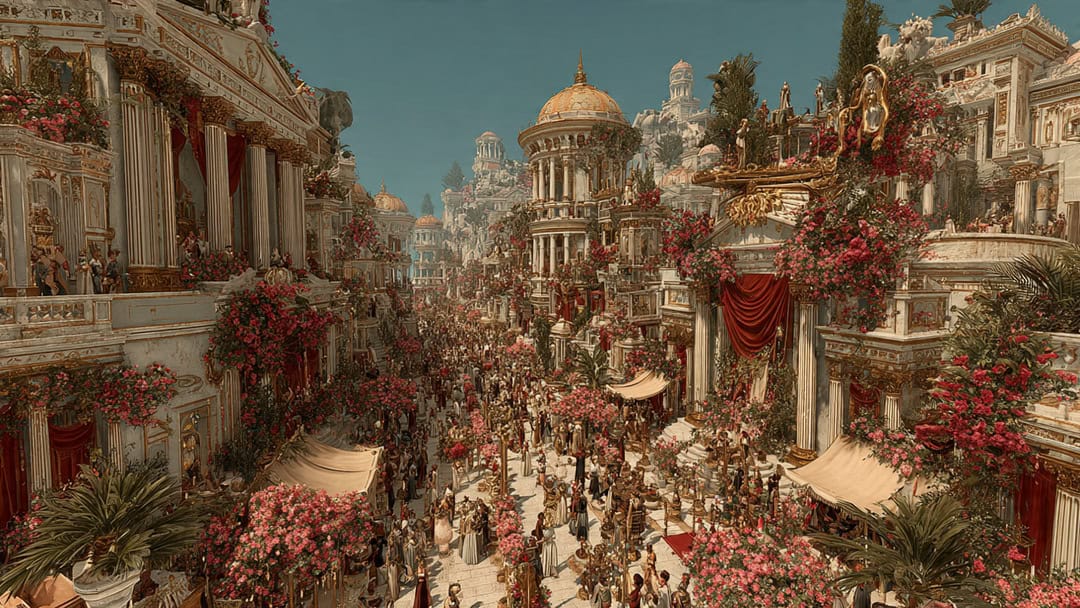
Early February is an important time in nature worship because it symbolizes the end of winter and the beginning of spring.
It’s a time associated with new life, growth, and love. It’s a season when nature reawakens, making it a natural time for courtship.
That’s most likely why ancient Romans celebrated Lupercalia right around this date.
When it comes to the Christian legend behind Valentine’s Day, many people don’t buy the story that St. Valentine, the protector of love, happened to be executed on that very day.
It hits too close to home to be a coincidence, so it’s most likely a ploy by the church to overshadow the pagan festival.
8. Customs Through the Ages

The symbols we associate with Valentine’s Day today actually evolved much later.
Medieval and Victorian traditions popularized these images, highlighting personal affection and love stories.
In Roman times, symbols like goats and fertility tokens were central to rituals, emphasizing community and fertility.
Over time, these symbols shifted toward personal, emotional expressions.
The heart became a universal symbol of love, while Cupid’s arrow represented romantic attraction.
The exchange of love letters, now a staple of Valentine’s Day, was once a medieval custom inspired by courtly love stories.
9. Evolving Tradition

Today’s Valentine’s Day is a mix of ancient symbols and modern customs.
While the core idea of celebrating love remains the same, the way we celebrate has shifted.
From exchanging handmade cards to buying luxury gifts, the emphasis is on personal affection.
Commercialization has taken center stage, with flowers, chocolates, watches, and romantic dinners being staples of the holiday.
Modern Valentine’s Day continues to evolve, but it still carries the essence of the ancient love and fertility festival.

A little Aquarius, devoted to writing and embroidery. Through my writing, I hope to empower readers to align with their true selves and navigate life’s mysteries with confidence.