
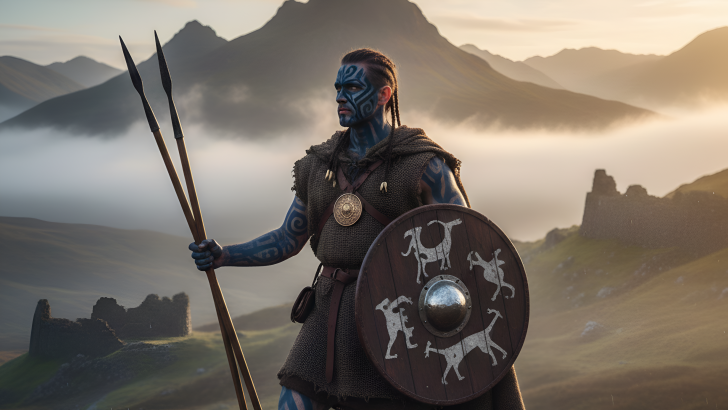
Long before the Vikings sailed to Britain and before Gaelic kings united Scotland, a mysterious people known as the Picts ruled the land.
The Romans called them the Picti, meaning the painted ones, because of their striking appearance in battle.
For centuries, they controlled large parts of northern and eastern Scotland, building strong communities and defending their territory against powerful enemies.
Despite their importance, much about them remains unknown because they left few written records.
Most of what we know comes from archaeology, Roman accounts, and carved stones. These five facts reveal the fascinating and mysterious world of the Picts.
1. They Were Known for Their Body Paint and Fierce Reputation
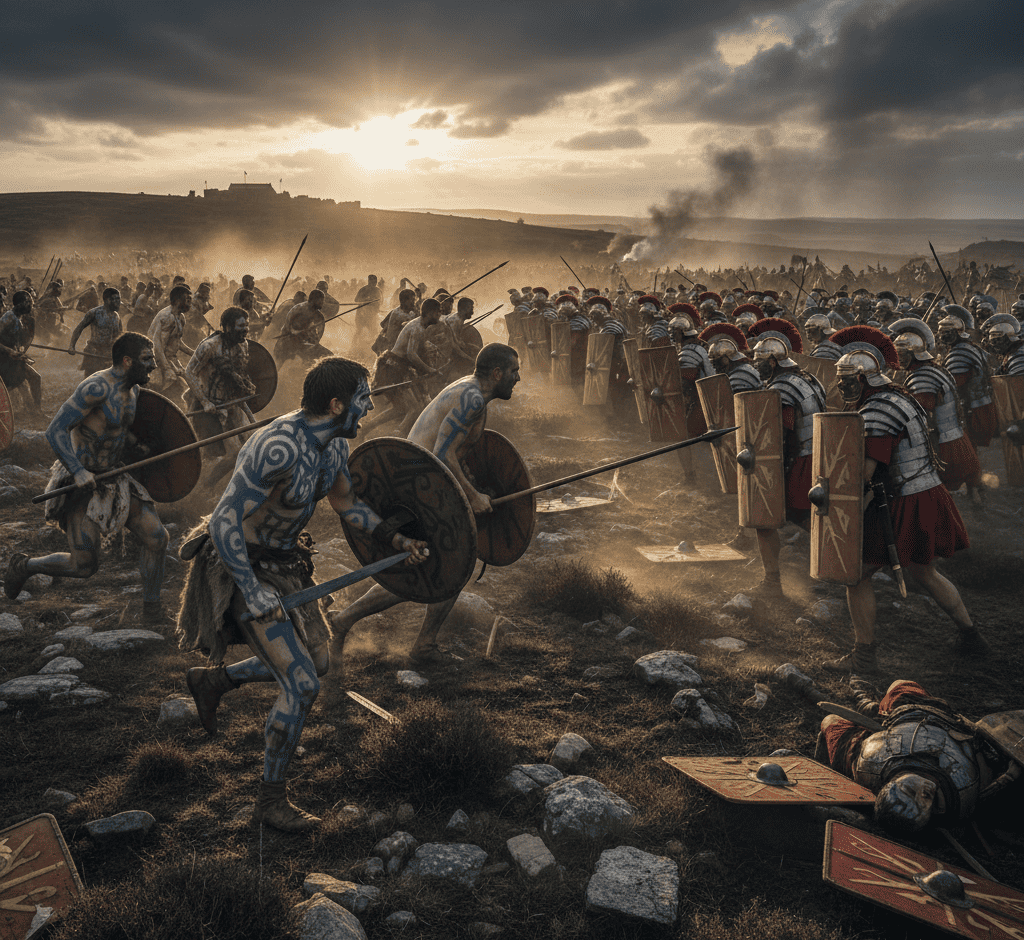
The Picts earned their famous name from Roman writers who described them as painted or marked people.
According to these accounts, Pictish warriors decorated their bodies with blue designs made from a plant called woad.
These markings may have been used for intimidation, identity, or religious meaning. Facing warriors covered in bright patterns would have been a shocking sight for Roman soldiers.
The Picts developed a reputation as fierce fighters who knew their land well and resisted foreign control.
They used guerrilla tactics, surprise attacks, and knowledge of difficult terrain to their advantage.
Roman armies struggled to defeat them completely, even after building forts and walls to keep them out.
Their strong resistance helped them remain independent while much of Britain came under Roman rule.
The image of painted warriors became a lasting symbol of their strength and determination.
Although the exact purpose of the body art is still debated, it clearly played a role in their identity and reputation as fearless defenders of their homeland.
2. They Built Strong Kingdoms Across Northern Scotland
The Picts were not a single tribe but a collection of powerful kingdoms spread across northern and eastern Scotland.
Over time, these smaller groups formed alliances and developed organized leadership.
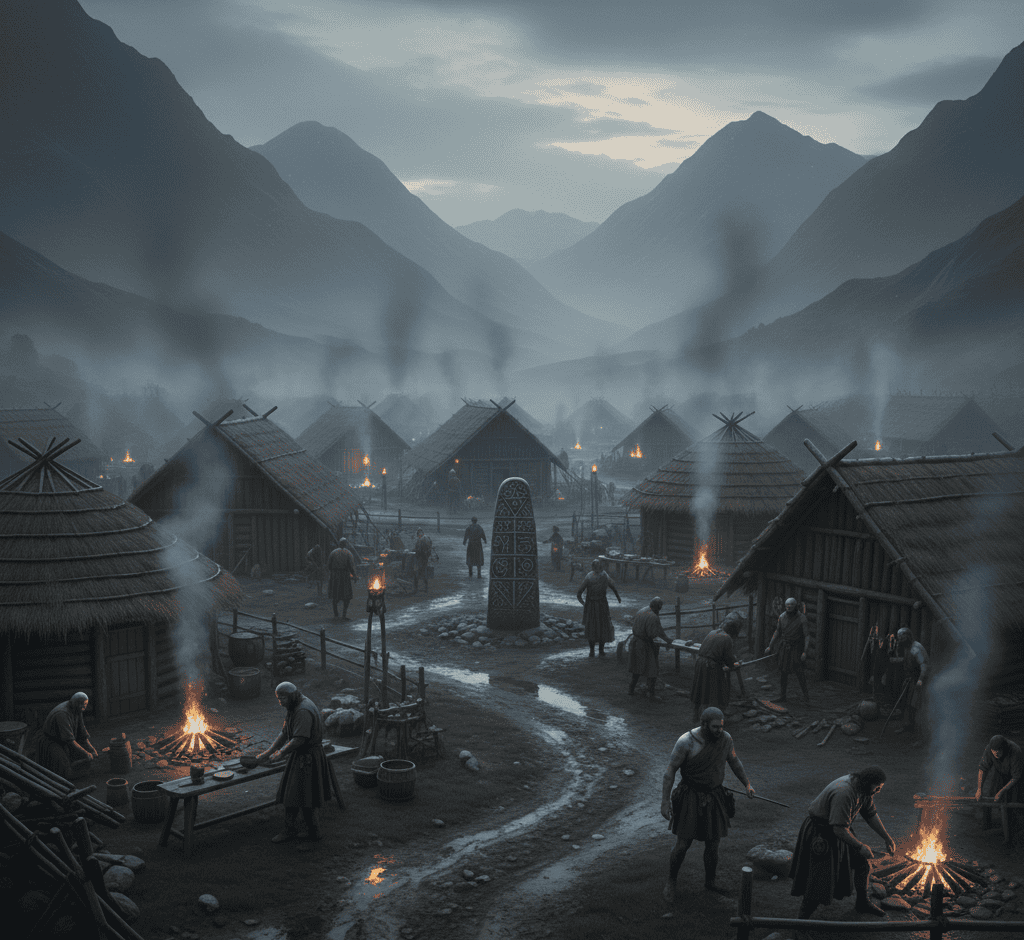
Archaeological evidence shows that they built fortified settlements, farms, and ceremonial centers.
Their society included skilled farmers, metalworkers, and craftsmen who produced tools, jewelry, and weapons.
Some areas reveal large timber halls that may have belonged to local rulers or kings.
Written sources from neighboring cultures mention several Pictish kingdoms that sometimes united under a high king during times of war.
This political organization allowed them to defend their territory and maintain control over large regions.
Far from being primitive or isolated, the Picts created a structured and productive society that lasted for centuries before later political changes reshaped Scotland.
3. Their Symbol Stones Remain One of Their Greatest Mysteries
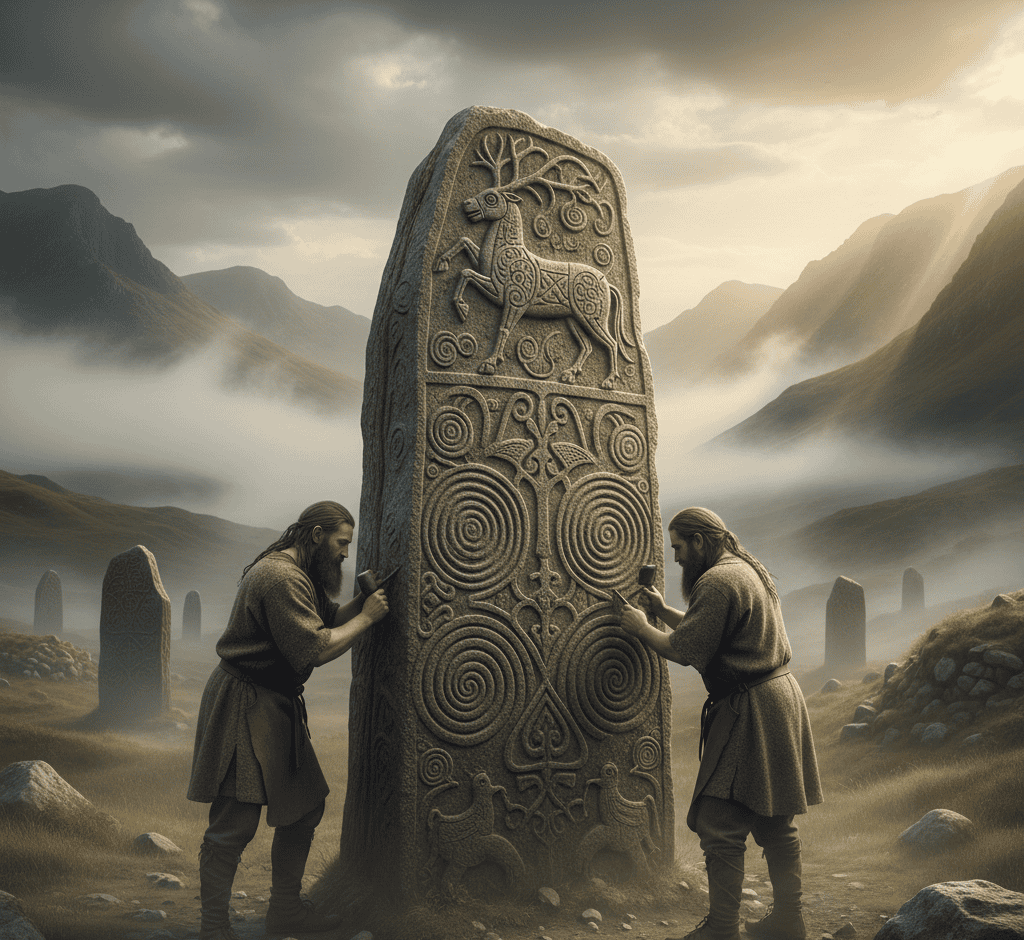
One of the most important sources of information about the Picts comes from their carved stone monuments.
These stones feature detailed symbols such as animals, shapes, mirrors, weapons, and abstract designs.
They are found across Scotland and date from different periods of Pictish history. Some stones also include Christian crosses, showing that their culture changed over time.
The meaning of many of the symbols is still unknown, and scholars continue to study them.
Some believe they represent family groups, social status, or personal names. Others think they may have had religious or ceremonial significance.
The skill and care used in carving show that these monuments were important to the communities that created them.
Because the Picts left few written records, these stones provide valuable clues about their beliefs, leadership, and identity.
Their mysterious symbols remain one of the most fascinating and puzzling legacies of Pictish culture.
4. Women May Have Held Unusual Influence in Pictish Society
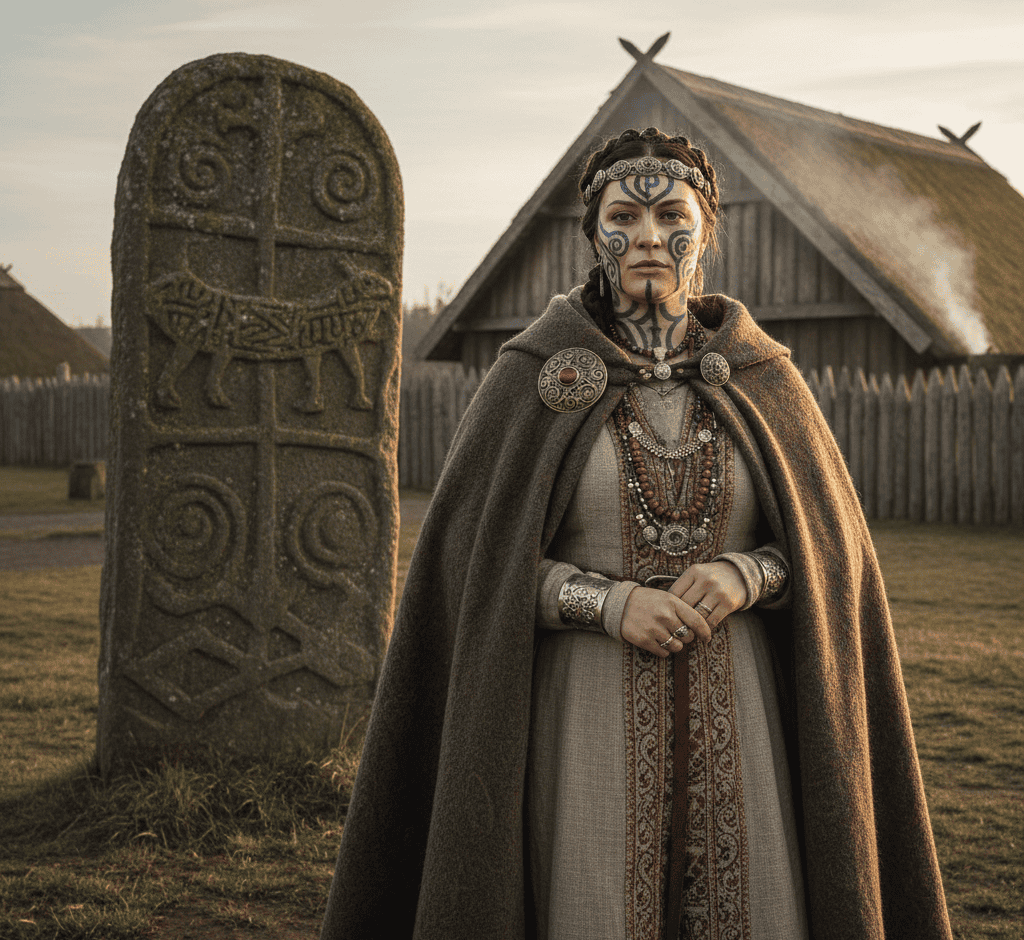
Some historical sources suggest that women may have held a stronger position in Pictish society than in many neighboring cultures.
Early writers claimed that royal succession sometimes passed through the female line rather than from father to son.
This system may have helped maintain stability and clear family connections for leadership.
While the details are still debated by historians, there is evidence that royal women played important roles in alliances and inheritance.
Marriage between ruling families could strengthen political ties and influence power struggles.
Archaeological finds, including high-status graves and valuable objects, also suggest that elite women held respected positions.
Although the full structure of their society is not completely understood, the possibility of strong female influence sets the Picts apart from many other early European cultures.
This feature adds another layer to their reputation as unique and complex people within early Scottish history.
5. They Eventually Merged Into the Kingdom of Alba
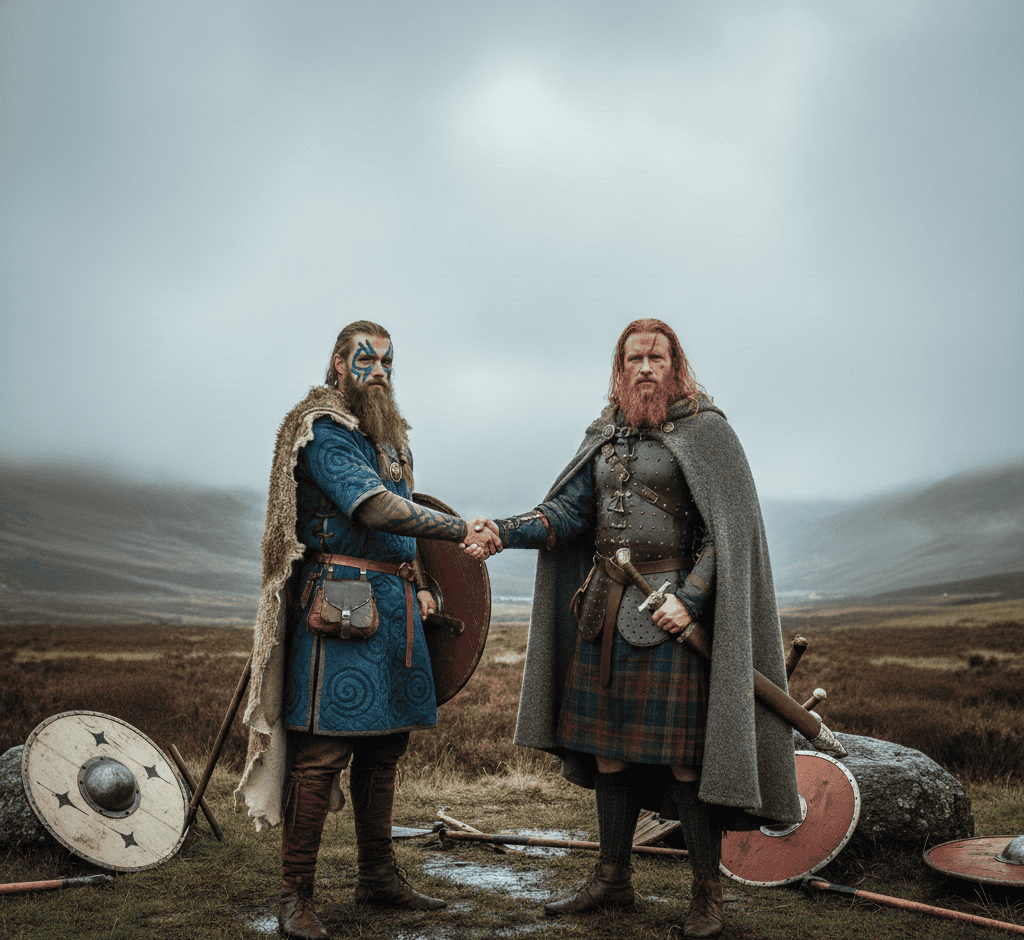
By the early Middle Ages, the separate identity of the Picts began to disappear.
Pressure from Viking attacks, along with growing connections to Gaelic-speaking groups from the west, changed the political landscape.
Over time, Pictish and Gaelic leaders formed alliances and eventually united under a single kingdom known as Alba.
This kingdom later developed into medieval Scotland. Rather than vanishing suddenly, the Picts were gradually absorbed through intermarriage, cultural exchange, and shared leadership.
Their language and name faded, but many of their traditions, place names, and artistic styles continued.
The symbol stones, settlement sites, and archaeological remains still show their lasting influence.
Although their identity was transformed, the Picts played a crucial role in shaping the early foundations of Scotland.

私は生まれたときから、常に神との強いつながりを感じていた。作家として、また指導者として、私の使命は、人々が最も暗い時代に愛と幸福と内なる強さを見つけるのを助けることである。