
There is an exciting event for astronomy lovers in 2026. Six planets will all be visible at the same time as part of a rare planetary parade.
Planetary parades occur when there is a line of several planets in the night sky. Although the planets themselves are millions of kilometers apart, they appear aligned from Earth.
Therefore, this event will create a beautiful display in the sky that can be seen with the naked eye or through binoculars.
1. What a Planetary Parade Actually Means
A planetary parade occurs when planets appear lined up along the same path.
A planetary parade does not mean that planets are located near each other in three-dimensional space; it merely signifies that the observer is able to see multiple planets at once from a single standpoint.
Planetary parades occur infrequently due to the fact that the planets move at different speeds along their orbits around the Sun, providing the opportunity for special astronomical observations or photography.
2. Which Planets Will Be Visible
The 2026 planetary parade will have six visible planets. Depending on where one is located and how good the view is, the planets to be observed will be Mercury, Venus, Mars, Jupiter, Saturn, and Uranus.
Many of these planets can be seen with the naked eye; however, Venus and Jupiter will usually stand out the most.
It may be necessary to use binoculars or a small telescope to see Uranus very well. Being able to observe multiple planets at once is an amazing experience for anyone who appreciates the night sky.
3. When the Event Will Be Best Viewed
The planetary parade occurs for more than one night (mostly from late February to mid-March). The best time to view a planetary parade is usually immediately after sunset or before sunrise, when several planets will be located at or near the horizon.
Astronomical calendars contain the moon’s stage, in addition to information about the specific date and time that sky observers should be able to view the planetary alignment from their location.
The weather, as well as light from streetlights and other sources, will also impact an observer’s ability to see the planetary alignment. The best conditions for viewing a planetary parade will be during clear skies at a location that is at least 40 miles away from major cities.
4. Why Planetary Alignments Are Rare
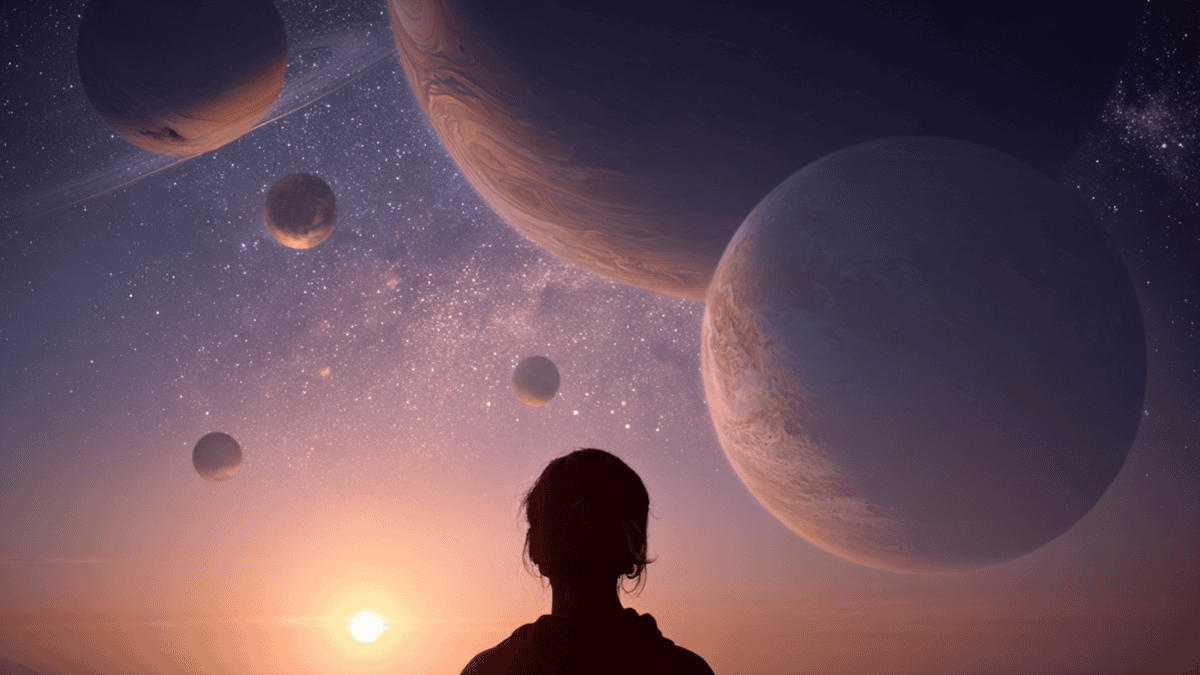
The planets all orbit at different speeds and distances from the Sun. For example, while Mercury goes around the Sun in about 88 days, Saturn takes about 30 years to make one orbit.
This means that the distance and speed of each of the planets create a constantly changing position relative to planet Earth.
Because of the difference in speeds of the planets and their changing positions relative to each other, alignments of several planets only occur once in a while, and many times the visibility will depend on their timing, as well as the angle from which they will be viewed from Earth.
This is why planetary parades, where many planets align, will be very popular for astronomers as well as sky watchers alike.
5. How to Observe the Parade
You don’t need expensive gear/instruments to watch the planetary parade. Most of the brighter planets are easily visible with the naked eye, but using binoculars or small telescopes will give you a more detailed view of the planets.
Choose a location that has limited light pollution as well as a clear view of the horizon. Utilize an application or skymap to help you find each of the planets.
If you allow your eyes to adjust to the dark, it will help enhance your enjoyment of watching the planets. Even casual observers can find enjoyment in this special event.
6. The Cultural Fascination With Planetary Alignments
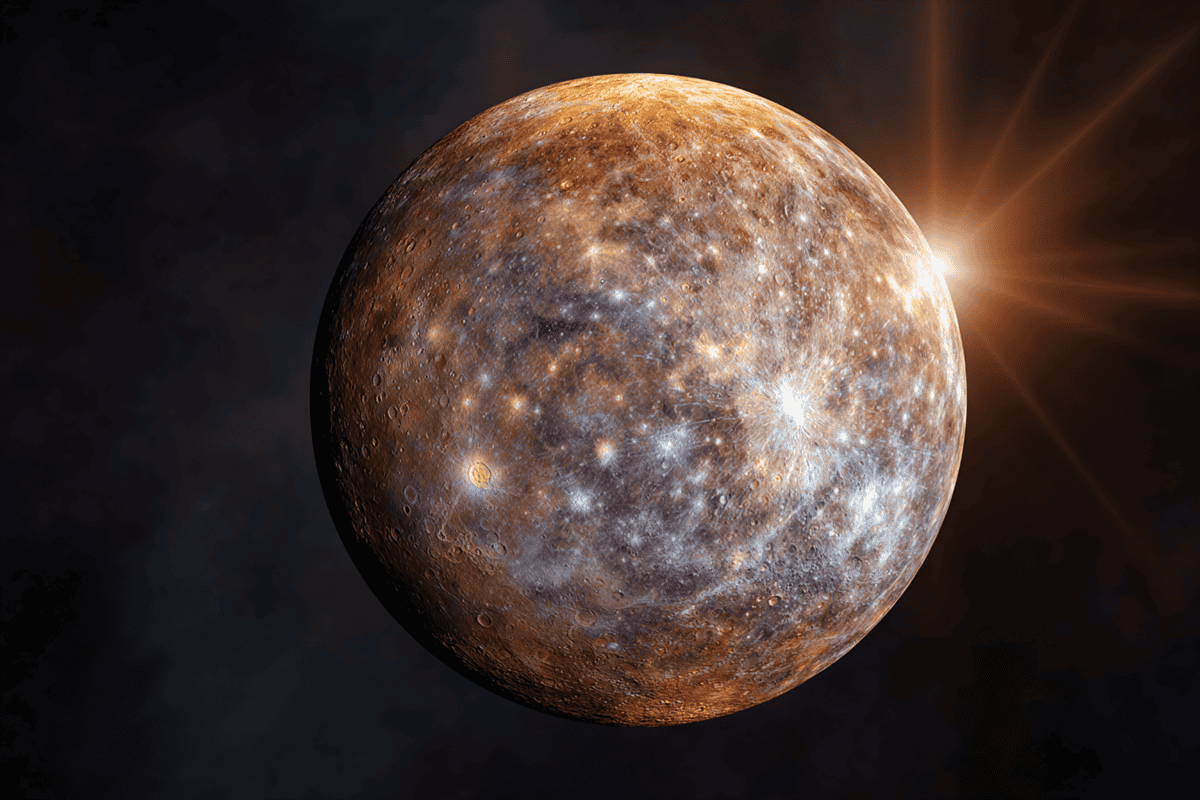
Planetary alignments have amazed people throughout history, with many ancient cultures attributing them to myth, prophecy, or spirituality.
Astronomers today can explain the science behind astronomical alignments. Yet, people continue to find great wonder in viewing multiple planets at once because it is a powerful reminder that our solar system is very large and constantly changing.
In 2026, the planetary parade is a way for people to see and feel that wonder firsthand.
7. Why Events Like This Inspire Interest in Astronomy

Planetary parades can encourage individuals who may be otherwise disinterested in the universe to take an interest in space.
A rare observation can often cause people to gain curiosity about planets, stars, and other celestial bodies, leading them to want to find out more about the structure of the universe.
Educational institutions and organizations that promote public engagement, such as schools, observatories, and science-based groups, utilize events such as a planetary parade to encourage public awareness and education.
The act of watching the sky for one night can spark an interest in astronomy for years to come.
8. A Reminder of Our Place in the Solar System
The alignment of planets gives a visible look at the motion of our solar system. Having several planets visible at one time is a reminder that we are part of a larger universe.
All planets orbit the Sun in their own orbits, but sometimes we see them grouped together. These groupings give us a better understanding of how vast and complex space is.
The planetary parade of 2026 is not only a visual wonder but also serves as a reminder about the magnificence of our universe.

Born and raised in Bosnia and Herzegovina. Ever since I was a little girl, my imagination knew no bounds. I remember vividly how I’d scribble down short stories, each page bursting with adventures and characters conjured up from the whimsy of my mind. These stories weren’t just for me; they were my way of connecting with my friends, offering them a slice of my fantasy world during our playtimes. The joy and excitement on their faces as we dived into my fictional realms motivated me to keep writing. This early passion for storytelling naturally evolved into my pursuit of writing, turning a childhood hobby into a fulfilling career.